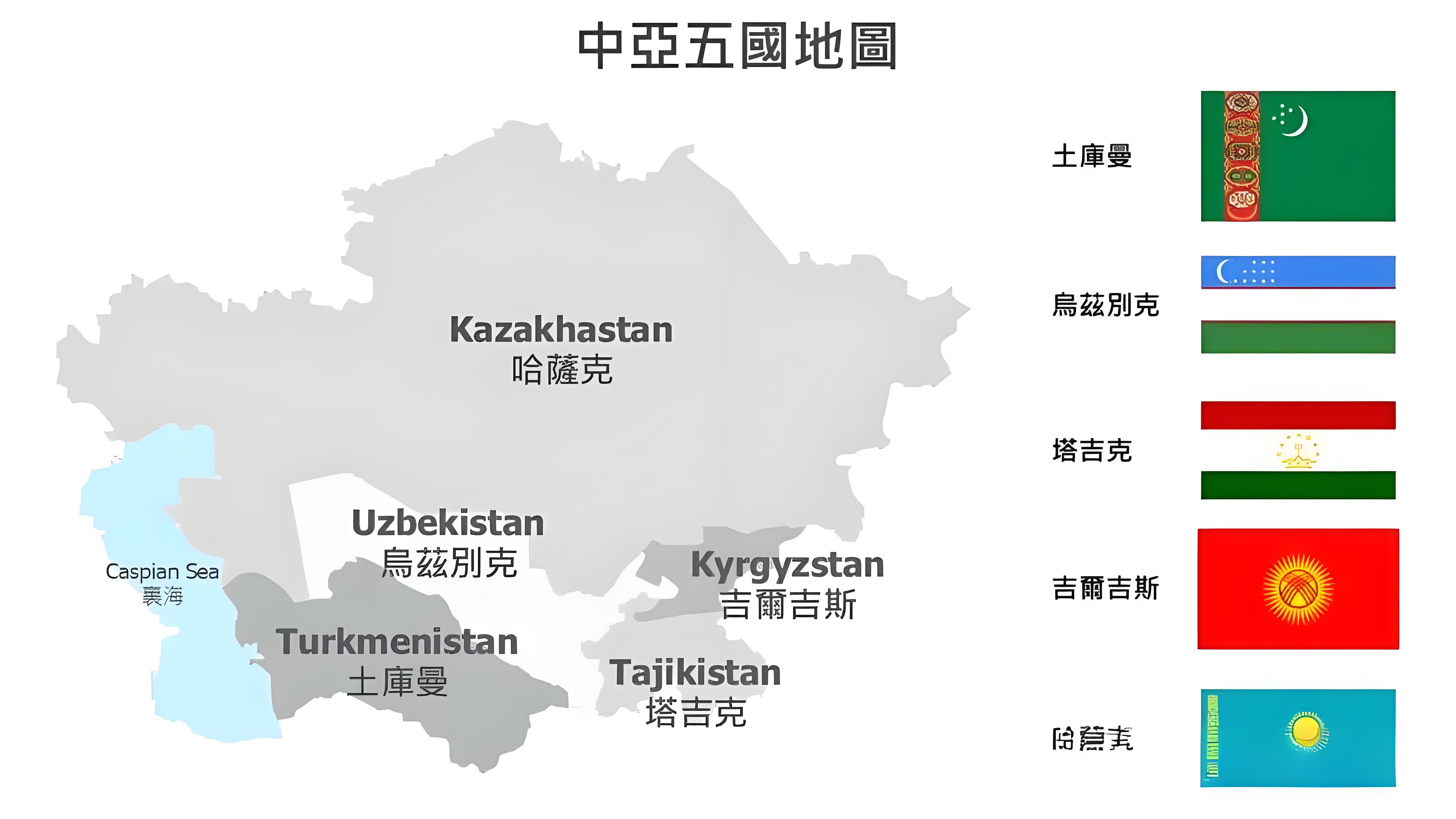
On September 10th, in response to the multiple characteristics of policy adjustments, market restructuring, and technological iteration in the global photovoltaic industry in 2026, PWSOLAR released its annual market outlook report based on export operation data in the first half of the year and feedback from overseas markets. The report clearly states that it will respond to industry changes from three dimensions: product structure optimization, deepening of emerging markets, and output of integrated photovoltaic and energy storage solutions, and consolidate its competitive advantages in core markets such as Latin America and Central Asia.
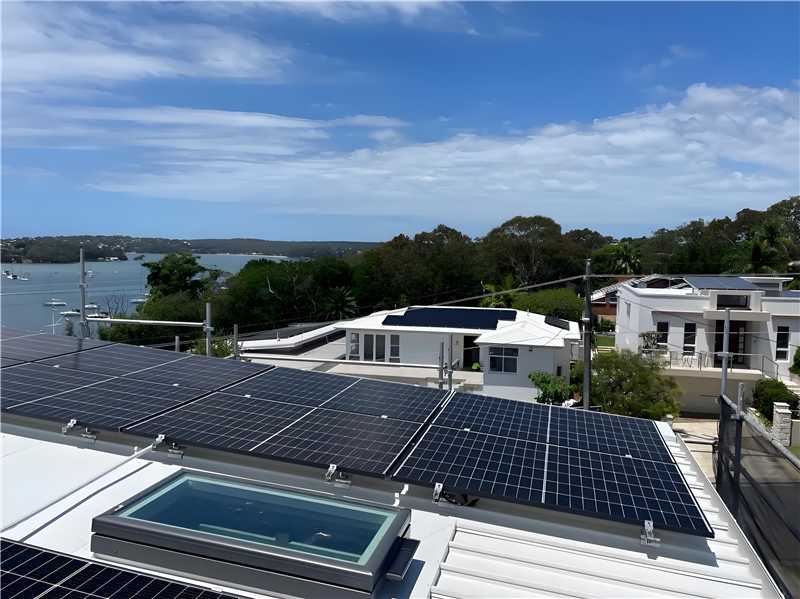
Since the beginning of this year, China's photovoltaic exports have ended the adjustment cycle since the second half of 2023. The total export value in the first half of the year was about 17 billion US dollars, a year-on-year increase of 24.3%. The growth rate of export value exceeded that of export volume for the first time, and the signal of industry price recovery is clear. At the same time, the global market landscape is undergoing significant changes: the proportion of component exports has fallen below 80% for the first time, and the proportion of battery cell exports has increased from 12.1% to 18.6%, reflecting the continuous increase in upstream battery cell demand driven by the expansion of overseas local component production capacity; Southeast Asia has become the largest incremental market for global module exports, with Central Asian countries increasing their procurement efforts for solar photovoltaic and energy storage systems. The demand for distributed photovoltaics in Latin American countries such as Argentina and Chile continues to be released.
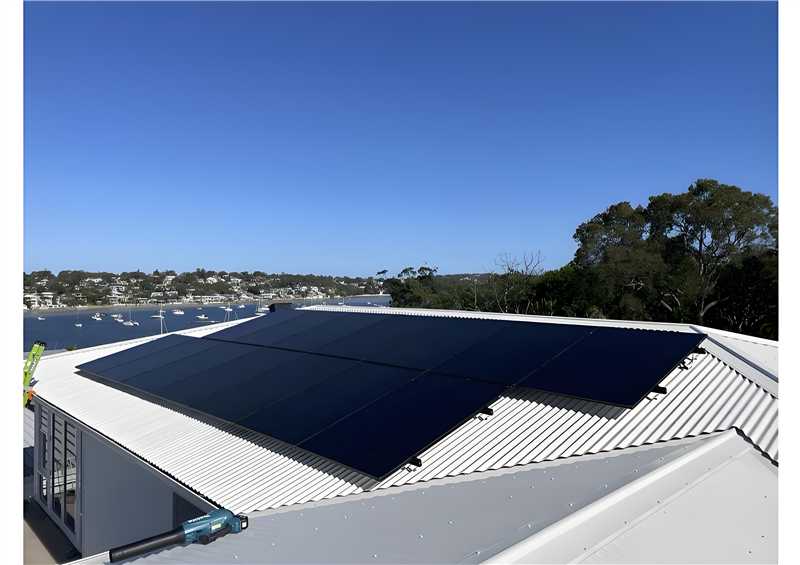
The person in charge of PWSOLAR's related business stated that in 2026, the industry will bid farewell to the past "low price volume" overseas model and enter a new stage of "competition based on technological strength, product adaptability, and localized services". The previous policy adjustment of canceling the value-added tax export rebate for photovoltaic products and gradually reducing the rebate rate for battery products in China has brought some cost pressure to enterprises in the short term, but in the long run, it will force the industry to eliminate inefficient production capacity and promote the upgrading of exports towards high value-added direction. Based on this judgment, PWSOLAR has completed the delivery of multiple batches of photovoltaic products to the Argentine and Chilean markets in the first half of the year. In response to the special climate conditions of high salt spray and strong sunlight in Latin America, the module packaging process has been specially optimized, and the actual operating efficiency of the products in the local area has increased by about 6% compared to the general market.
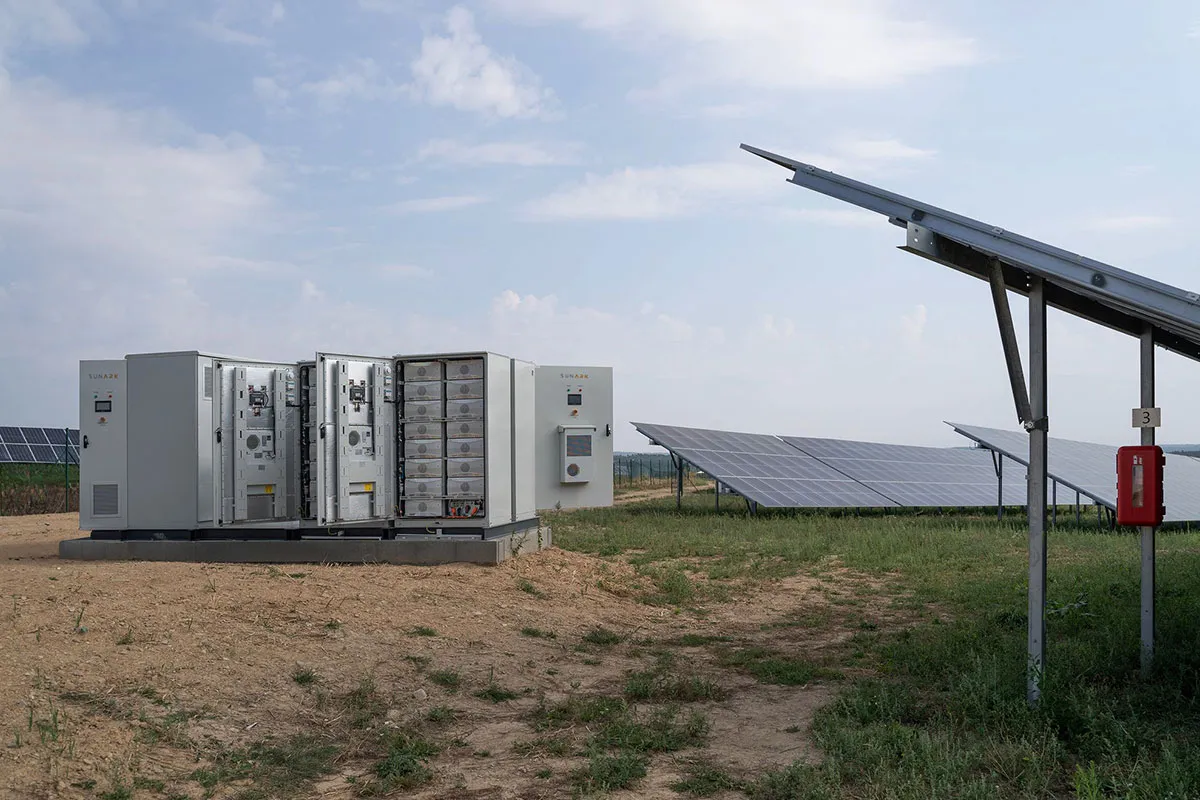
Facing the market in the second half of the year and 2027, PWSOLAR will focus on three major directions: firstly, keeping up with the global trend of photovoltaic energy storage integration, extending the export of single components into an integrated system solution of "photovoltaic+energy storage", matching the application scenarios of insufficient power grid stability in remote areas of Central Asia and Latin America; The second is to establish a differentiated product matrix based on policy rules for different regional markets, adapting to import certification and grid connection standards of different countries; The third is to strengthen the ability of overseas localization services, providing local customers with full chain support from solution design, installation guidance to later operation and maintenance, breaking away from the old path of pure price competition.
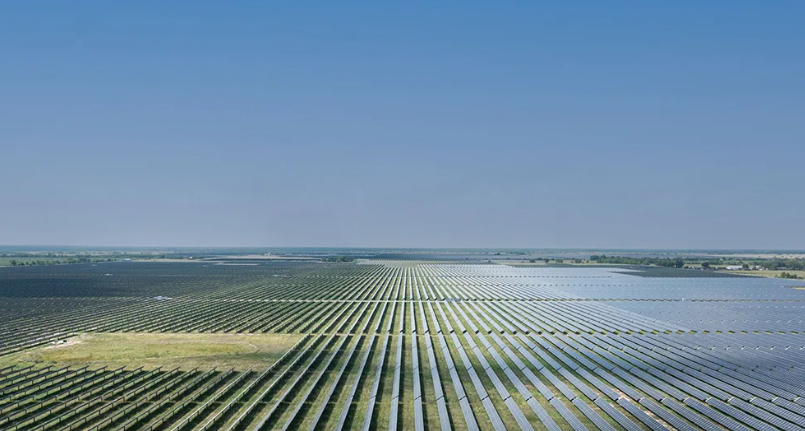
Industry data shows that China's photovoltaic module production capacity currently accounts for about 80% of the global total. In the first half of 2026, the total overseas module production capacity of Chinese photovoltaic enterprises has exceeded 120GW, doubling from the end of 2024. The foundation for global layout has matured. PWSOLAR believes that against the backdrop of continuously increasing global energy security demand and accelerating energy transformation in most countries, the long-term growth logic of the photovoltaic industry has not changed. Only by actively adapting to market structural changes and building core barriers with technology and services can enterprises establish a firm foothold in the new round of global competition.
The global solar industry is undergoing a major transformation.
For many years, solar manufacturing has benefited from highly integrated international supply chains. Materials, cells, modules, inverters and other components have moved across borders to reach rapidly growing markets.
In 2026, however, trade policy, tariffs, local manufacturing requirements and geopolitical considerations are playing a much larger role in the solar industry.
Trade Policy Is Becoming a Strategic Factor
Solar companies today need to consider more than manufacturing costs.
Tariffs, import regulations, local-content requirements and supply-chain policies can significantly influence the final cost of a solar project.
The United States is a particularly important example.
Recent U.S. trade measures include tariffs and a price-floor mechanism covering polysilicon, wafers, cells and solar panels. The measures are designed to strengthen domestic supply chains, but their practical impact on manufacturers and buyers remains an important issue for the industry.
This illustrates how government policy can influence the economics of the entire solar supply chain.
Supply Chain Localization Is Accelerating
Governments in several major markets are encouraging domestic or regional manufacturing.
The objective is not only to create jobs, but also to improve energy security and reduce dependence on overseas supply chains.
As a result, solar manufacturing is becoming more geographically diversified.
Companies are exploring production and assembly facilities in North America, Southeast Asia, the Middle East, India and other regions.
However, localization also creates challenges.
Building factories outside established manufacturing centers can increase production costs, require significant investment and create new logistical and operational complexities.
Cost Is Still Important
Despite the trend toward localization, cost competitiveness remains critical.
Solar power must compete with other forms of electricity generation, and project developers continue to focus heavily on the total cost of electricity.
This means that manufacturers need to balance localization with efficiency.
Automation, advanced manufacturing technologies, higher-efficiency cells and better supply-chain management can help reduce the cost gap.
Traceability Is Becoming More Important
For international solar buyers, supply-chain transparency is also becoming increasingly important.
Customers and governments increasingly want to understand where raw materials originate, where products are manufactured and whether suppliers comply with applicable regulations.
Traceability can therefore become a competitive advantage.
Suppliers that can provide clear documentation, certification and supply-chain information may have an advantage when competing for international projects.
China Remains Important to the Global Solar Industry
China continues to play a central role in global solar manufacturing.
However, the global PV industry is becoming more geographically diversified.
Rather than completely replacing established manufacturing centers, the emerging model may involve multiple regional production hubs connected through international supply chains.
For international customers, this creates both more choices and more complexity.
Buyers need to evaluate not only product price and technical specifications, but also manufacturing location, tariff exposure, delivery time, certification and long-term supply stability.
What Should International Buyers Look For?
In this changing environment, buyers should consider several factors when selecting solar suppliers.
First, product quality.
Low prices are attractive, but reliability and long-term performance directly affect project returns.
Second, supply-chain transparency.
Clear documentation can help buyers manage regulatory and customs risks.
Third, international experience.
Suppliers familiar with different markets are better positioned to understand certification, packaging, logistics and project requirements.
Fourth, delivery capability.
In a rapidly changing market, stable production capacity and reliable logistics can be as important as price.
Finally, technical support.
As solar projects become more sophisticated, customers increasingly need suppliers that can provide engineering assistance and technical solutions.
A More Diversified Solar Industry
The global solar supply chain is unlikely to return to exactly the same structure that existed several years ago.
Instead, the industry is moving toward a more diversified and regionalized model.
This transformation will create challenges, but it will also create opportunities.
Companies that can combine competitive manufacturing, strong technology, transparent supply chains and international service will be better positioned to compete in the next phase of global solar development.
For solar buyers, meanwhile, supplier selection is becoming a strategic decision rather than simply a purchasing decision.
The future of the PV industry will not be determined by price alone.
It will be shaped by technology, reliability, supply-chain resilience and the ability to adapt to a rapidly changing global market.

 EN
EN