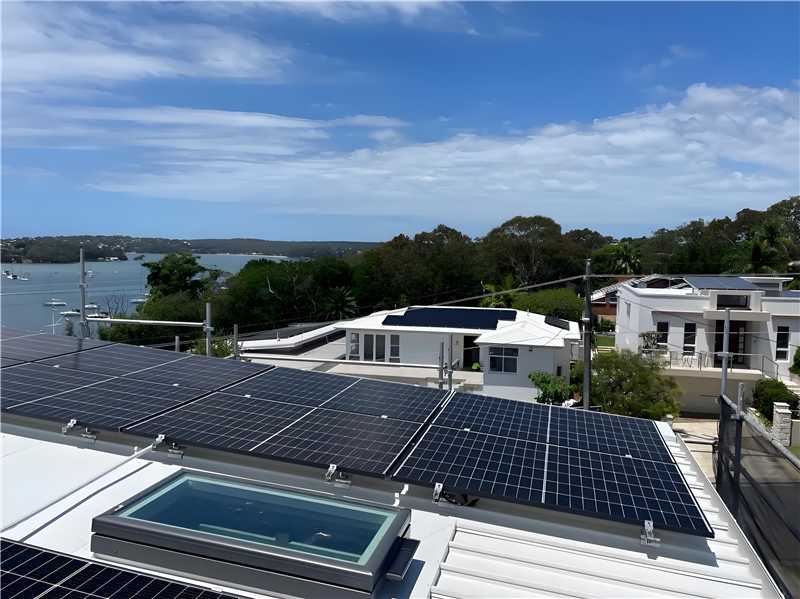
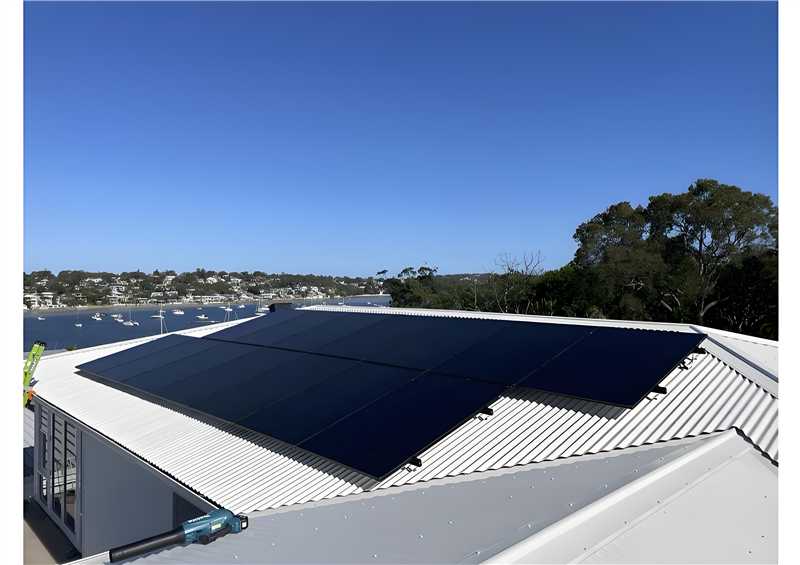
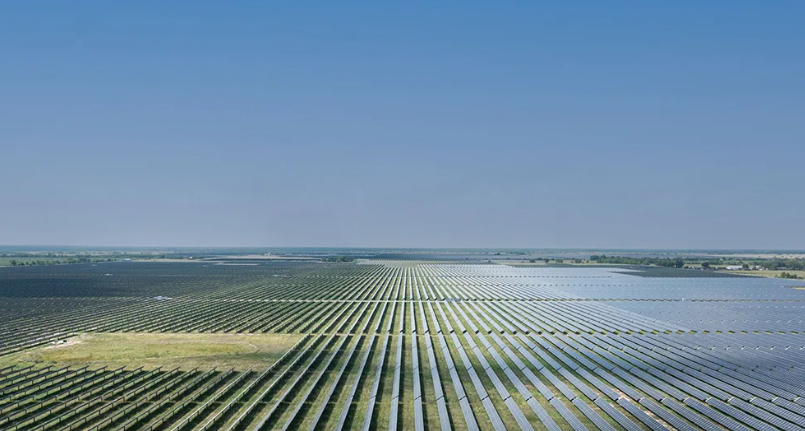
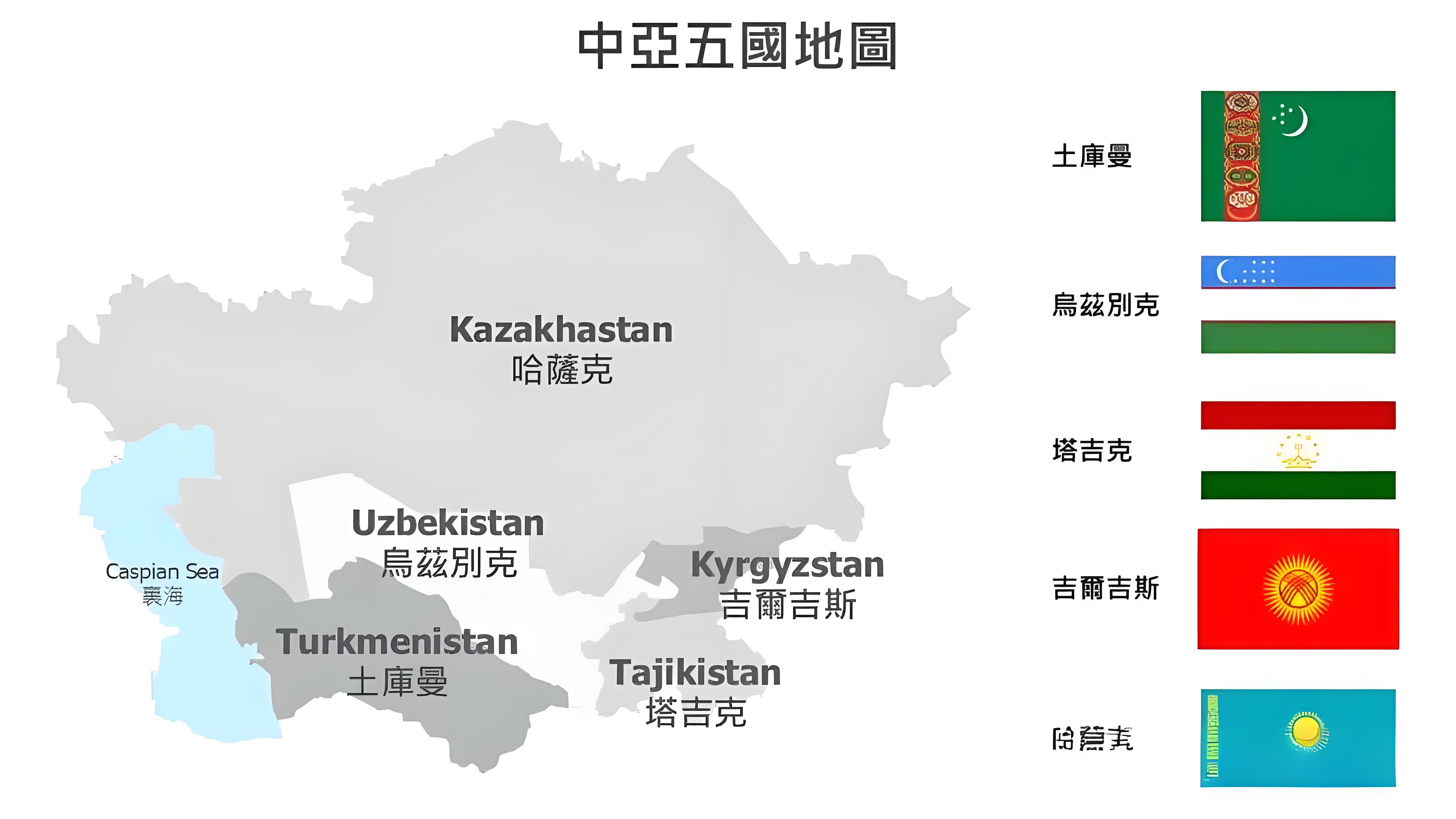
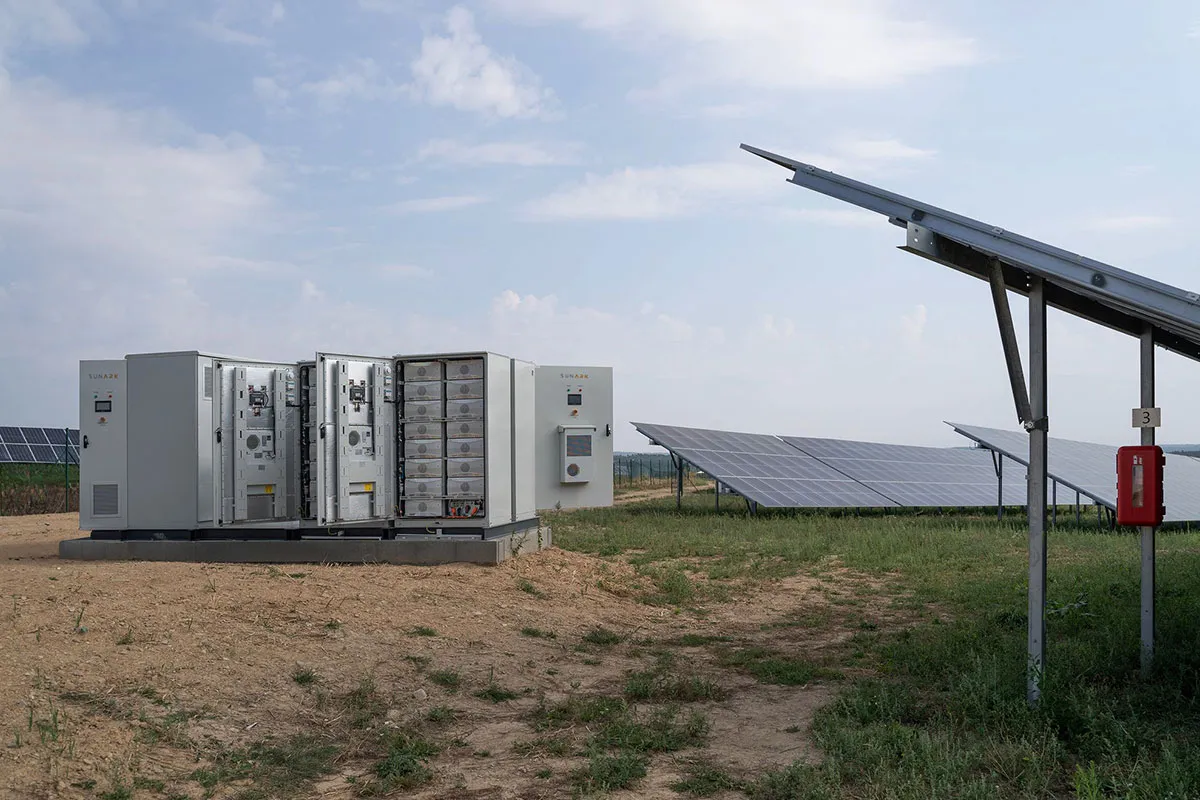
On September 10th, PWSOLAR officially released its 2026 industry outlook report based on the operational data of the global photovoltaic and energy storage market in the first half of the year. Based on previous experience in delivering photovoltaic products to the Argentine and Chilean markets, as well as in-depth follow-up on the demand for photovoltaic and energy storage procurement in the Central Asian region, the company has clearly identified "photovoltaic+energy storage integrated output" as the core strategy for going global in the next stage, and opened up a high-quality growth path in the industry's structural adjustment.
In the first half of this year, global energy storage demand continued to rise, with segmented segments showing a trend of differentiation: the supply and demand of energy storage batteries were tight, and profits achieved high growth. In September, industry battery production continued to increase month on month, and shipments for the whole year are expected to maintain high growth; The profitability of PCS and integration links is gradually recovering, and multiple household storage manufacturers have doubled their profits year-on-year in the first half of the year. In the second half of the year, shipments will gradually improve quarter by quarter. The photovoltaic sector is currently in a phase of price recovery driven by anti internal competition, with the main chain still undergoing bottom grinding and clearing. The penetration rate of high-efficiency battery technologies such as BC is rapidly increasing, opening up space for product added value enhancement.
From the perspective of exports, China's cumulative export of photovoltaic modules from January to July 2026 was 143.45GW, a slight decrease of 3% year-on-year, while the cumulative export of solar cells was 65.40GW, an increase of 24% year-on-year. The industry's export structure is shifting from a single module to diversified forms such as solar cells and photovoltaic storage systems. At the regional market level, the European market remains resilient, demand in the American market steadily recovers, Central Asian countries concentrate on increasing their purchases of solar photovoltaic and energy storage systems, and the pace of implementing distributed solar storage projects in Argentina and Chile in Latin America has significantly accelerated. Emerging markets have become the core increment driving exports throughout the year.
The head of PWSOLAR business stated that the current global energy transformation is no longer limited to the procurement of single photovoltaic equipment. More and more overseas customers need to simultaneously solve problems such as the stability of new energy grid connection and the reliability of off grid power supply. Integrated photovoltaic and storage solutions have become a market necessity. Previously, the photovoltaic products delivered by the company to Argentina and Chile were recognized by customers for repurchase due to process optimization adapted to local high sunlight and strong salt spray environments, laying the foundation for the subsequent output of stacked energy storage systems.
For future market layout, PWSOLAR will focus on promoting three actions: firstly, customizing adaptive integrated photovoltaic and energy storage system solutions for different power grid conditions in Central Asia and Latin America, covering various scenarios such as household use, industry and commerce, and off grid power stations; Secondly, we will closely follow the new demands of global green power trading and computing power center green power matching, and develop photovoltaic and energy storage collaborative power supply products that are suitable for high energy consumption scenarios; The third is to establish overseas localized service sites, providing local customers with full chain support from solution design, installation and debugging to later operation and maintenance.
Industry analysis points out that by 2026, the global photovoltaic storage market has entered a new stage of "system value competition" from "single product volume". PWSOLAR's strategic adjustment precisely meets the urgent demand for comprehensive energy solutions in overseas markets, and also provides a practical direction for Chinese photovoltaic storage foreign trade enterprises to break out of low price competition and build long-term core competitiveness.
olar power has become one of the world's fastest-growing sources of new electricity generation. But as solar penetration increases, another technology is becoming equally important: battery energy storage.
In 2026, the combination of solar PV and battery storage is moving from a niche solution to an increasingly important part of modern energy systems.
Why Solar Needs Storage
One of the biggest limitations of solar power is simple: solar panels generate electricity when the sun is available, while electricity demand does not necessarily follow the same schedule.
Solar generation typically reaches its peak during the middle of the day. However, residential electricity consumption often increases during the evening, when solar production is declining.
Battery storage helps bridge this gap.
During periods of high solar generation, excess electricity can be stored in batteries. The stored energy can then be used later when solar production falls or electricity prices increase.
This makes solar energy more flexible and useful.
Rising Electricity Demand Creates New Opportunities
Global electricity demand is increasing rapidly.
The expansion of artificial intelligence, data centers, electric vehicles, heat pumps and other electricity-intensive technologies is putting additional pressure on power grids.
In the United States, electricity consumption is forecast to reach record levels in both 2026 and 2027.
At the same time, expanding traditional grid infrastructure can take years because of permitting, equipment availability and construction requirements.
Distributed solar and battery storage can provide a faster way to increase energy flexibility.
Residential Solar + Storage Is Growing
The economics of residential solar are also changing.
In the past, many homeowners relied heavily on net metering, selling excess solar electricity back to the grid.
Today, the value proposition is increasingly shifting toward self-consumption and energy management.
Battery storage allows homeowners to store daytime solar generation and use it at night, reducing dependence on grid electricity.
Recent market analysis indicates that the battery attachment rate for new U.S. residential solar installations reached 37% in 2025, compared with only 6% in 2020.
This represents a significant change in consumer behavior.
From Backup Power to Energy Management
Modern battery systems are becoming more than backup power devices.
With intelligent energy management software, a solar-plus-storage system can automatically decide when to charge and discharge the battery based on electricity prices, solar production, household consumption and grid conditions.
This creates opportunities for homeowners and businesses to optimize their energy costs.
In some markets, batteries can also participate in virtual power plants, or VPPs.
Thousands of distributed batteries can be connected through software and operated as a coordinated energy resource.
Instead of being passive electricity consumers, households can become active participants in the energy market.
Commercial and Industrial Opportunities
Solar-plus-storage is also becoming increasingly attractive for commercial and industrial users.
Businesses often have high electricity demand during peak pricing periods. A battery system can store solar energy during the day and discharge it during expensive periods.
For factories, warehouses, shopping centers and other commercial facilities, this can help reduce peak demand and improve energy resilience.
In regions where grid reliability is a concern, battery storage can also provide backup power during outages.
New Opportunities for Solar Suppliers
The development of solar-plus-storage is creating a broader product ecosystem.
Customers may require:
- Solar PV modules - Battery energy storage systems - Hybrid inverters - Energy management systems - Mounting systems - Monitoring platforms - Backup power solutions
This creates opportunities for suppliers to move from selling individual products toward providing integrated energy solutions.
The Future of Solar Is More Flexible
Solar PV will remain an important foundation of the global renewable energy transition.
But the future energy system will require more than generation capacity.
It will require flexibility.
Battery storage provides one of the most practical ways to make solar electricity available when it is needed most.
As electricity demand continues to rise and power grids become more complex, the combination of solar generation, battery storage and intelligent energy management is likely to become an increasingly important part of the global energy system.
For solar companies and international suppliers, the message is clear: the next growth opportunity may not be simply selling more solar panels, but helping customers build smarter and more flexible energy systems.

 EN
EN