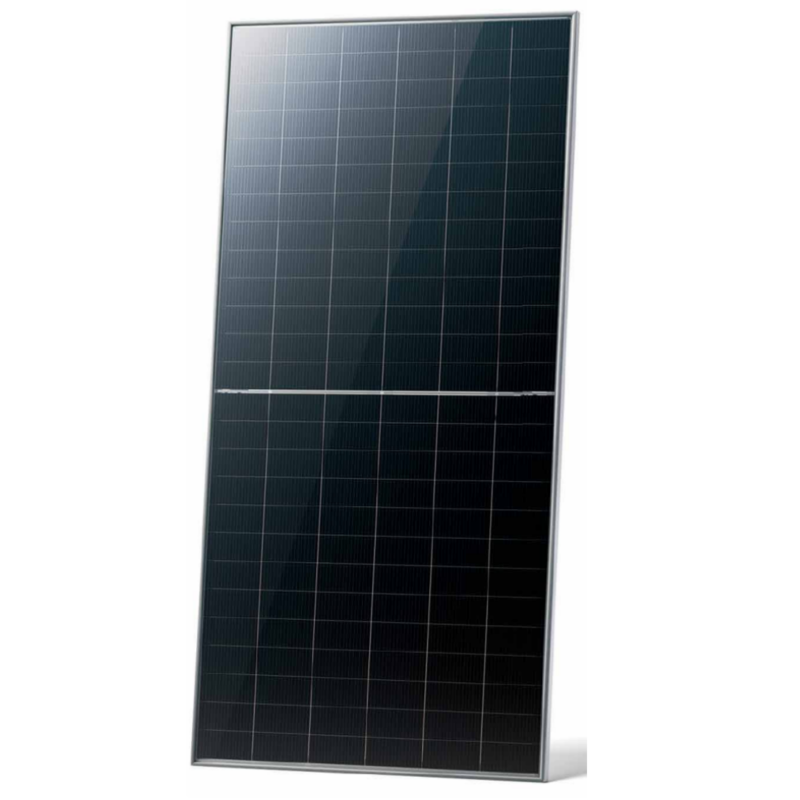
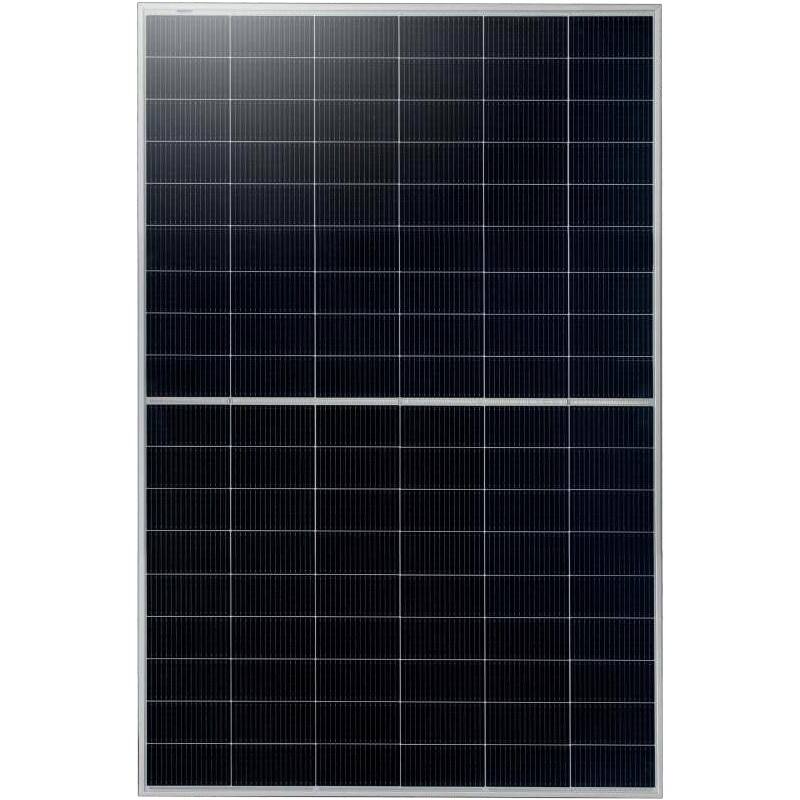
double sided solar panels
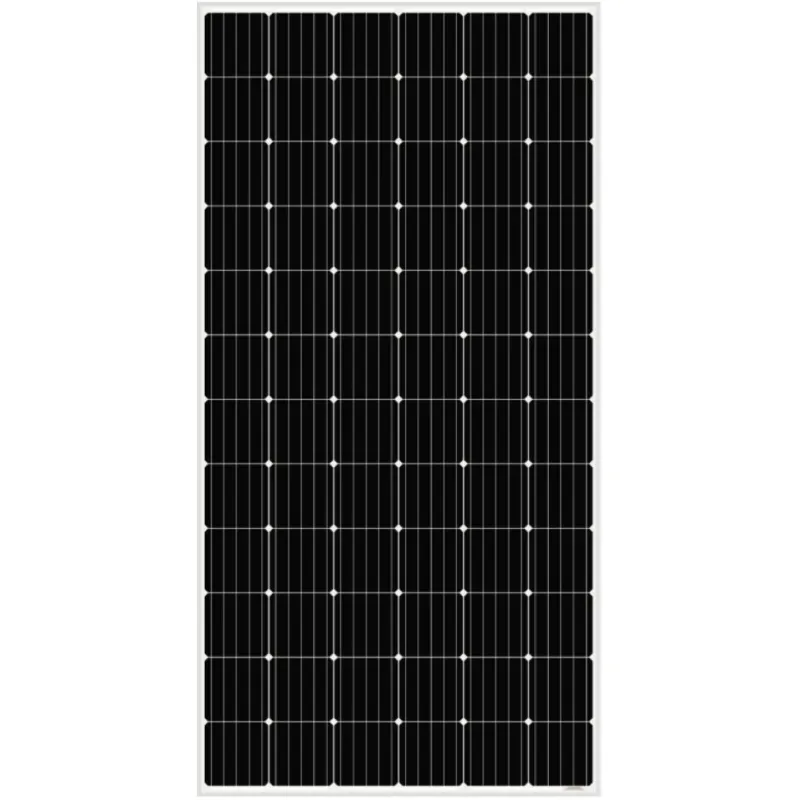
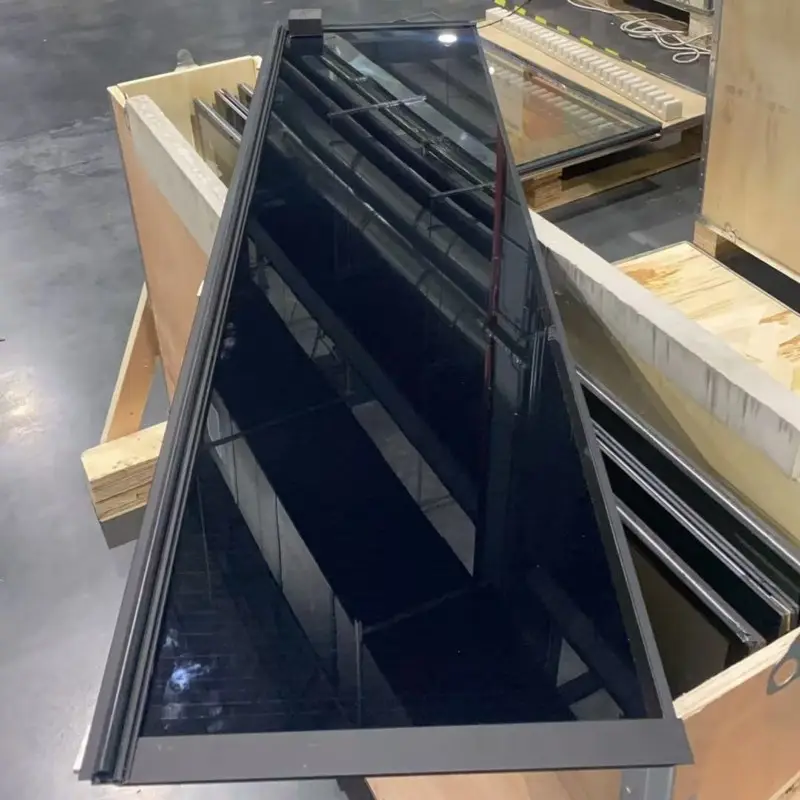
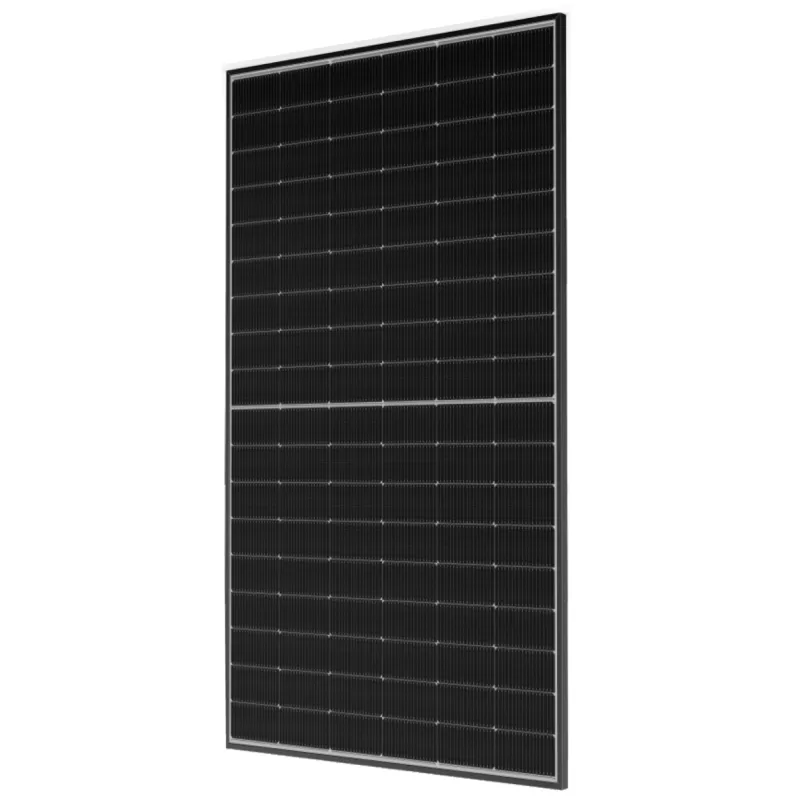
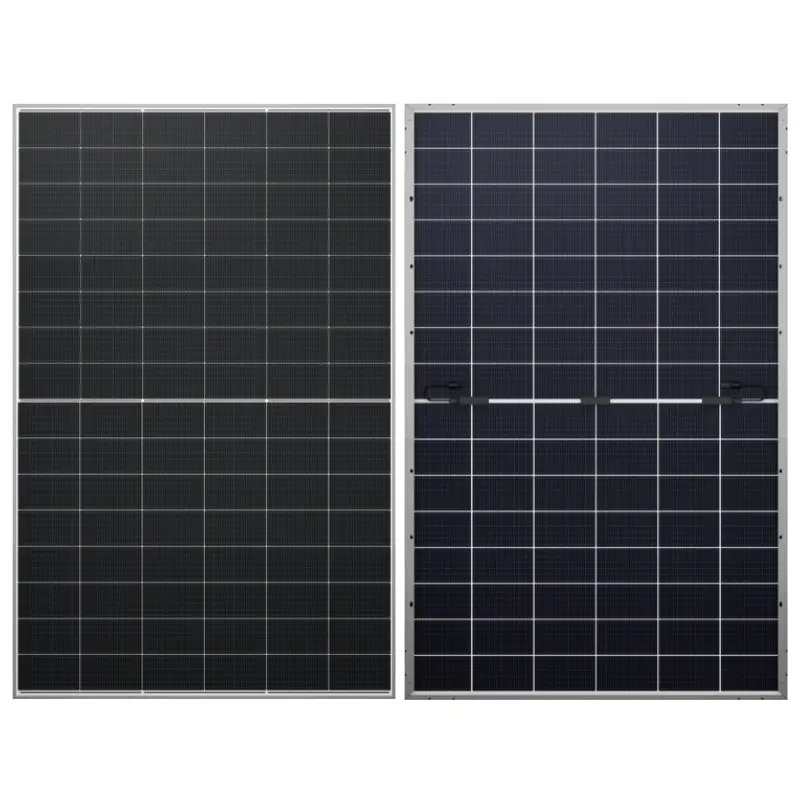
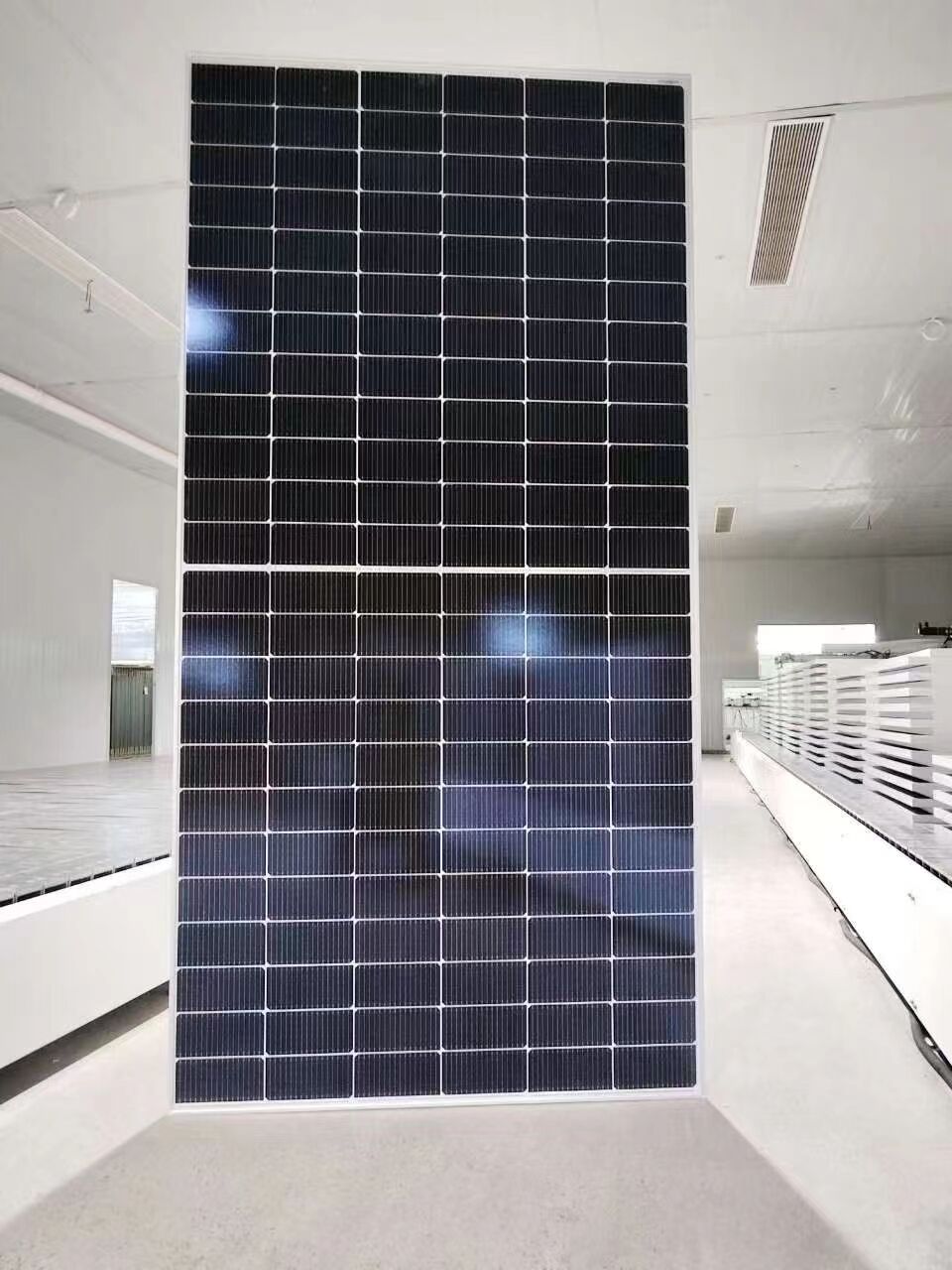
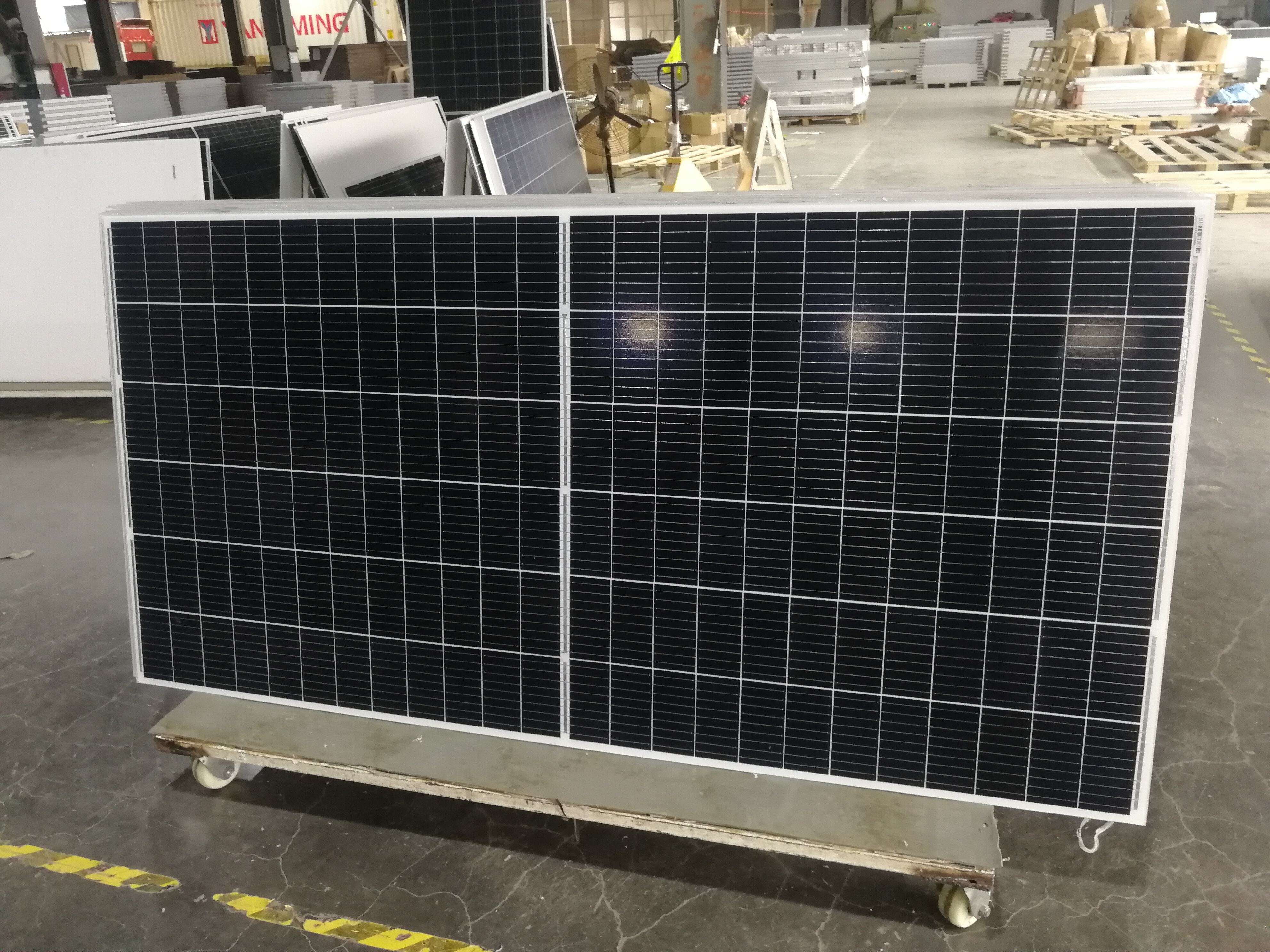
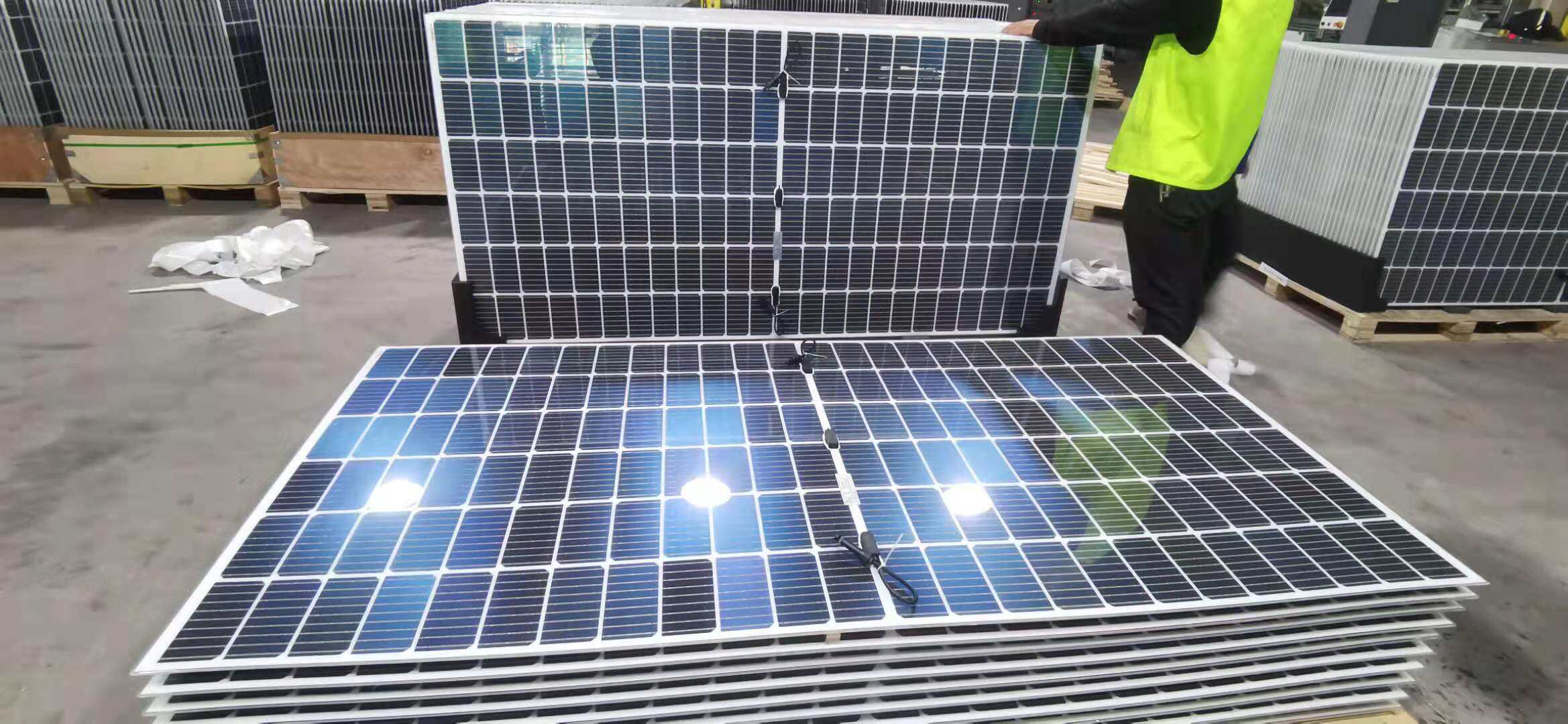
Double sided solar panels represent a revolutionary advancement in photovoltaic technology, offering unprecedented energy generation capabilities that fundamentally transform solar power systems. These innovative panels capture sunlight from both their front and rear surfaces, maximizing energy production throughout the day. Unlike traditional single-sided panels, double sided solar panels utilize bifacial cell technology that enables light absorption from multiple angles and sources. The front surface captures direct sunlight, while the rear surface harnesses reflected and diffused light from surrounding surfaces including ground, snow, water, and nearby structures. This dual-surface design significantly increases the total energy output compared to conventional panels. The technology incorporates specialized photovoltaic cells with transparent backsheets or dual-glass construction, allowing light to penetrate and generate electricity from both directions. Advanced anti-reflective coatings optimize light capture efficiency, while robust weather-resistant materials ensure long-term durability. Double sided solar panels typically feature higher power density ratings and improved temperature coefficients, resulting in superior performance under varying environmental conditions. These panels excel in installations with high albedo surfaces, elevated mounting systems, and areas with significant ambient light reflection. Commercial applications include utility-scale solar farms, rooftop installations, ground-mounted arrays, and specialized projects requiring maximum energy yield per square foot. Residential customers benefit from reduced installation space requirements and faster return on investment. The manufacturing process involves sophisticated cell interconnection techniques and precision assembly methods that maintain electrical integrity across both surfaces. Quality control measures ensure consistent performance standards and reliable long-term operation. Double sided solar panels support various mounting configurations including fixed-tilt, single-axis tracking, and dual-axis tracking systems, providing flexibility for different installation scenarios and geographic locations.


 EN
EN