bifacial solar panel installation
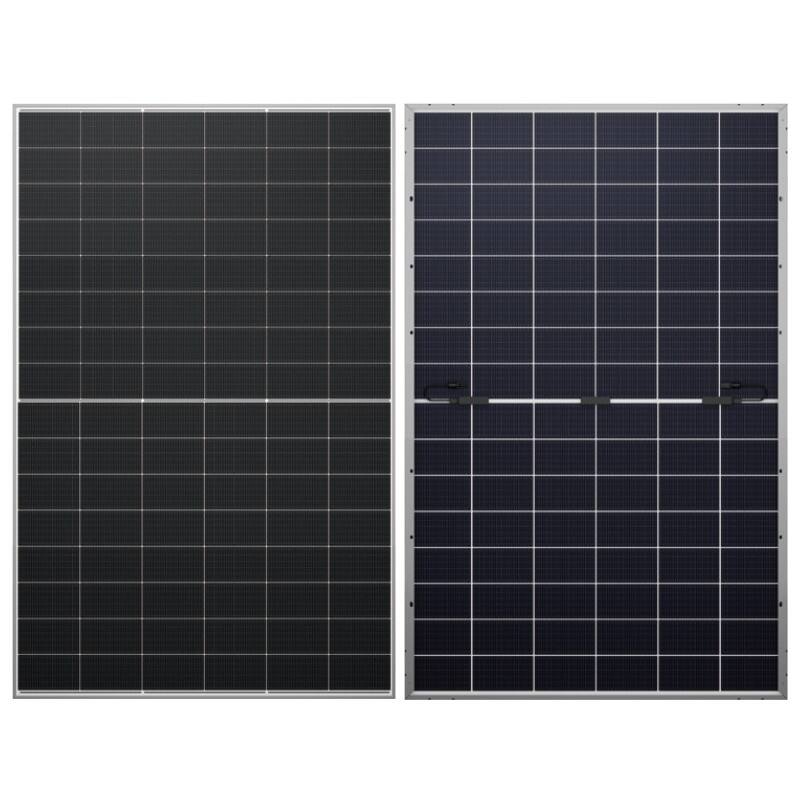
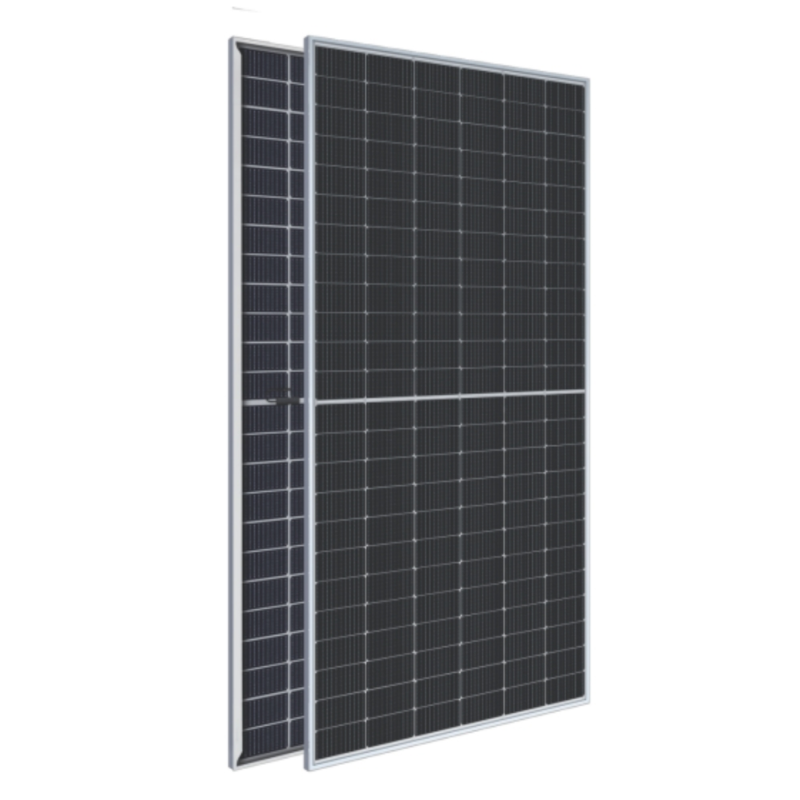
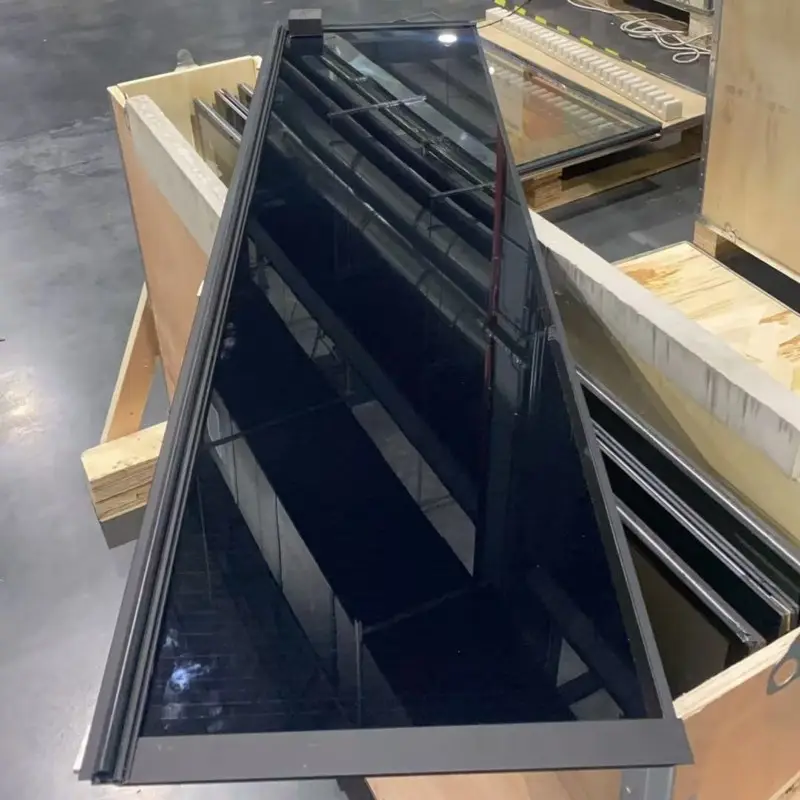
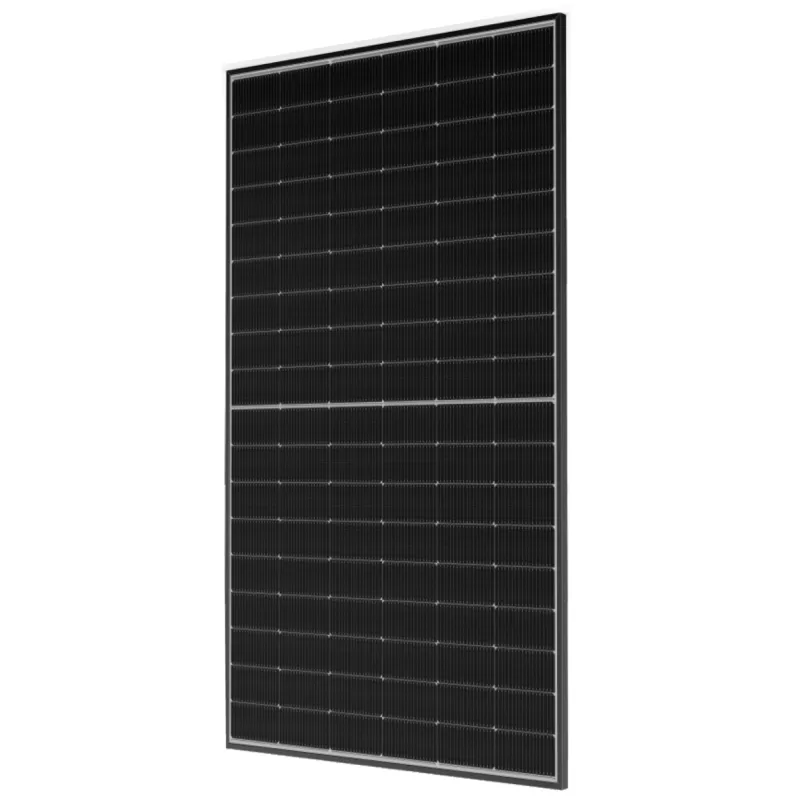
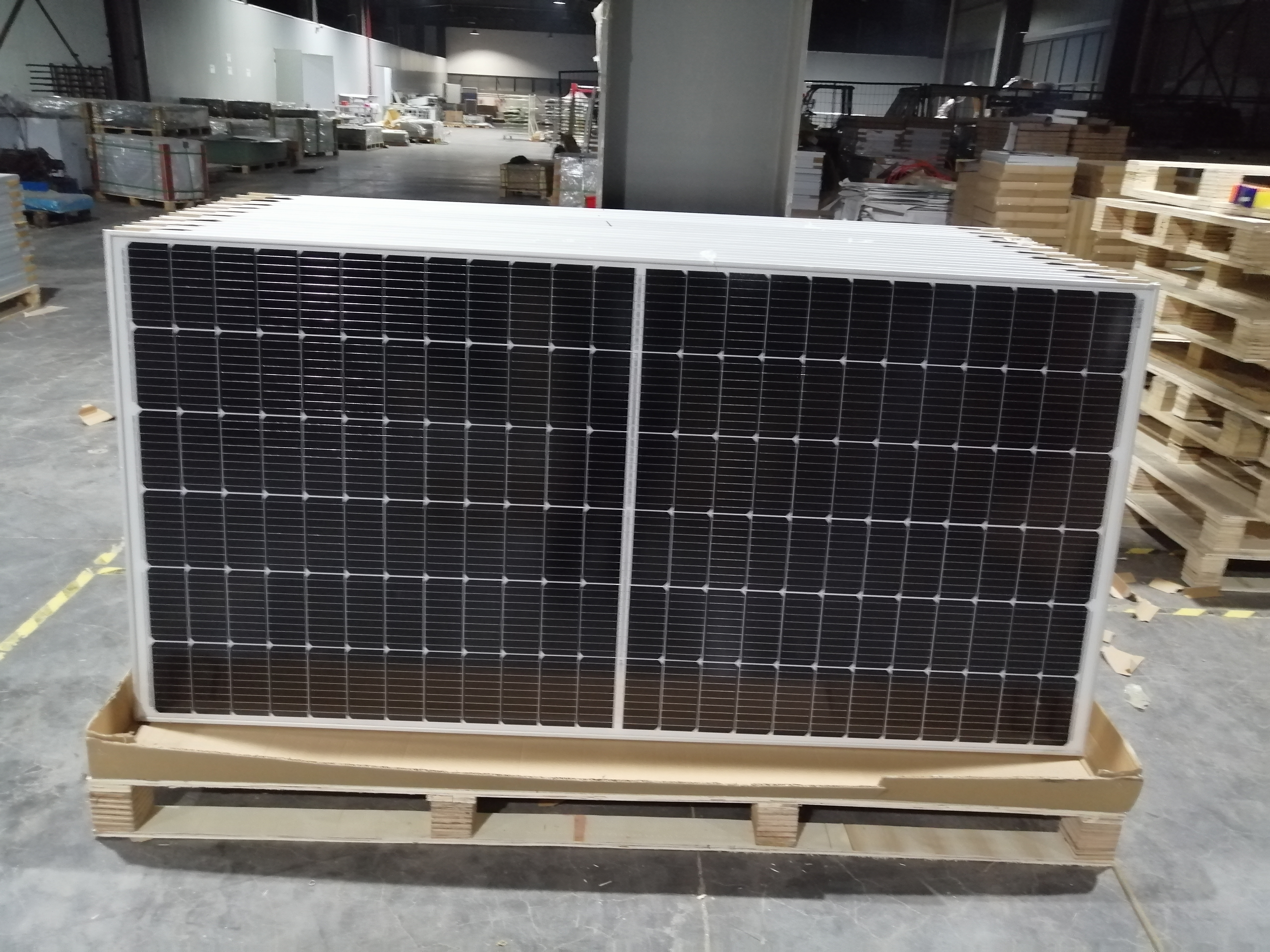
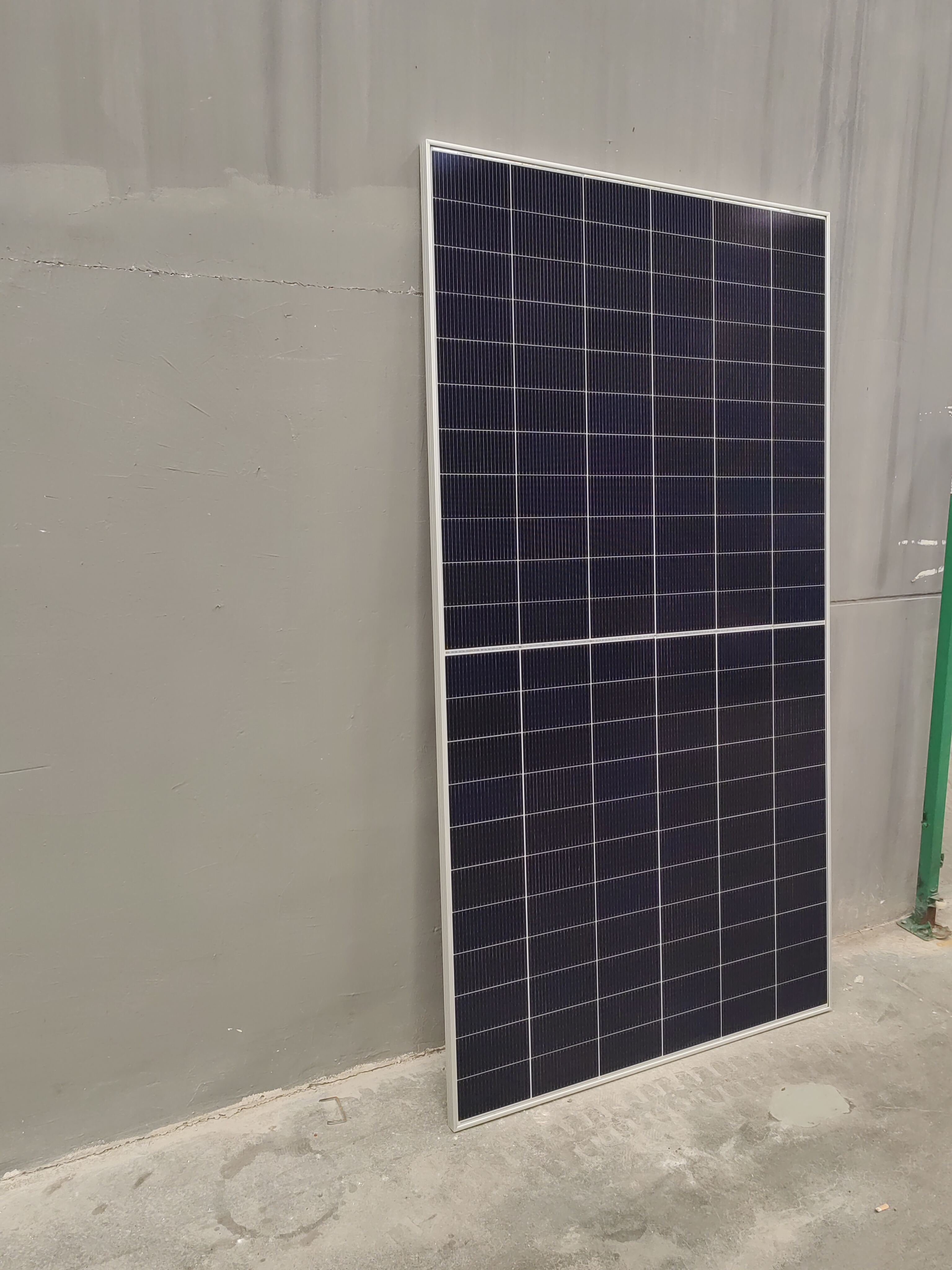
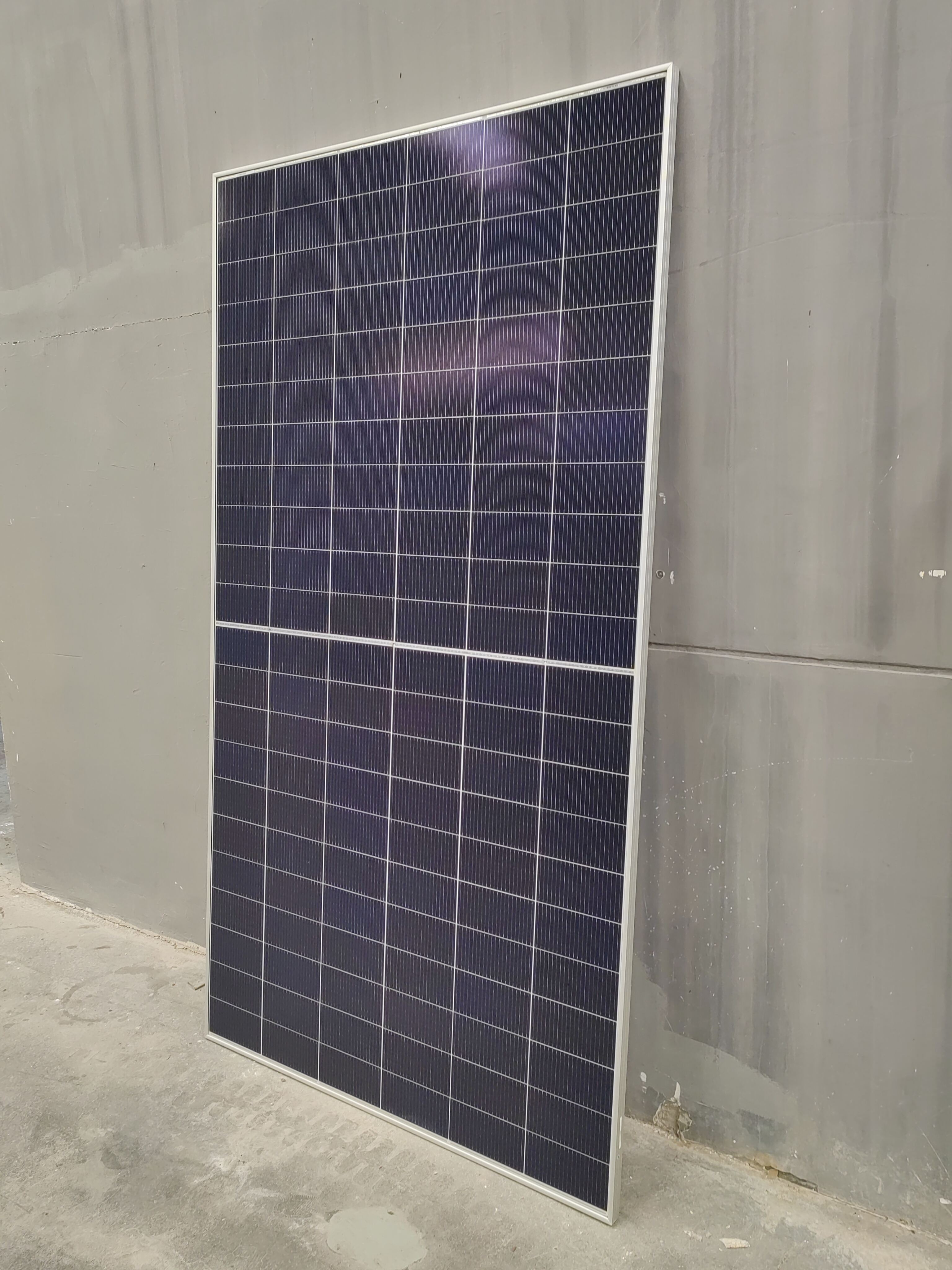
Bifacial solar panel installation represents a revolutionary advancement in photovoltaic technology, offering unprecedented energy generation capabilities through its innovative dual-sided design. Unlike traditional monofacial panels that capture sunlight only from the front surface, bifacial solar panels harness solar energy from both front and rear surfaces simultaneously. This cutting-edge technology incorporates transparent backsheets or glass-on-glass construction, enabling light penetration and reflection capture from various angles and surfaces. The bifacial solar panel installation process involves strategic positioning to maximize albedo reflection from surrounding surfaces such as concrete, sand, snow, or water bodies. These installations typically utilize elevated mounting systems that provide adequate clearance beneath panels, allowing reflected light to reach the rear photovoltaic cells effectively. The technological framework of bifacial solar panel installation includes advanced cell architectures featuring passivated emitter and rear contact designs, which optimize electron collection from both surfaces. Modern installations incorporate sophisticated tracking systems that follow solar movement throughout the day, significantly enhancing energy yield compared to fixed-tilt configurations. The dual-glass construction provides superior durability and weather resistance, making bifacial solar panel installation ideal for harsh environmental conditions. Applications span across utility-scale solar farms, commercial rooftops, ground-mounted residential systems, and agrivoltaic installations where panels share space with agricultural activities. The installation methodology requires careful consideration of ground coverage ratio, tilt angles, and row spacing to minimize inter-row shading while maximizing bifacial gain. Professional bifacial solar panel installation teams utilize specialized equipment and techniques to ensure optimal positioning and secure mounting structures that can withstand wind loads and thermal expansion.



 EN
EN