
 EN
EN
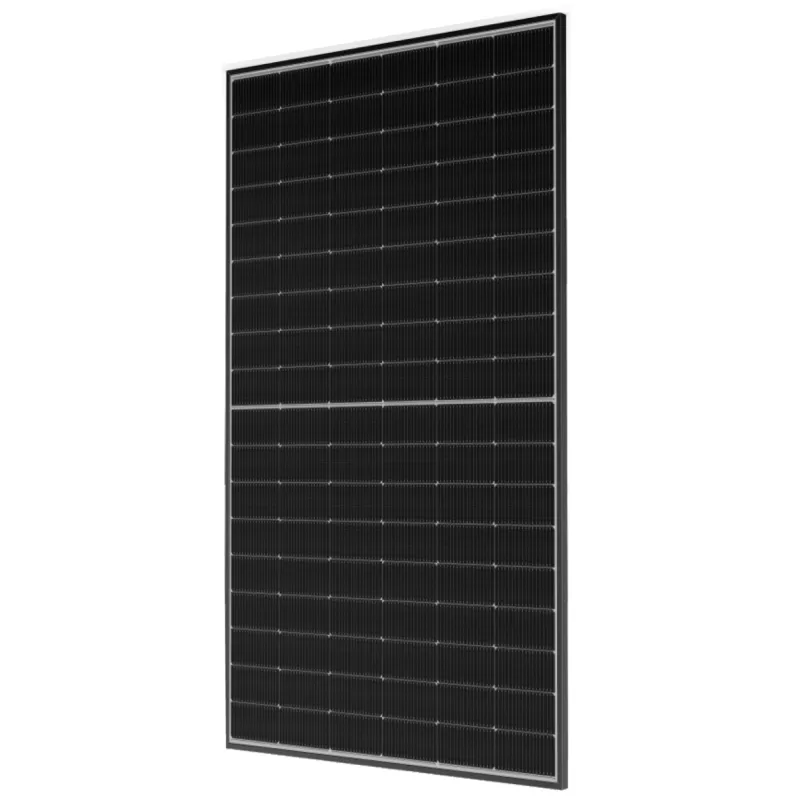
The global solar energy market has witnessed unprecedented growth, with distributors increasingly seeking advanced photovoltaic solutions that deliver superior performance and reliability. Among the various technologies available, half cell solar panels have emerged as the preferred choice for distributors worldwide, offering enhanced efficiency, improved durability, and better return on investment. This revolutionary technology represents a significant advancement in solar panel design, addressing many limitations of traditional full-cell panels while providing distributors with competitive advantages in their respective markets.

Understanding Half Cell Solar Panel Technology
Fundamental Design Principles
Half cell solar panels utilize a cutting-edge design where traditional solar cells are divided into two equal halves, creating twice the number of cells within a single panel. This innovative approach reduces the current flowing through each cell by half while maintaining the same voltage output. The reduced current flow directly translates to lower resistive losses, which is one of the primary reasons why half cell solar panels demonstrate superior energy conversion efficiency compared to conventional full-cell designs.
The manufacturing process involves precision laser cutting of standard solar cells, followed by careful reconnection using advanced soldering techniques. This process requires specialized equipment and expertise, making half cell solar panels a premium product category that appeals to quality-conscious distributors. The resulting panels feature improved power output density, making them particularly attractive for commercial and residential installations where space optimization is crucial.
Advanced Cell Architecture Benefits
The split-cell configuration creates multiple advantages that distributors recognize as valuable selling points. Each half-cell operates independently, reducing the impact of partial shading on overall panel performance. When conventional panels experience shading on even a small portion, the entire panel's output can be significantly affected. However, half cell solar panels maintain higher productivity under these conditions, ensuring better energy yield throughout the day.
Additionally, the reduced mechanical stress on individual cells enhances long-term reliability. The smaller cell size distributes thermal expansion forces more evenly, reducing the likelihood of micro-cracks that can develop over time. This improved durability translates to longer warranty periods and fewer field failures, giving distributors confidence in their product offerings and reducing potential warranty claims.
Performance Advantages Driving Distributor Preference
Enhanced Power Output Characteristics
Distributors consistently report that customers are drawn to the superior power output characteristics of half cell solar panels. These panels typically deliver 5-15 watts higher power output compared to equivalent-sized traditional panels, representing a significant improvement in energy density. This enhanced performance allows installers to achieve higher system capacities within the same roof space, making projects more economically viable for end customers.
The improved power output stems from reduced resistive losses within the panel circuitry. By halving the current while maintaining voltage, the I²R losses are reduced by approximately 75%, translating directly into higher energy production. This mathematical advantage becomes even more pronounced under high irradiance conditions, where conventional panels often experience significant efficiency drops due to resistive heating.
Superior Temperature Performance
Temperature coefficient performance represents another critical advantage that distributors leverage when positioning half cell solar panels in the market. These panels demonstrate better thermal behavior, maintaining higher efficiency levels as operating temperatures increase. The reduced current density within each cell generates less heat, allowing the panels to operate closer to their rated capacity even during peak summer conditions.
Field data consistently shows that half cell solar panels maintain 2-4% higher efficiency at elevated temperatures compared to traditional designs. This advantage is particularly valuable in hot climate regions where distributors serve markets experiencing high ambient temperatures throughout the year. The improved temperature performance translates to higher annual energy yields, making these panels more attractive to commercial customers focused on maximizing their solar investment returns.
Manufacturing Quality and Reliability Standards
Advanced Production Processes
The manufacturing of half cell solar panels requires sophisticated production capabilities that only established manufacturers can provide. Distributors prefer working with suppliers who demonstrate consistent quality control throughout the cell cutting, interconnection, and module assembly processes. The precision required for laser cutting solar cells without introducing defects demands specialized equipment and highly trained technicians, ensuring that each panel meets stringent performance specifications.
Quality manufacturers implement multiple inspection points throughout the production process, utilizing advanced testing equipment to verify electrical characteristics, mechanical integrity, and visual appearance. This comprehensive quality approach results in lower defect rates and more consistent performance across production batches, giving distributors confidence in their inventory quality and reducing the need for extensive incoming inspection procedures.
Extended Warranty Coverage
Leading manufacturers of half cell solar panels typically offer extended warranty periods that exceed industry standards, reflecting their confidence in the technology's long-term reliability. These extended warranties provide distributors with competitive advantages when competing for large-scale projects where warranty terms significantly influence purchasing decisions. The combination of performance warranties extending up to 25 years and product warranties covering manufacturing defects for 12-15 years creates compelling value propositions for end customers.
The extended warranty coverage is supported by extensive accelerated aging tests and field performance data that demonstrate the superior durability of half cell designs. Distributors benefit from reduced warranty claim processing and improved customer satisfaction, as these panels consistently deliver reliable performance throughout their operational lifetime. This reliability factor becomes particularly important when distributors work with large commercial or utility-scale customers who require guaranteed performance over extended periods.
Market Positioning and Competitive Advantages
Premium Product Positioning
Distributors strategically position half cell solar panels as premium products within their portfolios, targeting customers who prioritize performance and quality over initial cost considerations. This positioning allows distributors to maintain healthy profit margins while offering genuine technical advantages that justify premium pricing. The superior efficiency and reliability characteristics provide clear differentiation from commodity solar panel products flooding the market.
The premium positioning is supported by comprehensive technical documentation, performance data, and third-party certifications that validate the technology's advantages. Distributors use this technical credibility to build trust with installers and end customers, establishing themselves as suppliers of high-quality solutions rather than competing solely on price. This approach leads to stronger customer relationships and improved business sustainability.
Installer and Customer Preference Trends
Market research consistently shows growing preference for half cell solar panels among professional installers and informed customers. Installers appreciate the improved performance under real-world conditions, particularly the enhanced shade tolerance and higher power output. These characteristics translate to better system performance and higher customer satisfaction, leading to repeat business and positive referrals for distributors.
Customer awareness of half cell technology benefits continues to increase, driven by improved access to technical information and performance comparisons. Distributors report that customers increasingly request half cell solar panels specifically, viewing them as representing the latest advancement in solar technology. This demand trend creates opportunities for distributors to command premium pricing while building reputation as suppliers of cutting-edge products.
Installation and System Integration Benefits
Simplified Installation Procedures
Professional installers favor half cell solar panels due to their compatibility with standard mounting systems and electrical components. Despite their advanced internal design, these panels maintain the same external dimensions and connection interfaces as traditional panels, ensuring seamless integration with existing installation practices. This compatibility reduces installer training requirements and eliminates the need for specialized mounting hardware or connection procedures.
The consistent physical dimensions and electrical characteristics across different manufacturers of half cell solar panels facilitate standardized installation approaches. Distributors benefit from this standardization by being able to work with multiple supplier relationships while maintaining consistent installation procedures across their service networks. This flexibility provides supply chain security and competitive pricing opportunities through supplier diversification.
System Design Optimization
System designers increasingly specify half cell solar panels for projects where maximizing energy yield within constrained spaces is critical. The higher power density allows designers to achieve target system capacities with fewer panels, reducing balance-of-system costs including mounting hardware, wiring, and labor. These system-level cost savings often offset the premium pricing of half cell panels, creating overall project cost advantages.
The improved performance under partial shading conditions makes half cell solar panels particularly suitable for residential installations where roof obstructions are common. System designers can optimize array layouts without excessive concern about shade impact, leading to more flexible installation options and improved energy production. This design flexibility represents a significant selling point that distributors use to differentiate their offerings from competitors using conventional panel technologies.
Global Market Trends and Distribution Opportunities
Regional Market Adoption Patterns
Global adoption of half cell solar panels varies significantly across different regions, with developed markets showing higher penetration rates due to greater emphasis on performance optimization and quality. European and North American markets demonstrate strong preference for advanced solar technologies, creating opportunities for distributors to establish premium product positioning. Asian markets show rapidly growing adoption as customers become more sophisticated and quality-conscious.
Regional regulatory environments increasingly favor high-efficiency solar technologies through various incentive programs and performance-based requirements. Distributors operating in these markets find that half cell solar panels help customers qualify for enhanced incentive programs or meet specific performance criteria required for commercial projects. This regulatory support creates additional value propositions that distributors leverage to drive sales growth.
Future Technology Integration
The half-cell design serves as a foundation for integrating additional advanced technologies such as PERC (Passivated Emitter and Rear Cell) technology, multi-busbar designs, and advanced anti-reflective coatings. This technological compatibility ensures that half cell solar panels will continue evolving to incorporate future innovations, providing distributors with products that remain competitive as technology advances.
Manufacturers continue investing in research and development to enhance half cell solar panels through improved materials, manufacturing processes, and design optimizations. Distributors benefit from this ongoing innovation by having access to continuously improving products that maintain technological leadership in competitive markets. The combination of proven half-cell benefits with emerging technologies creates compelling product roadmaps that distributors can use for long-term customer relationship building.
FAQ
What makes half cell solar panels more efficient than traditional panels
Half cell solar panels achieve higher efficiency through reduced resistive losses within the panel circuitry. By cutting standard solar cells in half and rewiring the connections, current flow through each cell is reduced by half while maintaining the same voltage output. This reduction in current leads to approximately 75% lower I²R losses, which directly translates to higher power output and improved energy conversion efficiency under real-world operating conditions.
How do half cell solar panels perform under partial shading conditions
Half cell solar panels demonstrate superior performance under partial shading due to their split-cell design and modified electrical architecture. When shading affects a portion of a traditional panel, the entire panel's output can be significantly reduced. However, half cell panels maintain higher productivity because each half operates more independently, allowing unshaded portions to continue generating power at optimal levels even when other sections experience reduced light conditions.
Are half cell solar panels compatible with existing installation systems
Yes, half cell solar panels maintain complete compatibility with standard mounting systems, inverters, and electrical components used in traditional solar installations. Despite their advanced internal design, these panels use the same external dimensions, connection interfaces, and electrical specifications as conventional panels. This compatibility ensures that installers can use existing equipment and procedures without requiring specialized training or modified installation practices.
What warranty coverage do manufacturers typically provide for half cell solar panels
Leading manufacturers of half cell solar panels typically offer extended warranty coverage that exceeds industry standards, with performance warranties extending up to 25 years and product warranties covering manufacturing defects for 12-15 years. These extended warranty periods reflect manufacturer confidence in the technology's enhanced durability and long-term reliability, providing distributors and customers with additional assurance regarding their solar investment protection and expected system performance over time.
Table of Contents
- Understanding Half Cell Solar Panel Technology
- Performance Advantages Driving Distributor Preference
- Manufacturing Quality and Reliability Standards
- Market Positioning and Competitive Advantages
- Installation and System Integration Benefits
- Global Market Trends and Distribution Opportunities
-
FAQ
- What makes half cell solar panels more efficient than traditional panels
- How do half cell solar panels perform under partial shading conditions
- Are half cell solar panels compatible with existing installation systems
- What warranty coverage do manufacturers typically provide for half cell solar panels
