
 EN
EN
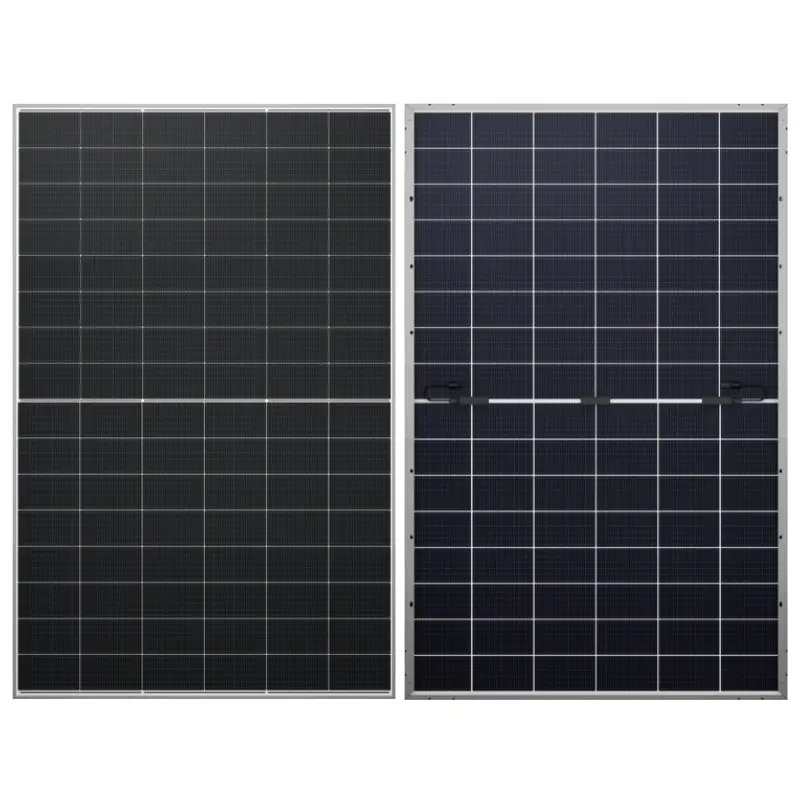
When planning large-scale solar installations, selecting the right half cell solar panel manufacturer becomes a critical decision that can determine the success of your project. With the growing adoption of photovoltaic technology in commercial and industrial applications, understanding the key factors that differentiate reliable manufacturers from average suppliers is essential for procurement managers and project developers.
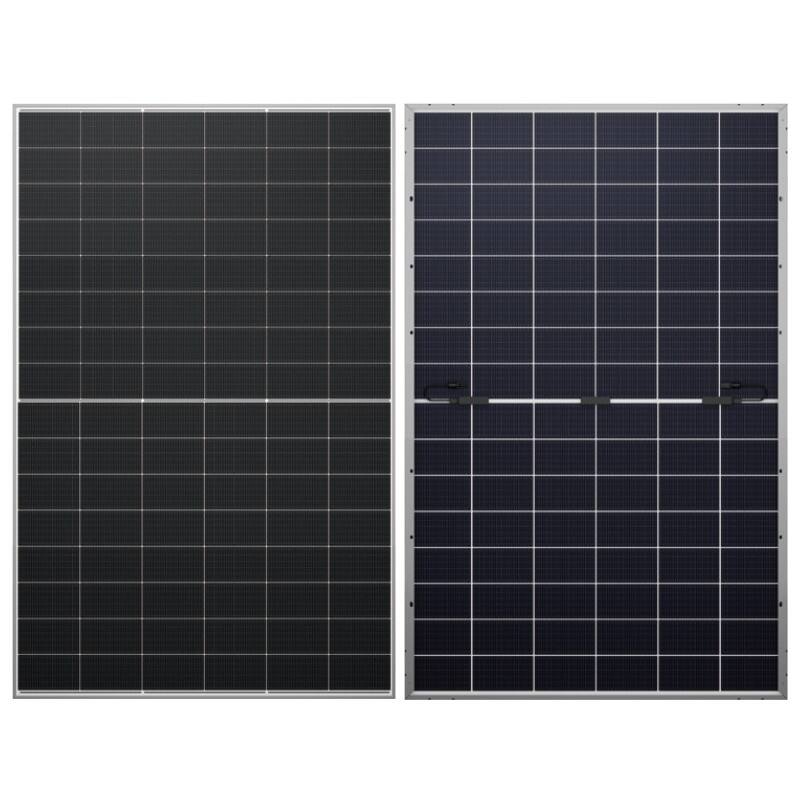
The half cell solar panel technology represents a significant advancement in photovoltaic efficiency, offering improved performance through reduced internal resistance and enhanced durability. These panels split traditional solar cells into smaller segments, creating multiple parallel circuits that minimize power loss from shading and cell mismatch. For bulk orders, this technology provides substantial long-term value through increased energy output and reduced degradation rates compared to conventional full-cell panels.
Evaluating manufacturers for large-scale procurement requires a comprehensive approach that considers technical capabilities, production capacity, quality assurance systems, and financial stability. The decision extends beyond initial pricing considerations to encompass total cost of ownership, warranty provisions, and ongoing support services that ensure project success over the 25-year operational lifespan typical for commercial solar installations.
Manufacturing Capabilities and Technology Assessment
Production Scale and Capacity Evaluation
Assessing a manufacturer's production capacity is fundamental when considering bulk orders for half cell solar panel systems. Leading manufacturers typically operate facilities with annual production capacities exceeding 500 megawatts, ensuring they can fulfill large orders without compromising delivery schedules or quality standards. The ability to scale production while maintaining consistent quality metrics indicates operational maturity and supply chain optimization.
Production line automation levels significantly impact both quality consistency and manufacturing costs for half cell solar panel products. Modern facilities employ advanced robotics and quality control systems that minimize human error while maximizing throughput. Manufacturers with highly automated production lines typically demonstrate superior defect rates below 0.1 percent, which translates to reduced field failures and warranty claims for bulk purchasers.
Geographic distribution of manufacturing facilities affects supply chain resilience and logistics costs for large orders. Manufacturers with multiple production sites can mitigate risks associated with natural disasters, labor disruptions, or regional supply chain constraints. This geographical diversification becomes particularly important when ordering thousands of half cell solar panel units where delivery timing is critical for project schedules.
Technology Innovation and Research Investment
Investment in research and development activities demonstrates a manufacturer's commitment to advancing half cell solar panel technology and maintaining competitive performance levels. Companies allocating significant resources to R&D typically introduce incremental improvements in cell efficiency, module durability, and manufacturing processes that benefit bulk purchasers through enhanced long-term performance.
Patent portfolios and intellectual property positions indicate technological leadership and innovation capabilities within the half cell solar panel manufacturing sector. Manufacturers holding numerous patents in cell design, interconnection methods, and module construction techniques often provide superior products with unique performance characteristics that justify premium pricing for large-scale installations.
Collaboration with research institutions and participation in industry development programs signal a manufacturer's commitment to advancing photovoltaic technology. These partnerships often result in breakthrough innovations in half cell solar panel design and manufacturing processes that translate to improved performance and reliability for end users purchasing in bulk quantities.
Quality Assurance and Certification Standards
International Certification Compliance
Comprehensive certification compliance serves as a fundamental indicator of manufacturer reliability and product quality for half cell solar panel procurement. International standards such as IEC 61215 and IEC 61730 establish minimum performance and safety requirements that reputable manufacturers consistently exceed through rigorous testing protocols. These certifications provide assurance that bulk orders will meet regulatory requirements across diverse global markets.
Testing facility capabilities and accreditation status reflect a manufacturer's commitment to quality assurance throughout the production process. In-house testing laboratories with international accreditation enable continuous monitoring of half cell solar panel performance parameters, ensuring consistent quality across large production runs. Independent third-party verification adds credibility to manufacturer claims and provides additional confidence for bulk purchasers.
Regional certification requirements vary significantly across global markets, making manufacturer compliance with multiple standards essential for international projects. Companies maintaining certifications from agencies such as TUV, UL, and JET demonstrate the operational sophistication necessary to serve diverse markets while ensuring consistent product quality for half cell solar panel installations worldwide.
Quality Control Systems and Processes
Statistical process control implementation throughout manufacturing operations indicates systematic quality management that reduces variability in half cell solar panel performance characteristics. Manufacturers employing Six Sigma methodologies and lean manufacturing principles typically achieve superior quality metrics while optimizing production costs, benefits that translate to improved value for bulk purchasers.
Incoming material inspection procedures and supplier qualification programs ensure consistent component quality that directly impacts final product performance. Rigorous screening of silicon wafers, encapsulants, and other critical materials minimizes defects that could affect the long-term reliability of half cell solar panel installations, particularly important for large-scale projects where even small failure rates can impact overall system performance.
Final product testing protocols and performance validation procedures provide quality assurance that extends beyond basic certification requirements. Advanced testing including thermal cycling, humidity exposure, and mechanical stress evaluation ensures that half cell solar panel products will withstand real-world installation conditions over their expected operational lifespan.
Financial Stability and Business Continuity
Financial Health Assessment
Evaluating manufacturer financial stability becomes critical when placing large orders for half cell solar panel systems, as production and delivery timelines often extend several months. Companies with strong balance sheets, positive cash flow, and diversified revenue streams provide greater assurance of order fulfillment and ongoing warranty support throughout the project lifecycle.
Credit ratings and financial transparency indicate business stability and risk management capabilities essential for large-scale procurement decisions. Manufacturers with investment-grade credit ratings and audited financial statements demonstrate operational maturity and reduced counterparty risk for buyers investing millions in half cell solar panel systems.
Supply chain financing capabilities and working capital management affect a manufacturer's ability to procure materials and maintain production schedules for large orders. Companies with established banking relationships and adequate credit facilities can better manage the cash flow requirements associated with bulk half cell solar panel production and delivery.
Market Position and Industry Reputation
Market share data and industry rankings provide insight into manufacturer competitiveness and customer acceptance within the half cell solar panel sector. Leading companies typically maintain consistent market positions through superior product performance, competitive pricing, and reliable customer service that benefits bulk purchasers through proven track records.
Customer references and project case studies demonstrate real-world performance of half cell solar panel products across diverse applications and geographic regions. Manufacturers with extensive reference lists and documented project successes provide greater confidence for bulk purchasers evaluating supplier options for large-scale installations.
Industry partnerships and strategic alliances indicate market positioning and business stability that affect long-term support capabilities. Companies with strong relationships throughout the solar value chain typically provide better integration support and technical assistance for complex projects requiring significant quantities of half cell solar panel systems.
Technical Support and Service Capabilities
Engineering Support Services
Technical support capabilities significantly impact project success when implementing large-scale half cell solar panel installations. Manufacturers providing comprehensive engineering services including system design assistance, performance modeling, and installation guidance help ensure optimal project outcomes while reducing implementation risks for bulk purchasers.
Application engineering expertise specific to half cell solar panel technology enables manufacturers to provide valuable guidance on system optimization, mounting considerations, and electrical design parameters. This technical support becomes particularly valuable for large projects where performance optimization can significantly impact long-term energy production and financial returns.
Training programs and technical documentation support successful project implementation and ongoing system maintenance. Manufacturers offering comprehensive training materials, installation guidelines, and troubleshooting resources help ensure proper handling and installation of half cell solar panel systems, reducing the risk of performance issues or warranty claims.
Warranty and After-Sales Support
Warranty terms and conditions directly impact the total cost of ownership for large half cell solar panel installations. Leading manufacturers typically offer comprehensive warranties covering both product defects and performance guarantees, with terms extending 25 years for power output warranties and 10-15 years for product warranties, providing long-term financial protection for bulk purchasers.
Claims processing procedures and response times affect the practical value of manufacturer warranties for half cell solar panel systems. Companies with streamlined claims processes, rapid response times, and field service capabilities provide superior support that minimizes downtime and financial impact when warranty issues arise in large installations.
Global service network coverage ensures accessible support regardless of project location for international half cell solar panel deployments. Manufacturers with established service networks and local support capabilities provide better long-term value through reduced service costs and improved response times for maintenance and warranty issues.
Cost Considerations and Value Analysis
Pricing Structure and Volume Discounts
Understanding manufacturer pricing structures and volume discount policies enables optimal procurement strategies for large half cell solar panel orders. Leading suppliers typically offer tiered pricing based on order quantities, with significant discounts available for purchases exceeding specific volume thresholds, making bulk procurement financially attractive for large-scale projects.
Total cost of ownership calculations must consider factors beyond initial purchase price when evaluating half cell solar panel suppliers. Variables including shipping costs, warranty provisions, expected performance levels, and degradation rates significantly impact long-term project economics and should be weighted appropriately in supplier selection decisions.
Payment terms and financing options affect cash flow management for large projects requiring significant capital investment in half cell solar panel systems. Manufacturers offering flexible payment schedules, progress payments, or financing assistance can provide substantial value for buyers managing complex project budgets and cash flow requirements.
Performance and Efficiency Metrics
Efficiency ratings and performance characteristics directly impact energy production and revenue generation for commercial half cell solar panel installations. Higher efficiency modules typically command premium pricing but can provide superior value through increased energy density and reduced balance-of-system costs, particularly important for space-constrained installations.
Temperature coefficients and low-light performance characteristics affect actual energy production in real-world conditions, making these specifications critical for evaluating half cell solar panel options. Modules with superior temperature coefficients and low-light response typically generate more energy over their operational lifetime, justifying higher initial costs through improved financial returns.
Degradation rates and long-term performance stability impact the lifetime value proposition for half cell solar panel investments. Manufacturers providing detailed degradation data and performance guarantees enable accurate financial modeling and risk assessment for long-term energy production projections in large-scale installations.
FAQ
What minimum production capacity should I look for in a half cell solar panel manufacturer for bulk orders?
For bulk orders, seek manufacturers with annual production capacities exceeding 500 megawatts and established track records of fulfilling large contracts. This capacity level ensures they can handle significant orders without compromising quality or delivery schedules. Additionally, evaluate their current order backlog and production allocation to ensure adequate capacity for your project timeline.
How important are international certifications when selecting a half cell solar panel manufacturer?
International certifications are essential for ensuring product quality and regulatory compliance across global markets. Look for manufacturers with IEC 61215, IEC 61730, and relevant regional certifications such as UL listing for North American projects. These certifications indicate adherence to rigorous testing standards and provide assurance of product reliability for large-scale installations.
What financial stability indicators should I evaluate before placing large orders?
Assess manufacturer credit ratings, audited financial statements, and market position to evaluate financial stability. Companies with investment-grade ratings, positive cash flow, and diversified revenue streams present lower risks for large orders. Additionally, consider their supply chain financing capabilities and working capital management to ensure they can fulfill large contracts without financial strain.
How do warranty terms differ among half cell solar panel manufacturers for bulk purchases?
Warranty terms vary significantly among manufacturers, with leading companies typically offering 25-year power output warranties and 10-15 year product warranties. For bulk purchases, negotiate enhanced warranty terms, expedited claims processing, and clear performance guarantees. Evaluate the manufacturer's claims processing history and global service network to ensure practical warranty support throughout the project lifecycle.
Table of Contents
- Manufacturing Capabilities and Technology Assessment
- Quality Assurance and Certification Standards
- Financial Stability and Business Continuity
- Technical Support and Service Capabilities
- Cost Considerations and Value Analysis
-
FAQ
- What minimum production capacity should I look for in a half cell solar panel manufacturer for bulk orders?
- How important are international certifications when selecting a half cell solar panel manufacturer?
- What financial stability indicators should I evaluate before placing large orders?
- How do warranty terms differ among half cell solar panel manufacturers for bulk purchases?
