
 EN
EN
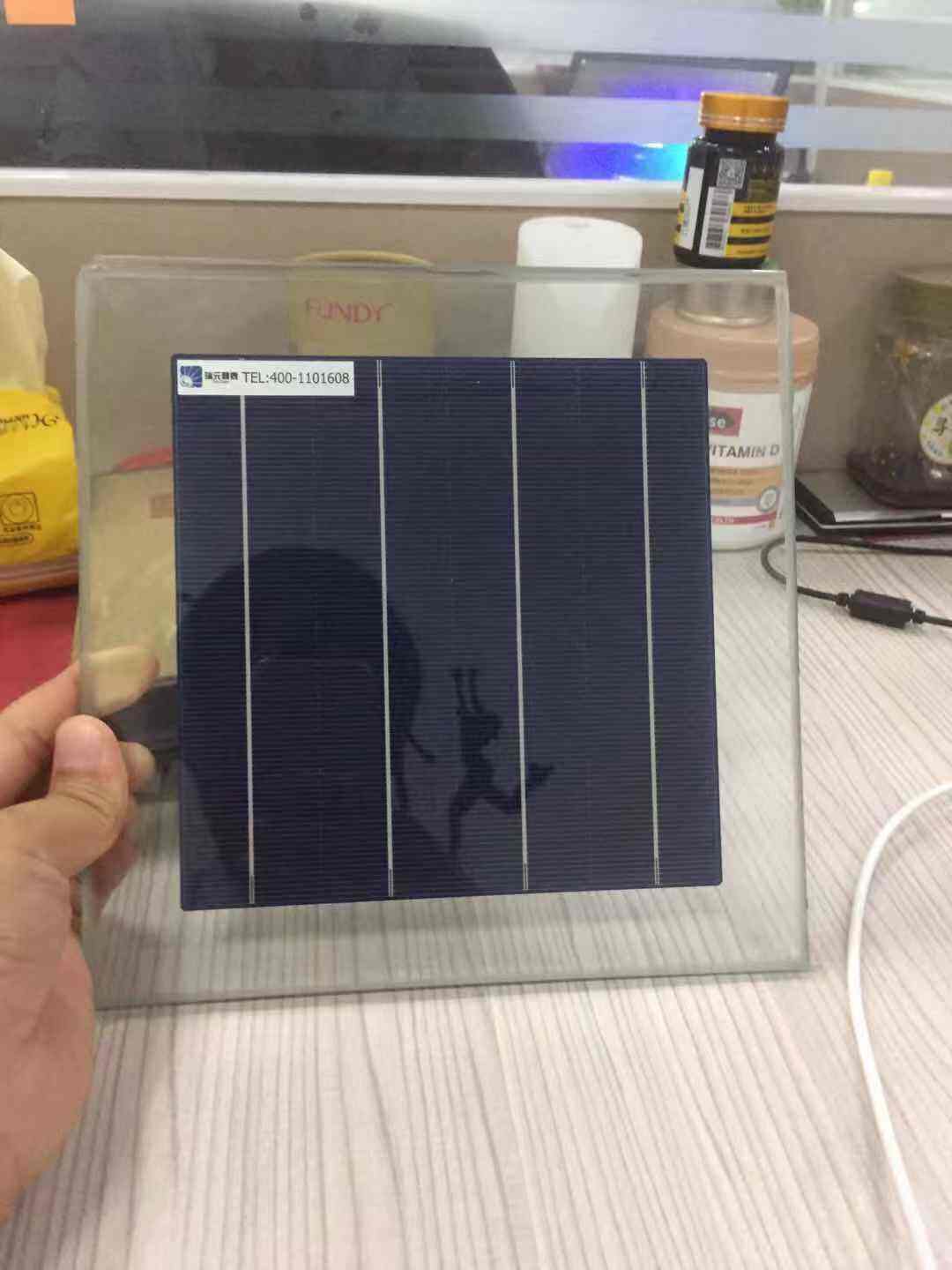
Solar energy technology continues to evolve rapidly, with manufacturers constantly seeking ways to improve efficiency and reduce energy losses in photovoltaic systems. Among the most significant innovations in recent years is the development of half cell solar panel technology, which represents a fundamental shift in how solar cells are designed and interconnected. This advanced technology addresses one of the most persistent challenges in solar energy generation: internal power loss that occurs within traditional solar panels during daily operation. Understanding how a half cell solar panel achieves superior performance requires examining the intricate engineering principles that govern photovoltaic cell behavior and the innovative solutions that manufacturers have implemented to overcome traditional limitations.

Understanding Internal Power Loss in Traditional Solar Panels
Resistive Losses and Current Flow Dynamics
Traditional solar panels experience significant internal power losses due to resistive heating that occurs when electrical current flows through the photovoltaic cells and interconnecting circuits. These losses are particularly pronounced during peak sunlight hours when panels generate maximum current, creating substantial heat buildup that reduces overall system efficiency. The relationship between current flow and resistive loss follows Ohm's law, where power loss increases exponentially with current magnitude, making current reduction a critical factor in improving panel performance.
In conventional full-cell designs, each solar cell typically measures 156mm x 156mm and generates substantial current that must travel through relatively long pathways within the cell structure. This extended current path creates multiple opportunities for resistive losses to accumulate, particularly in the metal gridlines and busbars that collect and transport electrical energy from the photovoltaic material. The cumulative effect of these losses can reduce panel efficiency by several percentage points, representing significant energy loss over the panel's operational lifetime.
Temperature Effects on Solar Panel Performance
Heat generation from internal power losses creates a cascading effect that further reduces solar panel performance through temperature-dependent efficiency degradation. As panel temperature increases above standard test conditions, the voltage output of photovoltaic cells decreases predictably, typically losing approximately 0.4% efficiency per degree Celsius of temperature rise. This thermal coefficient becomes particularly problematic in hot climates or during summer months when ambient temperatures are already elevated.
The localized heating caused by resistive losses can create hot spots within solar panels, leading to uneven temperature distribution and potential long-term reliability issues. These thermal gradients stress the photovoltaic materials and interconnections, potentially causing premature degradation or failure of individual cells within the panel assembly. Managing heat generation through improved electrical design becomes essential for maintaining optimal performance and ensuring long-term system reliability.
Half Cell Technology Architecture and Design Principles
Cell Division and Current Reduction Strategy
The fundamental innovation behind half cell solar panel technology involves physically dividing standard photovoltaic cells into two equal halves, typically measuring 78mm x 156mm each. This division immediately reduces the current generated by each cell section by approximately half, since current is proportional to the active cell area while voltage remains relatively constant. The resulting current reduction has a dramatic impact on resistive power losses, which decrease by approximately 75% according to the power loss equation P = I²R.
Implementing the cell division strategy requires sophisticated manufacturing processes to ensure clean cuts and proper edge treatment of the divided cells. Laser cutting technology enables precise separation while minimizing material waste and maintaining the integrity of the photovoltaic junction. The divided cells must then be interconnected using advanced soldering techniques that maintain electrical continuity while accommodating the increased number of individual cell segments within each panel assembly.
Advanced Interconnection Methods
Half cell solar panel designs employ innovative interconnection schemes that optimize current flow and minimize resistive losses throughout the panel structure. Multi-busbar technology, often featuring 9 or 12 parallel conductors per cell half, distributes current collection across multiple pathways, reducing the current density in any single conductor. This distributed approach significantly lowers resistive heating while providing redundancy that improves overall system reliability and performance consistency.
The interconnection pattern in a half cell solar panel typically employs series-parallel configurations that optimize voltage and current characteristics for improved power output. Advanced ribbon materials with enhanced conductivity and corrosion resistance ensure long-term performance while accommodating the thermal expansion and contraction cycles that panels experience during daily operation. These interconnection improvements contribute substantially to the overall efficiency gains achieved through half cell technology implementation.
Quantifying Power Loss Reduction in Daily Operations
Mathematical Analysis of Efficiency Improvements
The power loss reduction achieved by half cell solar panel technology can be quantified through detailed mathematical analysis of the electrical characteristics and thermal behavior. When current is reduced by half through cell division, the resistive power loss decreases by a factor of four, since power loss follows the relationship P = I²R. This dramatic reduction translates to measurable improvements in daily energy production, particularly during peak sunlight hours when traditional panels experience maximum resistive losses.
Field measurements demonstrate that half cell solar panel installations typically achieve 5-10% higher energy yields compared to equivalent traditional panels under identical operating conditions. This improvement compounds over daily, monthly, and annual timeframes, resulting in substantial increases in total energy production throughout the system's operational lifetime. The enhanced performance becomes particularly pronounced in high-irradiance environments where traditional panels struggle with excessive heat buildup and associated efficiency degradation.
Real-World Performance Monitoring Results
Comprehensive performance monitoring studies conducted across various geographic locations and climate conditions consistently demonstrate the superior daily energy production of half cell solar panel installations. Data collected from utility-scale installations shows that half cell technology maintains higher efficiency throughout daily irradiance cycles, with particularly notable improvements during afternoon hours when panel temperatures typically peak. These real-world results validate the theoretical predictions and demonstrate tangible benefits for system owners and operators.
Long-term monitoring data reveals that the power loss reduction benefits of half cell solar panel technology remain consistent over extended operational periods, indicating excellent durability and reliability of the advanced cell interconnection systems. Performance ratios measured over multi-year periods show sustained efficiency advantages, confirming that the initial investment in half cell technology provides lasting returns through reduced internal power losses and improved energy harvesting capabilities.
Thermal Management and Hot Spot Mitigation
Distributed Heat Generation Patterns
The reduced current flow in half cell solar panel designs creates fundamentally different heat generation patterns compared to traditional full-cell configurations. Lower current density throughout the cell structure results in more uniform temperature distribution and significantly reduced peak temperatures during high-irradiance conditions. This improved thermal behavior contributes directly to better electrical performance and enhanced long-term reliability of the photovoltaic system.
Advanced thermal modeling demonstrates that half cell solar panel technology can reduce maximum cell temperatures by 10-15°C compared to equivalent traditional panels operating under identical conditions. This temperature reduction translates to improved voltage stability and higher power output, particularly during hot weather conditions when traditional panels experience substantial thermal derating. The thermal benefits compound the electrical efficiency improvements, creating synergistic effects that maximize overall system performance.
Enhanced Reliability Through Reduced Thermal Stress
Lower operating temperatures and reduced thermal gradients in half cell solar panel installations contribute to enhanced long-term reliability and extended operational lifetimes. Thermal cycling stress, which can cause solder joint fatigue and interconnection failures in traditional panels, is significantly reduced through the improved heat management characteristics of half cell designs. This reliability improvement translates to lower maintenance costs and higher system availability throughout the installation's operational period.
The distributed nature of heat generation in half cell solar panel configurations also reduces the likelihood of catastrophic hot spot formation, which can cause permanent damage to photovoltaic cells and create safety hazards. Bypass diode integration within half cell designs provides additional protection against reverse bias conditions that could otherwise lead to destructive heating. These reliability enhancements provide substantial value for both residential and commercial solar installations seeking maximum return on investment.
Manufacturing and Quality Control Considerations
Advanced Production Techniques
Manufacturing half cell solar panel products requires sophisticated production equipment and stringent quality control processes to ensure optimal performance and reliability. Precision laser cutting systems must maintain tight tolerances while creating clean, uniform edges on the divided photovoltaic cells. Advanced automation systems handle the increased complexity of managing twice the number of individual cell segments while maintaining production efficiency and quality consistency.
Quality control protocols for half cell solar panel manufacturing include extensive electrical testing to verify proper current sharing between cell halves and optimal interconnection resistance. Thermal imaging inspections identify potential hot spots or uneven heating patterns that could indicate manufacturing defects or assembly issues. These comprehensive quality assurance processes ensure that each half cell solar panel meets strict performance specifications and reliability standards required for long-term field operation.
Cost-Benefit Analysis and Market Adoption
Despite the increased manufacturing complexity associated with half cell solar panel production, economies of scale and improved manufacturing processes have made this technology increasingly cost-competitive with traditional panel designs. The higher initial manufacturing costs are typically offset by the improved energy yield and reduced system costs achieved through enhanced performance characteristics. Market adoption has accelerated rapidly as system designers recognize the substantial benefits of reduced internal power losses.
Industry analysis indicates that half cell solar panel technology has achieved mainstream acceptance across residential, commercial, and utility-scale market segments. The technology's proven performance benefits and improving cost competitiveness have driven widespread adoption among leading solar panel manufacturers. This market momentum continues to drive further innovations and cost reductions that make half cell technology an increasingly attractive option for new solar installations.
FAQ
How much more efficient are half cell solar panels compared to traditional panels?
Half cell solar panels typically achieve 5-10% higher energy yields compared to traditional full-cell panels due to reduced internal power losses and improved thermal management. The efficiency improvement varies based on operating conditions, with greater benefits observed in high-temperature environments where traditional panels experience significant thermal derating. Real-world performance monitoring consistently demonstrates measurable improvements in daily energy production throughout various seasonal and weather conditions.
Do half cell solar panels cost significantly more than traditional panels?
While half cell solar panels initially commanded premium pricing due to manufacturing complexity, competitive market forces and production scale improvements have narrowed the cost differential substantially. Current pricing typically reflects only modest premiums over traditional panels, often offset by improved energy production and system-level cost benefits. The total cost of ownership frequently favors half cell technology when considering long-term energy yield improvements and enhanced reliability characteristics.
Are half cell solar panels more reliable than traditional solar panels?
Half cell solar panel designs generally demonstrate superior reliability due to reduced thermal stress, lower operating temperatures, and distributed current flow patterns that minimize hot spot formation. The reduced current density throughout the panel structure decreases stress on interconnections and soldering joints, potentially extending operational lifetime and reducing maintenance requirements. Field experience and accelerated testing protocols indicate excellent long-term durability and performance retention for half cell technology implementations.
Can existing solar installations be upgraded to half cell technology?
Upgrading existing solar installations to half cell solar panel technology typically requires complete panel replacement rather than retrofitting, since the technology involves fundamental changes to cell architecture and interconnection schemes. However, system components such as inverters, mounting structures, and electrical infrastructure may be compatible with half cell panels, potentially reducing overall upgrade costs. Installation planning should consider electrical compatibility and mounting requirements specific to the selected half cell panel products and existing system configuration.
