
 EN
EN
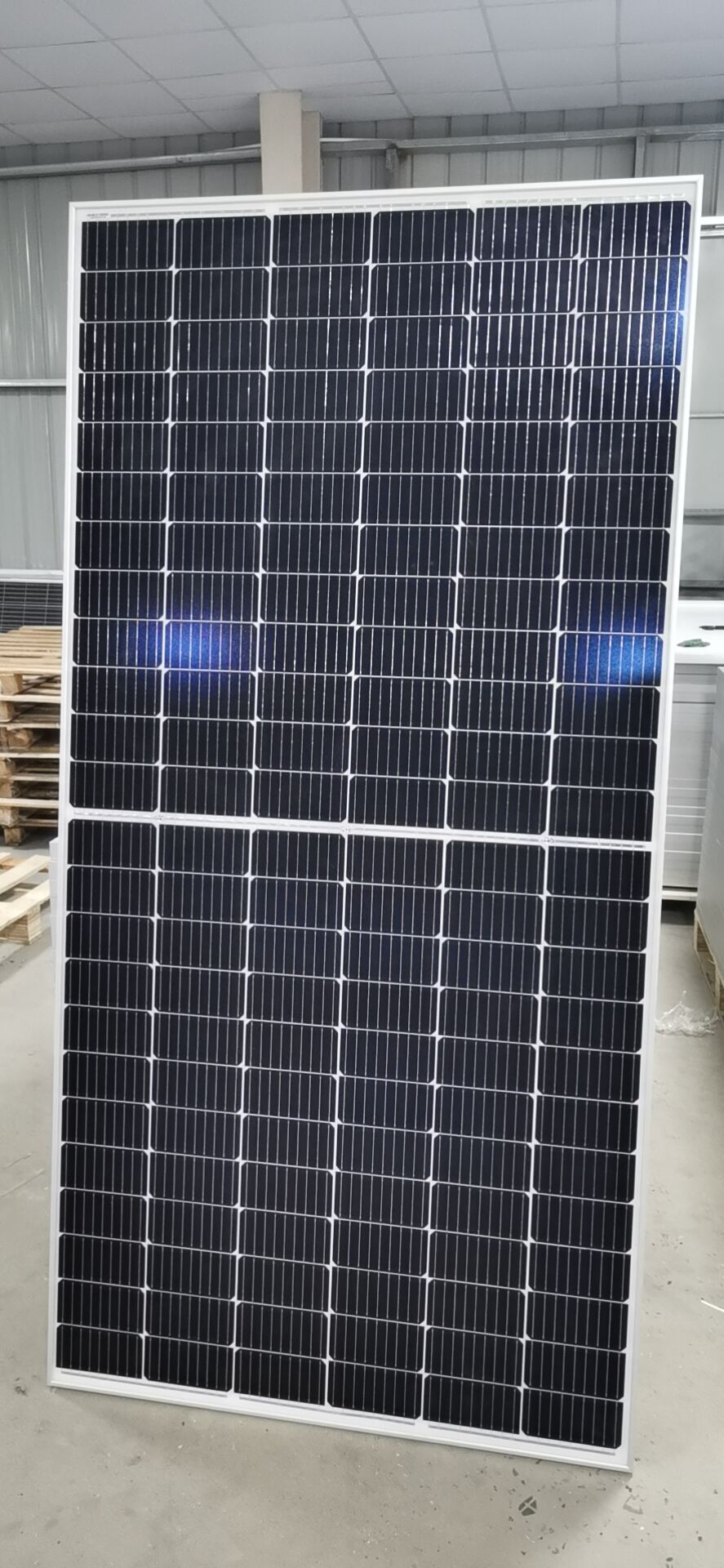
Half cell solar panels represent a significant advancement in photovoltaic technology, offering enhanced performance characteristics that address one of the most persistent challenges in solar energy systems: shading losses. These innovative panels utilize cells that are physically cut in half, creating a unique architecture that fundamentally changes how solar installations respond to partial shading conditions. The design modifications in half cell solar panels create multiple independent current paths within each panel, dramatically improving their ability to maintain power output when portions of the panel surface experience shadows or obstructions.

Understanding Half Cell Technology Architecture
Cell Division and Current Path Design
The fundamental principle behind half cell solar panels involves physically cutting standard solar cells in half, typically along their horizontal axis. This process creates two separate photovoltaic cells from each original full-size cell, effectively doubling the number of individual cells within the panel while maintaining the same overall surface area. Each half-cell generates approximately half the current of a full cell but operates at the same voltage level, creating a more distributed power generation system across the panel surface.
This architectural change introduces multiple independent current pathways within the panel structure. Traditional solar panels typically contain three bypass diodes that divide the panel into three separate strings of cells. In contrast, half cell solar panels often incorporate six bypass diodes, creating six independent sections that can operate independently when shading occurs. This increased segmentation allows unshaded portions of the panel to continue generating power at optimal levels even when other sections experience reduced illumination.
Electrical Configuration Benefits
The electrical configuration of half cell solar panels provides inherent advantages in managing current flow and heat distribution. Since each half-cell produces lower current levels compared to full cells, the overall resistive losses within the panel are reduced according to the relationship between current and power loss. Lower current levels translate directly into reduced heating effects, which not only improves the immediate efficiency of the panel but also contributes to longer operational lifespan.
The parallel connection scheme used in many half cell solar panels allows for continued operation of unaffected sections when partial shading occurs. This configuration means that when one section of the panel experiences shading, the remaining sections continue to operate at their maximum potential output rather than being limited by the lowest-performing section, as occurs in traditional series-connected panel designs.
Shading Response Mechanisms
Bypass Diode Functionality
Bypass diodes play a crucial role in the superior shading tolerance of half cell solar panels. These semiconductor devices act as alternative current paths when individual cell sections experience shading or other performance impediments. In half cell configurations, the increased number of bypass diodes creates more granular control over current flow, allowing the system to isolate problematic sections while maintaining optimal performance in unaffected areas.
When shading occurs on conventional panels, entire strings of cells can be effectively disabled due to the series connection limiting current to the lowest-performing cell. Half cell solar panels mitigate this issue by providing more bypass options, ensuring that shading impacts are localized to the smallest possible panel section. This enhanced bypass diode configuration results in significantly improved energy harvest under partial shading conditions.
Hot Spot Prevention
One of the most significant benefits of half cell solar panels relates to their ability to prevent hot spot formation during shading events. Hot spots develop when shaded cells become reverse-biased and begin consuming power rather than generating it, leading to localized heating that can damage the panel and create safety hazards. The reduced current levels in half-cell configurations significantly decrease the potential for hot spot development.
The lower operating currents inherent in half cell designs mean that when reverse bias conditions occur, the power dissipation is substantially reduced compared to full-cell panels. This characteristic not only improves safety but also extends panel lifespan by reducing thermal stress on the photovoltaic materials and encapsulation systems. The distributed heat generation across more cell segments further enhances thermal management capabilities.
Performance Advantages Under Partial Shading
Power Output Retention
Field testing and laboratory studies consistently demonstrate that half cell solar panels maintain significantly higher power output levels under partial shading conditions compared to conventional full-cell designs. The improved segmentation allows unshaded portions to operate at near-optimal efficiency levels while minimizing the impact of shaded areas on overall panel performance. This characteristic proves particularly valuable in installations where complete shading avoidance is impossible.
Research indicates that half cell solar panels can retain 60-80% of their rated power output under moderate shading conditions, compared to 20-40% retention typical of conventional panels under similar circumstances. This substantial improvement in shading tolerance translates directly into increased energy production over the system lifetime, particularly in installations subject to regular partial shading from trees, buildings, or other obstructions.
Maximum Power Point Tracking Optimization
The enhanced electrical characteristics of half cell solar panels provide improved compatibility with maximum power point tracking systems commonly used in modern solar inverters. The more stable voltage characteristics and reduced current variations under partial shading conditions allow MPPT algorithms to maintain optimal operating points more effectively, further enhancing energy harvest capabilities.
This optimization becomes particularly apparent in complex shading scenarios where traditional panels might experience multiple power peaks that confuse MPPT systems. The more predictable electrical behavior of half cell solar panels enables more accurate and responsive power point tracking, ensuring maximum energy extraction under varying environmental conditions throughout the day.
Installation and Application Considerations
System Design Flexibility
Half cell solar panels offer increased flexibility in system design and installation planning, particularly for sites with challenging shading conditions. The improved tolerance to partial shading allows for installation in locations that might be considered unsuitable for conventional panel technologies. This expanded installation capability opens new opportunities for solar deployment in urban environments, residential settings with nearby structures, and commercial installations with complex roof geometries.
The enhanced performance characteristics of half cell solar panels also enable more creative system layouts and orientations. Installers can optimize panel placement for maximum energy production while accounting for unavoidable shading obstacles, knowing that the improved shading tolerance will minimize performance losses. This flexibility often results in higher overall system capacity and better utilization of available installation space.
Economic Benefits and Return on Investment
The superior shading tolerance of half cell solar panels translates into measurable economic benefits for system owners. The increased energy production under partial shading conditions directly impacts system payback periods and lifetime financial returns. While half cell solar panels may carry a premium cost compared to conventional panels, the improved energy harvest often justifies the additional investment through enhanced long-term performance.
Detailed economic analysis should consider the specific shading conditions expected at the installation site. In environments with minimal shading, the benefits of half cell technology may be less pronounced, while installations subject to regular partial shading can achieve substantial improvements in energy production and financial returns. The reduced maintenance requirements and extended operational lifespan associated with better thermal management further enhance the economic proposition.
Comparative Performance Analysis
Laboratory Testing Results
Extensive laboratory testing has quantified the performance advantages of half cell solar panels under controlled shading conditions. These studies typically involve systematic testing protocols that simulate various shading scenarios, from single-cell shading to larger area coverage. The results consistently demonstrate superior power retention and reduced performance degradation compared to conventional full-cell panel designs.
Temperature measurements during shading tests reveal significantly lower hot spot temperatures in half cell configurations, confirming the improved thermal management capabilities. These temperature reductions correlate directly with extended component lifespans and reduced degradation rates over time. The consistent performance advantages demonstrated in laboratory conditions translate effectively to real-world installation scenarios.
Field Installation Data
Real-world performance data from field installations provides valuable validation of laboratory findings regarding half cell solar panels. Long-term monitoring of installations in various geographic locations and shading environments confirms the expected improvements in energy production and system reliability. Field data particularly highlights the benefits during morning and evening hours when sun angles create more complex shading patterns.
Comparative studies between adjacent installations using half cell solar panels versus conventional panels demonstrate measurable differences in daily energy production profiles. The improved morning and evening performance characteristics result in extended productive hours and increased total daily energy harvest, particularly valuable for time-of-use billing scenarios where peak production timing affects economic returns.
Future Technology Developments
Manufacturing Process Improvements
Ongoing developments in manufacturing processes continue to enhance the performance and cost-effectiveness of half cell solar panels. Advanced cell cutting techniques and improved interconnection methods are reducing production costs while maintaining the quality and reliability advantages inherent in the technology. These manufacturing improvements are making half cell solar panels increasingly competitive with conventional alternatives across all market segments.
Innovation in encapsulation materials and panel construction techniques specifically optimized for half cell designs is further enhancing durability and performance characteristics. These developments focus on maximizing the inherent advantages of the half-cell architecture while addressing any remaining manufacturing challenges or cost considerations that might limit widespread adoption.
Integration with Emerging Technologies
The compatibility of half cell solar panels with emerging photovoltaic technologies presents exciting opportunities for further performance enhancements. Integration with bifacial cell designs, advanced anti-reflective coatings, and next-generation semiconductor materials promises to amplify the already significant advantages of half-cell architecture. These technological combinations are expected to deliver even greater improvements in shading tolerance and overall energy production.
Smart panel technologies incorporating integrated power optimization and monitoring capabilities show particular promise when combined with half cell designs. The enhanced electrical characteristics of half cell solar panels provide an ideal foundation for implementing sophisticated power management and diagnostic systems that can further optimize performance under challenging environmental conditions including complex shading scenarios.
FAQ
How much better are half cell solar panels at handling shade compared to regular panels
Half cell solar panels typically retain 60-80% of their power output under moderate partial shading conditions, while conventional panels often drop to just 20-40% of rated output under similar circumstances. This represents a 2-3 times improvement in shading tolerance, translating to significantly more energy production in installations subject to regular shading from trees, buildings, or other obstructions throughout the day.
Do half cell solar panels cost more than traditional panels and is the investment worthwhile
Half cell solar panels typically carry a 5-15% premium over conventional panels, but this additional cost is often justified by improved energy production, especially in partially shaded installations. The enhanced performance, reduced hot spot risks, and longer lifespan generally provide positive returns on investment within 1-2 years for systems experiencing regular shading conditions, making them economically attractive for many applications.
Can half cell solar panels completely eliminate shading losses
While half cell solar panels significantly reduce shading losses, they cannot completely eliminate them. The technology minimizes the impact of shading by isolating affected sections and allowing unshaded portions to continue operating at optimal levels. However, directly shaded cells still experience reduced output. The key advantage is preventing shading in one area from dramatically affecting the entire panel performance as occurs with traditional designs.
Are there any drawbacks or limitations to half cell solar panel technology
The primary limitations of half cell solar panels include slightly higher manufacturing complexity and initial cost compared to conventional panels. The increased number of cell interconnections and bypass diodes adds some complexity to the panel construction process. However, these factors are offset by the performance advantages, improved reliability, and reduced thermal stress that contribute to longer operational lifespans and better overall system economics.
Table of Contents
- Understanding Half Cell Technology Architecture
- Shading Response Mechanisms
- Performance Advantages Under Partial Shading
- Installation and Application Considerations
- Comparative Performance Analysis
- Future Technology Developments
-
FAQ
- How much better are half cell solar panels at handling shade compared to regular panels
- Do half cell solar panels cost more than traditional panels and is the investment worthwhile
- Can half cell solar panels completely eliminate shading losses
- Are there any drawbacks or limitations to half cell solar panel technology
