
 EN
EN
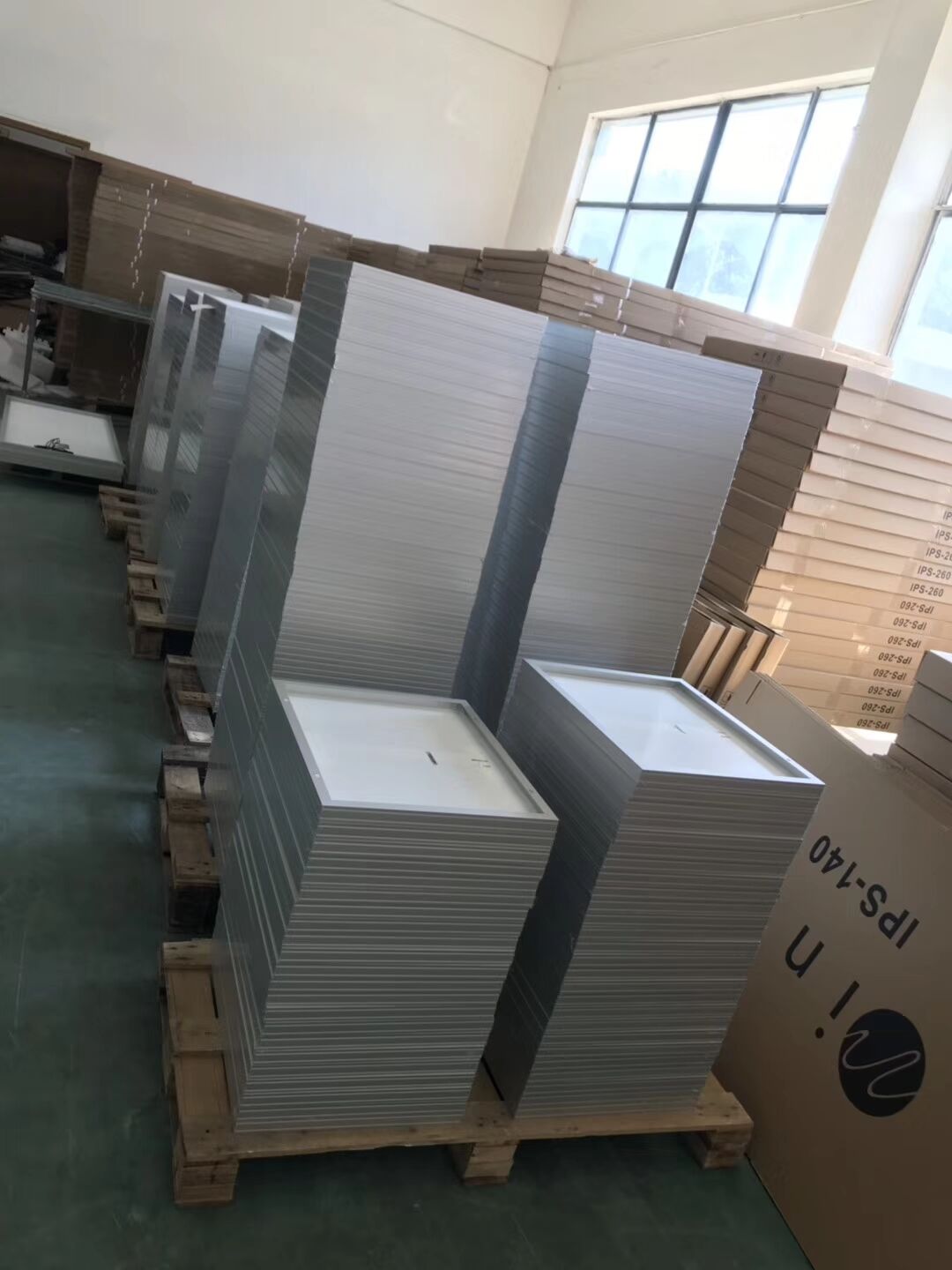
Industrial energy infrastructure faces unprecedented challenges as businesses seek sustainable, cost-effective power solutions. Modern manufacturing facilities and commercial operations require reliable electricity sources that can deliver consistent performance while reducing operational costs. Half cell solar panels represent a breakthrough technology that addresses these critical industrial energy needs through advanced photovoltaic design and enhanced performance characteristics.

The evolution of solar technology has reached a pivotal moment where industrial applications can leverage sophisticated panel designs to maximize energy output. Companies across manufacturing, processing, and distribution sectors increasingly recognize that half cell solar panels offer superior efficiency compared to traditional full-cell alternatives. This technological advancement enables industrial facilities to achieve greater energy independence while maintaining operational excellence and reducing environmental impact.
Understanding Half Cell Solar Panel Technology
Fundamental Design Principles
Half cell solar panels utilize a revolutionary approach to photovoltaic cell construction by dividing standard solar cells into two separate sections. This innovative design reduces internal resistance and minimizes power losses that commonly occur in traditional full-cell configurations. The splitting process creates smaller individual cells that operate independently, allowing the panel to maintain higher performance levels even when partial shading or soiling affects specific sections.
The manufacturing process for half cell solar panels requires precision cutting techniques that maintain cell integrity while optimizing electrical connections. Each half-cell operates at reduced current levels compared to full cells, which significantly decreases resistive losses and heat generation. This design principle enables industrial installations to achieve higher power output per square meter, making them ideal for space-constrained commercial rooftops and large-scale ground-mounted systems.
Advanced Electrical Architecture
The electrical configuration of half cell solar panels incorporates sophisticated bypass diode systems that enhance overall system reliability. These panels typically feature three separate junction boxes with independent bypass diodes, creating multiple parallel circuits that can operate independently. This architecture ensures that if one section experiences shading or damage, the remaining sections continue generating power at optimal levels.
Industrial applications benefit significantly from this electrical design because manufacturing facilities often experience varying shading conditions throughout the day. Equipment installations, building structures, and temporary obstacles can create partial shading scenarios where half cell solar panels maintain superior performance compared to conventional alternatives. The redundant electrical pathways ensure consistent power generation even under challenging industrial environments.
Industrial Grid Integration Benefits
Enhanced Power Quality and Stability
Industrial grids require stable, high-quality power delivery to support critical manufacturing processes and equipment operations. Half cell solar panels provide superior power quality characteristics through reduced voltage fluctuations and improved current consistency. The multiple independent cell sections create more stable electrical output that integrates seamlessly with existing industrial electrical infrastructure.
The improved electrical stability of half cell solar panels translates directly into reduced power conditioning requirements for industrial installations. Manufacturing facilities can minimize the need for additional power quality equipment while maintaining compliance with industrial electrical standards. This characteristic particularly benefits industries with sensitive electronic equipment or precision manufacturing processes that require consistent voltage levels.
Scalability for Large Industrial Applications
Industrial facilities often require substantial power generation capacity to support their operations, making scalability a critical factor in solar technology selection. Half cell solar panels offer exceptional scalability potential through their modular design and enhanced efficiency characteristics. Large industrial installations can achieve higher power densities using fewer panels, reducing installation complexity and infrastructure requirements.
The compact efficiency of half cell solar panels enables industrial facilities to maximize power generation within available space constraints. This advantage proves particularly valuable for urban industrial locations where roof space is limited or ground-mounted installations face zoning restrictions. Companies can achieve their renewable energy targets more effectively while maintaining operational flexibility for future expansion needs.
Performance Advantages in Industrial Settings
Temperature Coefficient Improvements
Industrial environments often experience elevated temperatures due to manufacturing processes, equipment heat generation, and building thermal loads. Half cell solar panels demonstrate superior temperature coefficient performance compared to traditional panels, maintaining higher efficiency levels under high-temperature conditions. This characteristic ensures consistent power output even during peak industrial operation periods.
The reduced operating temperature of half cell solar panels results from lower current density and improved heat dissipation characteristics. Industrial installations benefit from this thermal performance through extended equipment lifespan and maintained efficiency throughout hot summer months. Manufacturing facilities with significant heat generation can rely on consistent solar power output regardless of ambient temperature variations.
Durability and Longevity Factors
Industrial environments demand robust equipment that can withstand challenging operational conditions including vibration, thermal cycling, and environmental exposure. Half cell solar panels incorporate enhanced structural designs that improve mechanical durability and resistance to micro-cracking. The distributed stress patterns across multiple smaller cells reduce the likelihood of catastrophic failures that can affect entire panel performance.
Long-term reliability becomes crucial for industrial solar installations where equipment replacement costs and downtime impact operational profitability. Half cell solar panels typically demonstrate superior degradation rates compared to conventional alternatives, maintaining higher performance levels throughout their operational lifespan. This longevity characteristic provides industrial facilities with more predictable energy costs and reduced maintenance requirements over time.
Economic Impact on Industrial Operations
Return on Investment Optimization
Industrial facilities evaluate solar installations based on comprehensive return on investment calculations that consider installation costs, energy savings, and operational benefits. Half cell solar panels typically deliver faster payback periods through their enhanced efficiency and reduced system complexity requirements. The higher power output per panel reduces the number of units needed for target capacity installations.
The economic advantages extend beyond initial installation costs to include reduced balance-of-system expenses and simplified maintenance procedures. Industrial facilities can achieve significant cost savings through fewer inverters, reduced wiring complexity, and streamlined monitoring systems. These factors combine to create compelling financial justification for half cell solar panels in industrial applications.
Energy Cost Reduction Strategies
Manufacturing facilities face escalating electricity costs that directly impact operational profitability and competitive positioning. Half cell solar panels enable industrial operations to implement effective energy cost reduction strategies through reliable on-site power generation. The enhanced efficiency characteristics ensure maximum energy production during peak demand periods when utility rates are highest.
Industrial energy managers can leverage the consistent performance of half cell solar panels to optimize demand charge management and peak shaving strategies. The predictable power output enables more effective energy storage integration and load shifting capabilities. These operational advantages translate into substantial ongoing cost savings that improve overall industrial competitiveness.
Installation and Integration Considerations
System Design Optimization
Successful integration of half cell solar panels into industrial grids requires careful system design that considers existing electrical infrastructure and operational requirements. Industrial installations must account for voltage compatibility, grounding systems, and protection coordination to ensure safe and effective operation. The modular nature of half cell solar panels provides flexibility in system configuration and phased installation approaches.
Professional system design for industrial applications involves comprehensive load analysis and energy usage profiling to optimize panel placement and system sizing. Half cell solar panels offer superior design flexibility through their enhanced partial shading tolerance and electrical independence characteristics. This flexibility enables industrial facilities to maximize energy production while working within existing infrastructure constraints.
Maintenance and Monitoring Protocols
Industrial solar installations require robust maintenance protocols to ensure optimal performance and compliance with safety regulations. Half cell solar panels simplify maintenance procedures through their segmented design that enables isolated troubleshooting and replacement capabilities. Individual panel sections can be diagnosed and serviced without affecting entire system performance.
Advanced monitoring systems for half cell solar panels provide detailed performance data that enables predictive maintenance strategies. Industrial facility managers can identify potential issues before they impact production or energy generation capacity. The enhanced diagnostic capabilities reduce unexpected downtime and maintenance costs while maximizing system availability for critical industrial operations.
Future Developments and Industry Trends
Technological Evolution Pathways
The continued development of half cell solar panels focuses on further efficiency improvements and cost reductions that benefit industrial applications. Emerging manufacturing techniques and materials science advances promise even greater performance capabilities for future generations of this technology. Industrial facilities can expect continued improvements in power density and reliability characteristics.
Research and development efforts in half cell solar panels concentrate on addressing specific industrial requirements including enhanced durability, improved temperature performance, and simplified installation procedures. These advances will further strengthen the value proposition for industrial grid applications while reducing total cost of ownership. The technology roadmap indicates sustained innovation that will benefit industrial energy strategies.
Market Adoption and Industry Standards
Industrial adoption of half cell solar panels continues accelerating as companies recognize their performance advantages and economic benefits. Industry standards and certification processes are evolving to address the unique characteristics and testing requirements of this technology. Regulatory frameworks increasingly support industrial renewable energy adoption through incentives and streamlined approval processes.
The growing market acceptance of half cell solar panels drives increased manufacturing capacity and competitive pricing for industrial applications. Supply chain development ensures reliable availability and technical support for large-scale industrial installations. These market trends create favorable conditions for widespread industrial adoption of this advanced solar technology.
FAQ
How do half cell solar panels compare to traditional panels in industrial applications
Half cell solar panels offer superior performance in industrial settings through reduced power losses, better partial shading tolerance, and enhanced reliability. They typically achieve 5-10% higher efficiency compared to traditional full-cell panels while providing better temperature coefficients and improved durability. Industrial facilities benefit from higher power output per installation area and reduced system complexity requirements.
What installation considerations are unique to industrial half cell solar panel systems
Industrial installations require careful consideration of existing electrical infrastructure, grounding systems, and safety protocols. Half cell solar panels offer greater design flexibility for complex roof configurations and can accommodate phased installation approaches. Professional system design must account for industrial load profiles, voltage requirements, and integration with existing power management systems to optimize performance and safety.
How do half cell solar panels affect industrial energy costs and return on investment
Industrial facilities typically achieve faster payback periods with half cell solar panels due to their enhanced efficiency and reduced system costs. The higher power output reduces the number of panels needed while lower operating temperatures extend system lifespan. Energy cost reductions include reduced utility bills, optimized demand charges, and improved energy independence that enhances long-term operational profitability.
What maintenance requirements apply to industrial half cell solar panel installations
Half cell solar panels require minimal maintenance due to their robust design and segmented architecture. Industrial installations benefit from simplified troubleshooting procedures and the ability to service individual panel sections without affecting overall system performance. Regular cleaning, visual inspections, and electrical testing ensure optimal performance while advanced monitoring systems enable predictive maintenance strategies that minimize operational disruptions.
Table of Contents
- Understanding Half Cell Solar Panel Technology
- Industrial Grid Integration Benefits
- Performance Advantages in Industrial Settings
- Economic Impact on Industrial Operations
- Installation and Integration Considerations
- Future Developments and Industry Trends
-
FAQ
- How do half cell solar panels compare to traditional panels in industrial applications
- What installation considerations are unique to industrial half cell solar panel systems
- How do half cell solar panels affect industrial energy costs and return on investment
- What maintenance requirements apply to industrial half cell solar panel installations
