
 EN
EN
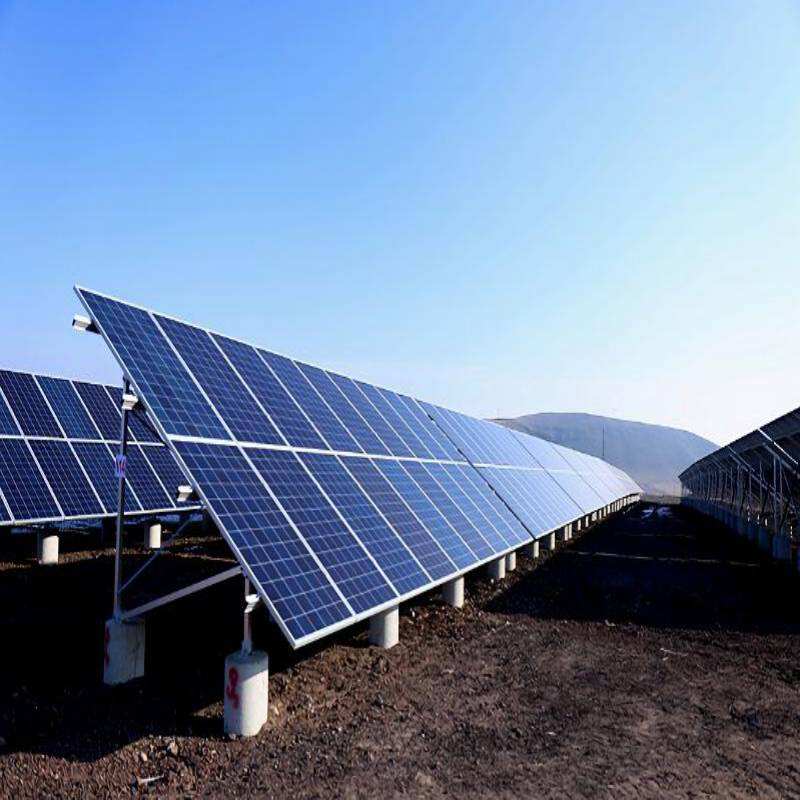
The renewable energy sector continues to evolve rapidly, with utility-scale projects demanding increasingly efficient and durable solar solutions. Among the most promising technologies emerging in the market are bifacial double glass solar panels, which represent a significant advancement in photovoltaic technology. These innovative panels capture sunlight from both sides while providing enhanced durability through their robust double glass construction, making them particularly attractive for large-scale utility installations where long-term performance and reliability are paramount.

Utility developers and investors are increasingly recognizing the substantial benefits that bifacial double glass solar panels bring to large-scale projects. Unlike traditional monofacial panels with polymer backsheets, these advanced modules feature tempered glass on both the front and rear surfaces, creating a barrier against environmental degradation while enabling light capture from multiple angles. This dual-sided energy generation capability, combined with superior durability characteristics, positions these panels as an optimal choice for utility-scale installations seeking maximum return on investment over extended operational periods.
Enhanced Energy Generation Through Dual-Sided Technology
Maximizing Light Capture Potential
The fundamental advantage of bifacial double glass solar panels lies in their ability to harness solar energy from both the front and rear surfaces simultaneously. Traditional solar panels only utilize direct sunlight hitting the front surface, but bifacial technology captures additional energy from reflected and diffused light reaching the back of the panel. This dual-sided generation capability can increase total energy output by 10-30% depending on installation conditions, ground reflectivity, and mounting configuration.
Ground-mounted utility installations particularly benefit from this enhanced light capture, as the elevated mounting systems allow reflected light from the ground surface to reach the rear side of the panels. Light-colored surfaces such as concrete, white gravel, or sand can significantly boost the bifacial gain, while even grass and soil provide meaningful reflection. The additional energy generation directly translates to improved project economics and faster payback periods for utility investments.
Optimizing Performance Across Different Conditions
Bifacial double glass solar panels demonstrate superior performance characteristics across various weather conditions and installation environments. During cloudy conditions or low-light periods, the rear-side generation becomes particularly valuable as diffused light reaches the back surface more effectively than direct sunlight. This consistent energy production throughout different weather patterns provides utility projects with more predictable and stable power generation profiles.
The transparent rear surface of these panels also enables more efficient heat dissipation compared to traditional opaque backsheet designs. Lower operating temperatures result in improved electrical performance and reduced degradation rates, contributing to sustained energy production over the panel's operational lifetime. This thermal advantage becomes especially significant in utility installations located in high-temperature environments where conventional panels may experience substantial performance losses.
Superior Durability and Longevity Benefits
Enhanced Weather Resistance Capabilities
The double glass construction of bifacial panels provides exceptional protection against environmental stressors that commonly affect utility-scale installations. Unlike polymer backsheets that can degrade under UV exposure, moisture ingress, and temperature cycling, the tempered glass rear surface maintains structural integrity over decades of operation. This enhanced weather resistance translates to reduced maintenance requirements and lower long-term operational costs for utility projects.
Utility installations often face harsh environmental conditions including extreme temperatures, high winds, hail, and corrosive atmospheres near coastal or industrial areas. The robust glass-to-glass construction of bifacial double glass solar panels provides superior resistance to these challenging conditions, ensuring consistent performance throughout the project's operational lifetime. The sealed glass construction also prevents moisture ingress that can cause cell corrosion and electrical failures in traditional panel designs.
Extended Warranty Coverage and Performance Guarantees
Leading manufacturers typically offer enhanced warranty terms for bifacial double glass solar panels, reflecting their confidence in the technology's durability and longevity. These extended warranties often include 25-30 year performance guarantees with minimal degradation rates, providing utility investors with greater certainty regarding long-term project returns. The improved warranty coverage reduces financial risk and enhances project bankability for utility-scale developments.
The superior build quality of bifacial double glass solar panels results in lower annual degradation rates compared to conventional panels. While traditional panels may experience 0.7-0.8% annual degradation, high-quality bifacial glass modules often maintain degradation rates below 0.5% annually. This improved degradation profile ensures that utility projects maintain higher energy production levels throughout their operational lifetime, directly impacting project profitability and return on investment calculations.
Economic Advantages for Utility-Scale Projects
Improved Levelized Cost of Energy
The enhanced energy generation and extended operational lifetime of bifacial double glass solar panels contribute significantly to improved levelized cost of energy (LCOE) for utility projects. Despite potentially higher upfront costs compared to traditional panels, the increased energy yield and reduced degradation rates result in lower electricity costs over the project's lifetime. This improved LCOE makes utility projects more competitive in power purchase agreement negotiations and enhances overall project viability.
Utility developers can optimize project layouts to maximize the bifacial gain from these panels, potentially reducing the total number of panels required to achieve target capacity. The higher power density achievable with bifacial double glass solar panels can reduce land requirements, foundation costs, and electrical infrastructure expenses. These system-level savings compound the economic benefits beyond the individual panel level, creating substantial value for utility-scale installations.
Reduced Operations and Maintenance Costs
The robust construction of bifacial double glass solar panels significantly reduces ongoing operations and maintenance requirements for utility projects. The glass-to-glass design eliminates concerns about backsheet cracking, delamination, or moisture ingress that commonly affect conventional panels over time. This durability translates to fewer panel replacements, reduced maintenance visits, and lower operational expenditures throughout the project's lifetime.
The self-cleaning properties of glass surfaces also contribute to reduced maintenance requirements in utility installations. Dust and debris removal becomes more efficient during natural weather events, and manual cleaning operations are simplified due to the smooth glass surfaces on both sides of the panel. This maintenance advantage becomes particularly valuable for utility projects located in dusty or remote environments where access for cleaning operations may be challenging or expensive.
Installation and Design Considerations
Optimal Mounting System Requirements
Successful deployment of bifacial double glass solar panels in utility projects requires careful consideration of mounting system design to maximize bifacial energy gain. Ground clearance becomes a critical factor, with higher mounting heights generally providing better rear-side illumination and improved bifacial performance. Utility installations typically benefit from mounting heights of 1.5-2.5 meters above ground level, balancing bifacial gain with structural and economic considerations.
The mounting system must also accommodate the specific mechanical properties of bifacial double glass solar panels, including their weight distribution and thermal expansion characteristics. These panels typically weigh 10-20% more than conventional panels due to the additional glass layer, requiring appropriately designed foundations and support structures. However, the enhanced durability often allows for wider spacing between support points, potentially offsetting some of the additional structural requirements.
Ground Surface Optimization Strategies
Ground surface preparation and maintenance play crucial roles in maximizing the performance benefits of bifacial double glass solar panels in utility installations. Light-colored ground surfaces such as white gravel, concrete, or specialized reflective materials can significantly enhance bifacial gain, with improvements of 5-15% commonly achievable through strategic ground treatment. The investment in ground surface optimization often provides attractive returns through increased energy production over the project's lifetime.
Vegetation management strategies also impact bifacial performance, with different ground cover options providing varying levels of light reflection. While maintaining natural grass coverage may be preferred for environmental reasons, periodic trimming and management ensure optimal reflectivity conditions. Some utility projects implement dual-use approaches, combining solar generation with agricultural activities beneath the panels, creating additional revenue streams while maintaining suitable reflective conditions for bifacial energy production.
Technology Integration and Future Compatibility
Advanced Cell Technology Integration
Modern bifacial double glass solar panels often incorporate cutting-edge cell technologies such as PERC, heterojunction, or n-type TOPCon cells that complement the bifacial architecture. These advanced cell technologies provide higher base efficiency levels while maintaining excellent bifacial characteristics, creating synergistic effects that maximize overall panel performance. Utility projects benefit from these technological combinations through improved energy density and enhanced return on investment.
The integration of advanced cell technologies with bifacial double glass solar panels also provides greater compatibility with emerging power electronics and energy storage systems. The improved voltage and current characteristics of these high-efficiency modules enable more efficient power conditioning and grid integration, reducing balance-of-system costs and improving overall project economics. This technological compatibility ensures that utility investments remain viable and competitive as the renewable energy landscape continues to evolve.
Smart Monitoring and Performance Optimization
Bifacial double glass solar panels integrate seamlessly with advanced monitoring and optimization systems that enable real-time performance tracking and predictive maintenance capabilities. These intelligent systems can monitor both front and rear-side generation, providing detailed insights into bifacial performance under different conditions. Utility operators can use this data to optimize maintenance schedules, identify performance issues early, and maximize energy production throughout the project's operational lifetime.
The transparent nature of bifacial double glass solar panels also facilitates visual inspection and automated monitoring systems that can detect cell-level issues, soiling patterns, or damage more effectively than opaque conventional panels. This enhanced visibility enables more precise maintenance interventions and helps prevent small issues from developing into significant performance problems. The ability to monitor and optimize both sides of the panel provides utility operators with unprecedented control over system performance and maintenance requirements.
FAQ
How much additional energy do bifacial double glass solar panels generate compared to conventional panels?
Bifacial double glass solar panels typically generate 10-30% more energy than conventional monofacial panels, depending on installation conditions and ground reflectivity. The exact bifacial gain varies based on factors such as mounting height, ground surface type, geographic location, and weather patterns. Utility installations with optimized ground surfaces and appropriate mounting configurations often achieve bifacial gains in the 15-25% range, significantly improving project economics and energy output.
What are the main durability advantages of double glass construction for utility projects?
The double glass construction of bifacial panels provides superior protection against environmental degradation compared to traditional backsheet designs. Glass surfaces resist UV damage, moisture ingress, and temperature cycling effects that commonly cause conventional panel failures. This enhanced durability results in lower degradation rates, extended operational lifetimes, and reduced maintenance requirements. Utility projects benefit from improved warranty coverage and greater long-term performance certainty with bifacial double glass solar panels.
How do bifacial double glass solar panels affect project installation and maintenance costs?
While bifacial double glass solar panels may have higher upfront costs, they often reduce overall project expenses through improved energy density and lower maintenance requirements. The robust construction reduces panel replacement needs and simplifies cleaning operations. However, the additional weight requires appropriately designed mounting systems and foundations. The long-term economic benefits typically outweigh the initial installation considerations, particularly for utility-scale projects focused on maximizing lifetime returns.
Are bifacial double glass solar panels suitable for all utility project locations and conditions?
Bifacial double glass solar panels perform well across various climatic conditions and geographic locations, but they provide the greatest benefits in installations with good ground reflectivity and adequate rear-side clearance. Desert locations with light-colored sand, installations over concrete or gravel surfaces, and elevated mounting systems maximize bifacial performance. Even in less optimal conditions, these panels typically outperform conventional alternatives due to their enhanced durability and improved thermal characteristics. Utility developers should evaluate site-specific conditions to determine optimal panel selection and mounting strategies.
Table of Contents
- Enhanced Energy Generation Through Dual-Sided Technology
- Superior Durability and Longevity Benefits
- Economic Advantages for Utility-Scale Projects
- Installation and Design Considerations
- Technology Integration and Future Compatibility
-
FAQ
- How much additional energy do bifacial double glass solar panels generate compared to conventional panels?
- What are the main durability advantages of double glass construction for utility projects?
- How do bifacial double glass solar panels affect project installation and maintenance costs?
- Are bifacial double glass solar panels suitable for all utility project locations and conditions?
