
 EN
EN
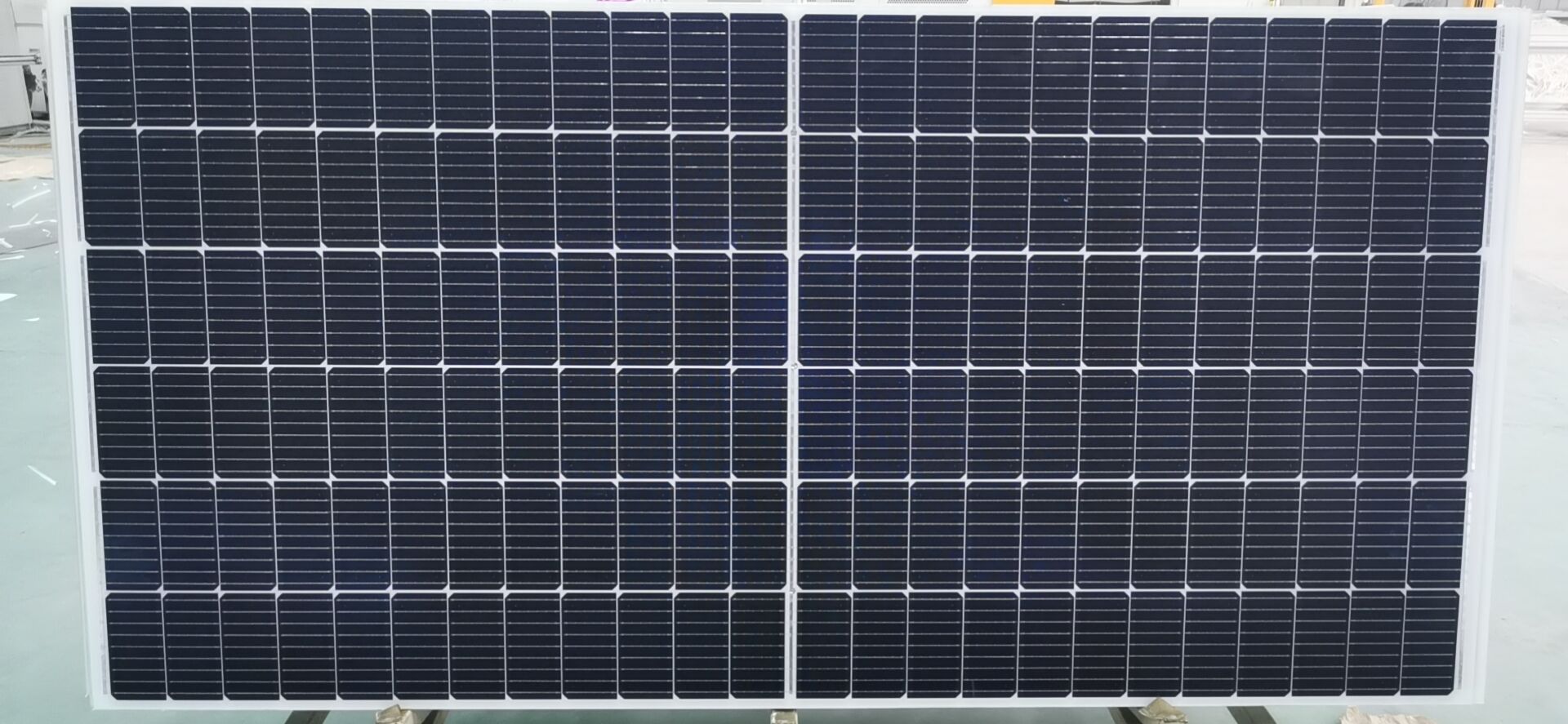
Solar installations in sandy environments present unique challenges that require specialized equipment designed to withstand harsh conditions. When selecting photovoltaic modules for desert regions or coastal areas with significant sand exposure, the choice of panel technology becomes critical to ensuring long-term performance and return on investment. Understanding the specific requirements for sandy terrain installations helps project developers make informed decisions that maximize energy output while minimizing maintenance costs and system degradation over time.

Sandy environments create several operational challenges for solar installations, including abrasive particle contact, extreme temperature fluctuations, and reduced cleaning accessibility. These factors make the selection of appropriate panel technology essential for maintaining optimal energy production throughout the system's operational lifetime. The durability and design characteristics of modern solar modules play a crucial role in determining their suitability for such demanding applications.
Understanding Bifacial Technology in Sandy Environments
Dual-Sided Energy Generation Principles
The fundamental advantage of bifacial technology lies in its ability to capture solar radiation from both front and rear surfaces of the photovoltaic module. In sandy terrain applications, this dual-sided generation capability becomes particularly valuable due to the high albedo effect created by light-colored sand surfaces. The reflective properties of sand can contribute an additional 10-30% energy gain compared to traditional monofacial installations, making bifacial double glass solar panel configurations especially attractive for desert deployments.
The rear-side energy generation in sandy environments depends heavily on the reflective characteristics of the ground surface and the module mounting configuration. Light-colored sand typically provides excellent reflection coefficients, ranging from 0.3 to 0.8 depending on grain size and moisture content. This natural reflectivity enhancement significantly improves the economic case for bifacial installations in desert regions where land availability is abundant and ground preparation costs are minimal.
Glass-Glass Construction Benefits
The glass-glass construction methodology employed in modern bifacial double glass solar panel designs provides superior protection against environmental stressors commonly found in sandy terrain installations. Unlike traditional backsheet configurations, dual-glass modules eliminate the risk of backsheet degradation caused by UV exposure, thermal cycling, and abrasive particle impact. This construction approach extends operational lifetime expectations from 25 years to potentially 30 years or more in harsh environmental conditions.
Tempered glass surfaces on both sides of the module provide enhanced resistance to micro-abrasion caused by windborne sand particles. The superior hardness and chemical resistance of glass compared to polymer backsheets ensures maintained optical clarity and mechanical integrity throughout extended exposure periods. Additionally, the thermal properties of glass-glass construction contribute to improved heat dissipation, which is crucial for maintaining efficiency in high-temperature desert environments.
Environmental Considerations for Sandy Terrain
Wind-Blown Particle Impact Resistance
Sandy environments subject solar installations to constant bombardment by airborne particles that can cause surface degradation over time. The selection criteria for bifacial double glass solar panel installations must account for the cumulative impact of sand abrasion on both optical transmission and structural integrity. Modern anti-reflective coatings applied to tempered glass surfaces provide enhanced durability against particle impact while maintaining high optical transmission rates essential for energy generation.
The frame design and module mounting methodology significantly influence the accumulation of sand particles around module edges and mounting points. Proper selection requires evaluation of frame profiles that minimize sand retention while providing adequate structural support for wind loading requirements. The interaction between wind patterns, particle size distribution, and mounting configuration determines the long-term cleaning requirements and accessibility needs for maintenance operations.
Temperature Cycling and Thermal Management
Desert environments typically experience extreme diurnal temperature variations that create significant thermal stress cycles within photovoltaic modules. The coefficient of thermal expansion differences between various module components must be carefully managed to prevent mechanical failure over extended operational periods. Bifacial double glass solar panel designs with appropriate thermal expansion matching between glass layers, cell interconnects, and frame materials demonstrate superior longevity in high-stress thermal environments.
Heat dissipation characteristics become particularly important in sandy terrain installations where ambient temperatures frequently exceed 40°C during peak generation periods. The thermal conductivity properties of glass-glass construction, combined with appropriate mounting configurations that promote airflow circulation, contribute to maintaining acceptable operating temperatures. Lower operating temperatures directly correlate with improved electrical efficiency and reduced degradation rates throughout the system operational lifetime.
Technical Specifications and Performance Criteria
Cell Technology and Efficiency Considerations
The underlying photovoltaic cell technology within bifacial double glass solar panel configurations significantly impacts performance characteristics in sandy environment applications. Advanced cell technologies such as PERC (Passivated Emitter and Rear Cell) and TOPCon (Tunnel Oxide Passivated Contact) provide enhanced efficiency ratings and improved temperature coefficients compared to conventional cell designs. These technological improvements become particularly valuable in high-irradiance desert installations where maximum energy density is essential for project economics.
Bifacial coefficients, which represent the ratio of rear-side to front-side power generation capability, vary significantly between different cell technologies and manufacturing processes. High-quality bifacial double glass solar panel products typically achieve bifacial coefficients exceeding 80%, enabling substantial additional energy generation from reflected ground radiation. The selection process must evaluate these specifications in conjunction with expected ground reflectivity conditions and mounting height configurations.
Mechanical Strength and Load Ratings
Sandy terrain installations often experience high wind loading conditions due to the open terrain characteristics typical of desert environments. The mechanical design specifications for bifacial double glass solar panel installations must accommodate both static and dynamic wind loads while maintaining structural integrity throughout the operational lifetime. Glass thickness specifications, typically ranging from 2.0mm to 3.2mm for each glass layer, directly influence mechanical strength capabilities and resistance to impact loading.
Frame construction materials and joining methodologies significantly affect the overall mechanical performance of the complete module assembly. Aluminum frame profiles with appropriate wall thickness and corner joining techniques provide the necessary structural support while minimizing thermal expansion stress concentrations. The selection criteria must evaluate certified load ratings against site-specific wind loading calculations derived from local meteorological data and terrain characteristics.
Installation and Mounting Considerations
Foundation Requirements in Sandy Soil
The geotechnical characteristics of sandy soils create specific challenges for photovoltaic mounting system installation and long-term stability. Sandy terrain typically exhibits lower bearing capacity and higher susceptibility to wind erosion compared to consolidated soil types. Foundation design for bifacial double glass solar panel installations must account for these soil characteristics while providing adequate structural support for the complete array system including wind and seismic loading requirements.
Driven pile foundations or ballasted mounting systems represent the most common approaches for sandy terrain installations. The selection between these methodologies depends on soil density characteristics, groundwater levels, and local environmental regulations. Proper foundation design ensures long-term stability while accommodating the thermal expansion movements inherent in large-scale photovoltaic installations without compromising structural integrity or electrical connections.
Optimal Mounting Height and Tilt Configuration
The mounting height above ground level significantly influences the bifacial gain characteristics achievable with bifacial double glass solar panel installations in sandy environments. Higher mounting elevations, typically ranging from 1.0 to 2.0 meters above grade, provide improved access to reflected radiation while reducing the accumulation of sand particles on module surfaces. The optimization of mounting height must balance bifacial energy gains against increased structural costs and wind loading requirements.
Tilt angle selection for sandy terrain installations requires consideration of both solar irradiance optimization and sand accumulation minimization. Steeper tilt angles promote natural cleaning through gravity-assisted sand removal during wind events, while flatter configurations may provide improved energy yield in high-latitude installations. The optimal tilt angle represents a compromise between energy production maximization and maintenance requirement minimization based on site-specific conditions and operational constraints.
Maintenance and Operational Considerations
Cleaning Protocols and Access Requirements
Sandy terrain installations require specialized cleaning protocols designed to remove accumulated particles without causing surface damage to the bifacial double glass solar panel surfaces. The frequency of cleaning operations depends on local wind patterns, precipitation levels, and acceptable performance degradation thresholds. Automated cleaning systems or manual cleaning protocols must be designed to accommodate the dual-sided nature of bifacial modules while minimizing water consumption in typically arid desert environments.
Access road design and maintenance vehicle specifications become critical considerations for large-scale installations in remote sandy locations. The selection of cleaning equipment and methodologies must account for transportation logistics, water supply requirements, and operational cost constraints throughout the project lifetime. Proper planning of maintenance infrastructure ensures sustainable operations while preserving the economic advantages of bifacial technology in sandy terrain applications.
Performance Monitoring and Degradation Assessment
The dual-sided generation characteristics of bifacial double glass solar panel installations require specialized monitoring approaches to accurately assess performance degradation and cleaning effectiveness. Traditional monitoring systems designed for monofacial installations may not adequately capture the bifacial contribution to total energy generation, leading to incomplete performance assessments and suboptimal maintenance scheduling decisions.
Advanced monitoring systems capable of separating front-side and rear-side contributions provide valuable insights into the specific performance impacts of sand accumulation and cleaning effectiveness. This detailed performance data enables optimization of cleaning schedules and identification of potential issues before they significantly impact energy production. The investment in comprehensive monitoring systems typically provides positive returns through improved operational efficiency and reduced maintenance costs over the project lifetime.
Economic Analysis and Return on Investment
Cost-Benefit Evaluation Methodology
The economic evaluation of bifacial double glass solar panel installations in sandy terrain requires comprehensive analysis of both initial capital costs and long-term operational expenses. The premium cost associated with bifacial technology must be justified through improved energy generation, reduced maintenance requirements, and extended operational lifetime compared to conventional monofacial alternatives. Accurate cost modeling requires site-specific data on ground reflectivity, cleaning costs, and performance degradation rates under local environmental conditions.
Life cycle cost analysis provides the most appropriate methodology for comparing different technology options in sandy terrain applications. The extended warranty periods typically offered with glass-glass construction, combined with improved degradation rates and enhanced durability, contribute to superior long-term economic performance despite higher initial investment requirements. Proper economic analysis accounts for time value of money, inflation effects, and technology learning curves that may influence future replacement costs.
Risk Assessment and Financial Modeling
Financial modeling for bifacial double glass solar panel installations in sandy environments must incorporate risk factors specific to desert operations including extreme weather events, sand storm damage potential, and long-term performance uncertainty. Monte Carlo simulation techniques provide valuable insights into the range of potential financial outcomes under varying environmental and operational scenarios. These analytical approaches support informed decision-making regarding technology selection and project financing strategies.
Insurance considerations and warranty coverage evaluation represent critical components of comprehensive risk assessment for sandy terrain installations. The enhanced durability characteristics of glass-glass construction may qualify for reduced insurance premiums or extended warranty coverage compared to conventional backsheet technologies. Proper evaluation of these factors contributes to improved project economics and reduced financial risk throughout the operational period.
FAQ
What makes bifacial double glass solar panels better suited for sandy environments than traditional panels
Bifacial double glass solar panels offer superior protection against sand abrasion through their tempered glass construction on both sides, eliminating vulnerable backsheet materials that can degrade from UV exposure and particle impact. The glass-glass design provides enhanced mechanical strength, improved thermal management, and extended operational lifetime in harsh desert conditions. Additionally, the bifacial technology captures reflected light from sand surfaces, providing 10-30% additional energy generation compared to monofacial panels in high-albedo sandy environments.
How does sand accumulation affect the performance of bifacial panels differently than monofacial panels
Sand accumulation affects both front and rear surfaces of bifacial double glass solar panels, potentially reducing both direct solar collection and reflected light capture. However, the smooth glass surfaces on both sides facilitate easier cleaning and natural removal during wind events compared to textured backsheet materials. The dual-sided generation capability also provides some performance compensation when one surface experiences heavier soiling than the other, maintaining more stable overall energy output during periods between cleaning cycles.
What mounting height is recommended for bifacial panels in sandy terrain to maximize performance
Optimal mounting height for bifacial double glass solar panels in sandy terrain typically ranges from 1.0 to 2.0 meters above ground level to balance bifacial energy gains with practical considerations. Higher mounting provides better access to reflected light and reduces sand accumulation on surfaces, while excessive height increases structural costs and wind loading requirements. Site-specific optimization should consider local wind patterns, sand particle characteristics, and maintenance access requirements to determine the most cost-effective mounting configuration.
How often should bifacial panels be cleaned in sandy desert environments
Cleaning frequency for bifacial double glass solar panels in sandy environments depends on local conditions including wind patterns, dust storm frequency, and acceptable performance degradation levels. Typical cleaning intervals range from weekly to monthly during high dust seasons, with some installations utilizing daily automated cleaning systems in extremely dusty conditions. Performance monitoring systems help optimize cleaning schedules by tracking energy output degradation and identifying when cleaning provides cost-effective performance restoration compared to operational costs and water consumption requirements.
Table of Contents
- Understanding Bifacial Technology in Sandy Environments
- Environmental Considerations for Sandy Terrain
- Technical Specifications and Performance Criteria
- Installation and Mounting Considerations
- Maintenance and Operational Considerations
- Economic Analysis and Return on Investment
-
FAQ
- What makes bifacial double glass solar panels better suited for sandy environments than traditional panels
- How does sand accumulation affect the performance of bifacial panels differently than monofacial panels
- What mounting height is recommended for bifacial panels in sandy terrain to maximize performance
- How often should bifacial panels be cleaned in sandy desert environments
