
 EN
EN
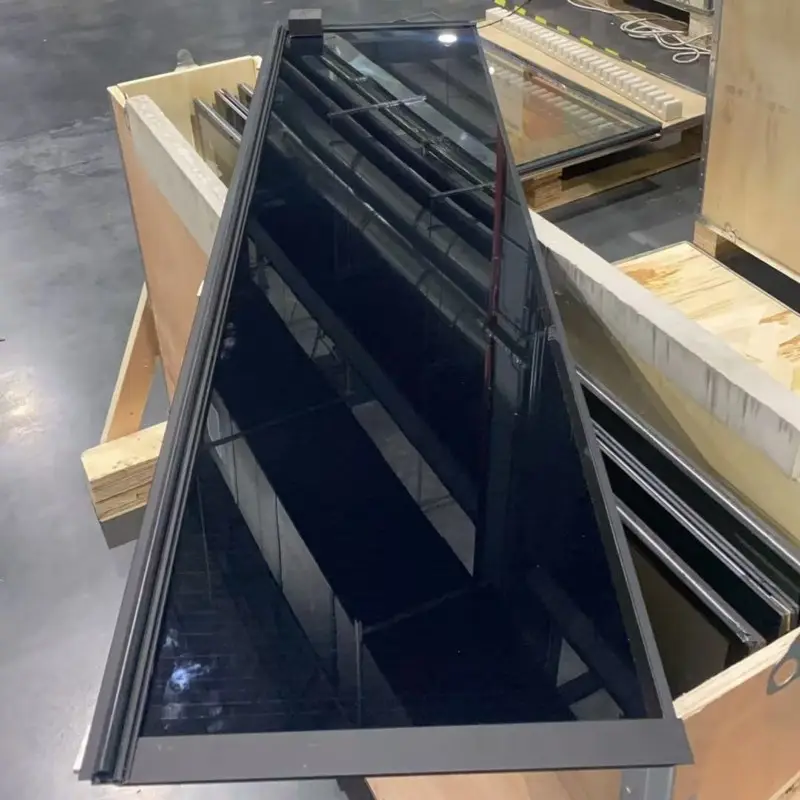
Maintaining half cell solar panels properly is crucial for preventing local hot spots that can significantly reduce energy output and potentially damage your solar installation. These advanced photovoltaic modules feature innovative cell splitting technology that divides standard solar cells into two smaller segments, creating more efficient current pathways and enhanced performance characteristics. Understanding the specific maintenance requirements for half cell solar panels ensures optimal longevity and prevents the formation of hot spots that commonly plague traditional solar panel configurations.
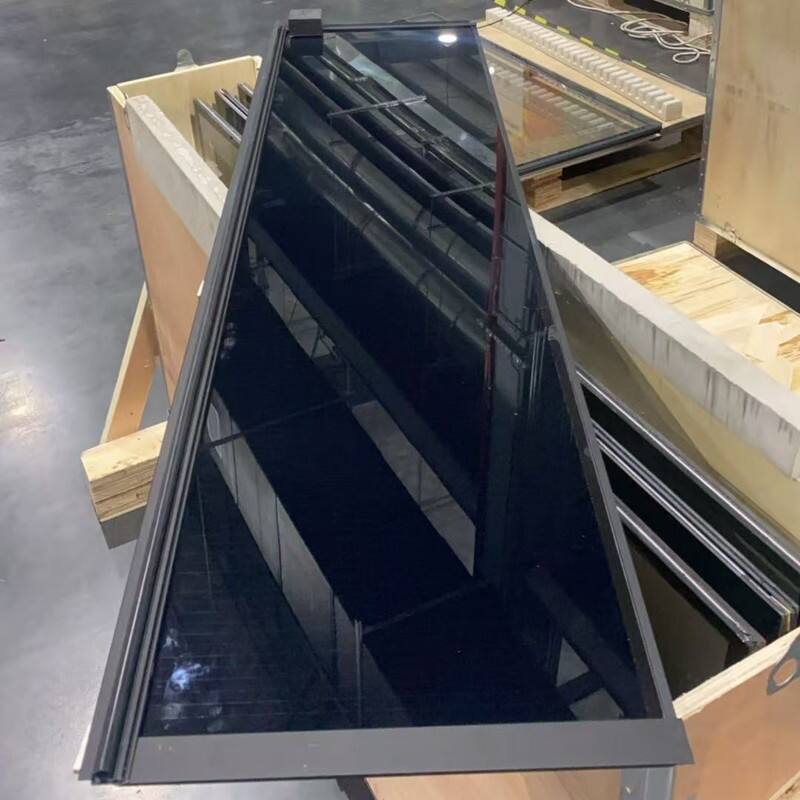
Understanding Hot Spot Formation in Solar Panel Systems
Mechanisms Behind Hot Spot Development
Hot spots in solar panels occur when individual cells or sections become reverse-biased due to shading, debris accumulation, or cell degradation. In traditional full-cell panels, a single compromised cell can cause an entire string to underperform, generating excessive heat that manifests as localized hot spots. Half cell solar panels address this vulnerability through their unique design architecture that splits each cell into two smaller segments, effectively reducing the impact of individual cell failures on overall module performance.
The physics of hot spot formation involves current flow disruption within the solar cell matrix. When one cell receives less illumination than its neighbors, it begins consuming power rather than generating it, transforming into a resistive load that dissipates energy as heat. This thermal buildup can reach temperatures exceeding 150 degrees Celsius, potentially causing permanent damage to the encapsulation materials and creating fire hazards in extreme cases.
Temperature Distribution Patterns
Temperature mapping studies reveal that half cell solar panels exhibit more uniform thermal distribution compared to conventional modules. The segmented cell design creates multiple current pathways that prevent localized overheating by distributing electrical loads across a broader surface area. This inherent thermal management advantage makes half cell solar panels naturally more resistant to hot spot formation, though proper maintenance remains essential for optimal performance.
Infrared thermography analysis demonstrates that well-maintained half cell solar panels typically show temperature variations of less than 10 degrees Celsius across the entire module surface. Conversely, neglected installations may exhibit temperature differentials exceeding 40 degrees Celsius, indicating the presence of performance-limiting hot spots that require immediate attention.
Essential Maintenance Practices for Hot Spot Prevention
Regular Visual Inspection Protocols
Implementing systematic visual inspection routines forms the foundation of effective half cell solar panels maintenance programs. Monthly visual assessments should focus on identifying physical damage, debris accumulation, and environmental factors that could contribute to hot spot formation. Look for cracked glass surfaces, delaminated backsheets, burnt junction box connections, and discoloration patterns that indicate thermal stress.
During visual inspections, pay particular attention to areas prone to shading throughout different times of day and seasonal variations. Tree growth, new construction, or accumulated dirt can create partial shading conditions that trigger hot spot development in half cell solar panels. Document any observed anomalies with photographs and GPS coordinates to track degradation patterns over time.
Professional Cleaning Techniques
Proper cleaning methodology significantly impacts the hot spot prevention effectiveness in half cell solar panels installations. Use deionized water and soft-bristled brushes to remove surface contaminants without scratching the anti-reflective coating. Avoid high-pressure washing systems that can force water into electrical connections or damage cell interconnects.
Schedule cleaning operations during cooler periods of the day to prevent thermal shock that occurs when cold water contacts hot panel surfaces. The optimal cleaning frequency depends on local environmental conditions, but most installations benefit from quarterly professional cleaning supplemented by monthly debris removal. Areas with high dust accumulation, bird activity, or industrial pollution may require more frequent maintenance interventions.
Advanced Diagnostic Methods and Technologies
Thermal Imaging Analysis
Infrared thermography represents the most effective diagnostic tool for identifying hot spots in half cell solar panels before they cause permanent damage. Professional thermal imaging cameras can detect temperature anomalies as small as 0.1 degrees Celsius, enabling early intervention strategies that prevent costly repairs or replacements. Conduct thermal inspections during peak sunlight hours when electrical loads are highest and temperature differentials are most pronounced.
Establish baseline thermal profiles for each half cell solar panels installation during commissioning to facilitate accurate comparison during subsequent inspections. Document thermal images with consistent viewing angles and environmental conditions to ensure reliable trend analysis. Modern thermal imaging software can automatically identify temperature anomalies and generate detailed reports for maintenance planning purposes.
Electrical Performance Testing
Comprehensive electrical testing protocols complement thermal analysis by quantifying the performance impact of potential hot spots in half cell solar panels systems. Current-voltage curve tracing identifies underperforming cells or strings that may not be visually apparent but contribute to localized heating. Insulation resistance testing detects moisture ingress that can trigger corrosion and subsequent hot spot formation.
Power output measurements at the module level reveal performance degradation patterns that indicate developing hot spots before thermal symptoms become evident. Compare measured values against manufacturer specifications and historical performance data to identify declining modules that require immediate attention. Ground fault detection systems provide continuous monitoring capabilities that alert operators to electrical anomalies associated with hot spot development.
Environmental Factors and Protection Strategies
Weather-Related Considerations
Weather conditions significantly influence hot spot susceptibility in half cell solar panels installations. Extreme temperature cycling creates thermal stress that can compromise cell interconnects and solder bonds, leading to increased electrical resistance and localized heating. Hail damage may create microscopic cracks that become hot spot nucleation sites over time.
High humidity environments accelerate corrosion processes that increase electrical resistance and promote hot spot formation. Implement moisture barrier systems and ensure proper drainage around panel mounting structures to minimize water infiltration risks. Wind-blown debris can accumulate in panel gaps and create partial shading conditions that trigger hot spot development in susceptible areas.
Installation Quality Impact
Installation quality directly correlates with hot spot prevention effectiveness in half cell solar panels systems. Improper torque specifications on electrical connections create high-resistance joints that generate excessive heat during operation. Inadequate grounding systems can lead to ground faults that manifest as localized hot spots.
Mounting system design affects thermal management by influencing airflow patterns around panel surfaces. Ensure adequate spacing between modules and mounting surfaces to promote convective cooling that prevents temperature buildup. Use compatible materials that expand and contract at similar rates to prevent mechanical stress that can damage cell interconnects.
Long-Term Maintenance Planning and Cost Optimization
Preventive Maintenance Scheduling
Developing comprehensive maintenance schedules optimizes the long-term performance of half cell solar panels while minimizing hot spot risks. Create quarterly inspection protocols that combine visual assessments, electrical testing, and thermal analysis to identify developing issues before they impact system performance. Seasonal maintenance activities should address specific environmental challenges such as leaf accumulation in autumn or ice formation in winter.
Document all maintenance activities in detailed logs that track panel performance trends, identify recurring issues, and guide future maintenance decisions. Use predictive maintenance strategies based on historical data to optimize intervention timing and resource allocation. Regular maintenance scheduling reduces emergency repair costs and extends the operational lifespan of half cell solar panels installations.
Performance Monitoring Integration
Advanced monitoring systems provide continuous oversight of half cell solar panels performance metrics that indicate developing hot spots. Real-time data collection enables immediate response to performance anomalies that could lead to hot spot formation if left unaddressed. Integration with weather monitoring systems correlates environmental conditions with performance variations to identify causative factors.
Automated alert systems notify maintenance personnel when performance parameters exceed predetermined thresholds, enabling proactive intervention before hot spots cause permanent damage. Remote monitoring capabilities reduce site visit requirements while maintaining comprehensive oversight of system health. Data analytics platforms can identify patterns that predict hot spot development, allowing for targeted maintenance strategies that maximize resource efficiency.
FAQ
What causes hot spots to form in half cell solar panels
Hot spots in half cell solar panels typically form when individual cells become shaded, damaged, or contaminated, causing them to consume rather than generate electricity. This reverse bias condition creates resistive heating that manifests as localized temperature elevation. Common causes include bird droppings, dust accumulation, physical damage from hail or debris, and manufacturing defects that reduce cell conductivity.
How often should half cell solar panels be inspected for hot spots
Professional thermal inspections should be conducted annually, with quarterly visual inspections to identify potential hot spot precursors. Monthly cleaning and debris removal help prevent shading conditions that trigger hot spot formation. More frequent monitoring may be necessary in environments with high dust levels, significant bird activity, or extreme weather conditions that accelerate panel degradation.
Can hot spots in half cell solar panels be repaired
Minor hot spots caused by surface contamination can often be resolved through professional cleaning and maintenance. However, hot spots resulting from cell damage or manufacturing defects typically require module replacement. Early detection through thermal imaging allows for warranty claims while coverage remains valid. Attempting DIY repairs on half cell solar panels can void warranties and create safety hazards.
What temperature indicates a dangerous hot spot condition
Hot spots exceeding 15 degrees Celsius above ambient module temperature warrant immediate investigation and intervention. Temperature differentials above 40 degrees Celsius indicate severe hot spot conditions that require immediate module shutdown and professional assessment. Continuous monitoring systems should alert operators when cell temperatures exceed 85 degrees Celsius, as prolonged exposure to elevated temperatures can cause permanent encapsulation damage in half cell solar panels.
