
 EN
EN
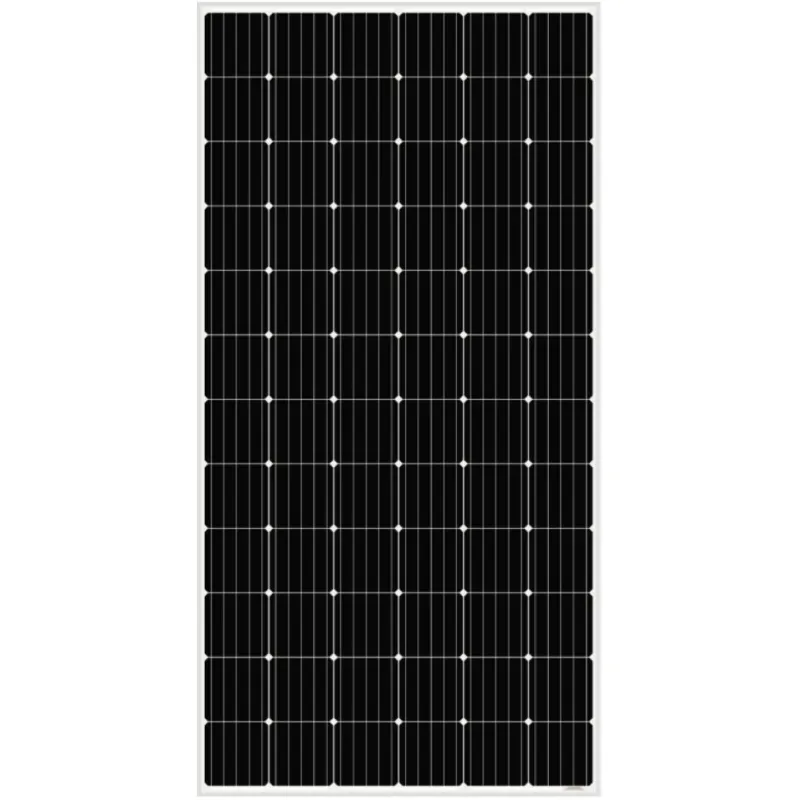
The solar industry has witnessed remarkable technological evolution over the past decade, with the half cell solar panel emerging as the dominant choice for B2B applications. This advanced photovoltaic technology has fundamentally transformed how businesses approach renewable energy investments, offering superior performance characteristics that address the most critical concerns of commercial and industrial users. The widespread adoption of half cell solar panel technology represents a significant milestone in the maturation of solar power as a reliable, cost-effective energy solution for enterprises worldwide.

Technical Advantages of Half Cell Solar Panel Architecture
Enhanced Current Flow and Reduced Resistive Losses
The fundamental design principle behind half cell solar panel technology involves cutting traditional full-size solar cells in half, creating smaller cell segments that operate at lower current levels. This innovative approach significantly reduces resistive losses within the panel structure, as electrical current encounters less resistance when traveling through shorter pathways. The reduction in ohmic losses translates directly into improved energy conversion efficiency, making half cell solar panel installations more productive than their conventional counterparts.
By operating at reduced current levels, each half cell solar panel experiences lower thermal stress during peak generation periods. This thermal management advantage contributes to extended operational lifespan and maintains consistent performance characteristics over decades of service. The improved thermal profile also enhances the panel's ability to perform effectively in high-temperature environments, a crucial consideration for B2B installations in diverse geographic locations.
Superior Shading Tolerance and Performance Reliability
Traditional solar panels suffer significant performance degradation when even small portions become shaded, as the entire string of cells can be affected by a single compromised unit. Half cell solar panel technology addresses this limitation through improved bypass diode configuration and parallel circuit architecture. When partial shading occurs, only the affected section experiences reduced output, while the remaining cells continue to operate at optimal efficiency levels.
This enhanced shading tolerance proves particularly valuable for B2B installations where building structures, equipment, or surrounding infrastructure may create intermittent shadows throughout the day. Commercial facilities can achieve more predictable energy generation profiles with half cell solar panel arrays, enabling better energy planning and cost management strategies. The improved reliability under real-world conditions makes these panels especially attractive for businesses that require consistent energy production for critical operations.
Economic Benefits for B2B Solar Investments
Improved Return on Investment Metrics
The enhanced efficiency characteristics of half cell solar panel technology directly impact the financial performance of B2B solar installations. Higher energy yields per square meter of installed capacity mean that businesses can achieve their renewable energy targets with smaller installation footprints, reducing both initial capital requirements and ongoing maintenance costs. The improved power density allows for more flexible system sizing and optimization for available roof space or land area.
Long-term operational benefits compound the initial efficiency advantages, as half cell solar panel systems maintain superior performance characteristics over their operational lifetime. Reduced degradation rates and improved tolerance to environmental stressors translate into more predictable energy production forecasts, enabling businesses to develop accurate financial models for their renewable energy investments. These factors combine to create compelling return on investment scenarios that support executive decision-making processes.
Reduced Balance of System Costs
The higher power output of individual half cell solar panel units reduces the total number of panels required for a given system capacity, directly impacting balance of system costs. Fewer panels mean reduced mounting hardware requirements, simplified electrical connections, and lower installation labor costs. The streamlined system architecture also reduces potential failure points and simplifies maintenance procedures, contributing to lower lifecycle operational expenses.
Installation contractors and system integrators benefit from the standardized dimensions and mounting compatibility of modern half cell solar panel products, which maintain compatibility with existing racking systems and installation procedures. This compatibility reduces project complexity and enables faster deployment timelines, important considerations for B2B customers who need to minimize business disruption during installation phases.
Manufacturing and Quality Advantages
Advanced Production Processes and Quality Control
The manufacturing process for half cell solar panel production requires sophisticated cutting and interconnection techniques that have driven improvements across the entire solar manufacturing industry. Modern production facilities employ laser cutting technologies and precision assembly processes that ensure consistent cell alignment and optimal electrical connections. These advanced manufacturing capabilities result in higher quality products with improved performance specifications and extended warranty coverage.
Quality control procedures for half cell solar panel manufacturing include enhanced testing protocols that verify the integrity of cell interconnections and bypass diode functionality. The increased complexity of the manufacturing process has led to more rigorous quality assurance standards, resulting in products that demonstrate superior reliability and performance consistency. These quality improvements provide B2B customers with greater confidence in their long-term investment decisions.
Supply Chain Maturity and Market Availability
The widespread adoption of half cell solar panel technology has driven supply chain optimization and increased manufacturing capacity across leading solar panel producers. This market maturity has resulted in competitive pricing structures and reliable product availability, important factors for B2B procurement processes that require predictable supply chains and stable pricing models. The standardization of half cell solar panel specifications has also simplified the evaluation and comparison process for commercial buyers.
Major solar panel manufacturers have invested heavily in half cell solar panel production capabilities, ensuring adequate supply capacity to meet growing B2B demand. This manufacturing scale has enabled cost reductions and quality improvements that benefit commercial customers through lower system costs and improved product warranties. The competitive manufacturing landscape continues to drive innovation and performance improvements in half cell solar panel technology.
Installation and System Integration Considerations
Compatibility with Existing Infrastructure
Modern half cell solar panel designs maintain dimensional compatibility with standard mounting systems and electrical components, simplifying the integration process for B2B installations. The familiar form factor enables installers to utilize proven mounting techniques and hardware configurations, reducing installation complexity and potential compatibility issues. This standardization benefit proves particularly valuable for businesses expanding existing solar installations or upgrading older systems.
Electrical integration of half cell solar panel arrays follows established industry practices for string inverter and power optimizer configurations. The improved current characteristics of half cell technology actually enhance compatibility with modern inverter systems, enabling more efficient power conversion and system monitoring capabilities. These integration advantages contribute to overall system reliability and performance optimization for commercial installations.
Scalability and Future Expansion Options
The modular nature of half cell solar panel installations provides B2B customers with flexible expansion options as their energy needs evolve over time. The standardized electrical and mechanical specifications enable seamless integration of additional capacity without requiring system redesign or component replacement. This scalability advantage supports businesses that anticipate future growth or changing energy requirements.
System monitoring and performance tracking capabilities integrated with half cell solar panel installations provide valuable data for optimizing energy usage patterns and identifying expansion opportunities. Advanced monitoring systems can track individual panel performance and identify optimal timing for system capacity additions. These capabilities support strategic energy planning and investment decision-making processes for forward-thinking businesses.
Environmental and Sustainability Benefits
Improved Energy Conversion Efficiency
The enhanced efficiency characteristics of half cell solar panel technology contribute directly to environmental sustainability goals by maximizing renewable energy generation from available installation space. Higher efficiency means that businesses can achieve greater carbon footprint reductions with smaller installation footprints, supporting corporate sustainability initiatives while minimizing land use requirements. This efficiency advantage proves particularly valuable for urban commercial installations where space constraints limit system sizing options.
Environmental benefits extend beyond direct energy generation improvements, as the longer operational lifespan of half cell solar panel systems reduces the frequency of equipment replacement and associated manufacturing impacts. The improved durability characteristics mean that fewer panels are required over the system's operational lifetime, reducing material consumption and waste generation associated with solar energy systems.
Corporate Sustainability and Reporting Advantages
B2B organizations increasingly recognize the value of half cell solar panel installations for supporting corporate sustainability reporting and environmental stewardship goals. The quantifiable performance advantages and predictable energy generation profiles enable accurate carbon footprint reduction calculations and renewable energy percentage reporting. These capabilities support compliance with environmental reporting standards and stakeholder communication requirements.
The reliability and performance consistency of half cell solar panel systems provide businesses with confidence in their renewable energy commitments and long-term sustainability planning. Predictable energy generation profiles enable accurate forecasting of environmental impact reductions and support the development of comprehensive sustainability strategies that align with corporate objectives and stakeholder expectations.
FAQ
What makes half cell solar panel technology more efficient than traditional panels
Half cell solar panel technology achieves higher efficiency through reduced resistive losses and improved current flow characteristics. By cutting traditional cells in half, the current in each cell segment is reduced by half while maintaining the same voltage, which significantly decreases ohmic losses and heat generation. This design also incorporates better bypass diode configuration that minimizes the impact of partial shading on overall panel performance.
Are half cell solar panels compatible with existing commercial solar installations
Yes, modern half cell solar panel designs maintain compatibility with standard mounting systems, inverters, and electrical components used in commercial installations. The panels follow industry-standard dimensions and electrical specifications, enabling seamless integration with existing infrastructure. This compatibility makes half cell solar panel technology an excellent choice for system upgrades or capacity expansions.
How do half cell solar panels perform in challenging environmental conditions
Half cell solar panel technology demonstrates superior performance in challenging conditions due to improved thermal management and enhanced shading tolerance. The lower operating current reduces thermal stress, while the parallel circuit design ensures that partial shading affects only the compromised section rather than the entire panel. This resilience makes half cell solar panel systems particularly suitable for diverse commercial environments and climatic conditions.
What are the long-term cost benefits of choosing half cell solar panels for B2B installations
The long-term cost benefits include higher energy yields per installed capacity, reduced system component requirements, and lower maintenance costs due to improved reliability. The enhanced efficiency and durability of half cell solar panel systems result in better return on investment metrics and more predictable financial performance over the system's operational lifetime. These advantages make half cell technology particularly attractive for businesses focused on long-term energy cost management and sustainability goals.
Table of Contents
- Technical Advantages of Half Cell Solar Panel Architecture
- Economic Benefits for B2B Solar Investments
- Manufacturing and Quality Advantages
- Installation and System Integration Considerations
- Environmental and Sustainability Benefits
-
FAQ
- What makes half cell solar panel technology more efficient than traditional panels
- Are half cell solar panels compatible with existing commercial solar installations
- How do half cell solar panels perform in challenging environmental conditions
- What are the long-term cost benefits of choosing half cell solar panels for B2B installations
