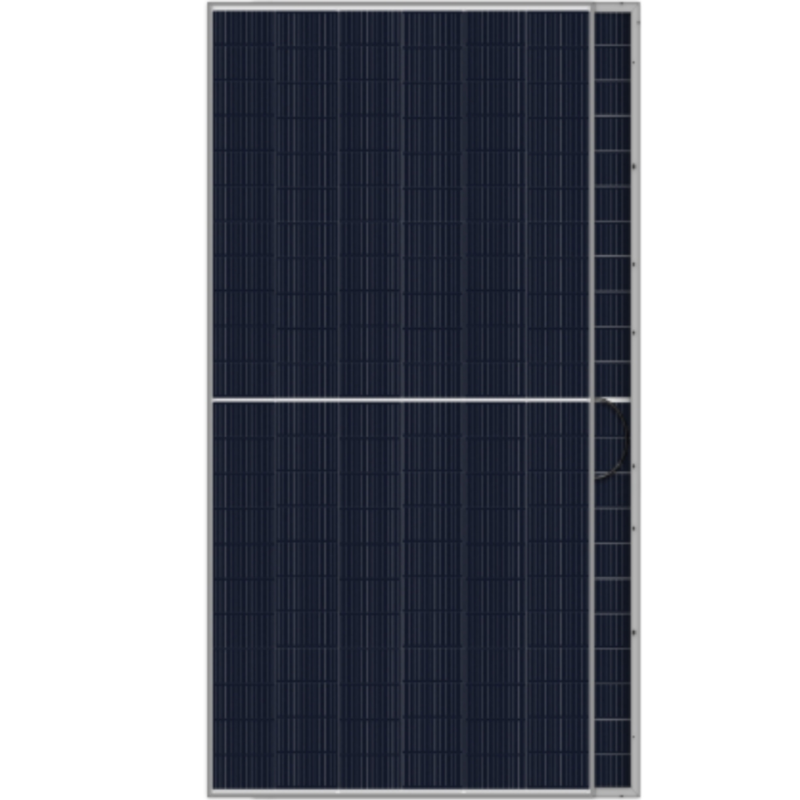
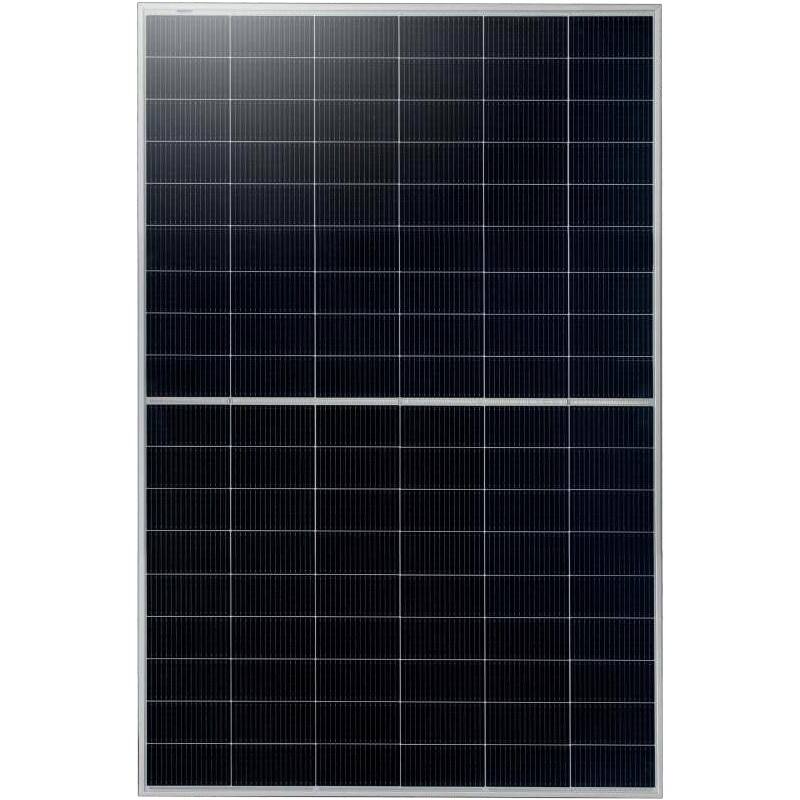
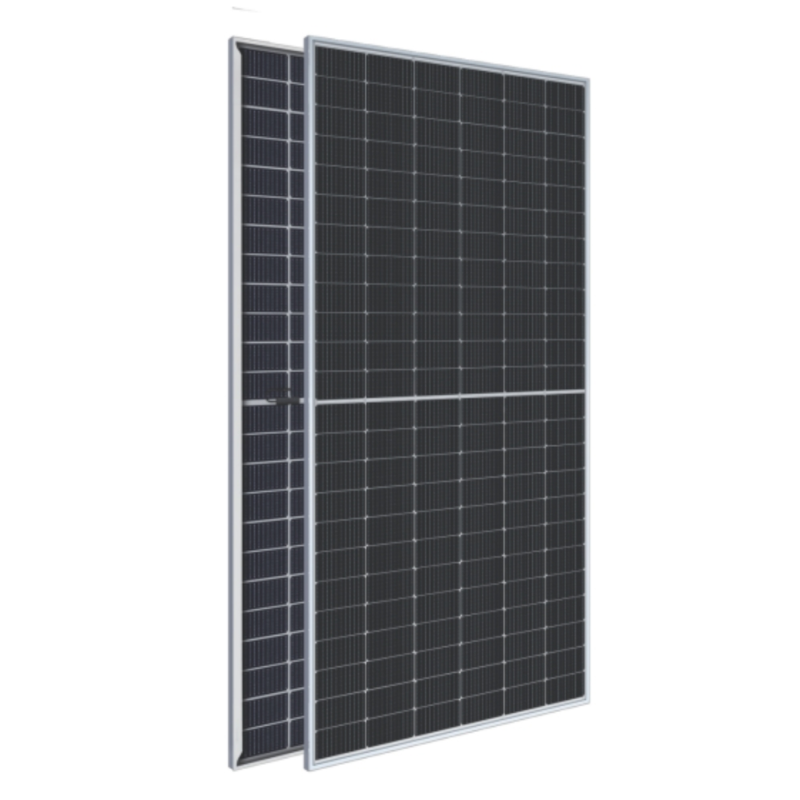
bifacial photovoltaic panels
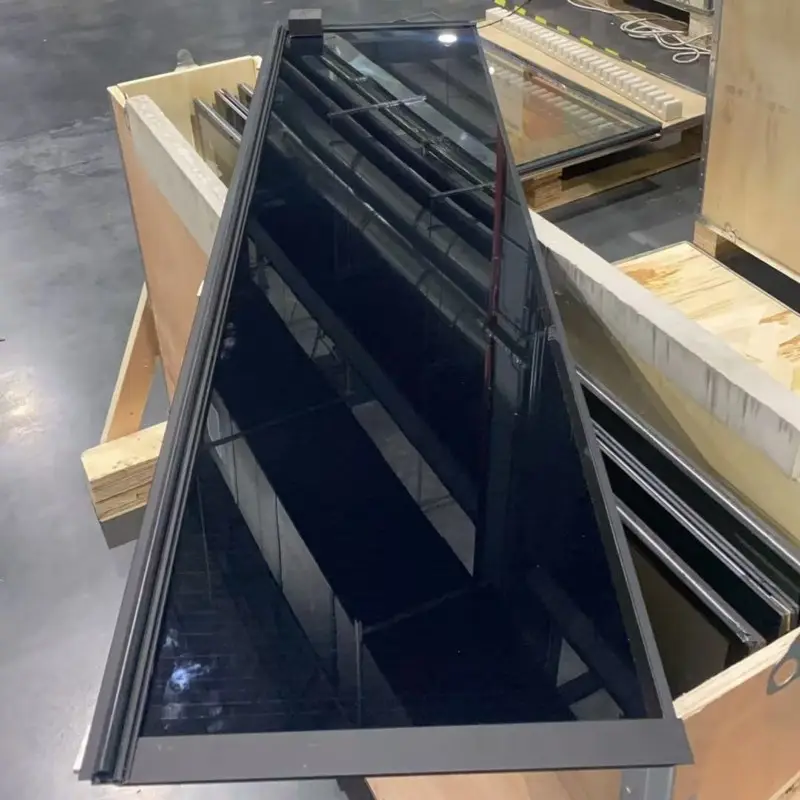
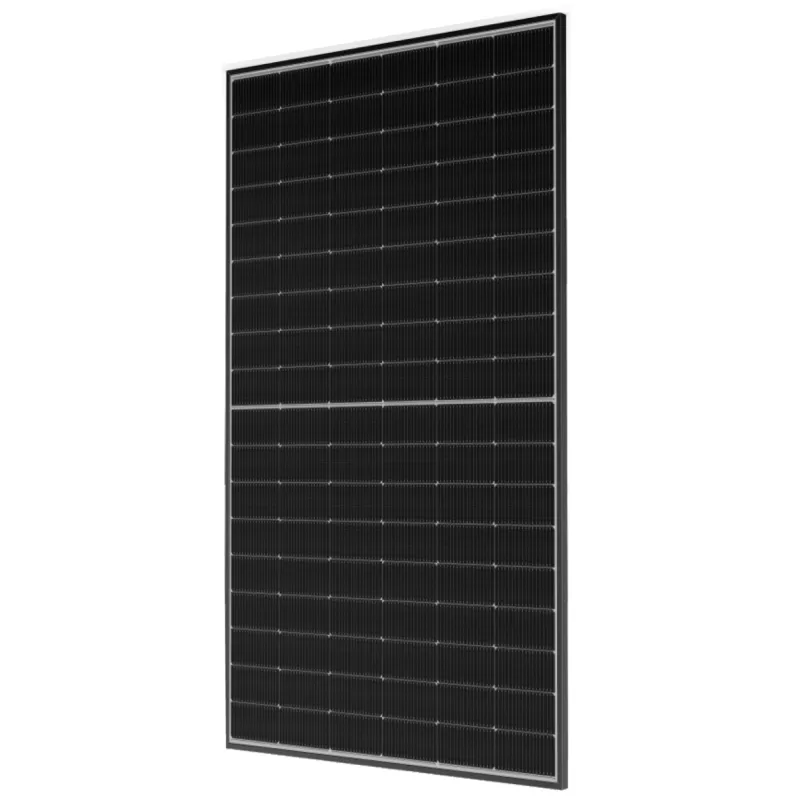
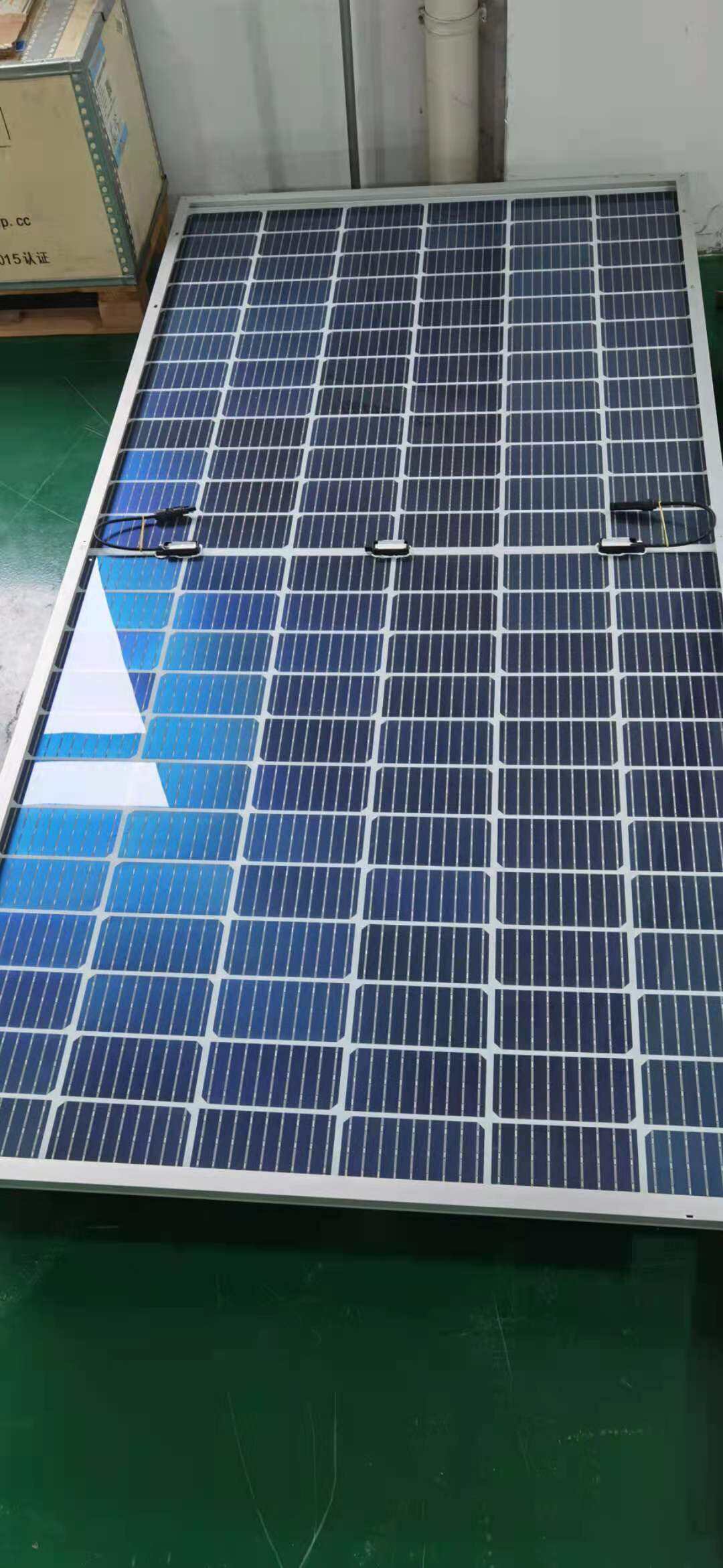
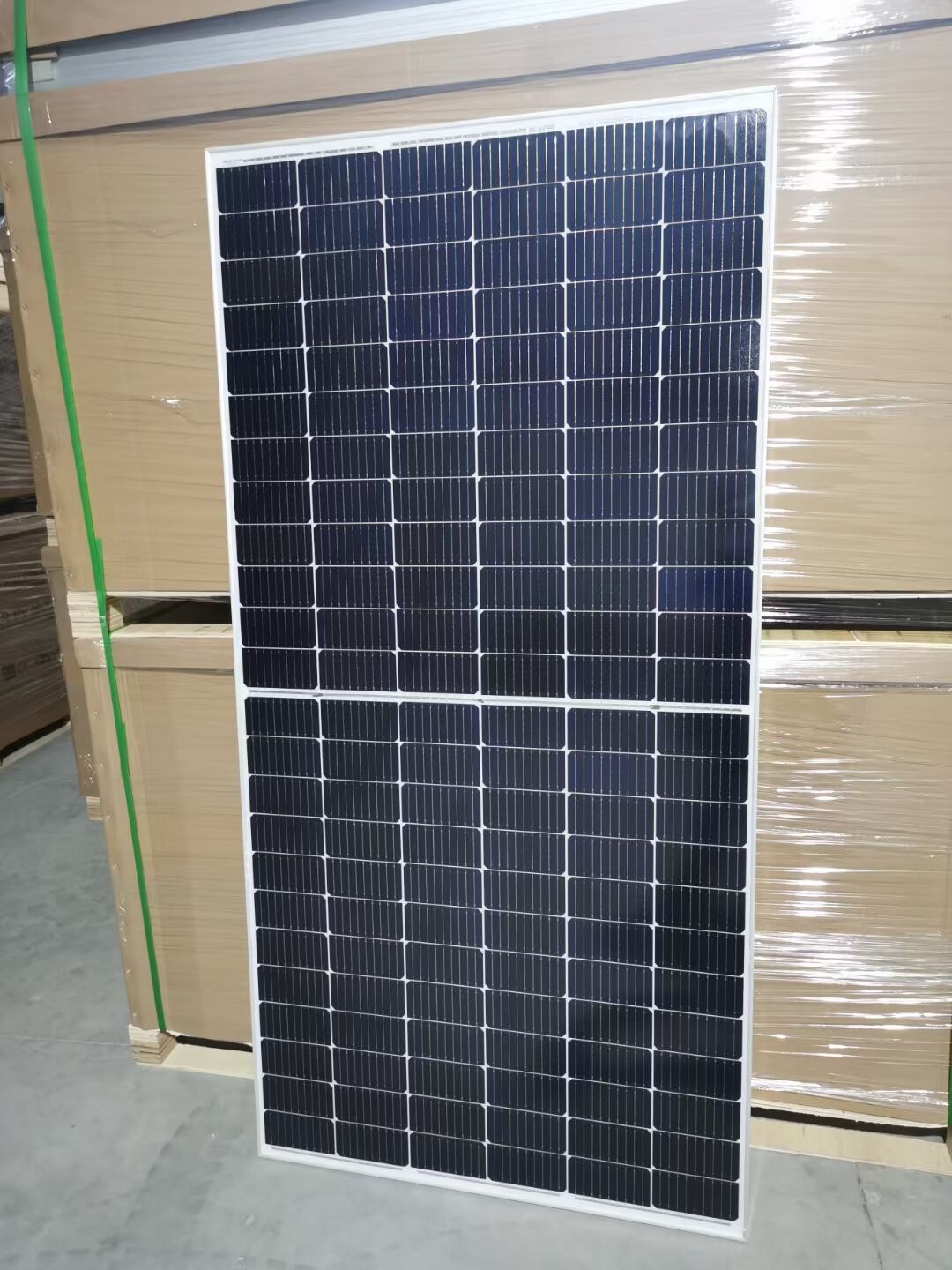
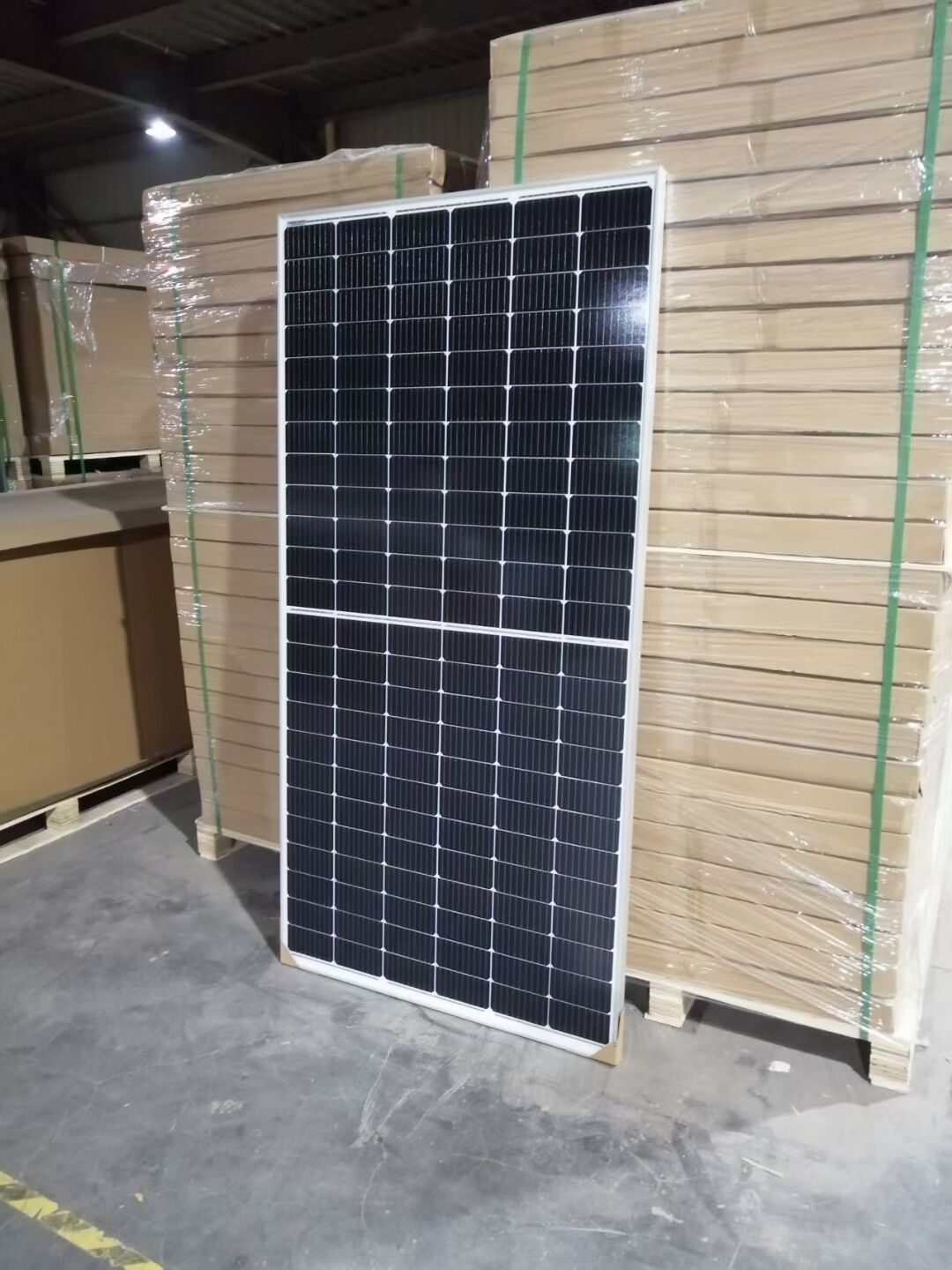
Bifacial photovoltaic panels represent a revolutionary advancement in solar energy technology, fundamentally transforming how we capture and utilize sunlight for electricity generation. Unlike traditional monofacial solar panels that only absorb light from their front surface, bifacial photovoltaic panels feature photovoltaic cells on both the front and rear sides, enabling them to capture solar radiation from multiple directions simultaneously. This innovative design allows these panels to harness direct sunlight from above while also utilizing reflected light from surfaces below, such as ground, rooftops, or specialized reflective materials. The core functionality of bifacial photovoltaic panels revolves around their dual-sided light absorption capability, which significantly increases their overall energy yield compared to conventional single-sided panels. These advanced panels typically incorporate transparent or translucent backsheets instead of opaque materials, allowing light to penetrate through to the rear cells. The technological architecture includes high-efficiency monocrystalline or polycrystalline silicon cells, advanced anti-reflective coatings, and robust glass-on-glass construction that ensures durability while maintaining optimal light transmission. Modern bifacial photovoltaic panels often integrate PERC (Passivated Emitter and Rear Cell) technology, which enhances electron collection efficiency on both sides of the panel. The applications for bifacial photovoltaic panels span across various sectors, including residential installations, commercial rooftops, utility-scale solar farms, agrivoltaics systems, and floating solar installations. These panels prove particularly effective in environments with high albedo surfaces, such as snowy regions, desert areas with light-colored sand, or installations over white roofing membranes. The versatility of bifacial photovoltaic panels makes them suitable for ground-mounted systems, elevated installations, and specialized mounting structures that maximize their dual-sided exposure. Their robust construction and enhanced energy generation capabilities position bifacial photovoltaic panels as a premier choice for maximizing solar energy harvesting in diverse environmental conditions.



 EN
EN