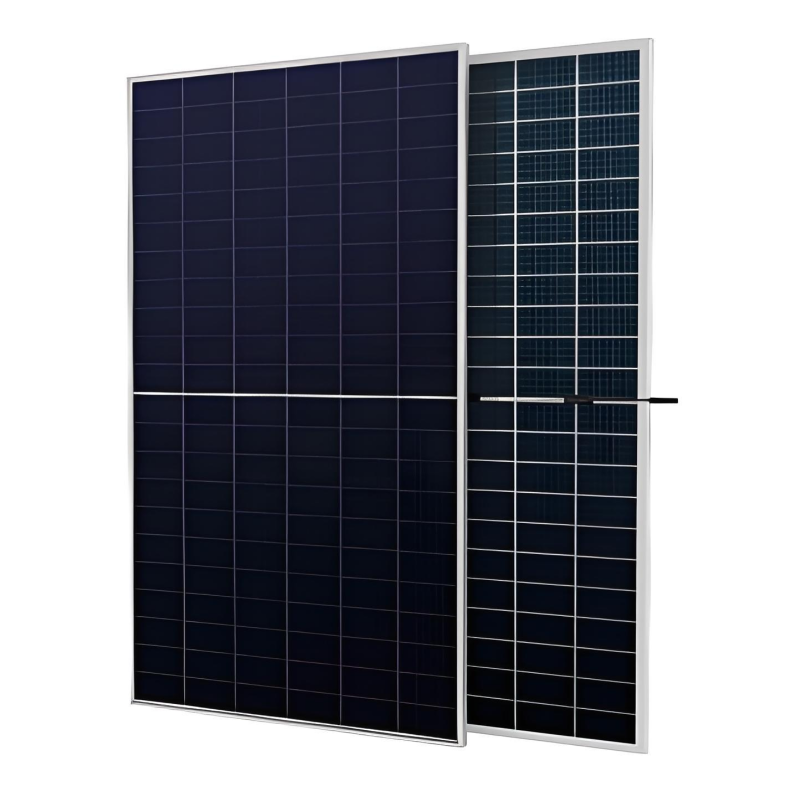
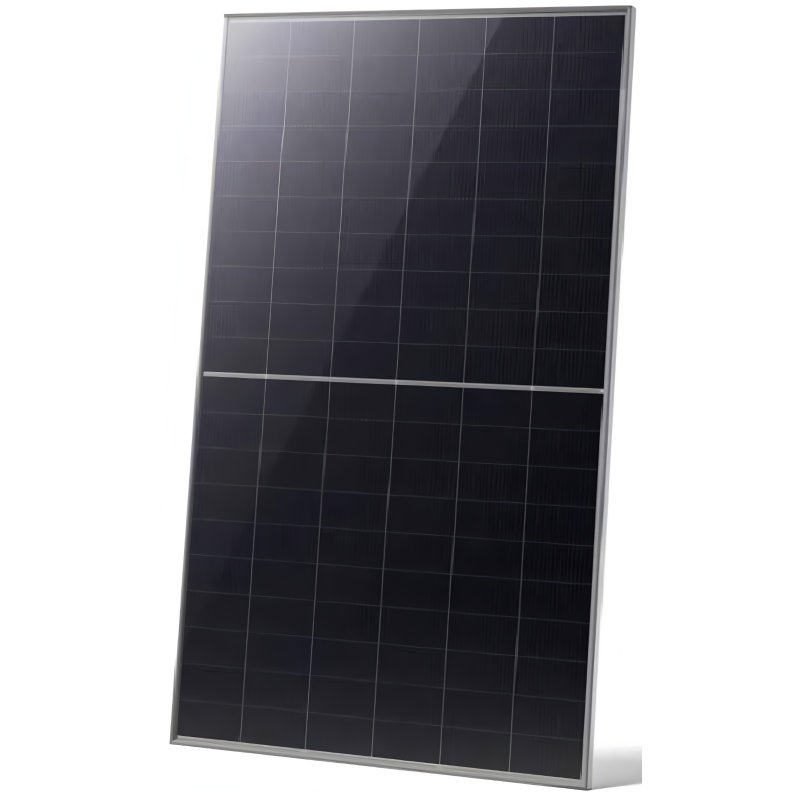
Premium Bifacial Frameless Solar Panels - Advanced Dual-Sided Energy Collection Technology

Get a Free Quote

Our representative will contact you soon.
Email
Name
Company Name
Message
0/1000

bifacial frameless solar panels

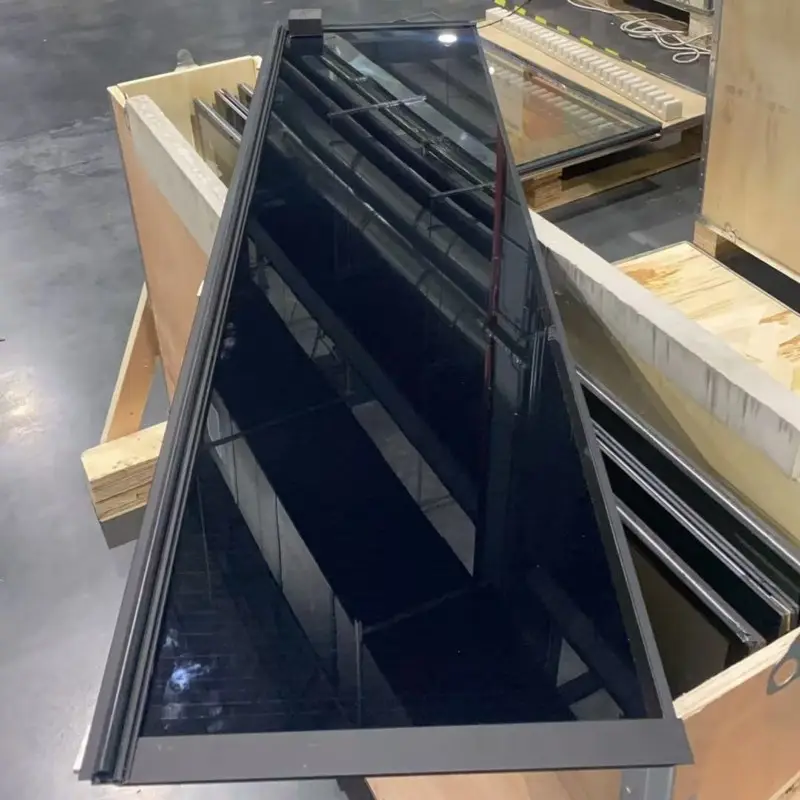
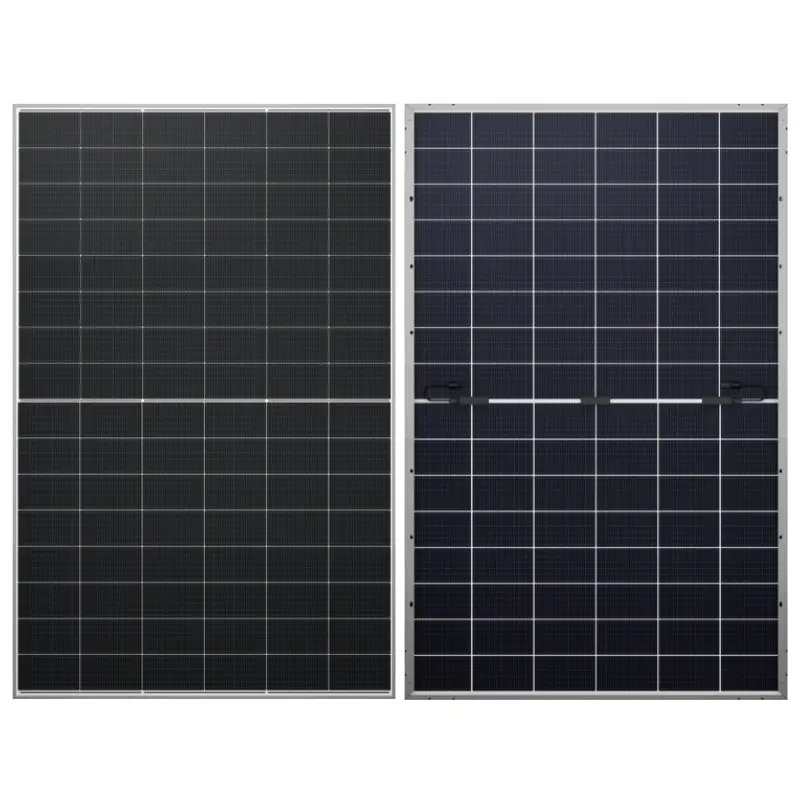
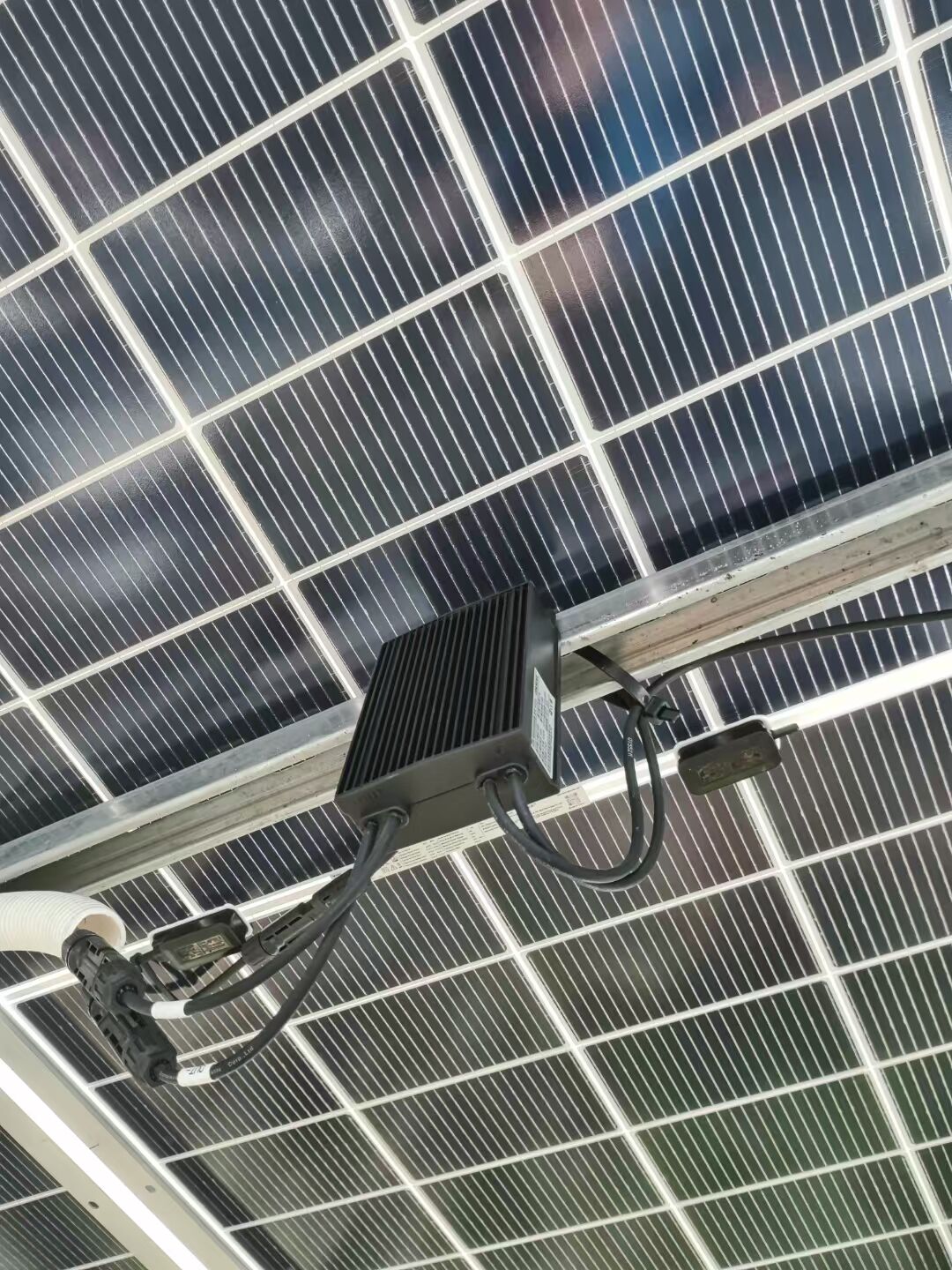
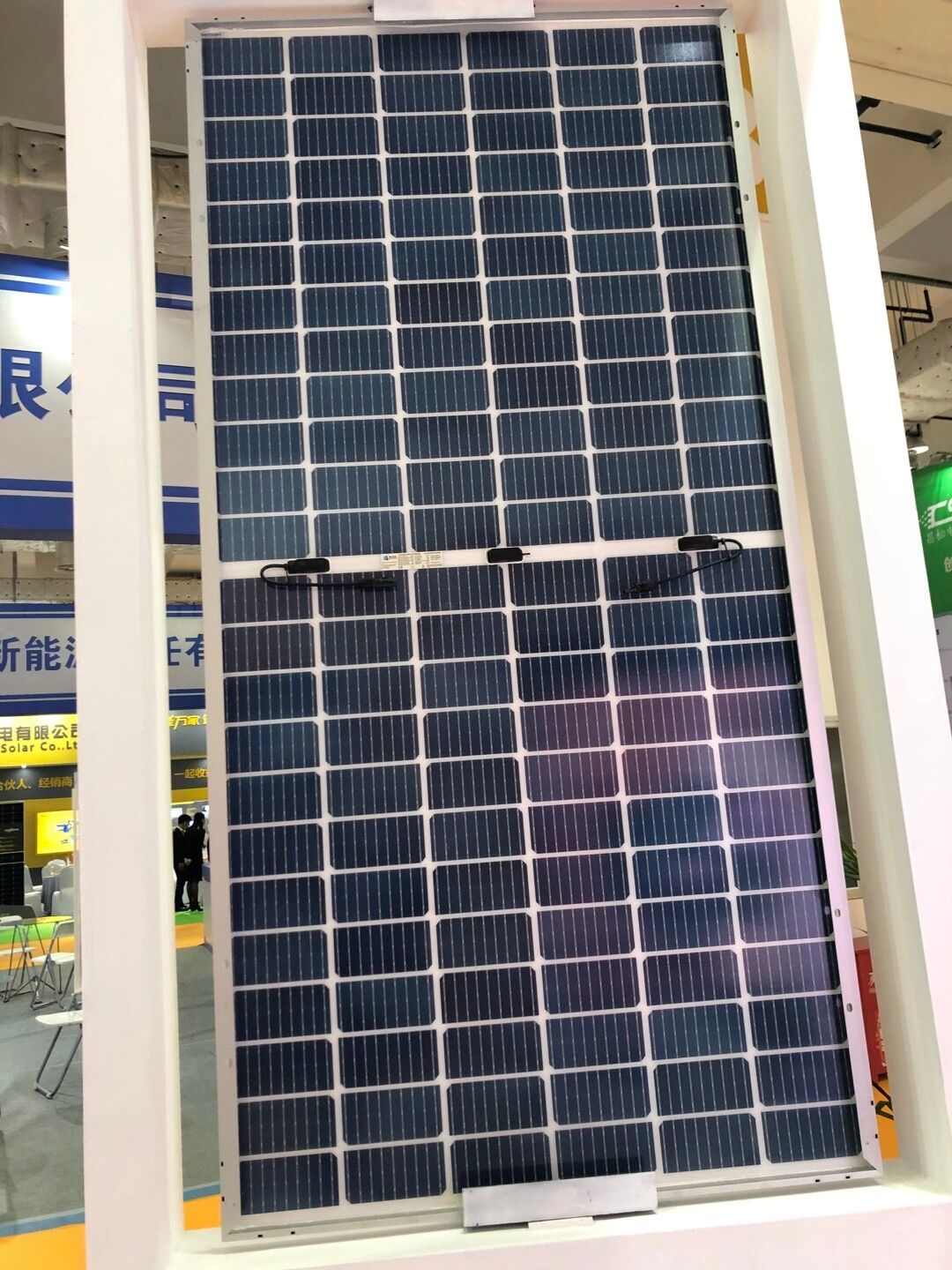
Bifacial frameless solar panels represent a cutting-edge advancement in photovoltaic technology, designed to maximize energy generation while minimizing installation complexity. These innovative panels capture sunlight from both their front and rear surfaces, significantly increasing power output compared to traditional single-sided modules. The frameless design eliminates the bulky aluminum frame found in conventional panels, creating a sleek, modern appearance that integrates seamlessly with various architectural styles. The main function of bifacial frameless solar panels centers on dual-sided energy collection, where the front surface directly absorbs sunlight while the back surface harnesses reflected light from surrounding surfaces like rooftops, ground cover, or snow. This dual-collection capability can boost energy production by 15-30% under optimal conditions. The technological features include advanced N-type silicon cells that offer superior performance in low-light conditions and higher temperature tolerance. These panels utilize transparent backsheets or dual-glass construction, allowing light to penetrate and reach the rear photovoltaic cells. The frameless architecture reduces weight by approximately 15-20% compared to framed alternatives, simplifying transportation and installation procedures. Applications for bifacial frameless solar panels span residential rooftops, commercial buildings, ground-mounted arrays, and innovative installations like solar canopies or pergolas. Their aesthetic appeal makes them particularly suitable for architectural integration projects where visual impact matters. The panels excel in environments with high albedo surfaces, such as areas with snow coverage, white rooftops, or reflective ground materials. Agricultural applications benefit from their elevated mounting systems that allow crops to grow beneath while generating clean energy. The versatility of bifacial frameless solar panels extends to floating solar installations and tracking systems where their lightweight construction and enhanced energy yield provide significant advantages over conventional alternatives.

New Product Releases

Bifacial frameless solar panels deliver exceptional energy efficiency that translates directly into higher electricity generation and improved return on investment for property owners. The dual-sided energy collection capability increases power output substantially, with rear-side contributions reaching up to 30% additional energy under ideal reflective conditions. This enhanced performance means fewer panels are needed to achieve the same energy goals, reducing installation costs and roof space requirements. The frameless construction offers significant weight reduction benefits, making these panels easier to handle during installation and reducing structural load requirements on buildings. Installers appreciate the simplified mounting process since the absence of frames eliminates potential stress concentration points and reduces the risk of micro-cracks during handling. The sleek, modern appearance of bifacial frameless solar panels enhances property aesthetics significantly compared to traditional framed modules. Property owners value this visual improvement, especially in residential applications where curb appeal matters. The seamless integration with various architectural styles makes these panels suitable for premium installations where appearance is crucial. Durability advantages include improved resistance to mechanical stress due to the elimination of frame-related thermal expansion issues. The frameless design reduces potential failure points, as aluminum frames can suffer from corrosion, loosening, or thermal stress over time. Weather resistance improves with better water drainage and reduced debris accumulation compared to framed alternatives. The transparent backsheet or glass-glass construction provides superior protection against environmental factors while maintaining optimal light transmission to rear cells. Maintenance requirements decrease significantly with bifacial frameless solar panels since the smooth surface design prevents dirt and debris accumulation in frame corners. Cleaning becomes more efficient and thorough, maintaining peak performance levels throughout the panel's operational life. Cost-effectiveness emerges from multiple factors including higher energy yield per panel, reduced transportation expenses due to lighter weight, simplified installation procedures, and lower long-term maintenance requirements. The enhanced power density allows system designers to achieve higher energy production in limited spaces, maximizing the value of available installation area. Long-term performance benefits include better temperature coefficients and improved low-light performance characteristics that maintain energy production during challenging weather conditions.

Tips And Tricks

Why is the half cell solar panel the current standard for B2Bsolar?

23

Dec

Why is the half cell solar panel the current standard for B2Bsolar?

The solar industry has witnessed remarkable technological evolution over the past decade, with the half cell solar panel emerging as the dominant choice for B2B applications. This advanced photovoltaic technology has fundamentally transformed how bus...
View More
How to choose a high-performance half cell solar panel forrooftop?

23

Dec

How to choose a high-performance half cell solar panel forrooftop?

Selecting the right solar panel technology for your rooftop installation represents one of the most critical decisions in your renewable energy journey. Among the various solar panel innovations available today, half cell solar panel technology stand...
View More
How to maintain half cell solar panels to prevent local hot spots?

23

Dec

How to maintain half cell solar panels to prevent local hot spots?

Maintaining half cell solar panels properly is crucial for preventing local hot spots that can significantly reduce energy output and potentially damage your solar installation. These advanced photovoltaic modules feature innovative cell splitting te...
View More
How to select a half cell solar panel manufacturer for bulk oirders?

23

Dec

How to select a half cell solar panel manufacturer for bulk oirders?

When planning large-scale solar installations, selecting the right half cell solar panel manufacturer becomes a critical decision that can determine the success of your project. With the growing adoption of photovoltaic technology in commercial and i...
View More

Get a Free Quote

Our representative will contact you soon.
Email
Name
Company Name
Message
0/1000

bifacial frameless solar panels

Revolutionary Dual-Sided Energy Collection Technology

Revolutionary Dual-Sided Energy Collection Technology

The dual-sided energy harvesting capability of bifacial frameless solar panels represents a revolutionary advancement that fundamentally changes how solar installations generate electricity. Unlike traditional panels that only utilize direct sunlight hitting the front surface, these innovative modules capture energy from both front and rear sides simultaneously, creating a significant competitive advantage in energy production. The front surface operates like conventional panels, directly converting sunlight into electricity through high-efficiency photovoltaic cells. However, the rear surface adds a completely new dimension by harvesting reflected and scattered light from surrounding surfaces, effectively turning the installation environment into an active contributor to energy generation. This dual collection mechanism works particularly well in environments with high reflectivity, such as areas with white rooftops, snow-covered ground, concrete surfaces, or specially designed reflective materials. The rear-side energy contribution varies based on installation height, tilt angle, and surrounding surface reflectivity, but typically ranges from 10-30% additional power generation. This substantial increase in energy yield means property owners achieve higher returns on their solar investment while using fewer panels to meet their energy needs. The technology becomes especially valuable in commercial and utility-scale installations where maximizing energy production per square foot directly impacts project economics. Ground-mounted systems benefit tremendously from this dual-sided approach, as elevated installations allow optimal light reflection to reach the rear cells. Agricultural applications create synergistic benefits where crops grow beneath elevated bifacial frameless solar panels while the installation generates clean energy above. The enhanced energy density provided by dual-sided collection makes these panels ideal for space-constrained installations where traditional panels might not provide sufficient power generation. Performance monitoring data consistently shows superior energy yield compared to conventional single-sided alternatives, with some installations reporting annual energy increases of 20-25% under optimal conditions. This technological advancement represents a crucial step toward making solar energy more efficient and cost-effective for widespread adoption.
Elegant Frameless Design for Superior Aesthetics and Performance

Elegant Frameless Design for Superior Aesthetics and Performance

The frameless design of these advanced solar panels delivers superior aesthetics and enhanced performance characteristics that address key concerns of modern property owners and installation professionals. Traditional aluminum frames create visual bulk and aesthetic disruption that many property owners find unappealing, particularly in residential applications where maintaining curb appeal is important. Bifacial frameless solar panels eliminate this visual barrier by creating clean, seamless lines that integrate beautifully with contemporary architectural styles. The sleek appearance makes these panels particularly suitable for premium residential installations, commercial buildings with architectural significance, and any application where visual impact matters. Beyond aesthetic benefits, the frameless construction provides tangible performance improvements that enhance long-term reliability and energy production. The elimination of aluminum frames removes potential thermal expansion stress points that can lead to micro-cracks and performance degradation over time. Thermal cycling causes aluminum frames to expand and contract at different rates than silicon cells, creating mechanical stress that can compromise panel integrity. Frameless panels avoid this issue entirely, potentially extending operational lifespan and maintaining peak performance longer. Weight reduction represents another significant advantage of the frameless design, with these panels typically weighing 15-20% less than equivalent framed alternatives. This weight reduction simplifies transportation, reduces shipping costs, and makes installation easier and safer for technicians. The reduced structural load requirements mean these panels can be installed on buildings that might not support heavier framed alternatives, expanding installation possibilities. The smooth, continuous surface created by frameless construction improves water drainage and reduces areas where dirt, debris, or snow can accumulate. This enhanced self-cleaning capability maintains optimal light transmission and reduces maintenance requirements compared to framed panels where debris often collects in frame corners and edges. Installation efficiency improves significantly with frameless panels since mounting systems can be designed more simply without accommodating frame dimensions and potential frame-related stress concentration points. The result is faster, more reliable installations that reduce labor costs and improve system economics for both residential and commercial applications.
Enhanced Durability and Low Maintenance Operation

Enhanced Durability and Low Maintenance Operation

Bifacial frameless solar panels demonstrate superior durability characteristics and reduced maintenance requirements that provide significant long-term value for property owners and commercial installations. The absence of aluminum frames eliminates numerous potential failure points that commonly affect traditional solar panels over their operational lifespan. Aluminum frames are susceptible to corrosion, thermal stress, loosening of corner connections, and degradation of gaskets and seals that can compromise panel integrity. By removing these components entirely, bifacial frameless solar panels achieve inherently higher reliability and longer operational life expectancy. The glass-glass or transparent backsheet construction provides superior environmental protection compared to traditional panel designs. This robust construction method creates an effective barrier against moisture intrusion, temperature cycling, and mechanical stress while maintaining optimal transparency for rear-side light collection. The dual-glass configuration particularly excels in harsh environmental conditions, offering enhanced resistance to hail impact, wind loading, and temperature extremes that might damage conventional panels with polymer backsheets. Maintenance requirements decrease substantially due to the smooth, continuous surface design that prevents accumulation of dirt, leaves, bird droppings, and other debris in frame corners and crevices. Traditional framed panels require careful cleaning around frame edges where contaminants commonly collect, but frameless panels can be cleaned quickly and thoroughly with standard cleaning equipment. This reduced maintenance burden translates into lower operational costs and more consistent energy production over the panel's lifetime. The improved drainage characteristics of frameless panels prevent water pooling and associated issues like mineral deposits or biological growth that can reduce energy output. Snow and ice removal becomes more efficient since the smooth surface allows natural shedding and simplified removal when necessary. Temperature performance benefits emerge from the elimination of frame-related thermal bridging effects that can create hot spots and reduce efficiency in traditional panels. The uniform thermal characteristics of frameless construction contribute to more consistent performance across varying temperature conditions. Quality control advantages include simplified manufacturing processes that reduce potential defects related to frame assembly, gasket placement, and corner connection integrity. This manufacturing simplification often results in lower failure rates and improved long-term reliability compared to more complex framed alternatives, providing peace of mind for property owners investing in solar energy systems.
Inquiry Inquiry Premium Bifacial Frameless Solar Panels - Advanced Dual-Sided Energy Collection Technology Premium Bifacial Frameless Solar Panels - Advanced Dual-Sided Energy Collection Technology Premium Bifacial Frameless Solar Panels - Advanced Dual-Sided Energy Collection Technology

Get a Free Quote

Our representative will contact you soon.
Email
Name
Company Name
Message
0/1000