bifacial photovoltaic modules
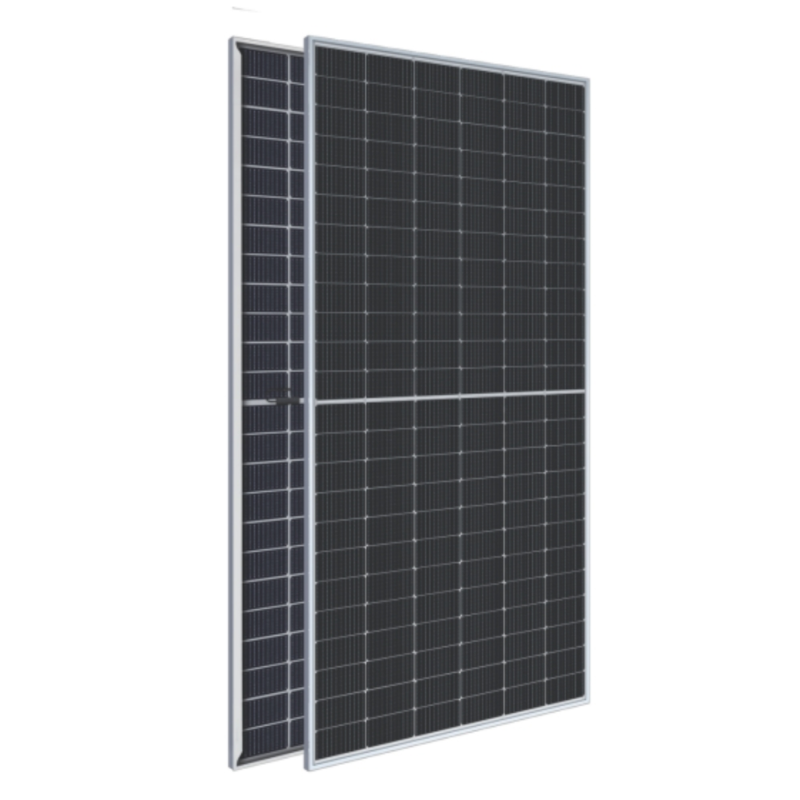
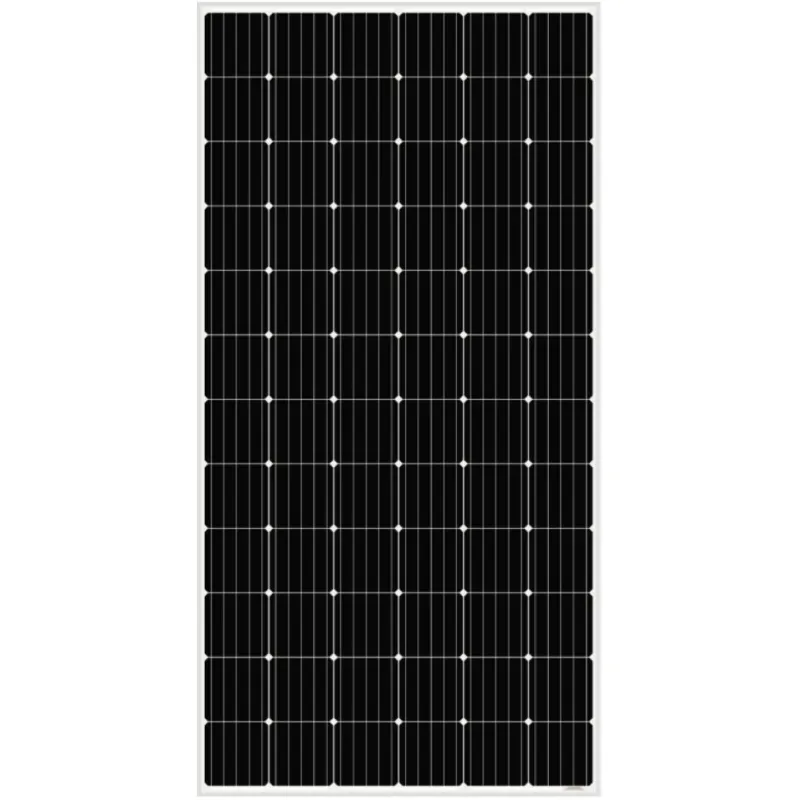
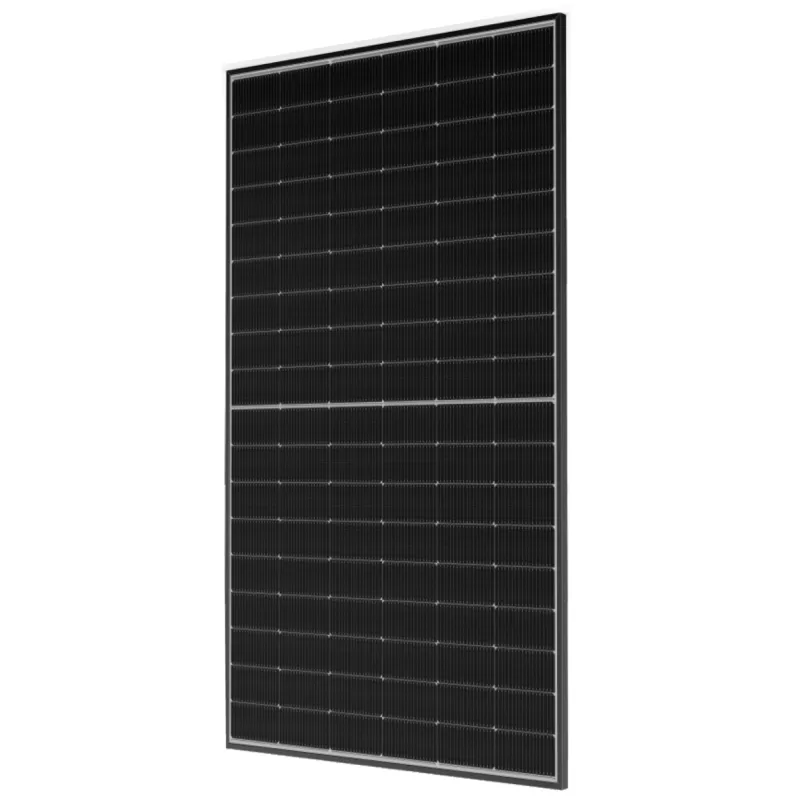
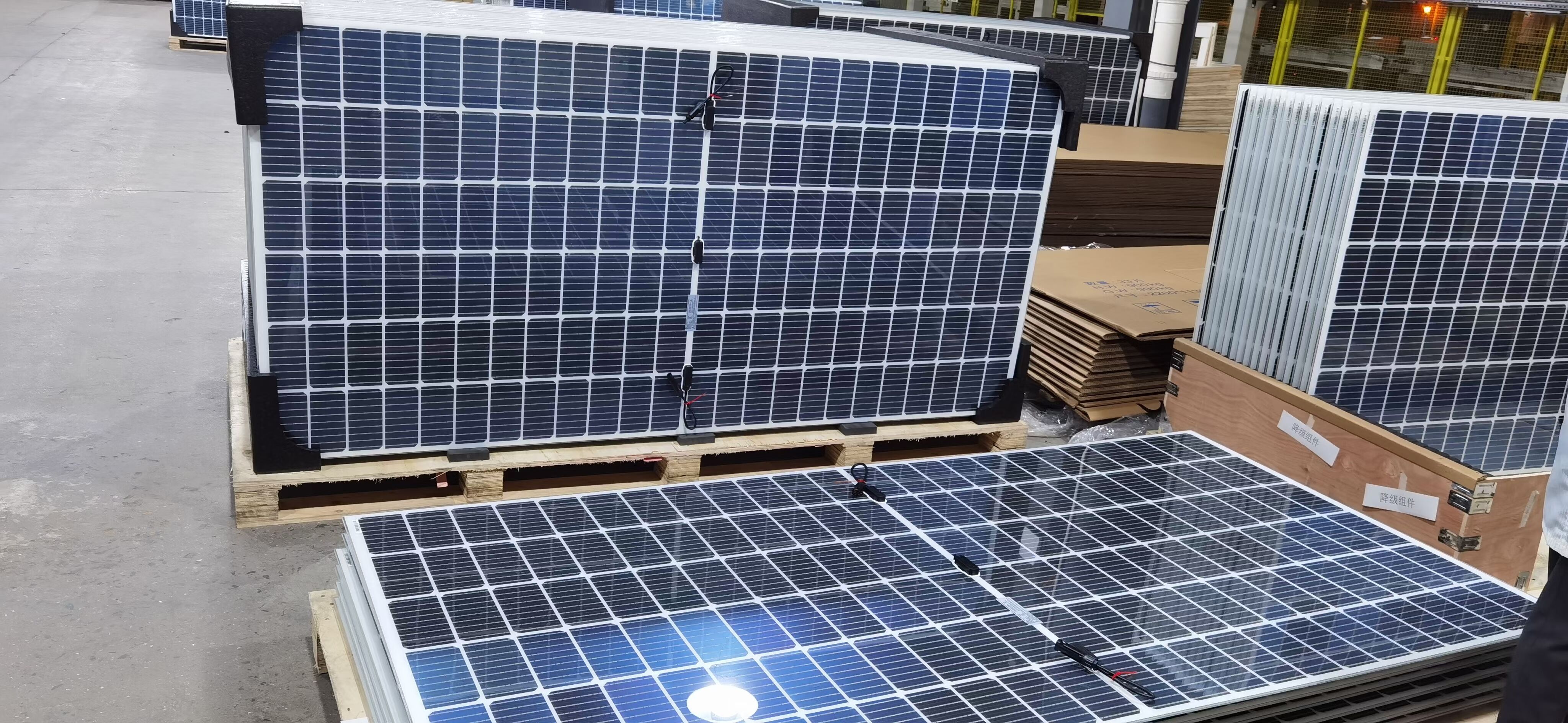
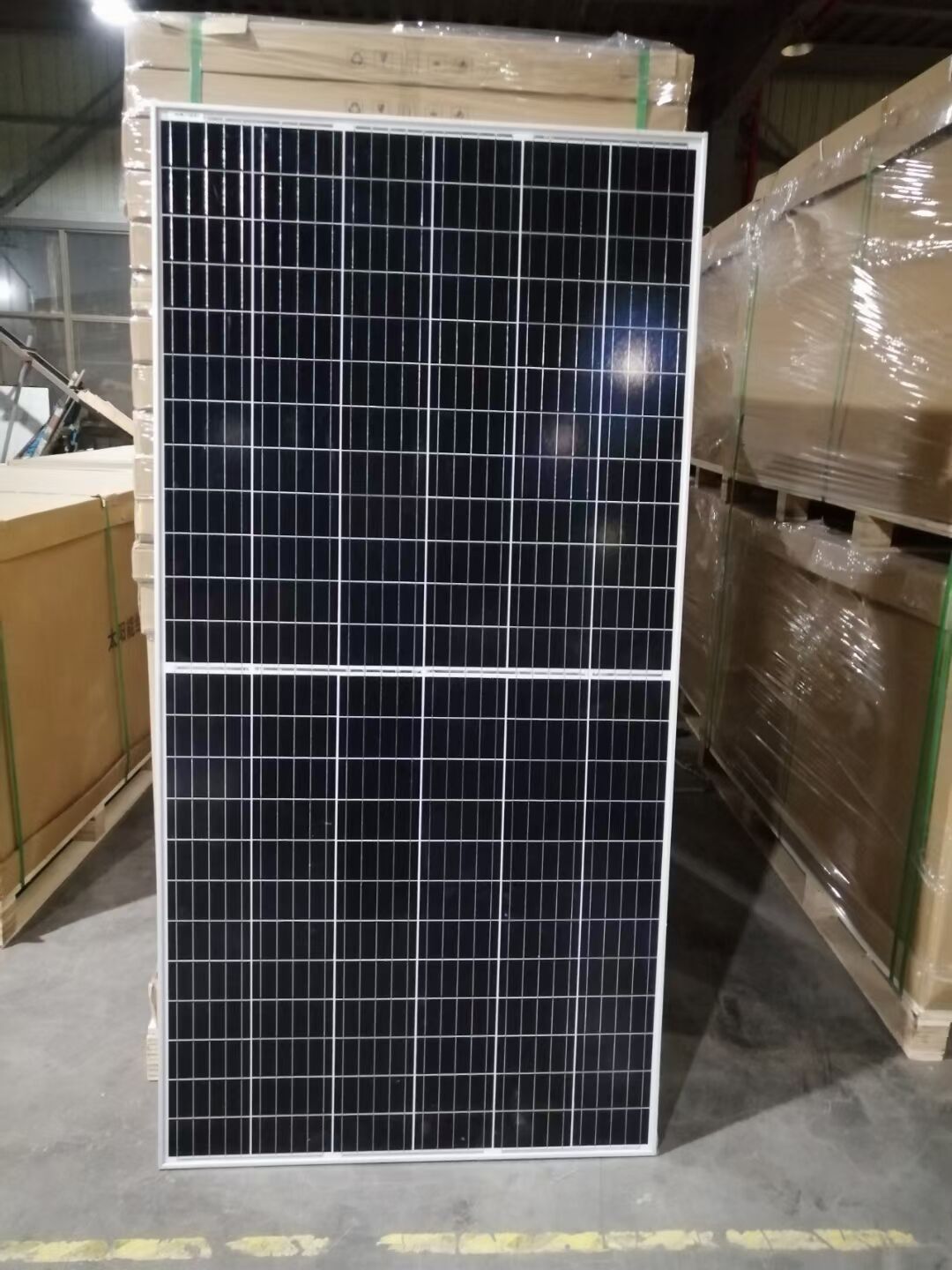
Bifacial photovoltaic modules represent a revolutionary advancement in solar energy technology, fundamentally transforming how we harness sunlight for electricity generation. Unlike traditional monofacial solar panels that capture light exclusively from their front surface, bifacial photovoltaic modules feature transparent or semi-transparent rear surfaces that enable light absorption from both sides simultaneously. This dual-sided energy collection capability significantly enhances overall power output and system efficiency. The main function of bifacial photovoltaic modules centers on maximizing solar energy conversion through their innovative design that captures direct sunlight on the front surface while simultaneously utilizing reflected light, scattered radiation, and albedo effects on the rear surface. The technological features of these advanced modules include specialized cell architectures with passivated emitter and rear contact designs, transparent backsheets or glass-glass constructions, and optimized electrical configurations that accommodate dual-sided power generation. Modern bifacial photovoltaic modules typically employ crystalline silicon technology with anti-reflective coatings and advanced encapsulation materials that ensure durability while maintaining transparency. The applications for bifacial photovoltaic modules span diverse sectors including utility-scale solar farms, commercial rooftop installations, agrivoltaic systems, and specialized mounting configurations where reflected light availability enhances performance. These modules excel particularly in environments with high albedo surfaces such as sandy deserts, snowy regions, water bodies, and concrete surfaces that reflect substantial amounts of sunlight back toward the rear panel surface. Installation flexibility represents another key aspect, as bifacial photovoltaic modules can be mounted vertically, horizontally, or at various angles to optimize both front and rear light exposure based on specific site conditions and energy requirements.



 EN
EN