Bifacial Solar Cells: Revolutionary Dual-Surface Technology for Maximum Energy Efficiency

Get a Free Quote

Our representative will contact you soon.
Email
Name
Company Name
Message
0/1000

bifacial solar cells

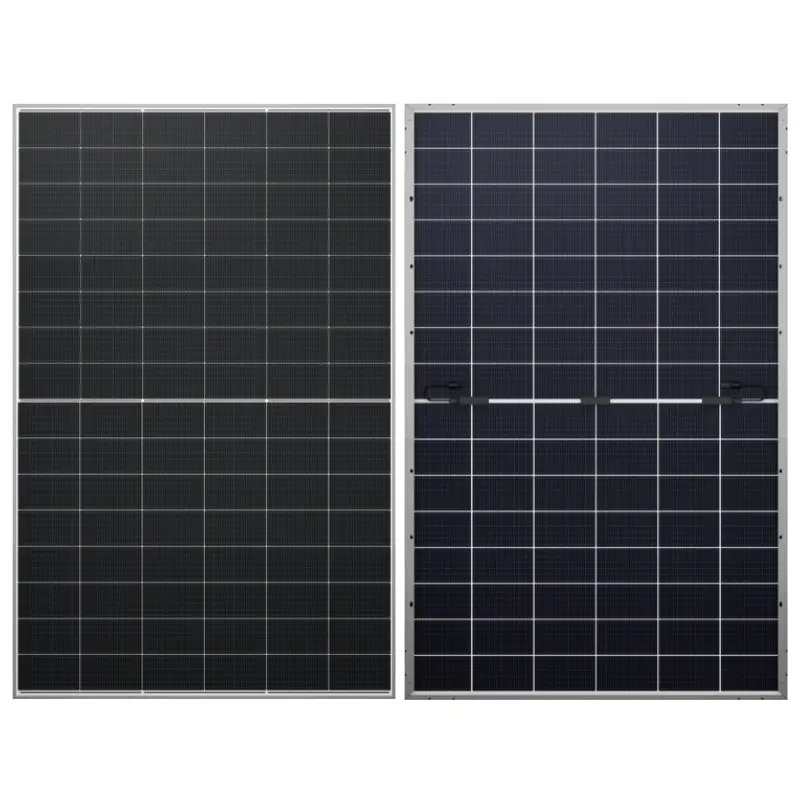
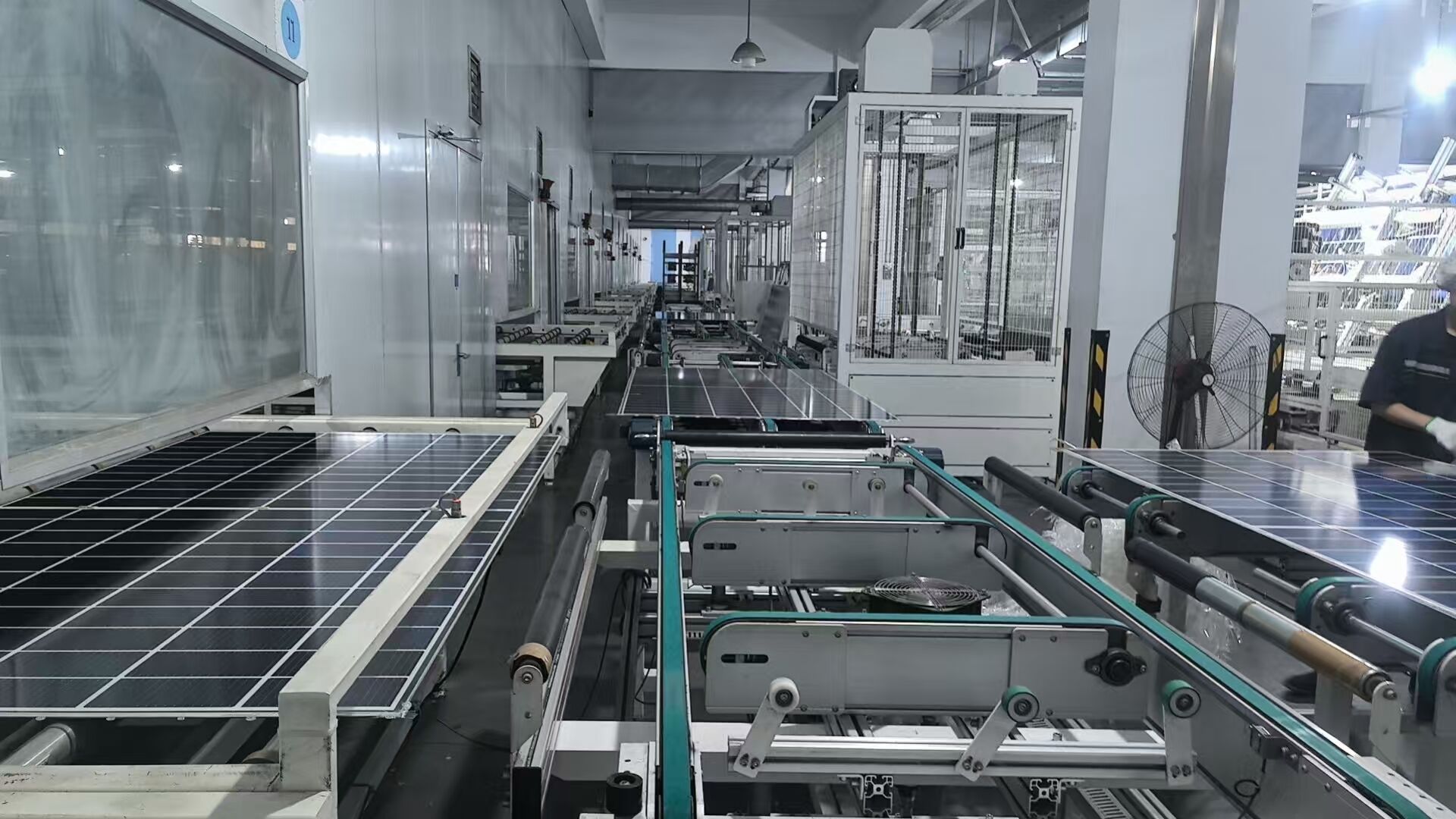
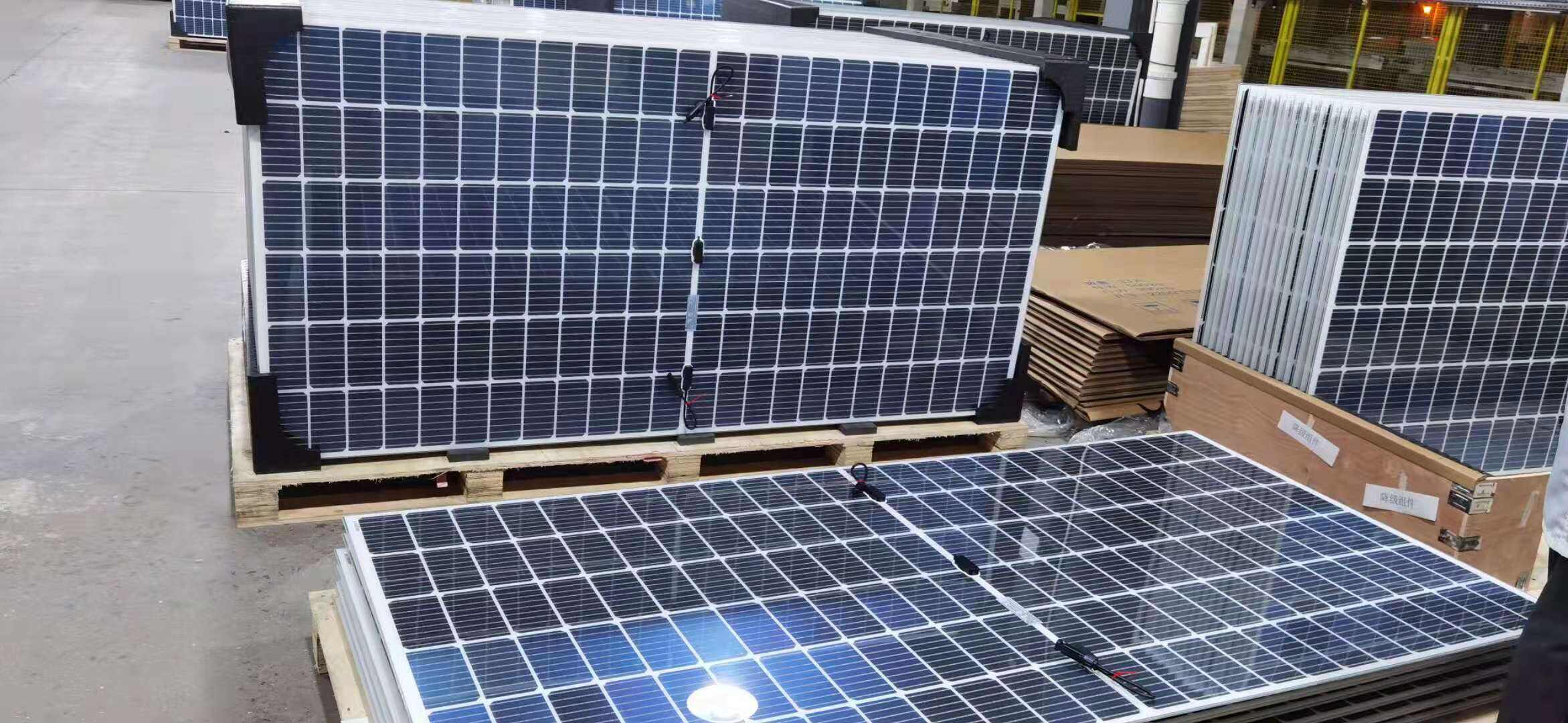
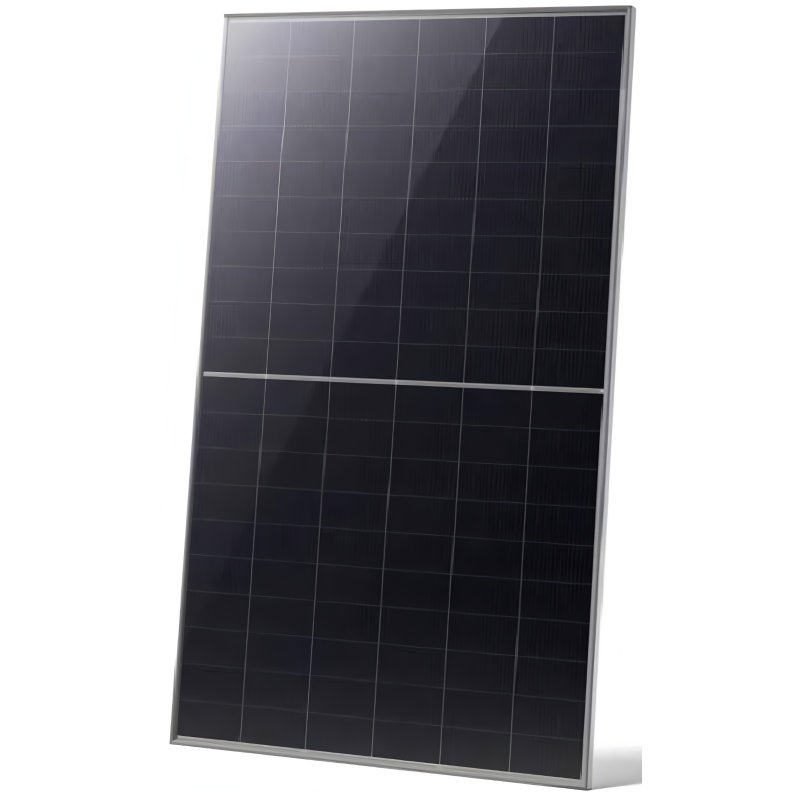
Bifacial solar cells represent a revolutionary advancement in photovoltaic technology, fundamentally transforming how we harness solar energy. Unlike traditional monofacial panels that capture sunlight only from their front surface, bifacial solar cells utilize both sides to generate electricity, maximizing energy production potential. These innovative cells feature transparent or semi-transparent back sheets that allow light to penetrate and reflect onto the rear surface, creating a dual-energy capture system. The core function of bifacial solar cells centers on their ability to absorb direct sunlight from the front while simultaneously capturing reflected light from surrounding surfaces such as ground, snow, water, or nearby structures from the back. This dual-sided approach significantly increases overall energy yield compared to conventional panels. Technologically, bifacial solar cells employ advanced silicon wafer designs with specialized anti-reflective coatings on both surfaces. The manufacturing process involves creating cells with excellent light transmission properties and optimized electrical contacts that minimize shading on the active areas. Modern bifacial technology incorporates PERC (Passivated Emitter and Rear Cell) or TOPCon (Tunnel Oxide Passivated Contact) architectures, enhancing electron collection efficiency. These cells typically feature glass-glass construction or transparent backsheet configurations, providing superior durability and weather resistance. Applications for bifacial solar cells span residential rooftops, commercial installations, utility-scale solar farms, and specialized environments like agrivoltaics systems. They excel in locations with high albedo surfaces, elevated mounting systems, and areas where reflected light availability is substantial. The technology proves particularly effective in snowy regions, desert installations with reflective sand, and floating solar applications where water reflection amplifies energy generation potential.

Popular Products

Bifacial solar cells deliver exceptional energy output increases ranging from 15% to 30% compared to traditional single-sided panels, directly translating to higher electricity generation and improved return on investment for customers. This enhanced performance stems from their unique ability to capture scattered and reflected sunlight from both surfaces simultaneously, effectively utilizing previously wasted energy sources. Property owners benefit from reduced installation costs per watt of generated power, as fewer panels are needed to achieve desired energy targets. The superior durability of bifacial solar cells provides long-term value through extended lifespan and reduced maintenance requirements. Their robust glass-glass construction offers enhanced protection against environmental stressors including hail, wind, moisture, and temperature fluctuations. This resilient design results in minimal power degradation over time, ensuring consistent energy production for decades. Customers appreciate the lower total cost of ownership as these panels maintain higher efficiency levels throughout their operational life. Installation flexibility represents another significant advantage, as bifacial solar cells perform effectively in various mounting configurations including ground-mounted systems, elevated structures, and tracking systems. This versatility allows customers to optimize their solar installations based on specific site conditions and space constraints. The technology adapts well to different geographical locations and climate conditions, making it suitable for diverse applications worldwide. Environmental benefits include reduced carbon footprint per kilowatt-hour generated, supporting sustainability goals for residential and commercial users. Bifacial solar cells contribute to faster energy payback periods, meaning the energy invested in manufacturing is recovered more quickly through increased electricity generation. Financial incentives often favor high-efficiency solar technologies, potentially qualifying customers for enhanced rebates and tax credits. The aesthetic appeal of bifacial panels, with their sleek glass surfaces and modern appearance, adds property value while generating clean energy. Weather resistance ensures reliable performance across seasons, providing consistent energy production regardless of environmental conditions. This reliability reduces uncertainty in energy planning and helps customers achieve predictable utility bill reductions throughout the year.

Latest News

Why is the half cell solar panel the current standard for B2Bsolar?

23

Dec

Why is the half cell solar panel the current standard for B2Bsolar?

The solar industry has witnessed remarkable technological evolution over the past decade, with the half cell solar panel emerging as the dominant choice for B2B applications. This advanced photovoltaic technology has fundamentally transformed how bus...
View More
How to choose a high-performance half cell solar panel forrooftop?

23

Dec

How to choose a high-performance half cell solar panel forrooftop?

Selecting the right solar panel technology for your rooftop installation represents one of the most critical decisions in your renewable energy journey. Among the various solar panel innovations available today, half cell solar panel technology stand...
View More
Why are our half cell solar panels preferred by global distributors2

23

Dec

Why are our half cell solar panels preferred by global distributors2

The global solar energy market has witnessed unprecedented growth, with distributors increasingly seeking advanced photovoltaic solutions that deliver superior performance and reliability. Among the various technologies available, half cell solar pan...
View More
How to select a half cell solar panel manufacturer for bulk oirders?

23

Dec

How to select a half cell solar panel manufacturer for bulk oirders?

When planning large-scale solar installations, selecting the right half cell solar panel manufacturer becomes a critical decision that can determine the success of your project. With the growing adoption of photovoltaic technology in commercial and i...
View More

Get a Free Quote

Our representative will contact you soon.
Email
Name
Company Name
Message
0/1000

bifacial solar cells

Superior Energy Yield Through Dual-Surface Technology

Superior Energy Yield Through Dual-Surface Technology

The most compelling feature of bifacial solar cells lies in their groundbreaking dual-surface energy capture capability, which fundamentally revolutionizes solar energy harvesting efficiency. This innovative technology enables panels to absorb sunlight from both the front and rear surfaces simultaneously, creating an unprecedented opportunity for maximum energy extraction from available solar resources. The front surface operates like traditional panels, directly converting incoming solar radiation into electricity through photovoltaic processes. However, the rear surface adds an entirely new dimension by capturing reflected light from surrounding surfaces including ground cover, nearby structures, water bodies, and atmospheric scatter. This reflected light, known as albedo, varies significantly based on environmental conditions and surface materials. Snow-covered areas can reflect up to 90% of incident light, while concrete surfaces reflect approximately 25-35%, and grass reflects around 15-20%. Bifacial solar cells capitalize on these reflective properties, converting previously unused reflected energy into valuable electricity generation. The technology proves particularly effective in elevated mounting systems where air circulation between the ground and panel back surface optimizes light reflection. Ground-mounted installations benefit from strategic surface modifications such as white gravel or reflective materials to enhance rear-side irradiance. Commercial and utility-scale installations report energy gains of 20-35% in optimal conditions, directly impacting project economics and energy output forecasts. The dual-surface approach also provides more consistent energy production throughout the day, as reflected light remains relatively stable even when direct sunlight angles change. This consistency translates to more predictable energy generation patterns, helping customers better manage their electricity consumption and grid interaction. Installation professionals can optimize bifacial panel positioning to maximize both direct and reflected light capture, customizing configurations based on site-specific conditions. The technology's adaptability across different environments and mounting systems makes it an attractive choice for diverse applications ranging from residential rooftops to large-scale solar farms, consistently delivering superior energy yield compared to conventional single-sided alternatives.
Enhanced Durability and Weather Resistance

Enhanced Durability and Weather Resistance

Bifacial solar cells demonstrate exceptional durability characteristics that significantly outperform traditional photovoltaic panels, providing customers with superior long-term reliability and reduced maintenance requirements. The advanced construction methodology typically employs glass-glass configurations, where both the front and rear surfaces feature tempered glass protection instead of conventional polymer backsheets. This dual-glass design creates an inherently more robust structure capable of withstanding extreme weather conditions including severe hailstorms, high winds, heavy snow loads, and intense ultraviolet radiation exposure. The glass surfaces provide excellent resistance to moisture penetration, preventing potential induced degradation that commonly affects traditional panels over time. Temperature cycling, a major cause of solar panel deterioration, has minimal impact on bifacial solar cells due to their superior thermal stability and reduced thermal expansion coefficients. The robust construction methodology includes advanced edge sealing techniques that prevent moisture ingress and corrosion of internal components. This enhanced protection translates to extended operational lifespans often exceeding 30 years with minimal performance degradation. Customers benefit from reduced replacement costs and more predictable long-term energy production forecasts. The weather-resistant properties ensure consistent performance across diverse climate conditions, from desert environments with extreme temperature variations to coastal regions with high humidity and salt exposure. Hurricane-prone areas particularly benefit from the structural integrity of bifacial panels, which demonstrate superior wind load resistance compared to conventional alternatives. The technology's resilience against physical damage reduces insurance risks and potential property damage during severe weather events. Manufacturing quality standards for bifacial solar cells typically exceed industry norms, incorporating rigorous testing protocols for mechanical stress, thermal cycling, and environmental exposure. These enhanced standards result in lower warranty claim rates and improved customer satisfaction. The reduced maintenance requirements associated with bifacial technology stem from the self-cleaning properties of glass surfaces and reduced susceptibility to soiling and debris accumulation. This characteristic proves particularly valuable in dusty or agricultural environments where traditional panels require frequent cleaning. The combination of structural robustness and environmental resistance makes bifacial solar cells an ideal choice for customers seeking reliable, low-maintenance renewable energy solutions with predictable long-term performance characteristics.
Versatile Installation Options and Aesthetic Appeal

Versatile Installation Options and Aesthetic Appeal

Bifacial solar cells offer unprecedented installation flexibility and superior aesthetic qualities that address diverse customer preferences and site-specific requirements across residential, commercial, and utility applications. The technology's adaptability allows for innovative mounting solutions that maximize energy capture while meeting architectural and landscape design objectives. Ground-mounted installations benefit significantly from bifacial technology, as elevated mounting systems create optimal conditions for rear-surface illumination through reflected ground light. These configurations work exceptionally well with tracking systems that follow the sun's path throughout the day, further amplifying the dual-surface energy capture benefits. Agrivoltaic applications represent an emerging market where bifacial panels installed above agricultural crops provide dual benefits of electricity generation and crop protection, creating sustainable land use solutions. The semi-transparent properties of some bifacial designs enable creative architectural integration, including solar canopies, pergolas, and building-integrated photovoltaic systems that combine functionality with aesthetic appeal. Rooftop installations showcase the technology's versatility through various mounting options including ballasted systems, penetrating mounts, and integrated racking solutions. The sleek appearance of bifacial panels, characterized by uniform glass surfaces and minimal visible wiring, enhances property aesthetics while generating clean energy. Commercial applications benefit from the professional appearance of bifacial installations, which complement modern architectural designs and corporate sustainability initiatives. Floating solar installations represent another innovative application where bifacial technology excels, utilizing water surface reflection to boost energy production while conserving valuable land resources. The panels' durability in marine environments makes them ideal for reservoir, pond, and ocean-based installations. Parking lot canopies and carport applications provide dual functionality of vehicle protection and solar energy generation, maximizing land use efficiency. The installation flexibility extends to various tilt angles and orientations, allowing optimization for specific geographical locations and seasonal sun patterns. Maintenance accessibility remains excellent across different mounting configurations, ensuring long-term serviceability without compromising performance. The aesthetic appeal of bifacial installations often qualifies for architectural awards and green building certifications, adding value beyond energy generation. Property owners appreciate how bifacial solar arrays integrate seamlessly with existing structures while providing superior energy output. The technology's visual appeal helps overcome aesthetic objections that sometimes accompany traditional solar installations, facilitating broader adoption of renewable energy solutions across diverse communities and building types.

Inquiry Inquiry Bifacial Solar Cells: Revolutionary Dual-Surface Technology for Maximum Energy Efficiency Bifacial Solar Cells: Revolutionary Dual-Surface Technology for Maximum Energy Efficiency Bifacial Solar Cells: Revolutionary Dual-Surface Technology for Maximum Energy Efficiency

Get a Free Quote

Our representative will contact you soon.
Email
Name
Company Name
Message
0/1000