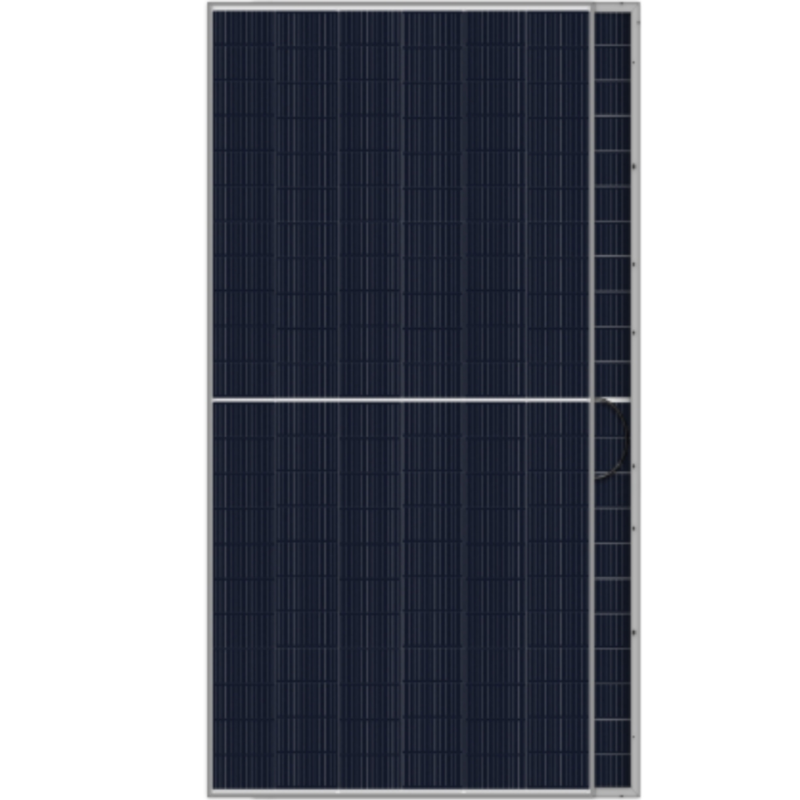
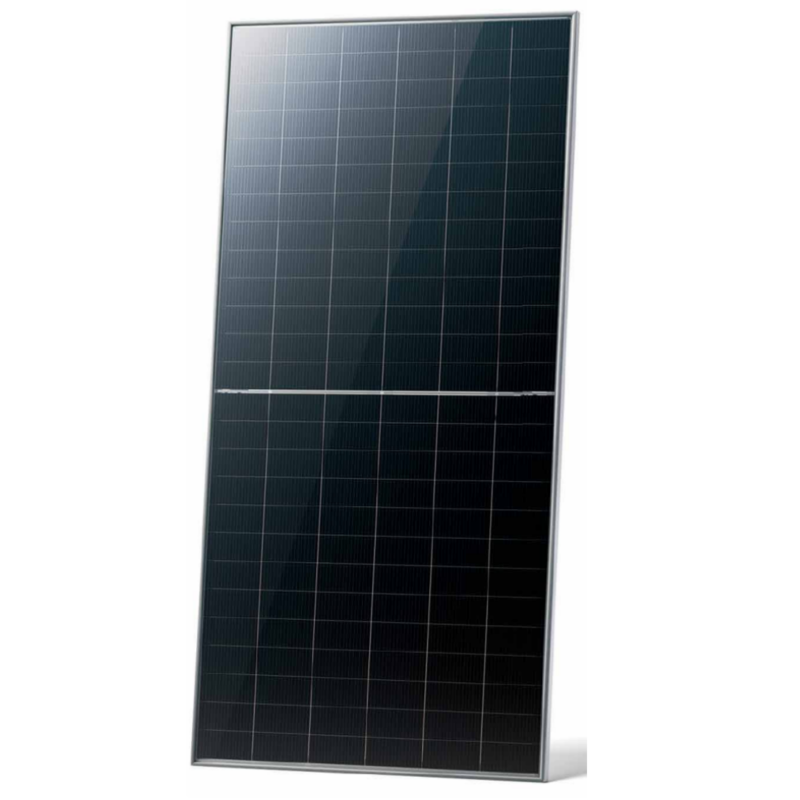
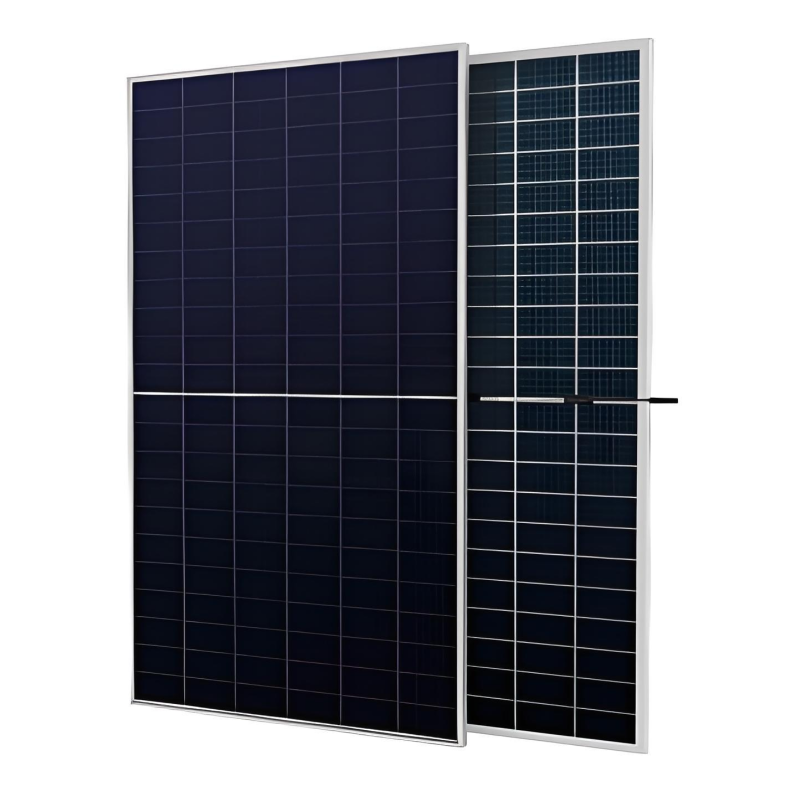
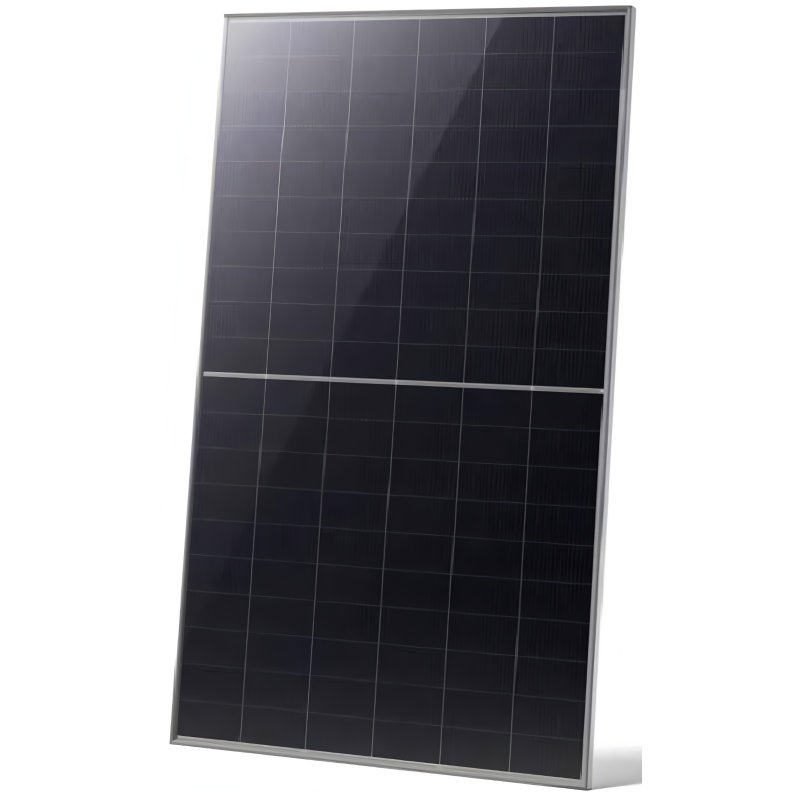
bifacial pv module
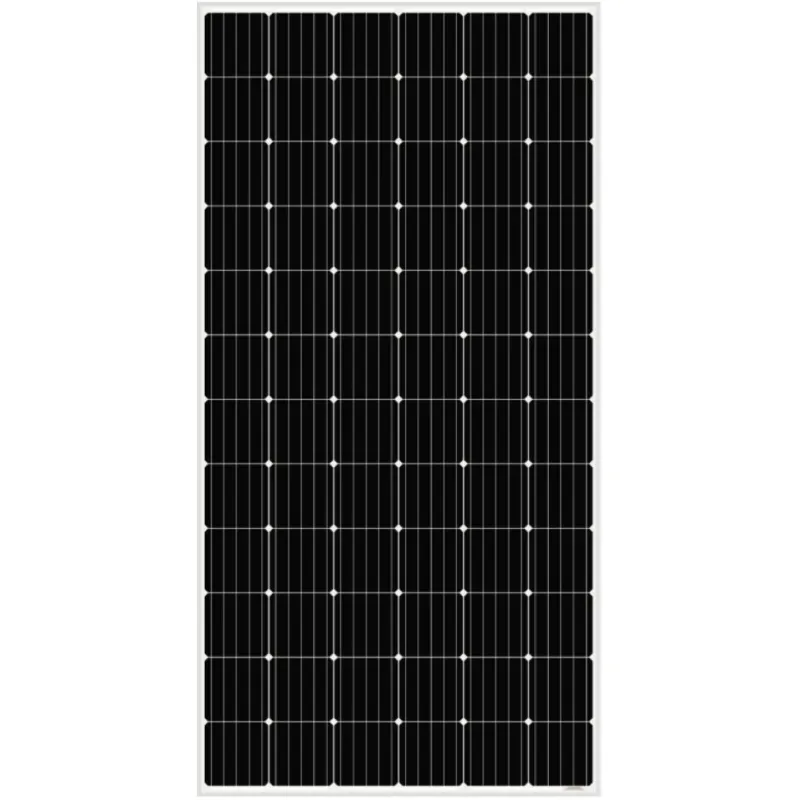
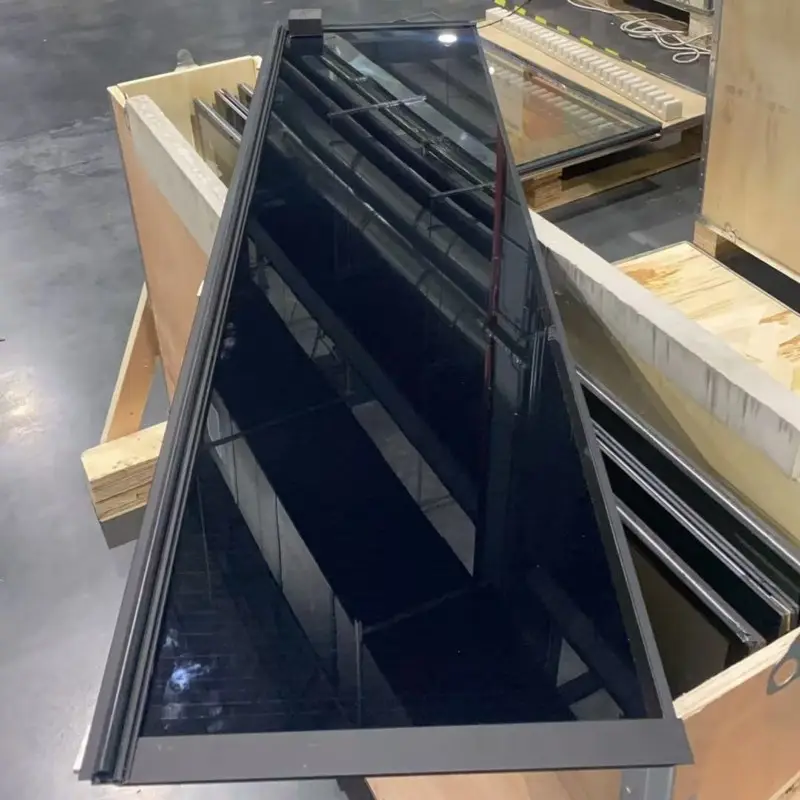
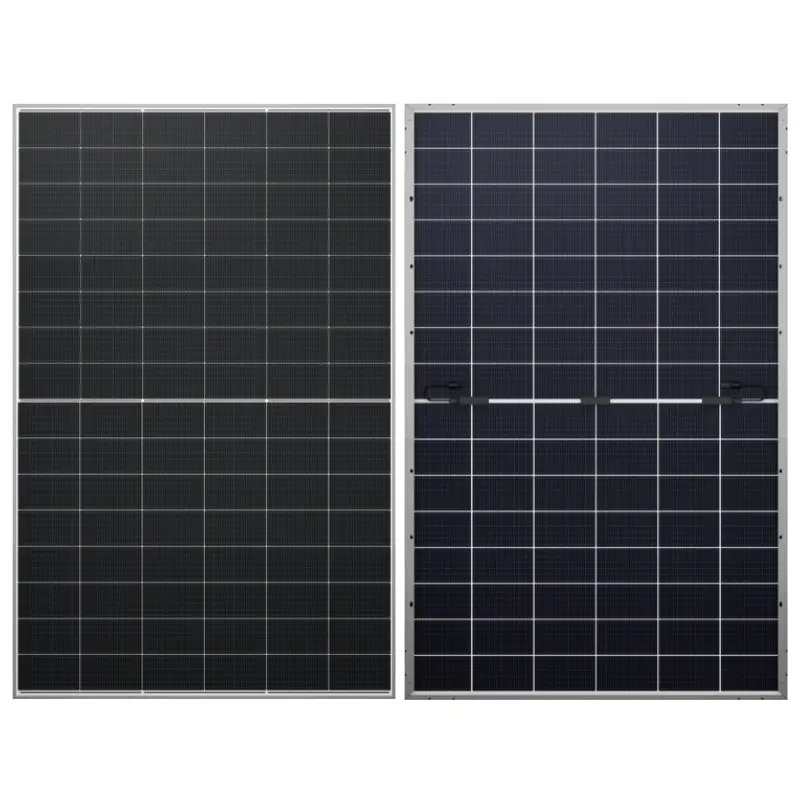
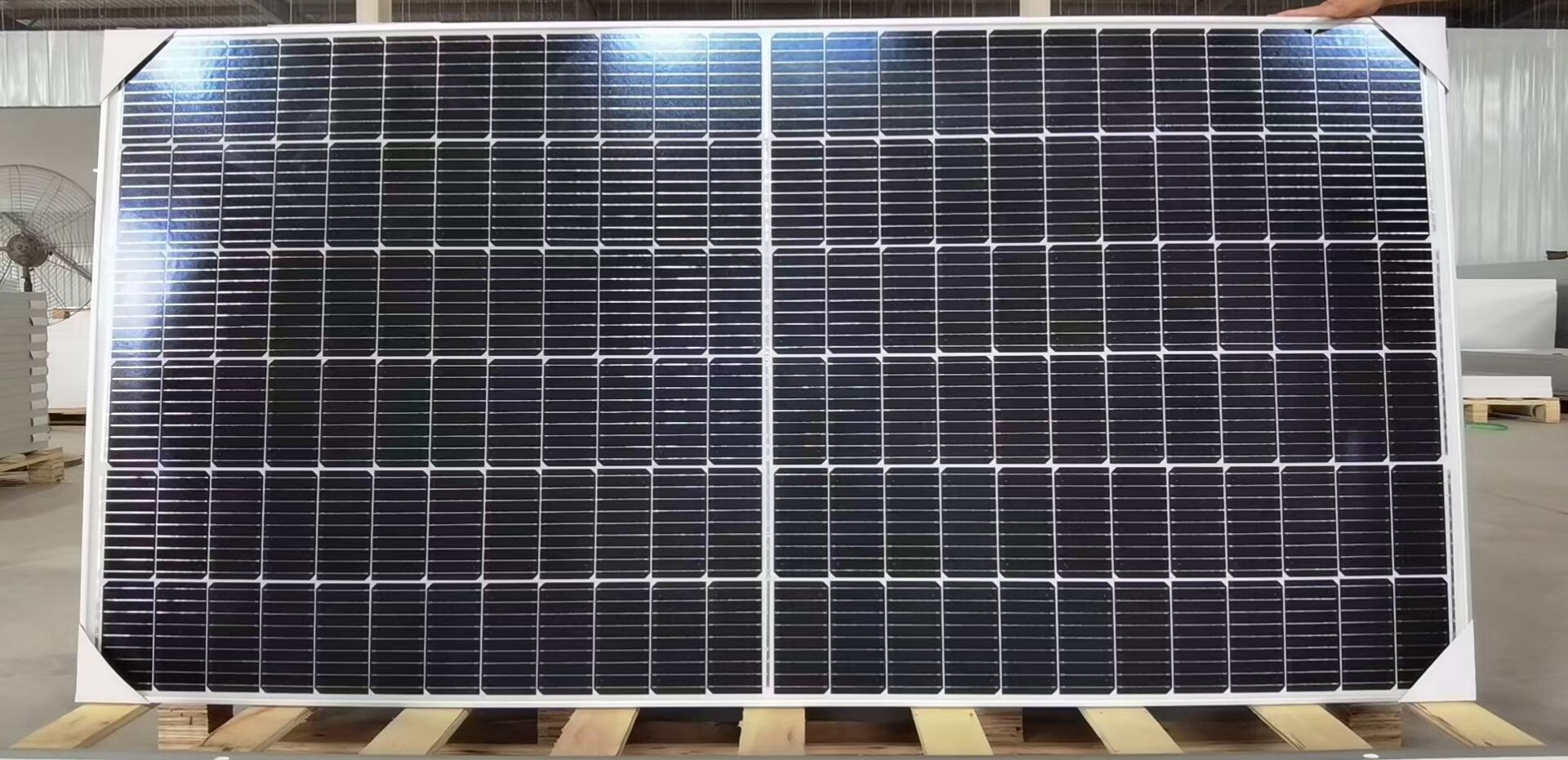
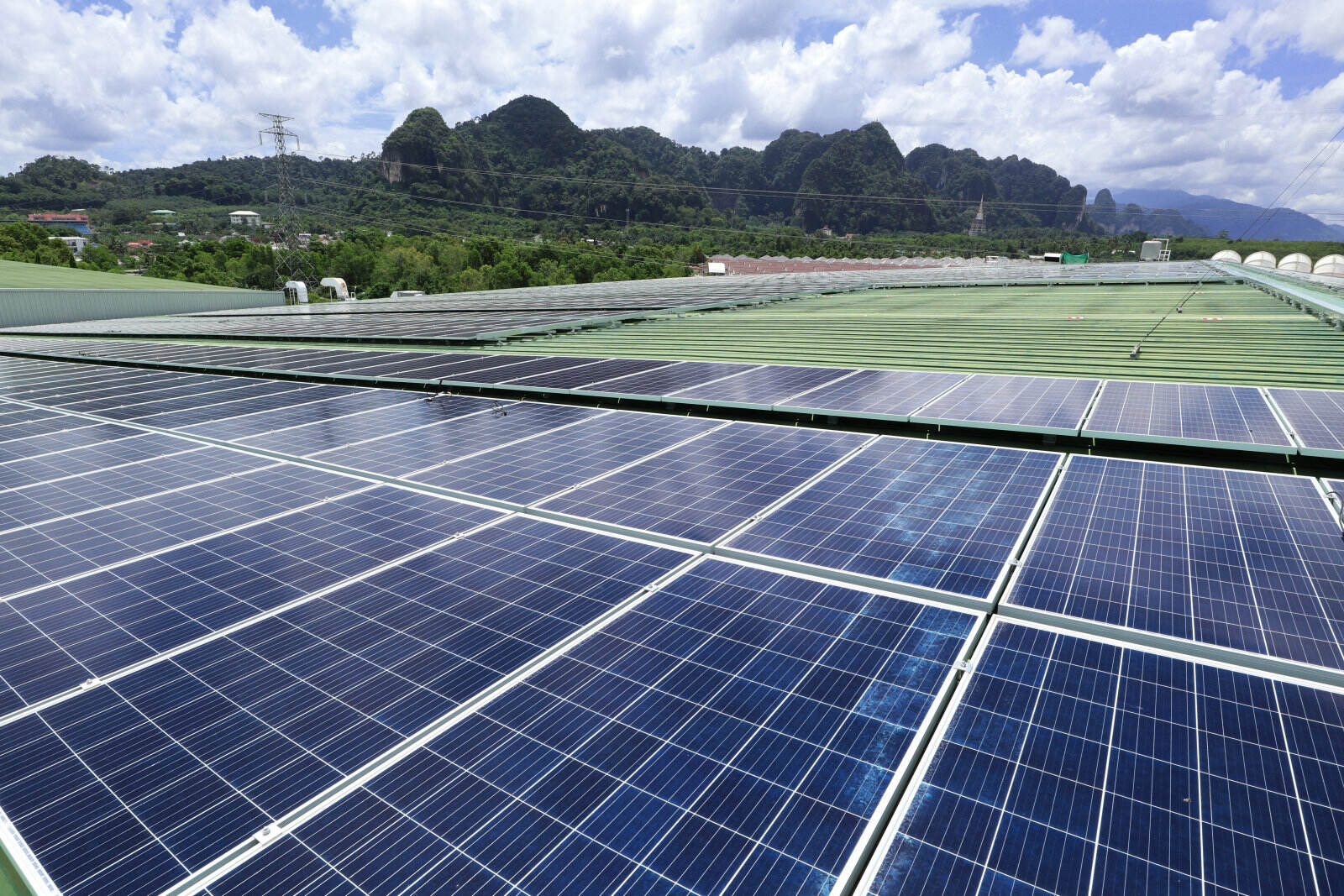
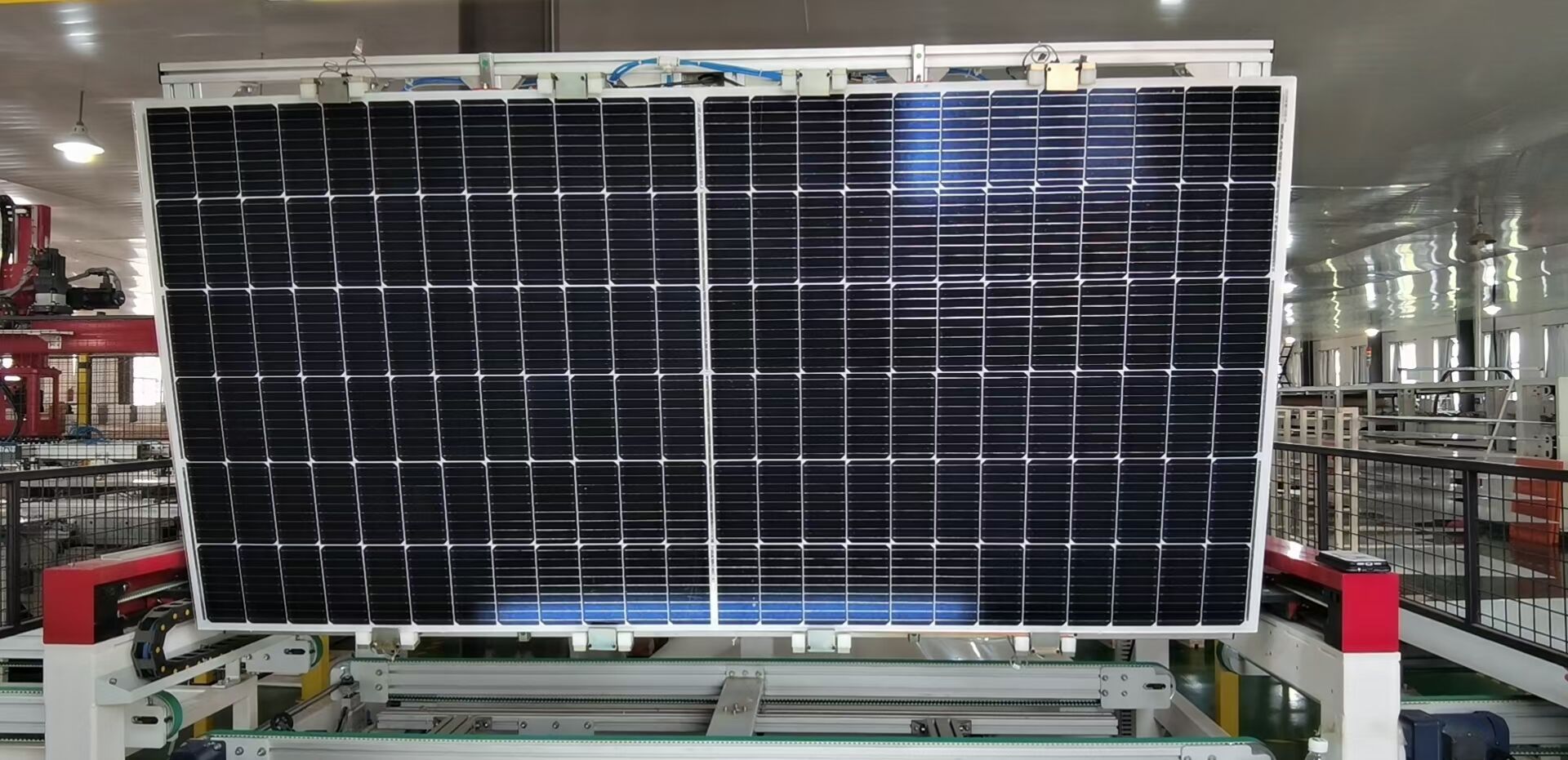
A bifacial PV module represents a revolutionary advancement in solar energy technology, designed to capture sunlight from both the front and rear surfaces of the solar panel. Unlike traditional monofacial panels that only utilize direct sunlight hitting the front surface, bifacial PV modules harness reflected and diffused light from the ground, nearby structures, and atmospheric conditions through their transparent or semi-transparent back sheets. This dual-surface energy collection capability significantly enhances overall power generation efficiency. The bifacial PV module incorporates cutting-edge photovoltaic cells that are strategically positioned between two glass layers or feature a transparent back sheet material. This construction allows light penetration from multiple angles and sources. The technological foundation relies on advanced silicon cell designs, often utilizing PERC (Passivated Emitter and Rear Cell) or TOPCon (Tunnel Oxide Passivated Contact) technologies that optimize light absorption and conversion rates. These modules typically demonstrate albedo gains ranging from 5% to 30% additional power output compared to conventional solar panels, depending on installation conditions and surface reflectivity. Primary applications span across utility-scale solar farms, commercial rooftop installations, agrivoltaic systems, and residential solar arrays. The bifacial PV module proves particularly effective in environments with high ground reflectivity such as snow-covered areas, sandy regions, concrete surfaces, or water bodies. Agricultural installations benefit tremendously as the elevated mounting systems allow crops to grow beneath while the panels generate electricity from both direct sunlight and ground reflection. Commercial applications include parking lot canopies, building facades, and industrial facility installations where space optimization and maximum energy yield are paramount. The versatility of bifacial PV modules extends to floating solar applications where water surface reflection significantly boosts energy production, making them ideal for reservoirs, ponds, and coastal installations where land availability is limited.



 EN
EN