Dual-Surface Energy Generation Technology
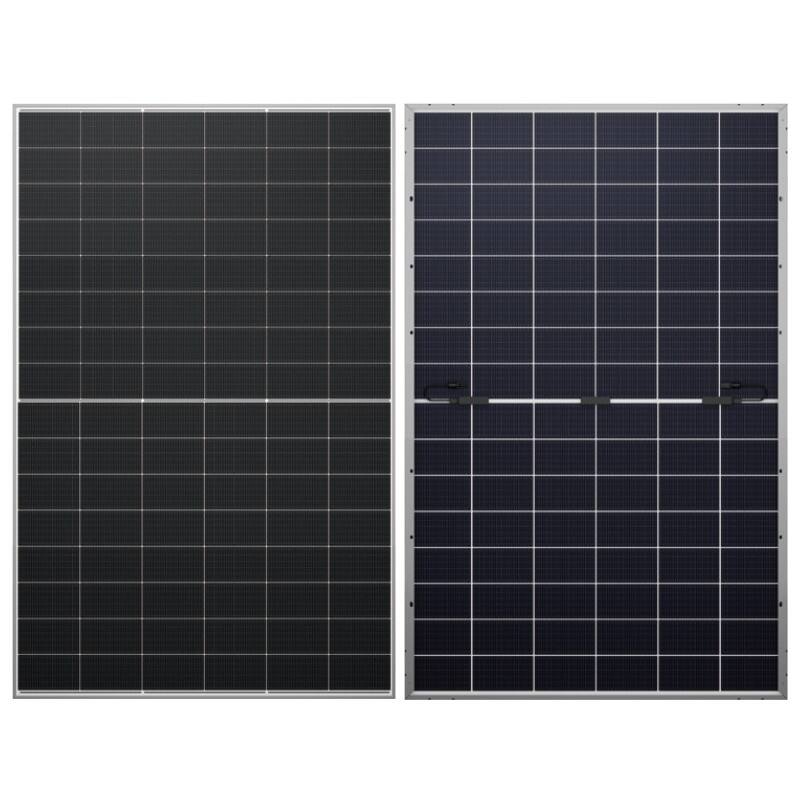
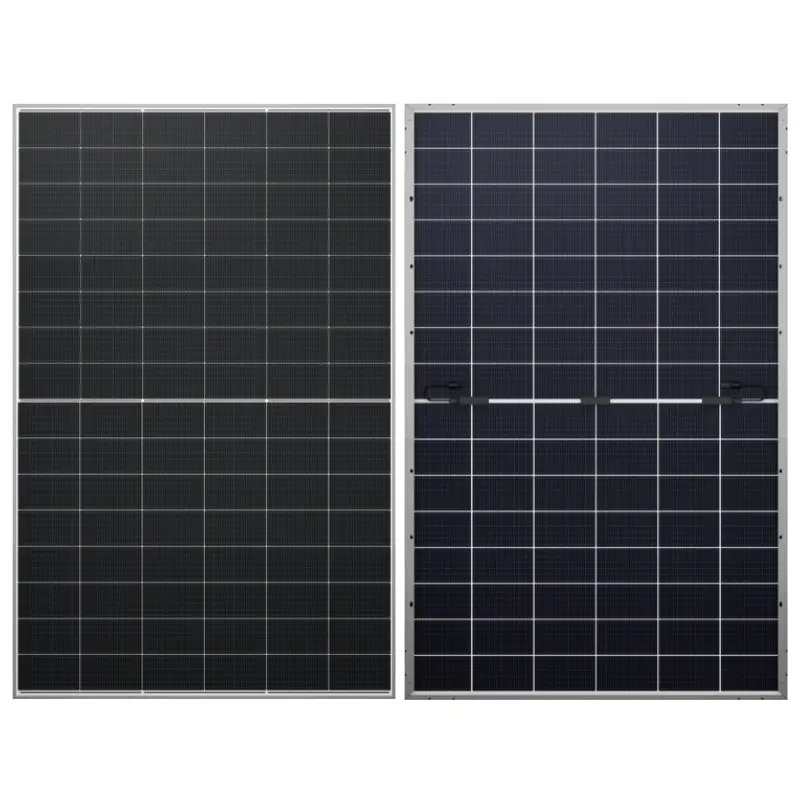
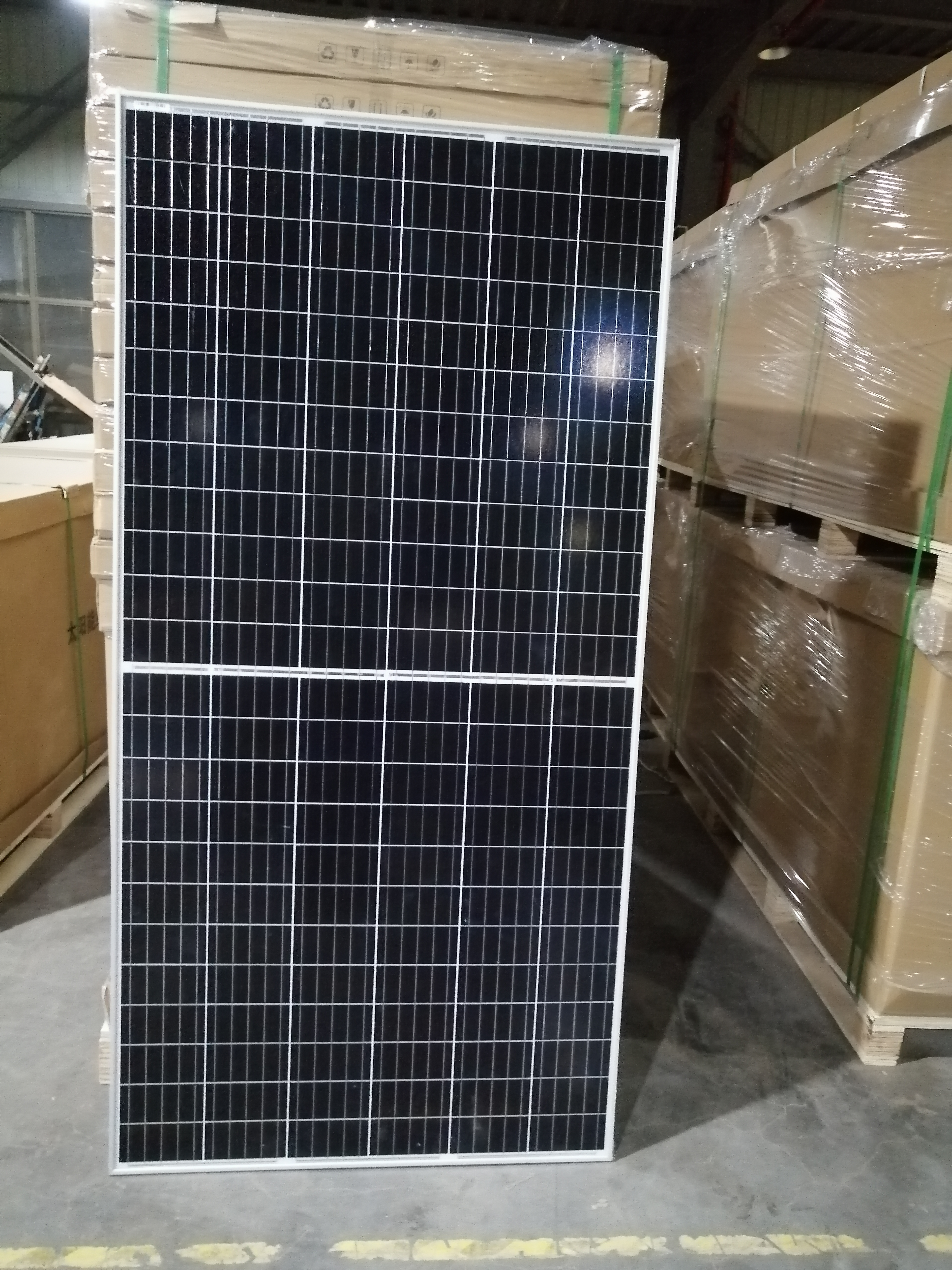
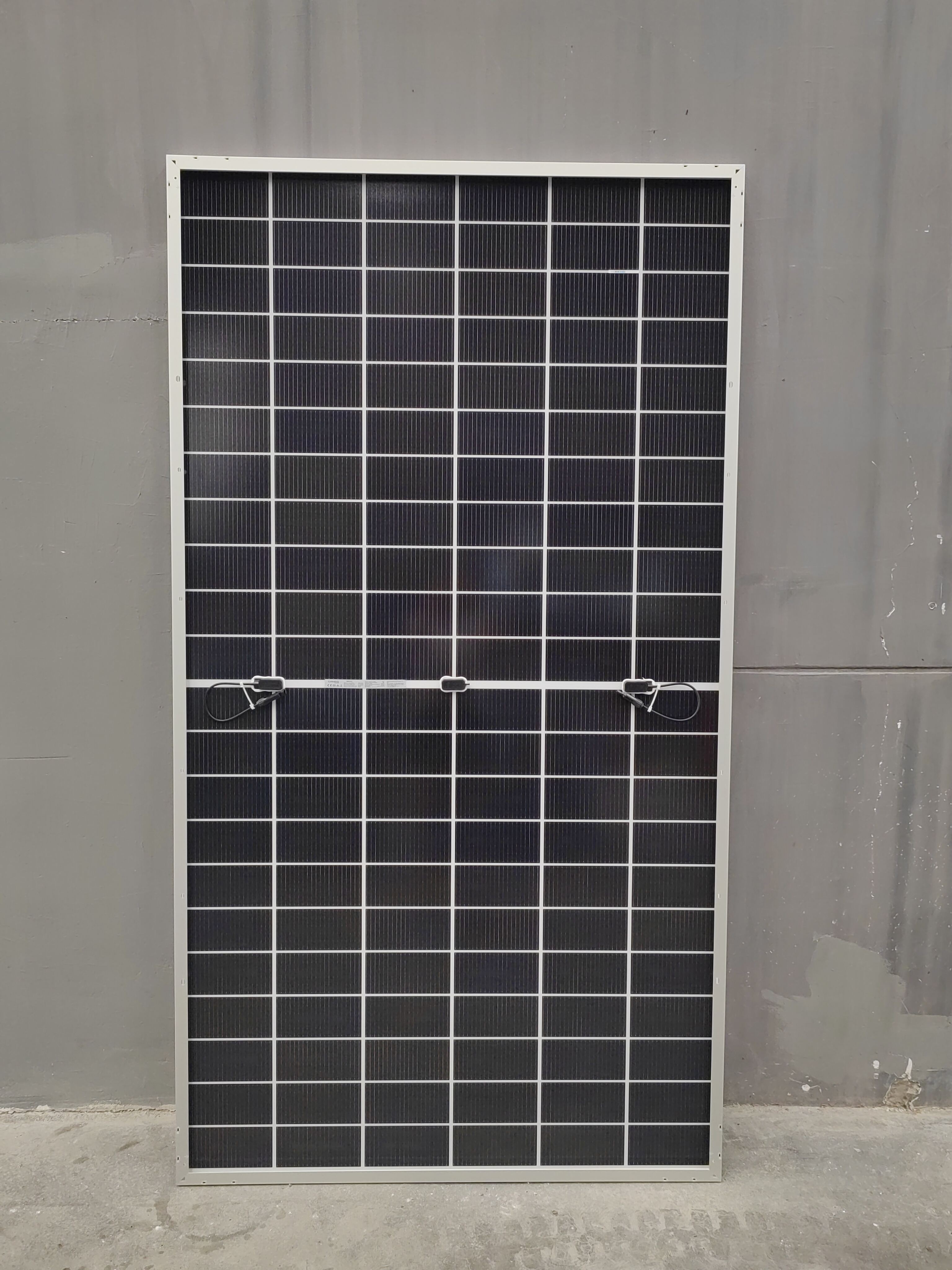
The revolutionary dual-surface energy generation capability of 400 watt bifacial solar panels fundamentally transforms how solar installations capture and convert sunlight into electricity, representing the most significant advancement in photovoltaic technology since the introduction of monocrystalline cells. Unlike traditional monofacial panels that utilize only their front surface for electricity generation, these innovative modules feature active photovoltaic cells on both sides, enabling simultaneous energy capture from direct sunlight above and reflected light below. The front surface operates identically to conventional panels, converting direct solar radiation with peak efficiency during midday hours when the sun reaches optimal angles. However, the rear surface provides the transformative advantage by harvesting reflected and diffused light from surrounding surfaces including white rooftops, concrete pavements, sand, snow, grass, and water bodies. This reflected light, measured as albedo coefficient, varies significantly based on surface type and condition, with fresh snow reflecting up to 80% of incident light while standard grass reflects approximately 25%. The dual-surface design enables 400 watt bifacial solar panels to maintain productive electricity generation even during partially cloudy conditions when diffused light reaches both surfaces, extending daily production hours and increasing overall system reliability. Advanced cell interconnection technology ensures optimal current matching between front and rear cells, preventing power losses while maximizing combined output from both surfaces. The transparent backsheet or dual-glass construction incorporates specialized materials engineered to maintain optical clarity while providing exceptional weather resistance and mechanical strength. This technological innovation eliminates the traditional aluminum or polymer backsheet, replacing it with materials that allow light penetration while maintaining structural integrity under extreme temperature variations, moisture exposure, and mechanical stress. The result delivers consistently higher energy yields across diverse installation environments, geographic locations, and seasonal conditions, providing superior return on investment through enhanced electricity production that directly translates into greater savings and faster payback periods for residential and commercial solar installations.



 EN
EN