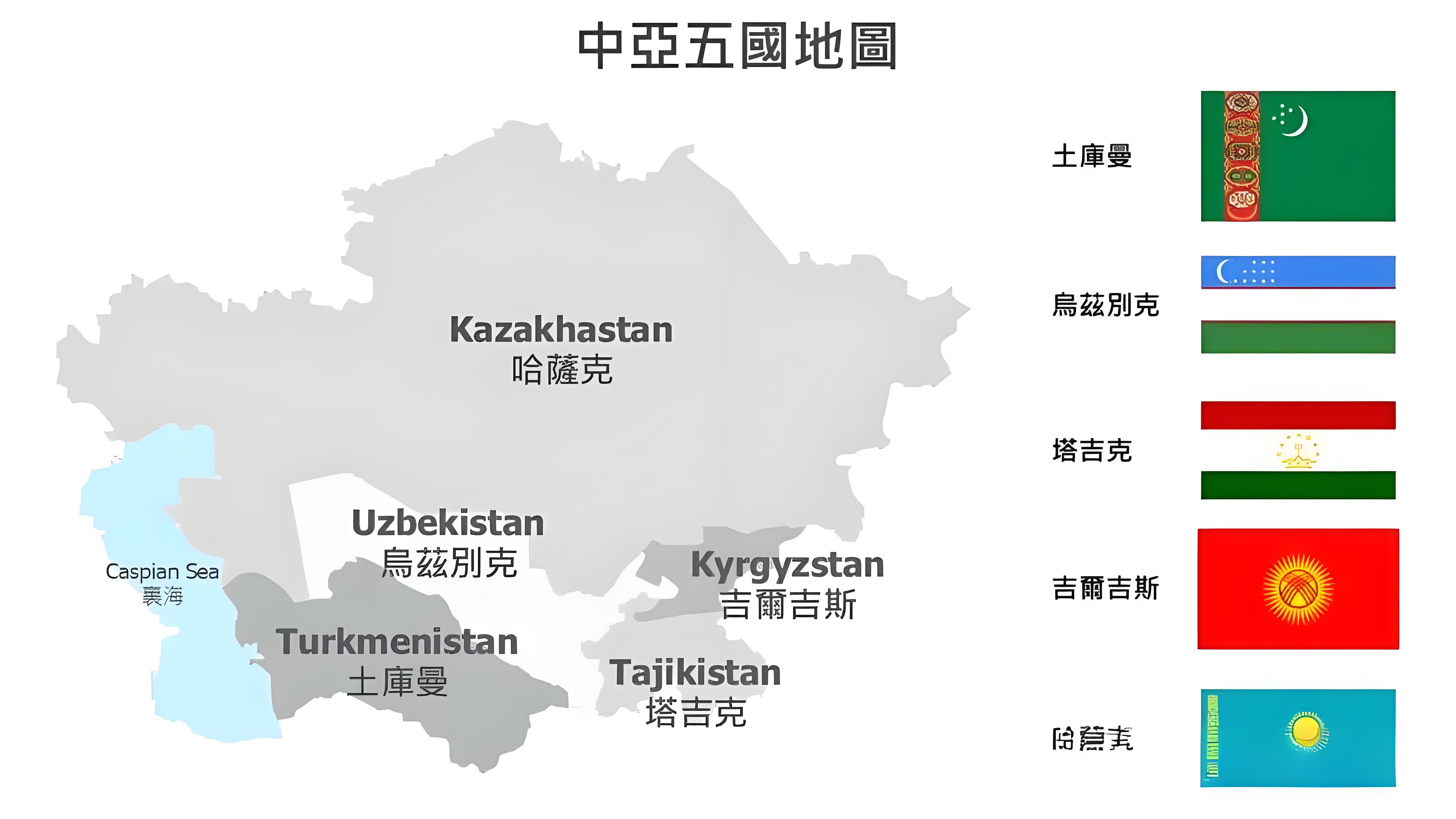
In September, PWSOLAR released a special outlook on the international trade and supply chain system of photovoltaics, taking into account the changes in the global photovoltaic trade pattern since the beginning of this year and its own export operation practices. Based on previous experience in delivering photovoltaic products to Argentina and Chile, as well as in-depth follow-up on the procurement needs of photovoltaic storage in the Central Asian region, the company has clearly stated that it will focus on "regional layout, flexible supply chain, and compliant operation" as the core, and create a more resilient global delivery system in the complex and ever-changing international trade environment.
In 2026, the global photovoltaic trade is undergoing a profound restructuring: on the one hand, the global photovoltaic installed capacity remains at a high level of over 500GW, and the market demand fundamentals remain strong; On the other hand, the adjustment of trade rules in various countries and the acceleration of regional localization capacity construction have made it difficult for the traditional single "China centralized production+global distribution" model to adapt to the new market environment. Data shows that from January to July this year, China's cumulative export of photovoltaic modules was 143.45GW, a slight decrease of 3% year-on-year, but the export of solar cells increased by 24% year-on-year. Behind this change is a clear signal of the transformation of the global photovoltaic supply chain from "vertical concentration" to "regional coordination" after the rise of overseas local module production capacity.
The head of PWSOLAR's foreign trade business stated that in the past, the supply chain advantages of the photovoltaic industry were mainly based on the cost and efficiency advantages of the entire domestic industry chain; The current international trade competition has extended to the entire chain, including logistics fulfillment, regional certification, and localized inventory allocation. Previously, in the process of serving customers in Argentina and Chile, companies compressed the delivery cycle of regular orders from 45 days to 15 days by laying out regional pre warehouses in advance, significantly reducing customers' logistics waiting costs and exchange rate volatility risks. This practice also verified the value of flexible supply chains in emerging markets.
For the next stage of supply chain optimization, PWSOLAR has identified three core directions: firstly, to build a dual layer supply chain network of "core manufacturing area+regional distribution center", relying on the complete domestic industrial chain foundation to ensure the supply of core products, and at the same time, to layout regional warehousing and packaging nodes in core markets such as Latin America and Central Asia, quickly responding to local small batch and customized order demands; The second is to establish a full chain compliance management system, and build a special database for different countries' import tariffs, rules of origin, and product certification requirements to avoid trade compliance risks in advance; The third is to establish long-term strategic cooperation with leading international logistics service providers, lock in ocean freight space and cross-border land transportation channel resources, and mitigate the impact of international logistics price fluctuations on delivery costs.
Industry observers point out that the current competition in photovoltaic foreign trade is no longer a price competition of a single product, but a competition of efficiency and resilience of the entire supply chain system. PWSOLAR's strategic upgrade in international trade and supply chain not only conforms to the trend of regional adjustment in the global photovoltaic industry, but also provides a practical implementation path for domestic photovoltaic foreign trade enterprises to break through the traditional bottleneck of going global and build long-term stable global market competitiveness
The global solar industry is undergoing a major transformation.
For many years, solar manufacturing has benefited from highly integrated international supply chains. Materials, cells, modules, inverters and other components have moved across borders to reach rapidly growing markets.
In 2026, however, trade policy, tariffs, local manufacturing requirements and geopolitical considerations are playing a much larger role in the solar industry.
Trade Policy Is Becoming a Strategic Factor
Solar companies today need to consider more than manufacturing costs.
Tariffs, import regulations, local-content requirements and supply-chain policies can significantly influence the final cost of a solar project.
The United States is a particularly important example.
Recent U.S. trade measures include tariffs and a price-floor mechanism covering polysilicon, wafers, cells and solar panels. The measures are designed to strengthen domestic supply chains, but their practical impact on manufacturers and buyers remains an important issue for the industry.
This illustrates how government policy can influence the economics of the entire solar supply chain.
Supply Chain Localization Is Accelerating
Governments in several major markets are encouraging domestic or regional manufacturing.
The objective is not only to create jobs, but also to improve energy security and reduce dependence on overseas supply chains.
As a result, solar manufacturing is becoming more geographically diversified.
Companies are exploring production and assembly facilities in North America, Southeast Asia, the Middle East, India and other regions.
However, localization also creates challenges.
Building factories outside established manufacturing centers can increase production costs, require significant investment and create new logistical and operational complexities.
Cost Is Still Important
Despite the trend toward localization, cost competitiveness remains critical.
Solar power must compete with other forms of electricity generation, and project developers continue to focus heavily on the total cost of electricity.
This means that manufacturers need to balance localization with efficiency.
Automation, advanced manufacturing technologies, higher-efficiency cells and better supply-chain management can help reduce the cost gap.
Traceability Is Becoming More Important
For international solar buyers, supply-chain transparency is also becoming increasingly important.
Customers and governments increasingly want to understand where raw materials originate, where products are manufactured and whether suppliers comply with applicable regulations.
Traceability can therefore become a competitive advantage.
Suppliers that can provide clear documentation, certification and supply-chain information may have an advantage when competing for international projects.
China Remains Important to the Global Solar Industry
China continues to play a central role in global solar manufacturing.
However, the global PV industry is becoming more geographically diversified.
Rather than completely replacing established manufacturing centers, the emerging model may involve multiple regional production hubs connected through international supply chains.
For international customers, this creates both more choices and more complexity.
Buyers need to evaluate not only product price and technical specifications, but also manufacturing location, tariff exposure, delivery time, certification and long-term supply stability.
What Should International Buyers Look For?
In this changing environment, buyers should consider several factors when selecting solar suppliers.
First, product quality.
Low prices are attractive, but reliability and long-term performance directly affect project returns.
Second, supply-chain transparency.
Clear documentation can help buyers manage regulatory and customs risks.
Third, international experience.
Suppliers familiar with different markets are better positioned to understand certification, packaging, logistics and project requirements.
Fourth, delivery capability.
In a rapidly changing market, stable production capacity and reliable logistics can be as important as price.
Finally, technical support.
As solar projects become more sophisticated, customers increasingly need suppliers that can provide engineering assistance and technical solutions.
A More Diversified Solar Industry
The global solar supply chain is unlikely to return to exactly the same structure that existed several years ago.
Instead, the industry is moving toward a more diversified and regionalized model.
This transformation will create challenges, but it will also create opportunities.
Companies that can combine competitive manufacturing, strong technology, transparent supply chains and international service will be better positioned to compete in the next phase of global solar development.
For solar buyers, meanwhile, supplier selection is becoming a strategic decision rather than simply a purchasing decision.
The future of the PV industry will not be determined by price alone.
It will be shaped by technology, reliability, supply-chain resilience and the ability to adapt to a rapidly changing global market.

 EN
EN