Complete Guide to Photovoltaic and Solar Thermal Systems: Benefits, Applications, and Installation Solutions

Get a Free Quote

Our representative will contact you soon.
Email
Name
Company Name
Message
0/1000

photovoltaic and solar thermal

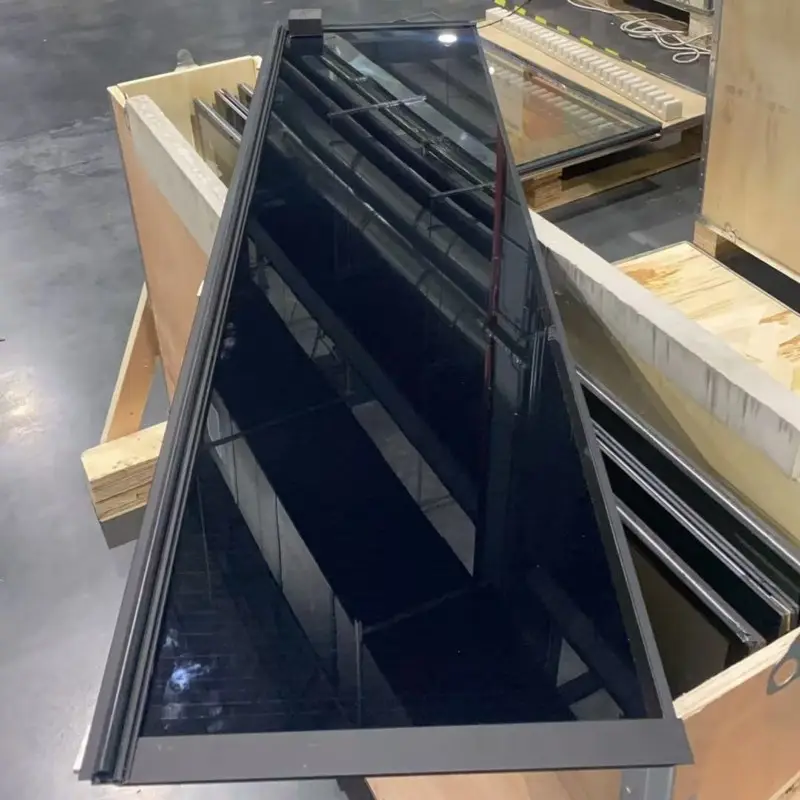
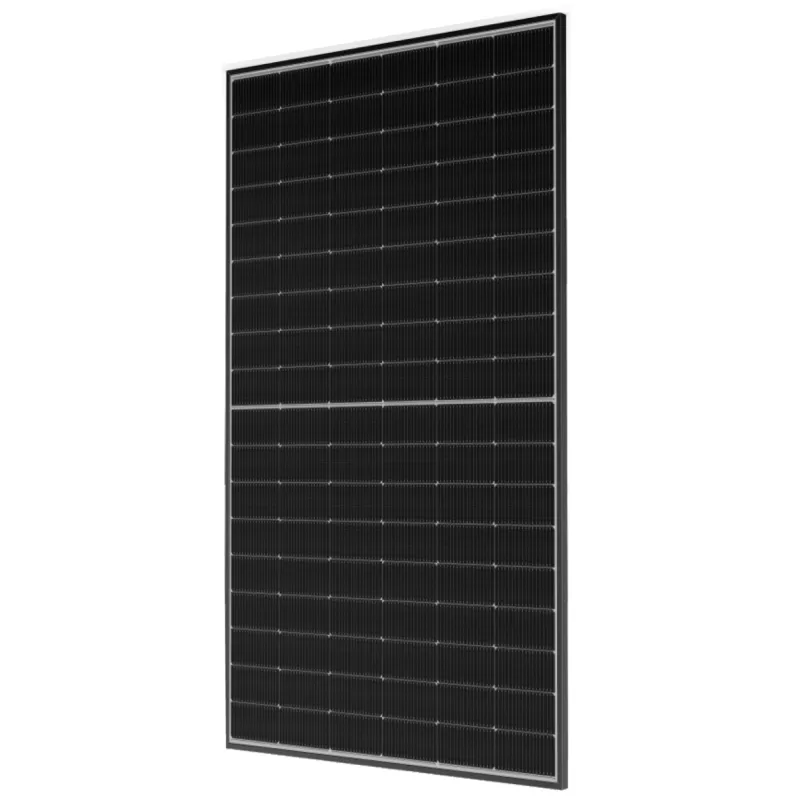
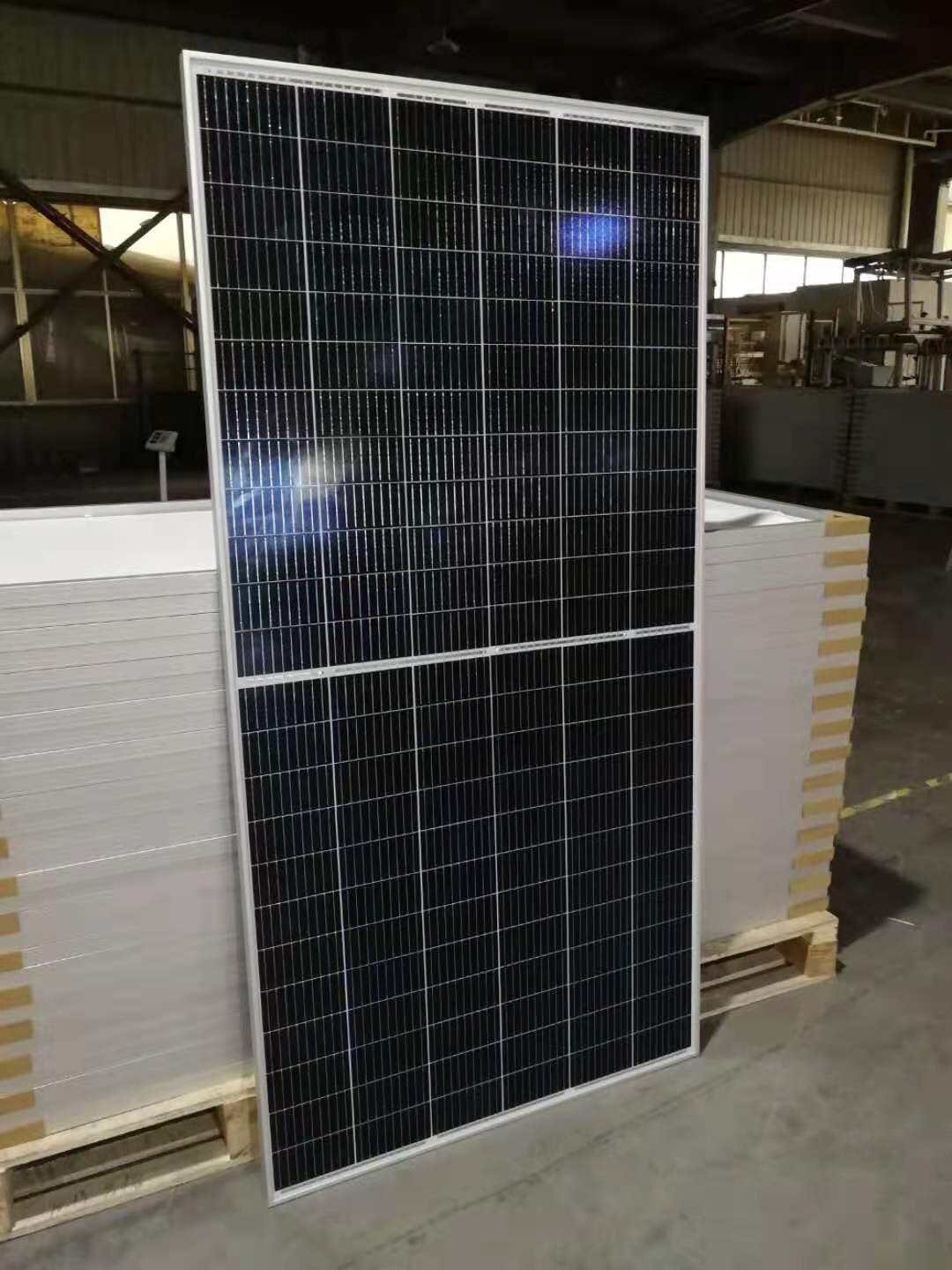
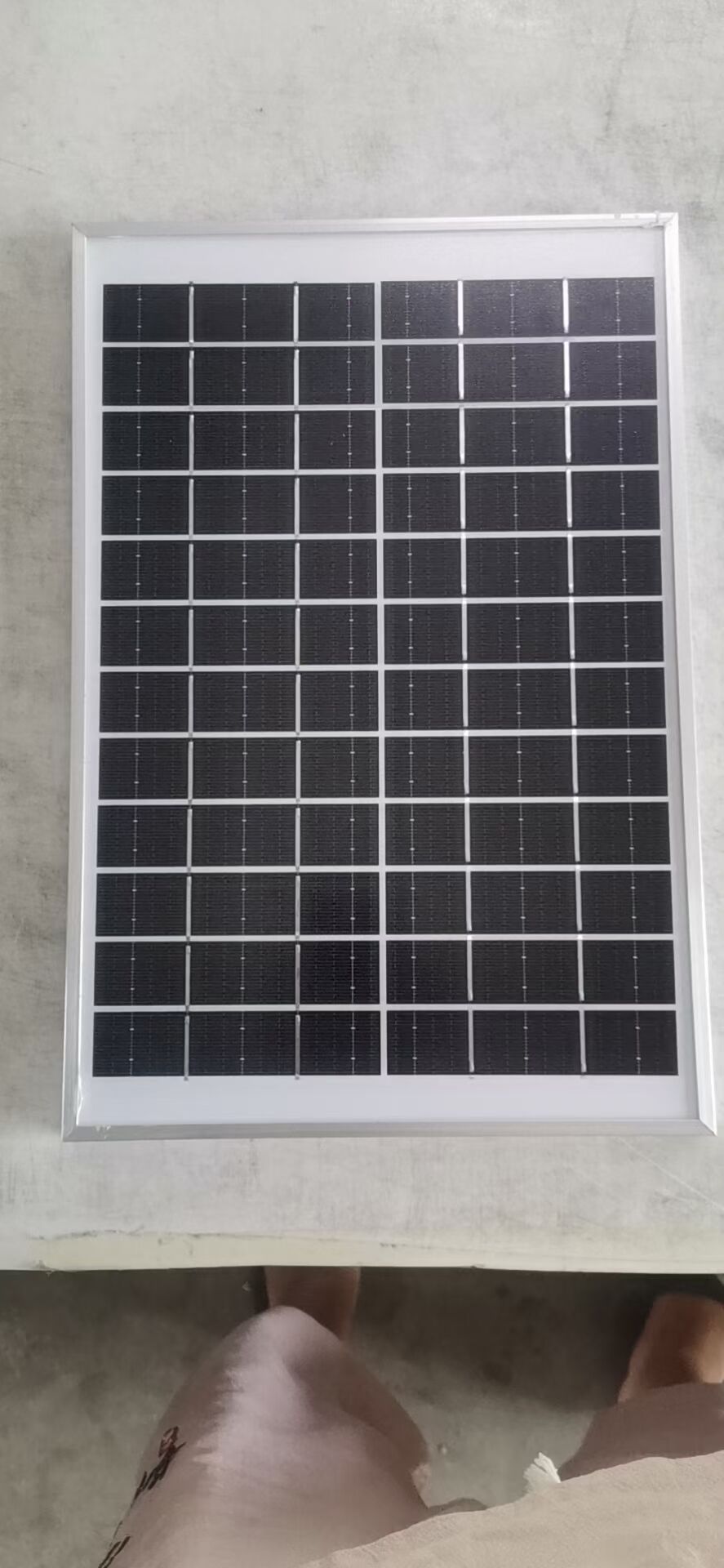
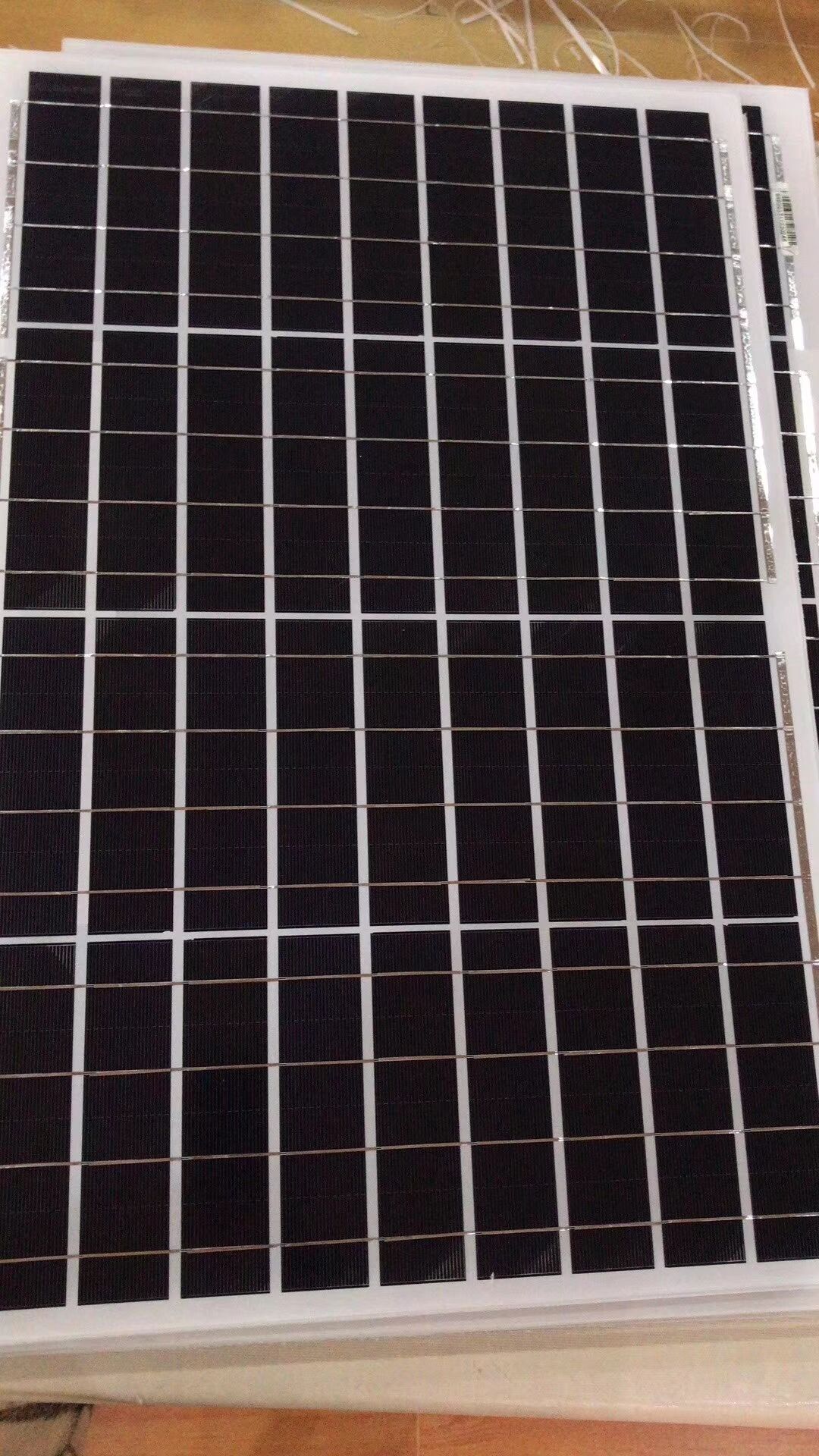
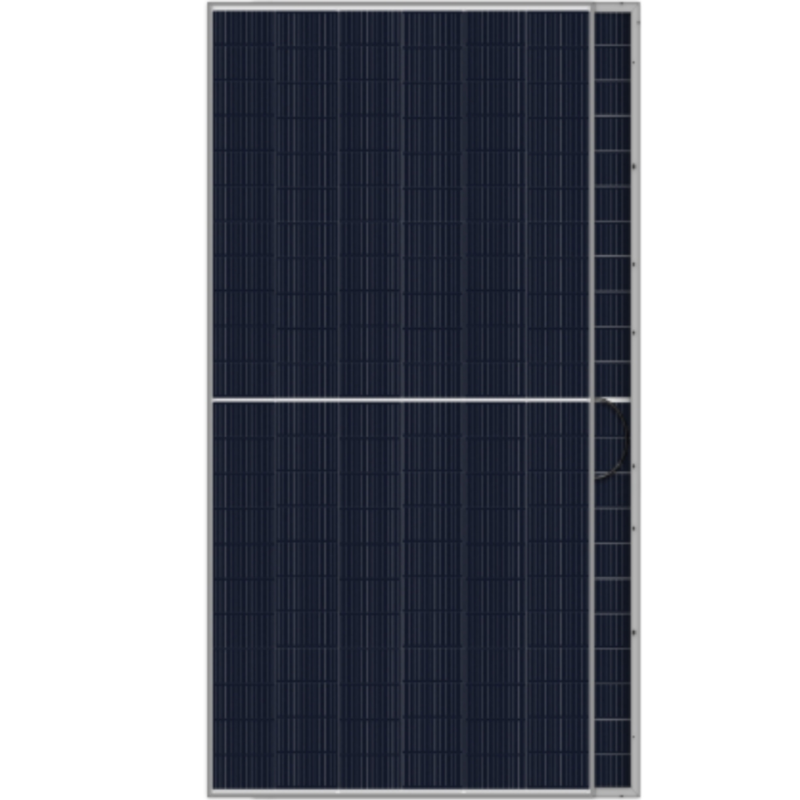
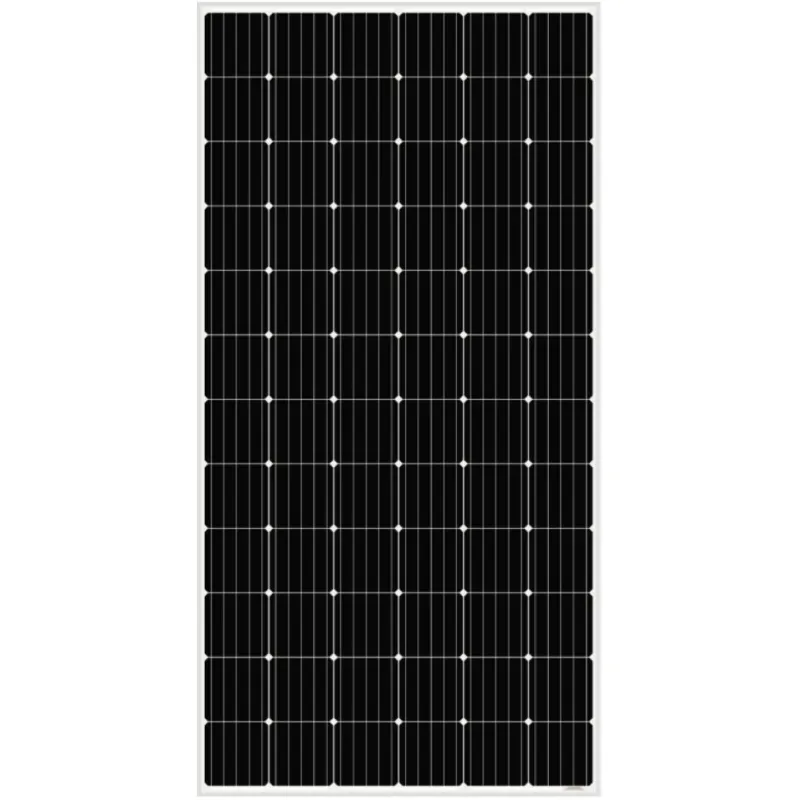
Photovoltaic and solar thermal technologies represent two distinct approaches to harnessing solar energy, each offering unique capabilities for converting sunlight into usable forms of power. Photovoltaic systems directly convert solar radiation into electricity through semiconductor materials, typically silicon-based solar cells that generate direct current when exposed to sunlight. This technology operates through the photovoltaic effect, where photons knock electrons loose from atoms within the semiconductor material, creating an electrical current that can power homes, businesses, and industrial facilities. Solar thermal systems, conversely, capture and concentrate solar heat energy to produce thermal energy for heating applications or electricity generation through steam turbines. These systems utilize collectors, mirrors, or concentrators to gather solar radiation and transfer the captured heat to a working fluid, which then distributes thermal energy throughout various applications. The technological features of photovoltaic systems include monocrystalline, polycrystalline, and thin-film solar panels, each offering different efficiency levels and cost structures. Advanced photovoltaic installations incorporate maximum power point tracking, grid-tie inverters, and battery storage systems to optimize energy production and distribution. Solar thermal technologies encompass flat-plate collectors, evacuated tube collectors, and concentrated solar power systems that achieve higher operating temperatures for industrial processes. Applications for photovoltaic systems span residential rooftop installations, commercial building integrations, utility-scale solar farms, and portable power solutions for remote locations. Solar thermal applications include domestic water heating, space heating for buildings, industrial process heating, swimming pool heating, and large-scale power generation facilities. Both technologies contribute significantly to renewable energy portfolios, reducing dependence on fossil fuels while providing sustainable power solutions. The integration of photovoltaic and solar thermal systems creates comprehensive solar energy solutions that maximize the utilization of available solar resources across different energy needs and applications.

New Product Recommendations

Photovoltaic and solar thermal systems deliver substantial financial benefits through dramatically reduced electricity bills and long-term energy cost savings. Property owners experience immediate reductions in monthly utility expenses once these systems begin operation, with many installations paying for themselves within seven to twelve years through accumulated savings. The modular nature of photovoltaic systems allows homeowners and businesses to start with smaller installations and expand capacity over time, making solar adoption accessible across various budget ranges. Solar thermal systems provide exceptional value for heating applications, reducing traditional heating costs by sixty to eighty percent in optimal conditions. Government incentives, tax credits, and rebate programs further enhance the economic attractiveness of both technologies, often covering twenty-five to thirty percent of initial installation costs. Environmental advantages position photovoltaic and solar thermal systems as crucial components in combating climate change and reducing carbon footprints. These technologies produce clean energy without generating harmful emissions, water pollution, or noise pollution during operation. A typical residential photovoltaic system prevents approximately four tons of carbon dioxide emissions annually, equivalent to planting over one hundred trees each year. Solar thermal systems similarly eliminate the need for fossil fuel consumption in heating applications, significantly reducing greenhouse gas emissions from traditional heating methods. Energy independence represents another compelling advantage, as photovoltaic and solar thermal installations reduce reliance on utility companies and volatile energy markets. Property owners gain greater control over their energy costs and consumption patterns while contributing to grid stability through distributed energy generation. Maintenance requirements remain minimal for both technologies, with photovoltaic panels requiring only periodic cleaning and basic inspections, while solar thermal systems need occasional fluid checks and component maintenance. The durability of these systems ensures decades of reliable operation, with most photovoltaic panels carrying twenty-five year warranties and solar thermal collectors lasting fifteen to twenty years with proper maintenance. Performance monitoring capabilities enable users to track energy production, identify optimization opportunities, and ensure maximum system efficiency throughout the operational lifetime.

Tips And Tricks

Why is the half cell solar panel the current standard for B2Bsolar?

23

Dec

Why is the half cell solar panel the current standard for B2Bsolar?

The solar industry has witnessed remarkable technological evolution over the past decade, with the half cell solar panel emerging as the dominant choice for B2B applications. This advanced photovoltaic technology has fundamentally transformed how bus...
View More
How to choose a high-performance half cell solar panel forrooftop?

23

Dec

How to choose a high-performance half cell solar panel forrooftop?

Selecting the right solar panel technology for your rooftop installation represents one of the most critical decisions in your renewable energy journey. Among the various solar panel innovations available today, half cell solar panel technology stand...
View More
How to maintain half cell solar panels to prevent local hot spots?

23

Dec

How to maintain half cell solar panels to prevent local hot spots?

Maintaining half cell solar panels properly is crucial for preventing local hot spots that can significantly reduce energy output and potentially damage your solar installation. These advanced photovoltaic modules feature innovative cell splitting te...
View More
Why are our half cell solar panels preferred by global distributors2

23

Dec

Why are our half cell solar panels preferred by global distributors2

The global solar energy market has witnessed unprecedented growth, with distributors increasingly seeking advanced photovoltaic solutions that deliver superior performance and reliability. Among the various technologies available, half cell solar pan...
View More

Get a Free Quote

Our representative will contact you soon.
Email
Name
Company Name
Message
0/1000

photovoltaic and solar thermal

Maximum Energy Conversion Efficiency Across Multiple Applications

Maximum Energy Conversion Efficiency Across Multiple Applications

Photovoltaic and solar thermal technologies excel in converting solar energy into usable forms with remarkable efficiency rates that continue improving through technological advancement. Modern photovoltaic panels achieve conversion efficiencies ranging from fifteen to twenty-two percent for residential applications, while premium monocrystalline panels reach efficiencies exceeding twenty-five percent under optimal conditions. This efficiency translates directly into higher energy production from available roof space, making photovoltaic systems particularly valuable for properties with limited installation areas. Advanced photovoltaic technologies incorporate anti-reflective coatings, optimized cell structures, and improved semiconductor materials that maximize light absorption and minimize energy losses. Solar thermal systems demonstrate even higher thermal conversion efficiencies, often exceeding seventy percent for water heating applications and reaching ninety percent efficiency in properly designed installations. The superior efficiency of solar thermal technology makes it exceptionally cost-effective for heating applications, where direct thermal energy utilization eliminates conversion losses associated with electricity generation and subsequent heating. Concentrated solar power systems utilize advanced mirror arrays and tracking mechanisms to achieve temperatures exceeding four hundred degrees Celsius, enabling efficient steam generation for industrial processes and large-scale electricity production. The efficiency advantages of both technologies compound over time through reduced maintenance requirements and consistent performance degradation rates of less than one percent annually for photovoltaic systems and minimal degradation for well-maintained solar thermal installations. Smart monitoring systems optimize performance by tracking weather conditions, adjusting system parameters, and identifying maintenance needs before they impact efficiency. The combination of high initial efficiency and sustained performance over decades ensures maximum return on investment while providing reliable renewable energy output that meets or exceeds projected energy production estimates throughout the system lifecycle.
Scalable Installation Solutions for Diverse Energy Requirements

Scalable Installation Solutions for Diverse Energy Requirements

Photovoltaic and solar thermal systems offer unparalleled scalability that accommodates everything from small residential installations to massive utility-scale power generation facilities. Residential photovoltaic systems typically range from three to ten kilowatts capacity, providing sufficient electricity generation to offset most household energy consumption while fitting within standard rooftop constraints. Commercial photovoltaic installations scale from twenty kilowatts for small businesses to several megawatts for large industrial facilities, shopping centers, and office complexes. The modular design of photovoltaic panels enables precise capacity matching to specific energy requirements and available installation space, ensuring optimal system sizing without over-investment or under-performance. Ground-mount photovoltaic systems provide unlimited scalability options for properties with adequate land resources, supporting installations ranging from small residential arrays to utility-scale solar farms generating hundreds of megawatts. Solar thermal systems demonstrate similar scalability characteristics, with residential water heating systems requiring only two to four collectors for typical family needs, while commercial and industrial applications can incorporate dozens or hundreds of collectors to meet larger thermal energy demands. District heating systems utilize large-scale solar thermal installations to provide heating for entire neighborhoods or commercial districts, demonstrating the technology's ability to serve community-wide energy requirements. The flexibility of both technologies extends to hybrid installations that combine photovoltaic and solar thermal systems to maximize solar energy utilization across different applications on the same property. Financing options scale proportionally with installation size, from residential lease programs and power purchase agreements to commercial financing structures and utility-scale project funding mechanisms. Installation timelines scale efficiently, with residential systems typically requiring one to three days for completion, while larger commercial and utility projects maintain predictable installation schedules that minimize disruption to ongoing operations and ensure timely project completion within budget parameters.
Long-Term Reliability with Minimal Maintenance Requirements

Long-Term Reliability with Minimal Maintenance Requirements

Photovoltaic and solar thermal systems deliver exceptional long-term reliability through robust construction, proven technology, and minimal maintenance requirements that ensure decades of trouble-free operation. Photovoltaic panels undergo rigorous testing for weather resistance, including hail impact, wind loading, thermal cycling, and ultraviolet exposure to guarantee performance under extreme environmental conditions. Manufacturing standards require photovoltaic panels to maintain at least eighty percent of their original capacity after twenty-five years of operation, with many premium panels exceeding these requirements and continuing productive operation for thirty years or longer. The absence of moving parts in photovoltaic systems eliminates mechanical wear concerns and reduces potential failure points to electrical connections and inverter components, which typically require replacement every ten to fifteen years. Solar thermal systems demonstrate similar longevity through durable collector construction using corrosion-resistant materials, high-temperature tolerant components, and proven heat transfer technologies that withstand thermal cycling without degradation. Maintenance requirements for both technologies remain remarkably minimal compared to conventional energy systems, with photovoltaic installations requiring only periodic cleaning to remove dust, debris, and snow accumulation that might reduce light transmission. Annual inspections ensure electrical connections remain secure, mounting systems maintain structural integrity, and performance monitoring systems function properly to optimize energy production. Solar thermal system maintenance involves checking heat transfer fluid levels, inspecting collector glazing for damage, and verifying pump operation and system controls function correctly. Professional maintenance services provide comprehensive system evaluations, performance optimization, and preventive care that extends system life and maintains peak efficiency throughout the operational period. Warranty coverage typically includes twenty-five year power production guarantees for photovoltaics and ten to fifteen year component warranties for solar thermal systems, providing financial protection and peace of mind for system owners. The proven reliability of both technologies has established extensive service networks, readily available replacement parts, and standardized repair procedures that ensure prompt resolution of any issues that might arise during the system lifetime.
Inquiry Inquiry Complete Guide to Photovoltaic and Solar Thermal Systems: Benefits, Applications, and Installation Solutions Complete Guide to Photovoltaic and Solar Thermal Systems: Benefits, Applications, and Installation Solutions Complete Guide to Photovoltaic and Solar Thermal Systems: Benefits, Applications, and Installation Solutions

Get a Free Quote

Our representative will contact you soon.
Email
Name
Company Name
Message
0/1000