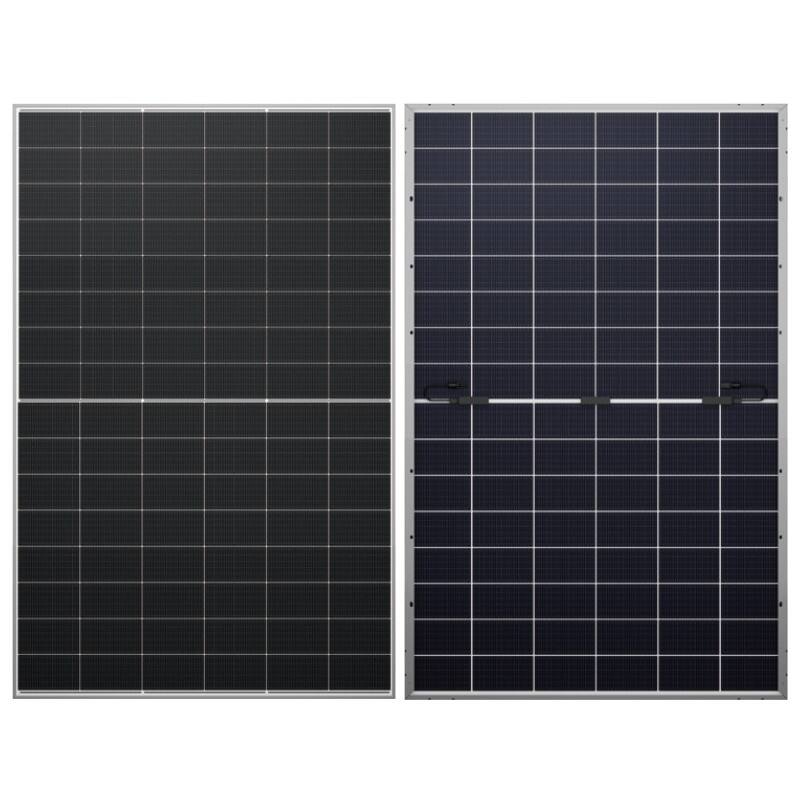
Maximum Energy Production Through Individual Panel Optimization
The revolutionary design of a solar system with micro inverters delivers unparalleled energy production by optimizing each solar panel independently, ensuring maximum power extraction regardless of varying conditions across the array. This technology addresses the fundamental limitation of traditional string inverter systems, where panels connected in series operate at the performance level of the weakest unit, significantly reducing overall system output when shading, soiling, or panel degradation affects even a single module. Each micro inverter in the system employs sophisticated maximum power point tracking algorithms that continuously monitor and adjust to extract peak power from its connected panel throughout changing weather conditions, solar angles, and seasonal variations. This individual optimization becomes particularly valuable in real-world installations where perfect conditions rarely exist, as factors such as partial shading from trees, buildings, or rooftop equipment can dramatically impact energy production in traditional systems. The distributed architecture ensures that when one panel experiences reduced output due to debris accumulation, bird droppings, or temporary shading, the remaining panels continue operating at their optimal capacity, maintaining robust system performance. This technology proves especially beneficial for installations on complex roof configurations with multiple orientations, where panels face different directions and experience varying solar exposure throughout the day. Commercial and residential properties with irregular roof layouts, dormers, chimneys, or HVAC equipment particularly benefit from this individual panel optimization, as the micro inverters compensate for the inherent performance variations across differently oriented or shaded panel groups. The cumulative effect of this optimization typically results in 5-25% higher energy production compared to string inverter systems in real-world conditions, translating directly into increased financial returns and faster payback periods for system owners. This enhanced production capability becomes increasingly valuable over the system's 25-year lifespan, as the compounding effect of optimized daily energy harvest significantly impacts total energy generation and corresponding utility bill savings.



 EN
EN