Complete Guide to PV Power Systems: Benefits, Technology, and Applications for Solar Energy

Get a Free Quote

Our representative will contact you soon.
Email
Name
Company Name
Message
0/1000

pv power system

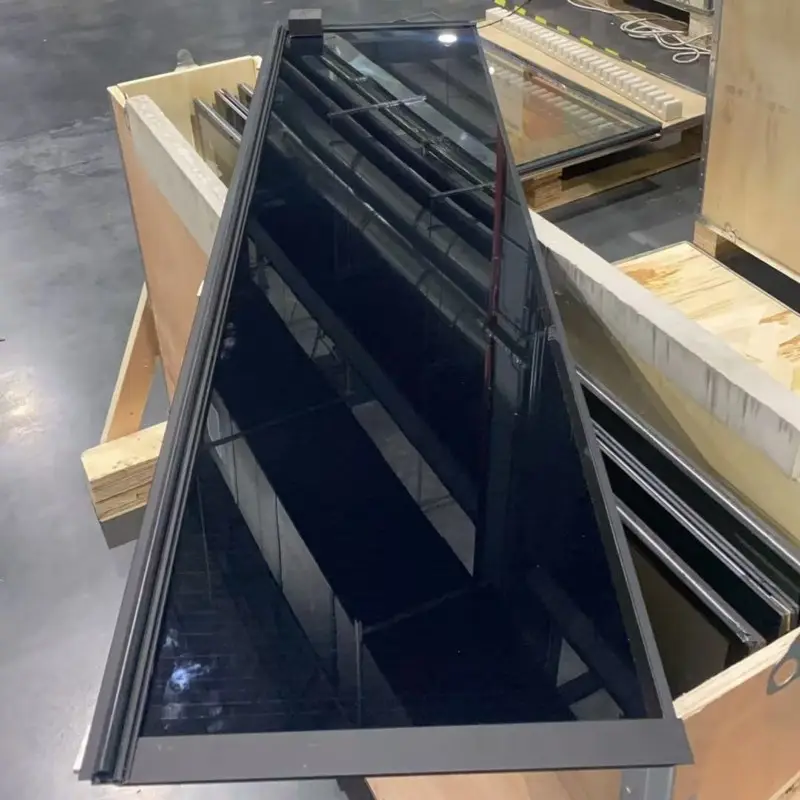
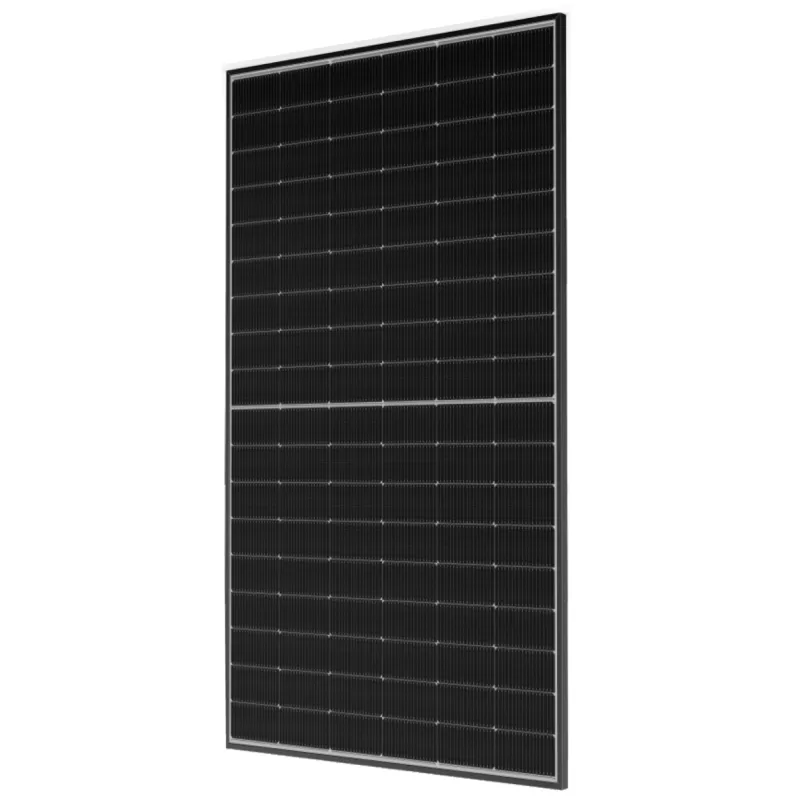
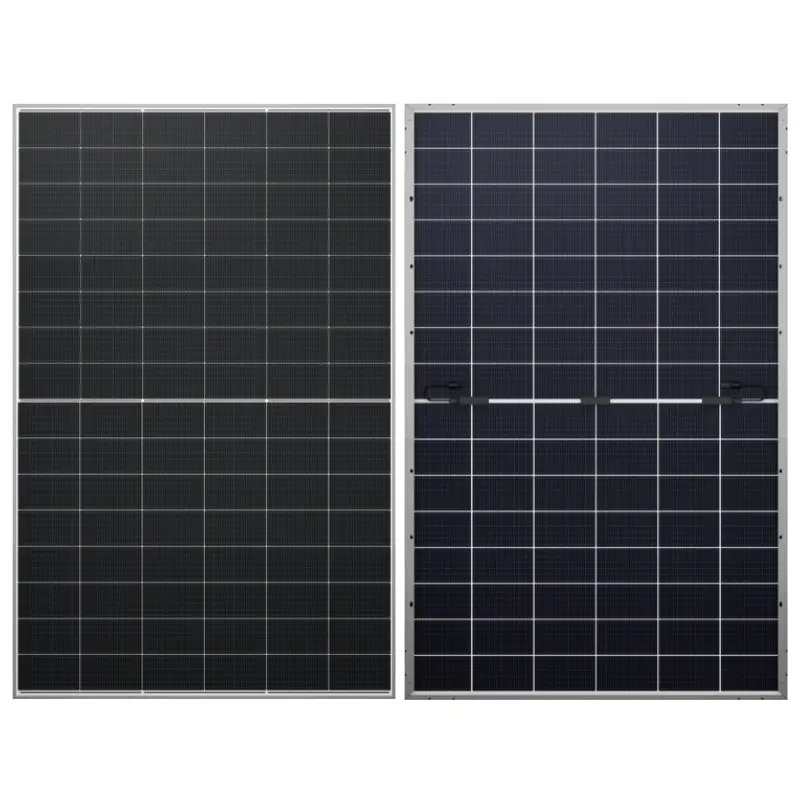
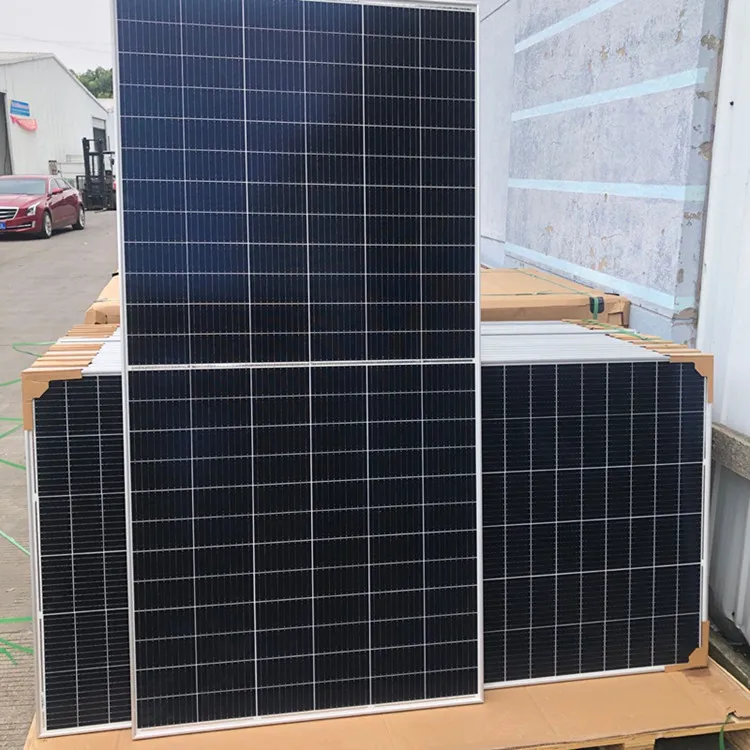
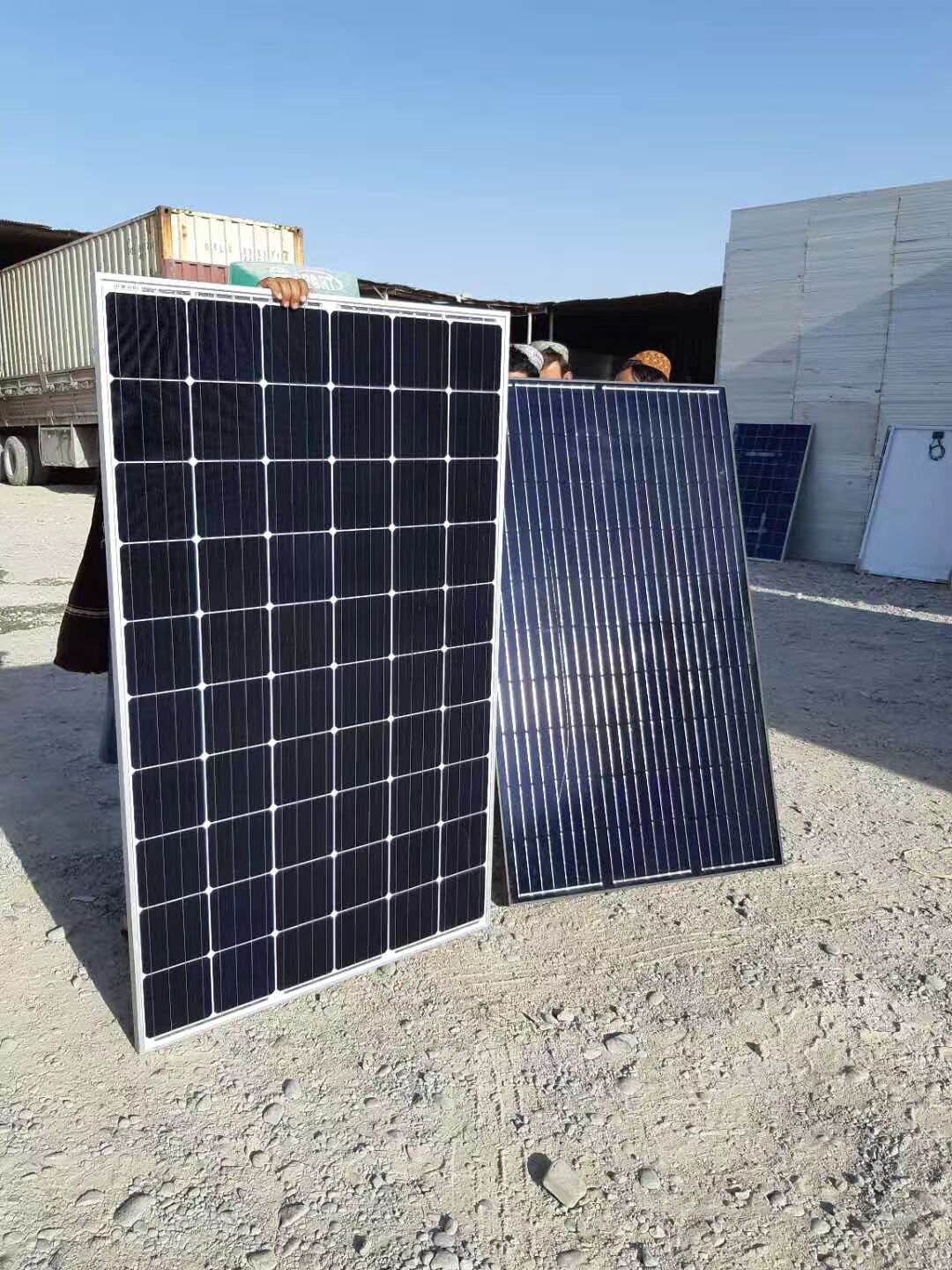
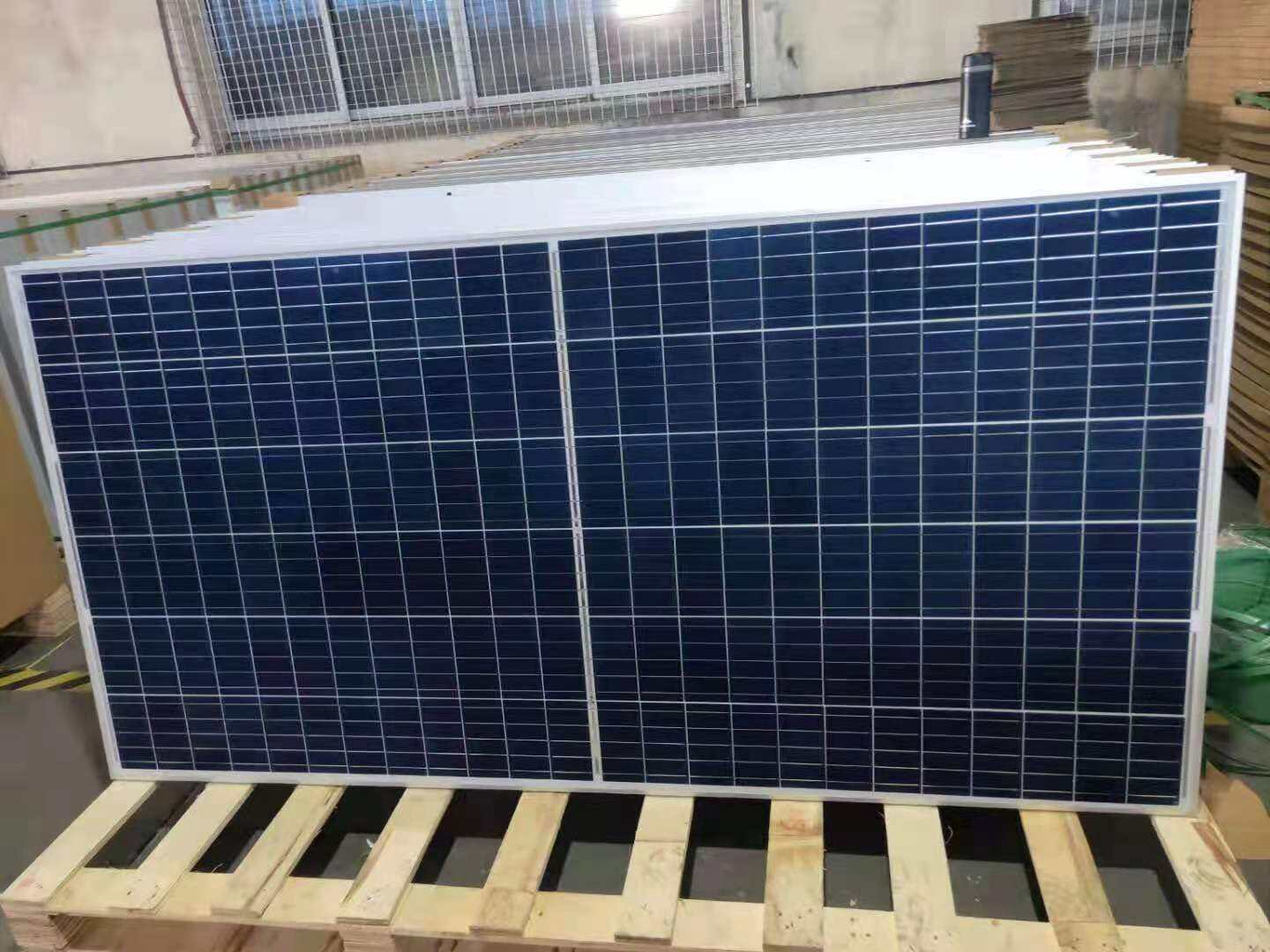
A photovoltaic power system, commonly known as a PV power system, represents a cutting-edge renewable energy solution that converts sunlight directly into electricity through advanced semiconductor technology. This innovative energy generation method harnesses solar radiation using photovoltaic cells, typically made from silicon-based materials, to produce clean, sustainable electrical power for residential, commercial, and industrial applications. The core functionality of a PV power system revolves around the photovoltaic effect, where solar panels absorb photons from sunlight and generate direct current electricity through the movement of electrons within the semiconductor material. Modern PV power systems incorporate sophisticated components including solar panels, power inverters, mounting structures, monitoring systems, and energy storage solutions when required. The technological architecture of a PV power system ensures maximum energy conversion efficiency while maintaining long-term reliability and performance stability. These systems feature modular designs that allow for scalable installations, accommodating various power requirements from small residential setups to large-scale utility projects. Advanced PV power systems integrate smart grid connectivity, enabling bidirectional energy flow and real-time monitoring capabilities. The applications of PV power systems span across multiple sectors, including residential rooftop installations, commercial building integrations, industrial facility power generation, agricultural operations, remote off-grid locations, and utility-scale solar farms. Modern PV power systems incorporate advanced maximum power point tracking technology, weather-resistant materials, and intelligent inverter systems that optimize energy production under varying environmental conditions. The technological evolution of PV power systems continues to drive improvements in energy conversion efficiency, system durability, and cost-effectiveness, making solar energy increasingly accessible and economically viable for diverse applications worldwide.


New Products

The adoption of a PV power system brings numerous practical benefits that directly impact your energy costs and environmental footprint. First and foremost, installing a PV power system dramatically reduces your monthly electricity bills by generating free power from sunlight. Once your system pays for itself through energy savings, typically within 6-10 years, you essentially receive free electricity for the remaining 20-25 years of the system's lifespan. This translates to substantial long-term financial savings that can exceed tens of thousands of dollars over the system's lifetime. Another significant advantage of PV power systems lies in their minimal maintenance requirements. Unlike traditional power generation methods, solar panels have no moving parts, which means they require very little upkeep beyond occasional cleaning and annual inspections. This low-maintenance characteristic makes PV power systems highly reliable and cost-effective over their operational lifetime. Environmental benefits represent another compelling reason to choose a PV power system. By generating clean electricity without producing harmful emissions, your system directly contributes to reducing carbon dioxide and other pollutants that contribute to climate change. A typical residential PV power system can offset several tons of carbon emissions annually, equivalent to planting dozens of trees each year. The energy independence provided by a PV power system protects you from rising utility rates and power outages. With battery storage integration, your PV power system can continue supplying electricity even during grid failures, ensuring uninterrupted power for critical home appliances and systems. Property value enhancement is an often-overlooked benefit of PV power systems. Studies consistently show that homes equipped with solar installations sell faster and command higher prices than comparable properties without solar systems. This added value typically exceeds the initial investment cost, making a PV power system a smart financial decision. Government incentives and tax credits further enhance the economic advantages of PV power systems, with many regions offering substantial rebates and tax benefits that significantly reduce the upfront installation costs.

Tips And Tricks

How to choose a high-performance half cell solar panel forrooftop?

23

Dec

How to choose a high-performance half cell solar panel forrooftop?

Selecting the right solar panel technology for your rooftop installation represents one of the most critical decisions in your renewable energy journey. Among the various solar panel innovations available today, half cell solar panel technology stand...
View More
How to maintain half cell solar panels to prevent local hot spots?

23

Dec

How to maintain half cell solar panels to prevent local hot spots?

Maintaining half cell solar panels properly is crucial for preventing local hot spots that can significantly reduce energy output and potentially damage your solar installation. These advanced photovoltaic modules feature innovative cell splitting te...
View More
Why are our half cell solar panels preferred by global distributors2

23

Dec

Why are our half cell solar panels preferred by global distributors2

The global solar energy market has witnessed unprecedented growth, with distributors increasingly seeking advanced photovoltaic solutions that deliver superior performance and reliability. Among the various technologies available, half cell solar pan...
View More
How to select a half cell solar panel manufacturer for bulk oirders?

23

Dec

How to select a half cell solar panel manufacturer for bulk oirders?

When planning large-scale solar installations, selecting the right half cell solar panel manufacturer becomes a critical decision that can determine the success of your project. With the growing adoption of photovoltaic technology in commercial and i...
View More

Get a Free Quote

Our representative will contact you soon.
Email
Name
Company Name
Message
0/1000

pv power system

Revolutionary Energy Independence and Grid Resilience

Revolutionary Energy Independence and Grid Resilience

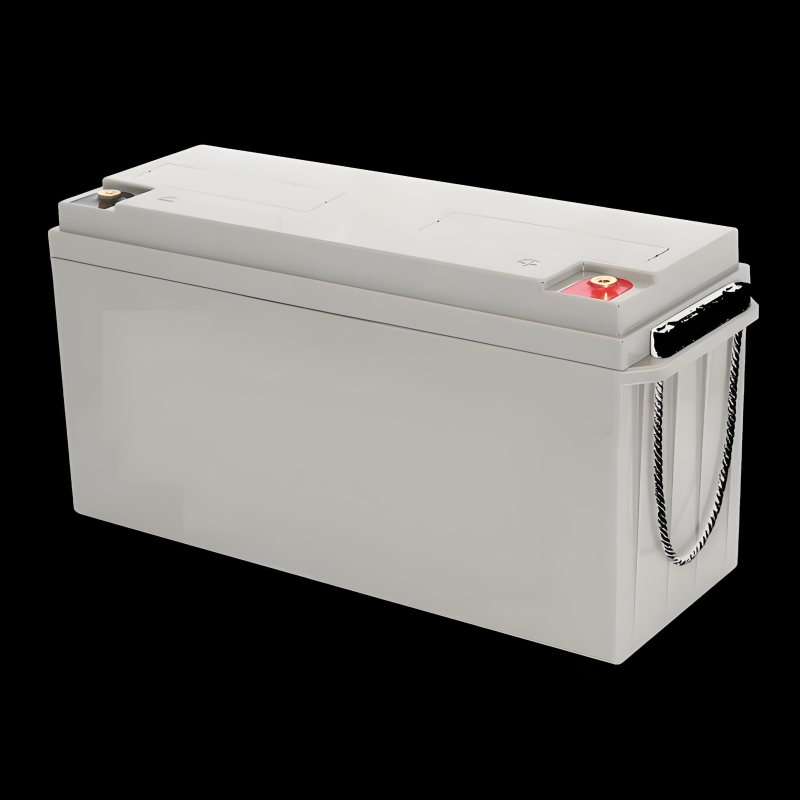
One of the most transformative aspects of modern PV power systems is their ability to provide unprecedented energy independence while enhancing grid resilience for homeowners and businesses. This capability represents a fundamental shift from traditional energy consumption patterns, where consumers remain entirely dependent on utility companies and vulnerable to power outages, rate fluctuations, and supply disruptions. A well-designed PV power system with integrated battery storage creates a self-sufficient energy ecosystem that can operate independently from the electrical grid during emergencies or planned maintenance periods. This energy independence becomes particularly valuable during natural disasters, extreme weather events, or infrastructure failures that commonly cause widespread power outages. The grid resilience feature of PV power systems extends beyond emergency preparedness to provide daily operational benefits. During peak demand periods when utility rates are highest, your PV power system can automatically switch to stored solar energy, helping you avoid expensive peak-hour electricity charges. Advanced PV power systems equipped with smart inverters and energy management systems can intelligently balance energy production, consumption, and storage to optimize your electricity costs throughout the day. The bidirectional capabilities of modern PV power systems allow excess energy to be fed back into the grid through net metering programs, effectively turning your property into a small-scale power plant that generates revenue. This feature not only maximizes the financial returns of your investment but also contributes to overall grid stability by distributing energy generation across multiple locations rather than relying solely on centralized power plants. Furthermore, the modular nature of PV power systems means you can expand your energy independence over time, starting with a basic installation and gradually adding more panels or battery storage as your needs grow or technology improves. This scalability ensures that your PV power system remains adaptable to changing energy requirements and technological advancements.
Advanced Smart Technology Integration and Monitoring Capabilities

Advanced Smart Technology Integration and Monitoring Capabilities

Contemporary PV power systems incorporate sophisticated smart technology that revolutionizes how energy is generated, monitored, and managed, providing users with unprecedented control and insights into their energy consumption patterns. These advanced monitoring capabilities transform a PV power system from a passive energy generator into an intelligent energy management platform that continuously optimizes performance and identifies potential issues before they impact system efficiency. The smart technology integration begins with real-time monitoring systems that track energy production, consumption, and storage at granular levels, allowing users to access detailed performance data through smartphone applications or web-based platforms. This comprehensive monitoring capability enables PV power system owners to understand exactly how much energy their system generates during different weather conditions, seasons, and times of day, providing valuable insights for energy planning and usage optimization. Advanced PV power systems feature predictive maintenance algorithms that analyze performance data to identify potential component failures or efficiency degradation before they become serious problems. This proactive approach to system maintenance helps prevent unexpected downtime and ensures optimal performance throughout the system's operational lifetime. The smart technology also includes automated performance optimization features that adjust system parameters based on weather forecasts, energy demand patterns, and utility rate structures. Machine learning algorithms within modern PV power systems can learn from historical performance data and user behavior patterns to automatically optimize energy production and storage decisions. Integration with smart home systems allows PV power systems to coordinate with other intelligent devices, automatically adjusting energy consumption based on solar production levels and stored energy availability. This seamless integration extends to electric vehicle charging systems, smart thermostats, and energy-efficient appliances, creating a comprehensive energy ecosystem that maximizes the benefits of solar power generation while minimizing reliance on grid electricity during peak rate periods.
Long-Term Financial Returns and Investment Security

Long-Term Financial Returns and Investment Security

The financial advantages of PV power systems extend far beyond simple utility bill reductions, representing a comprehensive investment strategy that provides stable, long-term returns while protecting against energy cost inflation and market volatility. Unlike traditional investments that may fluctuate with market conditions, a PV power system generates measurable, predictable returns through consistent energy production that directly translates to monetary savings month after month, year after year. The investment security of PV power systems stems from their robust construction and extensive manufacturer warranties, with most solar panels guaranteed to maintain at least 80-90 percent of their original efficiency after 25 years of operation. This longevity ensures that your initial investment continues generating returns for decades, with many systems producing significant energy savings well beyond their warranty periods. The financial modeling of PV power systems demonstrates compelling return on investment metrics, with many installations achieving payback periods between 6-10 years while continuing to generate free electricity for an additional 15-20 years. This extended period of free energy production represents pure profit that can be reinvested, saved, or used to enhance lifestyle choices without ongoing energy cost concerns. Property value appreciation represents another dimension of financial returns from PV power systems, with real estate studies indicating that solar installations typically increase property values by 3-4 percent of the home's total value. This appreciation often exceeds the initial system investment cost, providing immediate equity enhancement in addition to ongoing energy savings. The hedge against utility rate inflation is particularly valuable, as electricity rates historically increase at rates exceeding general inflation, making the fixed cost of solar energy increasingly attractive over time. Government incentives and financing options further enhance the financial appeal of PV power systems, with federal tax credits, state rebates, and specialized solar financing programs reducing upfront costs and improving cash flow dynamics. Many regions offer net metering programs that allow PV power system owners to sell excess energy back to utilities, creating additional revenue streams that accelerate return on investment timelines and provide ongoing passive income opportunities.
Inquiry Inquiry Complete Guide to PV Power Systems: Benefits, Technology, and Applications for Solar Energy Complete Guide to PV Power Systems: Benefits, Technology, and Applications for Solar Energy Complete Guide to PV Power Systems: Benefits, Technology, and Applications for Solar Energy

Get a Free Quote

Our representative will contact you soon.
Email
Name
Company Name
Message
0/1000