Flexible Photovoltaic Panels: Revolutionary Solar Technology for Curved Surfaces and Mobile Applications

Get a Free Quote

Our representative will contact you soon.
Email
Name
Company Name
Message
0/1000

flexible photovoltaic

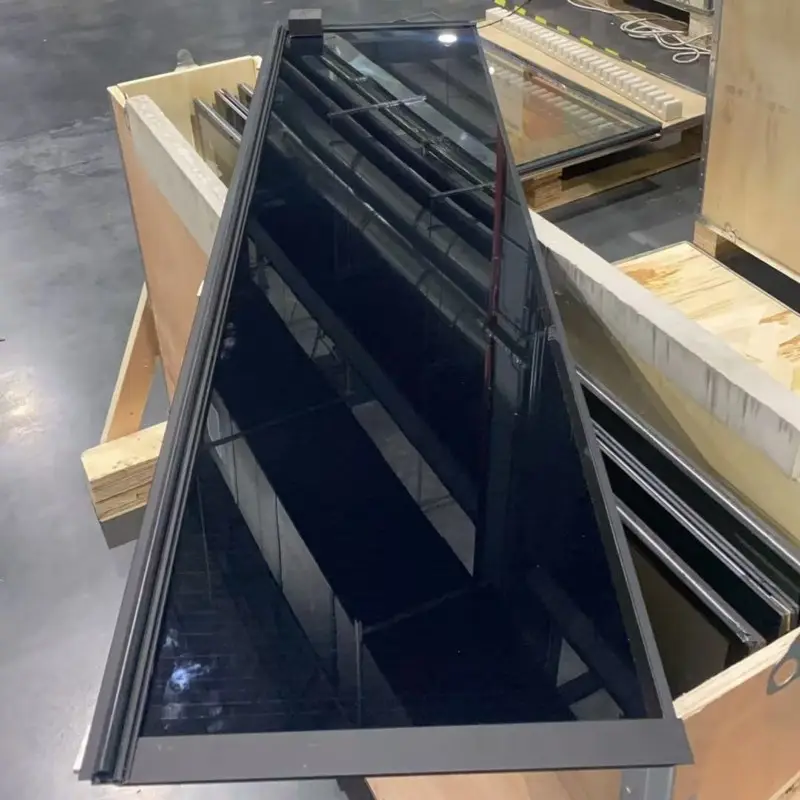
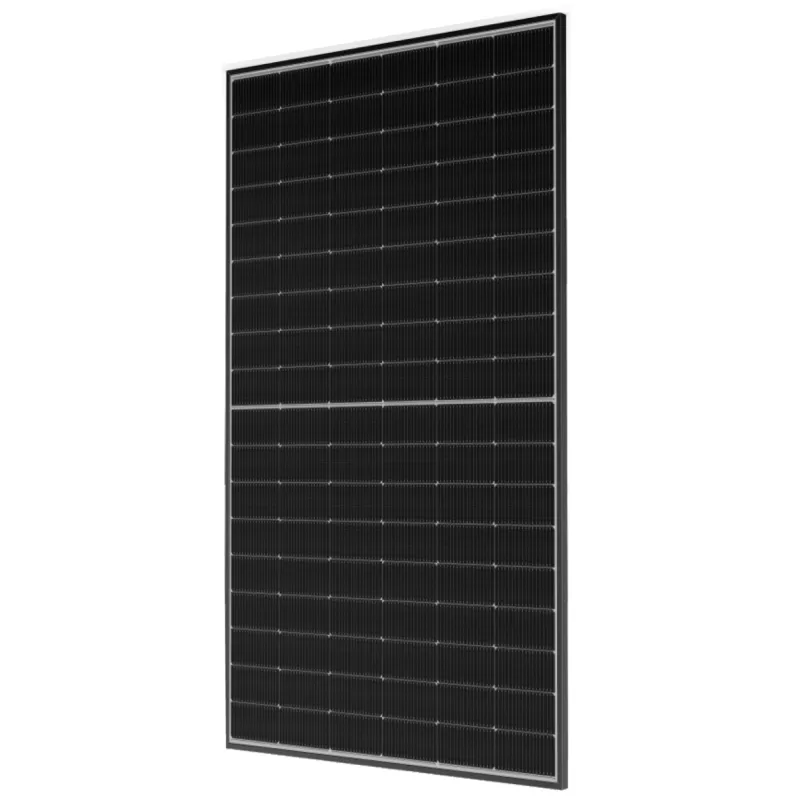
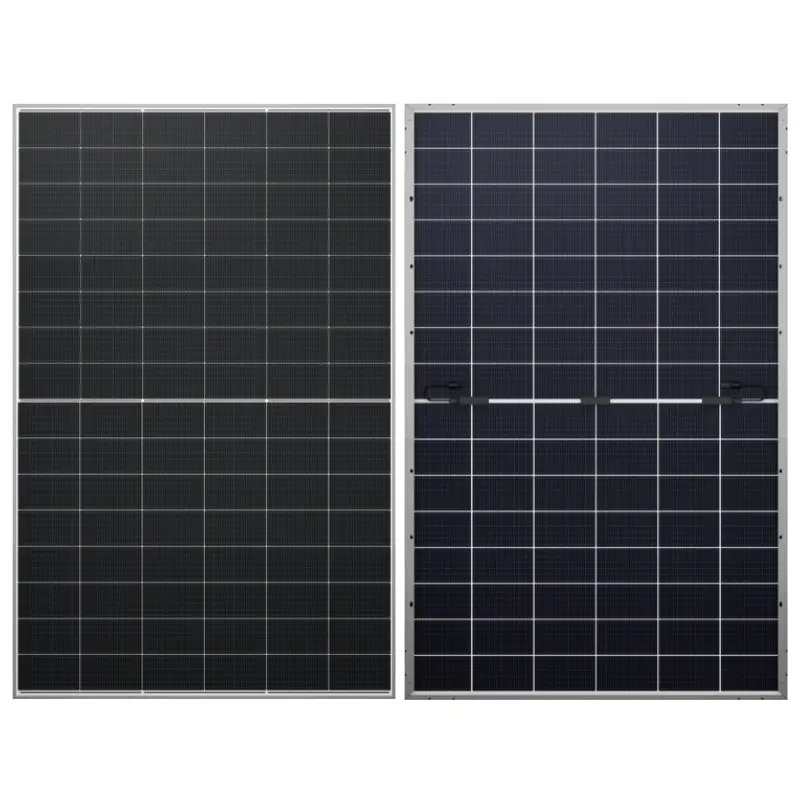
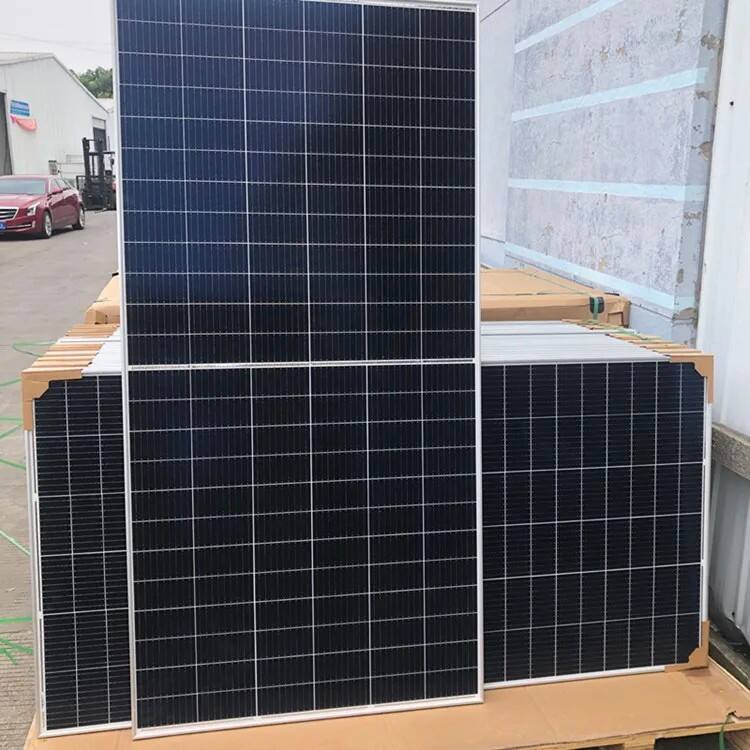
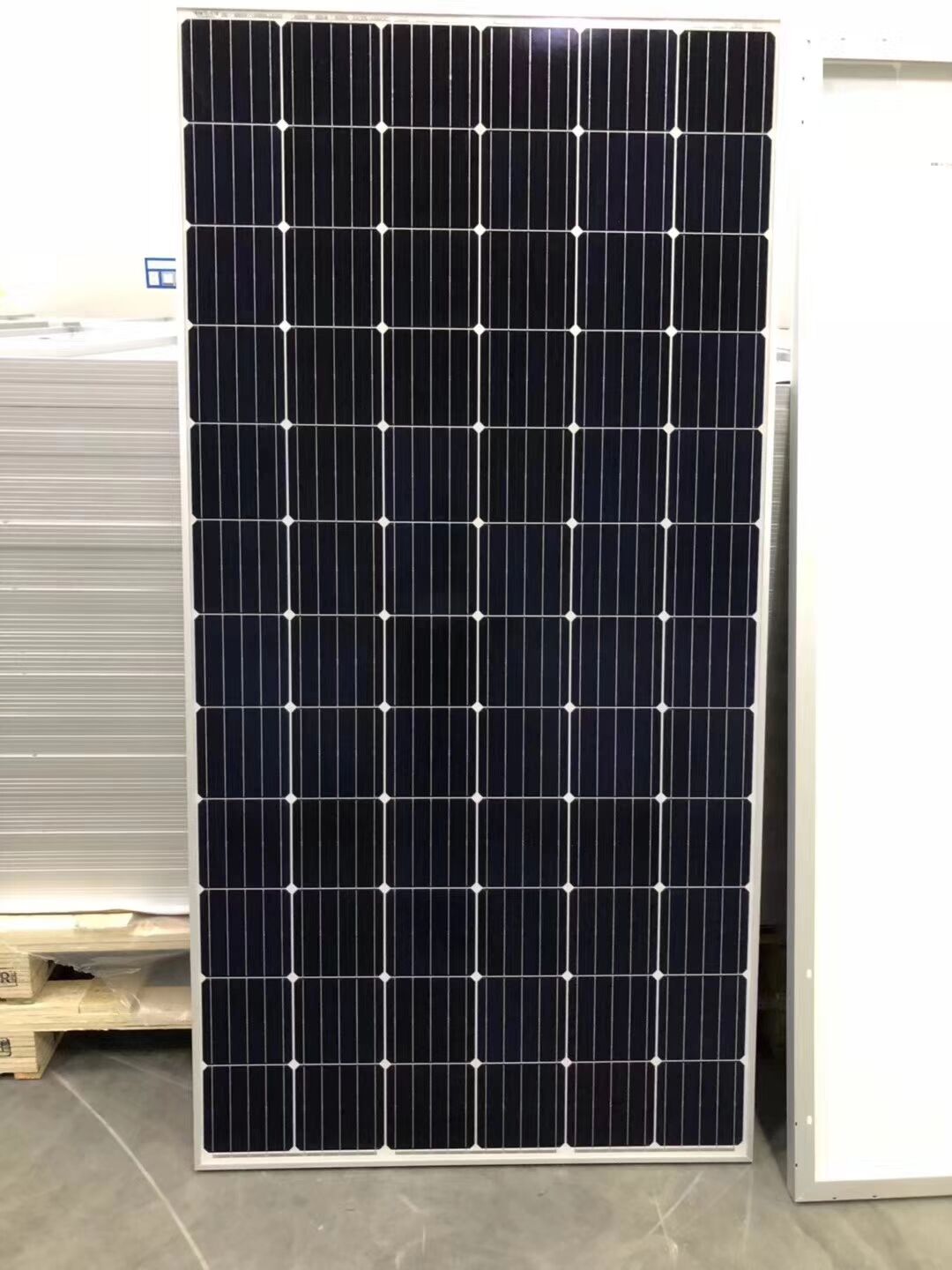
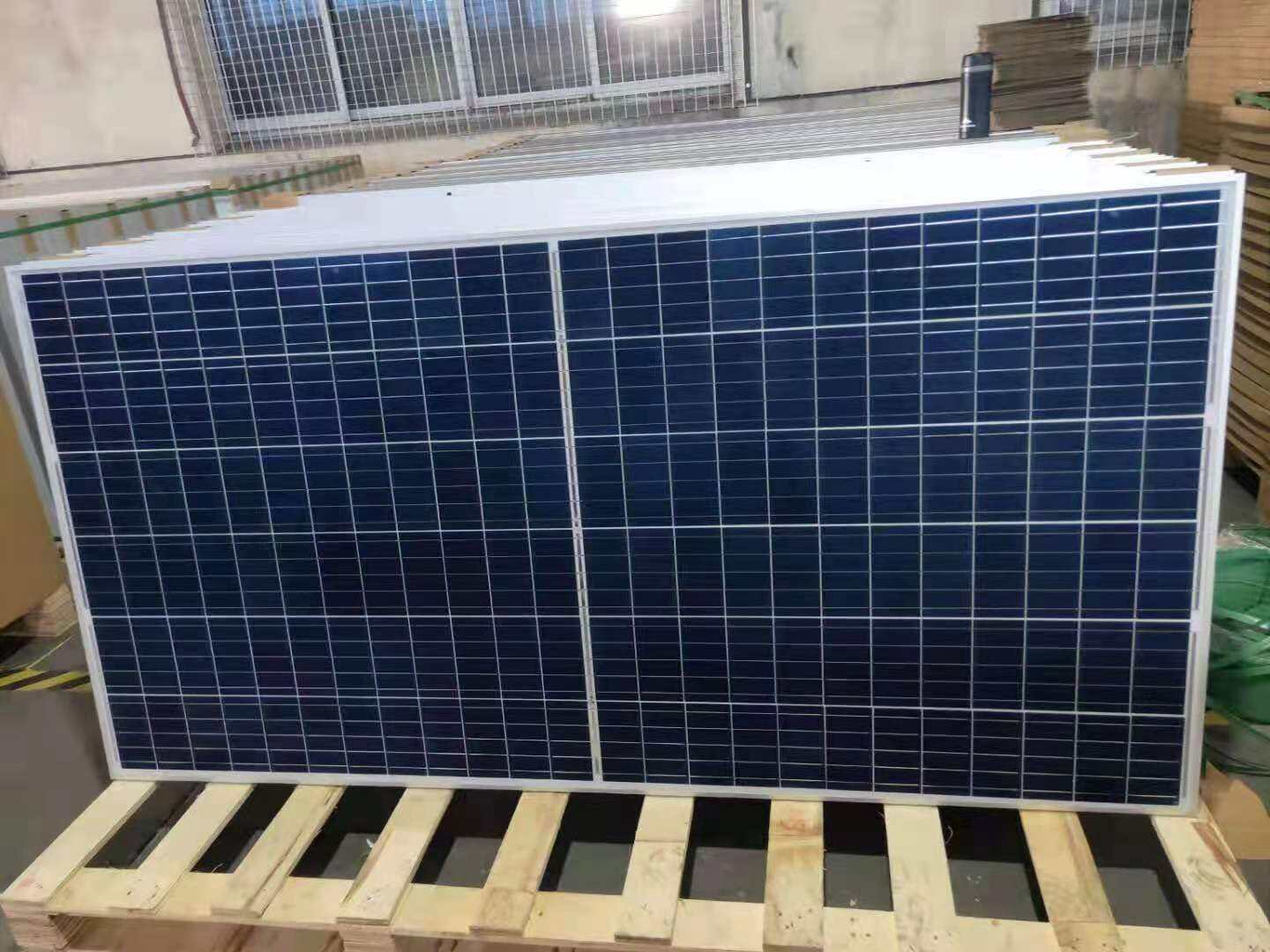
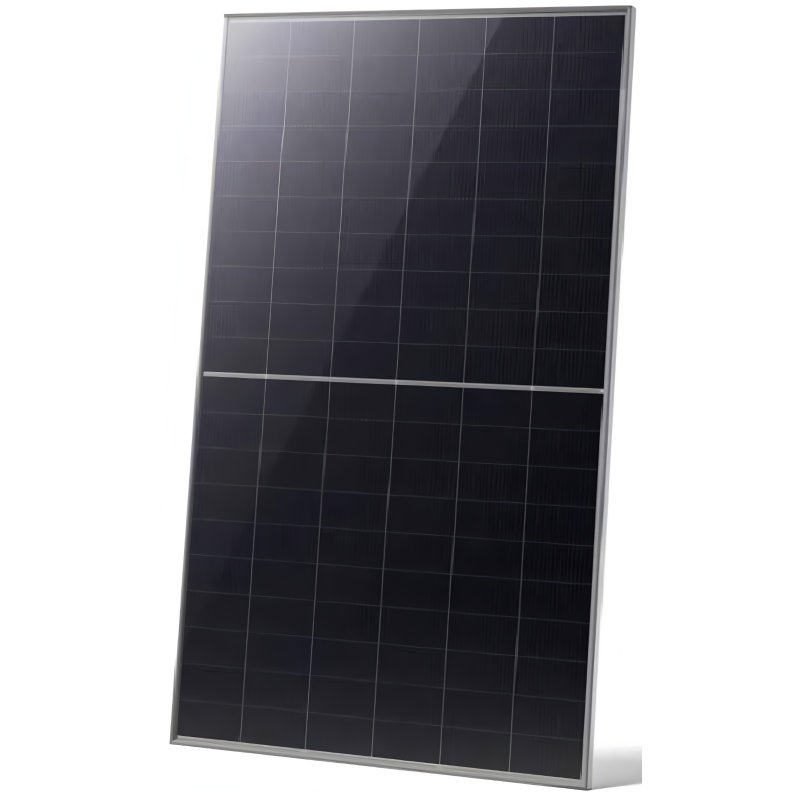
Flexible photovoltaic technology represents a revolutionary advancement in solar energy systems, transforming how we harness and utilize renewable power. Unlike traditional rigid solar panels, flexible photovoltaic modules are constructed using thin-film semiconductor materials deposited on bendable substrates such as plastic, metal foils, or specialized polymer films. This innovative design allows the panels to conform to curved surfaces, making them ideal for applications where conventional solar panels would be impractical or impossible to install. The main function of flexible photovoltaic systems is to convert sunlight directly into electrical energy through the photovoltaic effect, similar to standard solar panels, but with enhanced adaptability and installation versatility. The technological features of flexible photovoltaic modules include their lightweight construction, typically weighing 70% less than traditional crystalline silicon panels, and their ability to maintain functionality even when bent to specific radius limitations. These panels utilize amorphous silicon, copper indium gallium selenide, or cadmium telluride as the active semiconductor layers, providing efficient energy conversion while maintaining mechanical flexibility. The applications for flexible photovoltaic technology span numerous industries and scenarios, including building-integrated photovoltaics where panels can be seamlessly incorporated into architectural elements like curved rooftops, facades, and awnings. Marine applications benefit significantly from flexible photovoltaic systems, as they can conform to boat hulls and yacht surfaces without compromising structural integrity. Automotive industries increasingly adopt these flexible solutions for electric vehicle charging systems and integrated solar roofs. Portable electronics, outdoor equipment, and emergency power systems also leverage the lightweight and adaptable nature of flexible photovoltaic technology. Military and aerospace applications utilize these panels for powering remote equipment and satellites where weight reduction and durability are critical factors.

New Product Releases

Flexible photovoltaic technology offers numerous compelling advantages that make it an attractive choice for diverse energy applications. The primary benefit lies in its exceptional installation versatility, allowing users to mount solar panels on curved surfaces, irregular shapes, and locations where traditional rigid panels simply cannot fit. This flexibility opens up countless installation opportunities, from curved architectural structures to vehicle surfaces, dramatically expanding the potential for solar energy adoption. Weight reduction represents another significant advantage, as flexible photovoltaic modules weigh substantially less than conventional glass-backed panels, reducing structural load requirements and installation costs. This lighter weight makes them perfect for applications where structural limitations exist, such as older buildings, recreational vehicles, boats, and portable power systems. The durability of flexible photovoltaic panels exceeds expectations, with many models designed to withstand harsh environmental conditions including salt spray, temperature fluctuations, and mechanical stress. Their robust construction means they continue generating power even in challenging conditions that might damage traditional panels. Installation simplicity provides cost savings and convenience, as flexible photovoltaic systems often require fewer mounting components and less complex structural support. Many flexible panels can be directly bonded to surfaces using adhesives, eliminating the need for penetrating roof membranes or complex racking systems. This simplified installation reduces labor costs and installation time significantly. The aesthetic appeal of flexible photovoltaic technology allows for seamless integration with existing structures, maintaining architectural integrity while adding renewable energy generation capability. Unlike bulky traditional panels, flexible modules can blend naturally with rooflines and building surfaces, making them ideal for residential and commercial applications where visual impact matters. Energy efficiency continues to improve with advancing flexible photovoltaic technology, with modern thin-film modules achieving competitive conversion rates while maintaining their mechanical advantages. The cost-effectiveness of flexible photovoltaic systems becomes apparent when considering their reduced installation expenses, lower structural requirements, and expanded application possibilities. These factors combine to deliver excellent return on investment for users seeking renewable energy solutions that adapt to their specific needs and constraints.

Latest News

How to choose a high-performance half cell solar panel forrooftop?

23

Dec

How to choose a high-performance half cell solar panel forrooftop?

Selecting the right solar panel technology for your rooftop installation represents one of the most critical decisions in your renewable energy journey. Among the various solar panel innovations available today, half cell solar panel technology stand...
View More
How to maintain half cell solar panels to prevent local hot spots?

23

Dec

How to maintain half cell solar panels to prevent local hot spots?

Maintaining half cell solar panels properly is crucial for preventing local hot spots that can significantly reduce energy output and potentially damage your solar installation. These advanced photovoltaic modules feature innovative cell splitting te...
View More
Why are our half cell solar panels preferred by global distributors2

23

Dec

Why are our half cell solar panels preferred by global distributors2

The global solar energy market has witnessed unprecedented growth, with distributors increasingly seeking advanced photovoltaic solutions that deliver superior performance and reliability. Among the various technologies available, half cell solar pan...
View More
How to select a half cell solar panel manufacturer for bulk oirders?

23

Dec

How to select a half cell solar panel manufacturer for bulk oirders?

When planning large-scale solar installations, selecting the right half cell solar panel manufacturer becomes a critical decision that can determine the success of your project. With the growing adoption of photovoltaic technology in commercial and i...
View More

Get a Free Quote

Our representative will contact you soon.
Email
Name
Company Name
Message
0/1000

flexible photovoltaic

Revolutionary Installation Flexibility and Surface Adaptability

Revolutionary Installation Flexibility and Surface Adaptability

The most distinctive characteristic of flexible photovoltaic technology lies in its unprecedented ability to conform to virtually any surface configuration, revolutionizing solar energy installation possibilities. Traditional rigid solar panels require flat, structurally sound surfaces with specific orientation angles, severely limiting installation options and often necessitating expensive structural modifications. Flexible photovoltaic modules eliminate these constraints by bending and curving to match existing surface contours, enabling solar energy harvesting in previously impossible locations. This remarkable adaptability stems from the thin-film construction methodology, where photovoltaic materials are deposited on flexible substrates that maintain electrical functionality while allowing mechanical deformation. The bendability specifications vary by manufacturer and technology type, with many flexible photovoltaic panels capable of conforming to curves with radii as tight as several feet without performance degradation. This flexibility proves invaluable in architectural applications where building designers can integrate solar energy generation seamlessly into curved rooflines, barrel vaults, and complex geometric structures without compromising aesthetic vision. Marine applications particularly benefit from this surface adaptability, as boat hulls and yacht decks feature compound curves that traditional panels cannot accommodate. Flexible photovoltaic systems conform perfectly to these surfaces, maintaining hydrodynamic properties while generating clean energy. The automotive industry increasingly recognizes the value of flexible photovoltaic technology for electric vehicle integration, where panels can follow the natural curves of car roofs and body panels. This seamless integration maintains vehicle aerodynamics and design integrity while contributing to battery charging and auxiliary power systems. Recreational vehicle manufacturers and owners appreciate how flexible photovoltaic modules can be installed on curved RV roofs without creating wind resistance or requiring significant structural modifications. The installation process becomes dramatically simplified when panels can conform to existing surfaces rather than requiring custom mounting systems and structural reinforcements.
Superior Durability and Environmental Resilience

Superior Durability and Environmental Resilience

Flexible photovoltaic technology demonstrates exceptional durability characteristics that surpass many traditional solar panel systems, particularly in demanding environmental conditions and mobile applications. The inherent design of flexible photovoltaic modules eliminates many failure points associated with rigid glass-based panels, such as micro-cracking from thermal expansion, mechanical shock damage, and frame corrosion issues. The flexible substrate construction allows these panels to absorb mechanical stress through deformation rather than fracturing, making them ideal for applications involving vibration, movement, or potential impact scenarios. Marine environments present particular challenges for solar technology due to salt spray, constant moisture, and dynamic loading from wave action, yet flexible photovoltaic systems excel in these conditions. The absence of rigid glass components eliminates concerns about stress fractures from hull flexing, while advanced encapsulation materials protect the photovoltaic cells from moisture intrusion and salt corrosion. Testing protocols for flexible photovoltaic modules include extensive bend cycle testing, where panels undergo thousands of flexing cycles to simulate years of real-world deformation without performance degradation. Temperature cycling tests demonstrate the ability of flexible photovoltaic technology to maintain electrical output across extreme temperature ranges, from sub-zero conditions to desert heat levels exceeding 180 degrees Fahrenheit. The lightweight construction of flexible photovoltaic panels reduces wind loading on mounting structures, decreasing the likelihood of system failure during severe weather events. This weight advantage also minimizes fatigue stress on supporting structures over time, extending overall system lifespan. Impact resistance testing shows flexible photovoltaic modules can withstand hail, debris, and accidental contact that might shatter traditional glass panels. The polymer-based substrates and specialized encapsulation materials used in flexible photovoltaic construction resist ultraviolet degradation, ensuring long-term performance stability even under intense solar exposure. Manufacturing quality control processes for flexible photovoltaic technology include rigorous testing for delamination resistance, electrical integrity under mechanical stress, and long-term stability under accelerated aging conditions.

Cost-Effective Installation and Maintenance Benefits

Cost-Effective Installation and Maintenance Benefits

The economic advantages of flexible photovoltaic technology extend far beyond the initial purchase price, encompassing significant savings in installation costs, structural requirements, and long-term maintenance expenses. Traditional solar installations often require substantial structural analysis, reinforcement, and complex mounting systems that can double the total project cost, while flexible photovoltaic systems dramatically reduce these ancillary expenses. The lightweight nature of flexible photovoltaic modules, typically 70% lighter than equivalent rigid panels, eliminates the need for structural reinforcement in most applications, saving thousands of dollars on engineering analysis and construction modifications. Installation labor costs decrease substantially with flexible photovoltaic systems due to simplified mounting procedures that often involve direct adhesive bonding rather than complex racking assemblies and roof penetrations. This streamlined installation process reduces project timelines from days to hours in many cases, minimizing disruption and labor expenses while accelerating return on investment timelines. The adhesive mounting option available with many flexible photovoltaic systems eliminates roof penetrations that create potential leak points, reducing both installation complexity and long-term maintenance concerns. Waterproofing warranties remain intact when flexible panels are bonded directly to membrane roofing systems, avoiding the warranty complications often associated with traditional panel installations that require roof penetrations. Transportation and handling costs for flexible photovoltaic modules are significantly lower due to their lightweight construction and ability to be rolled or folded for compact shipping, reducing logistics expenses and enabling easier on-site maneuvering. The durability characteristics of flexible photovoltaic technology translate directly into maintenance cost savings, as the absence of glass components eliminates concerns about cracking, the flexible construction resists impact damage, and the simplified mounting systems require minimal ongoing attention. Cleaning and maintenance procedures for flexible photovoltaic installations prove simpler and safer, as the lightweight panels create less structural stress and the smooth surfaces resist dirt accumulation while being easier to clean. Insurance costs for flexible photovoltaic installations often run lower due to reduced wind loading, elimination of heavy glass components that could cause injury if damaged, and lower fire risk from simplified electrical connections and reduced structural complexity.
Inquiry Inquiry Flexible Photovoltaic Panels: Revolutionary Solar Technology for Curved Surfaces and Mobile Applications Flexible Photovoltaic Panels: Revolutionary Solar Technology for Curved Surfaces and Mobile Applications Flexible Photovoltaic Panels: Revolutionary Solar Technology for Curved Surfaces and Mobile Applications

Get a Free Quote

Our representative will contact you soon.
Email
Name
Company Name
Message
0/1000