Seamless Architectural Integration with Maximum Design Flexibility
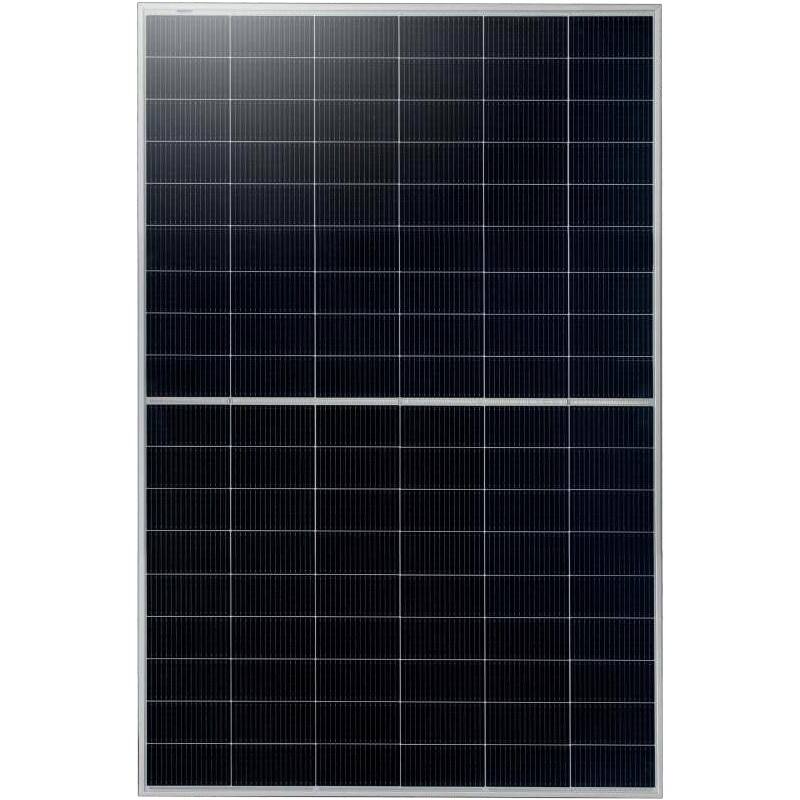
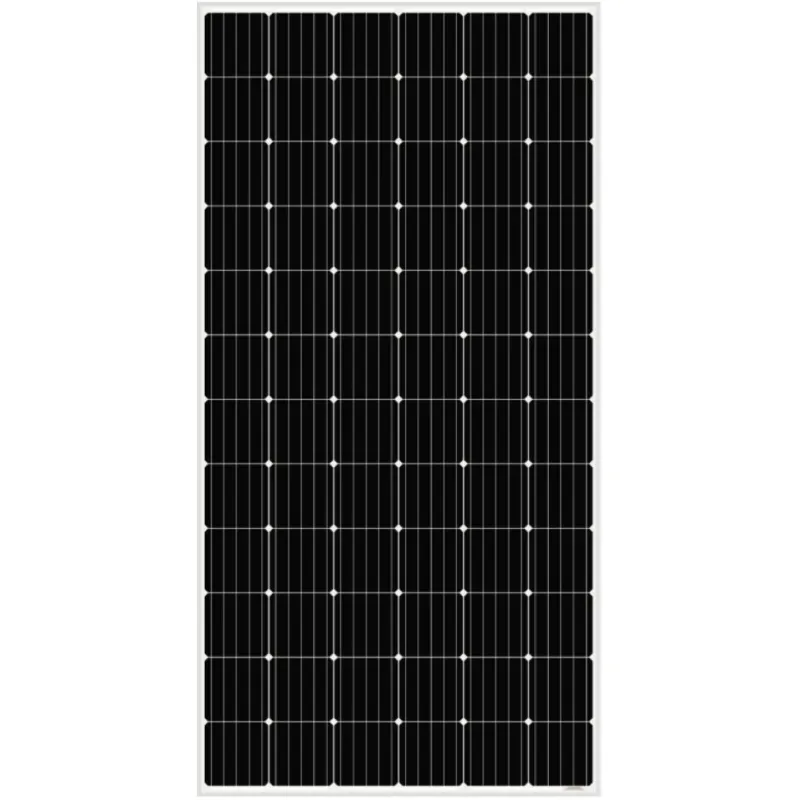
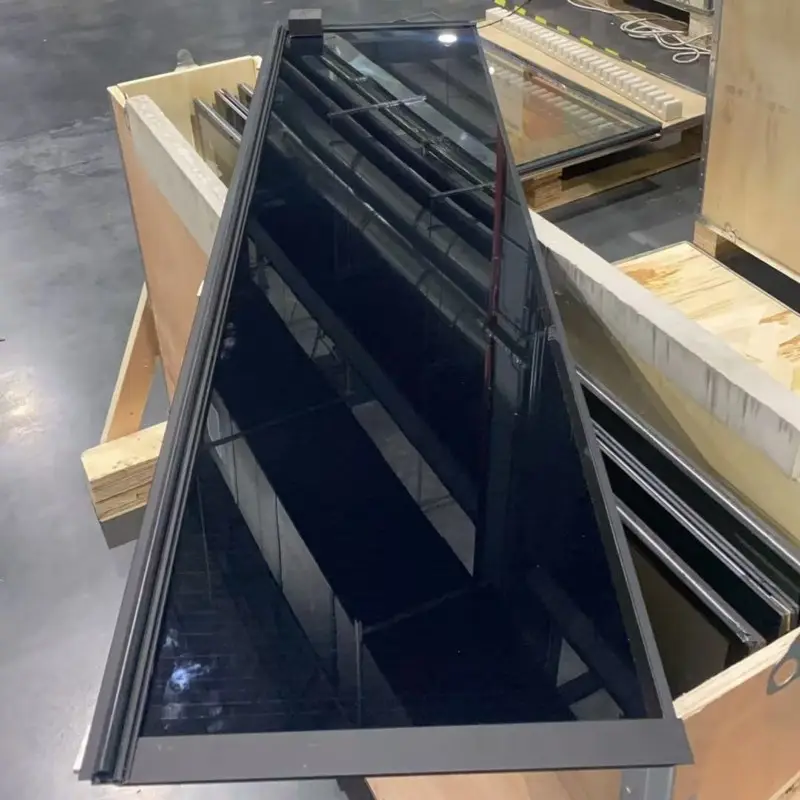
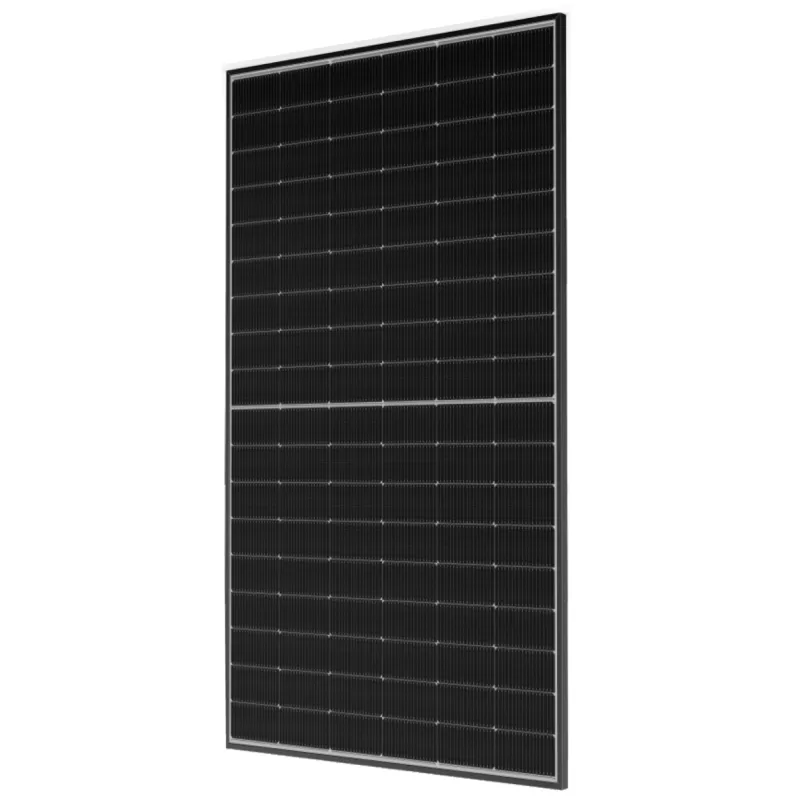
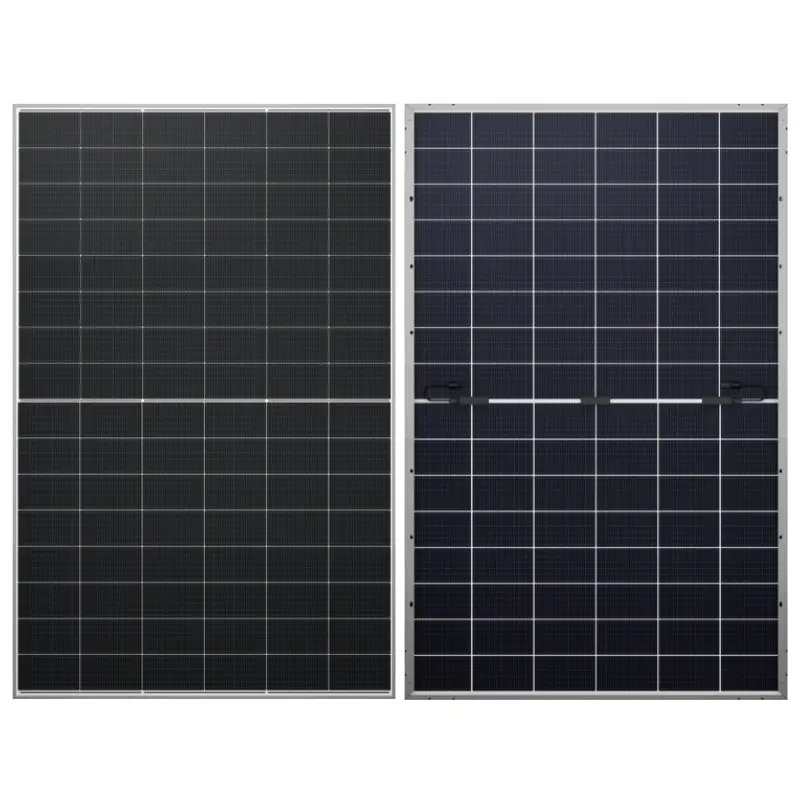
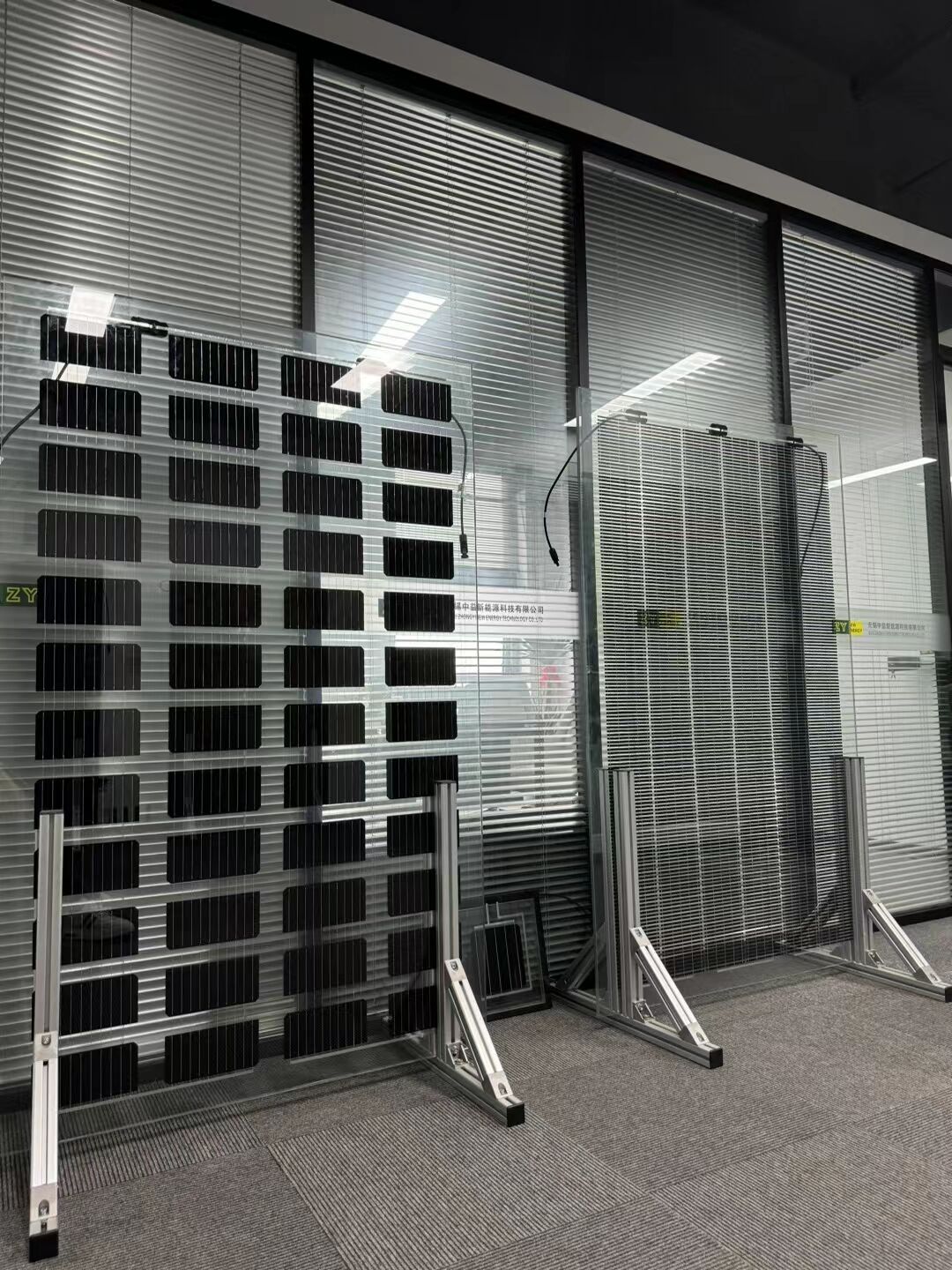
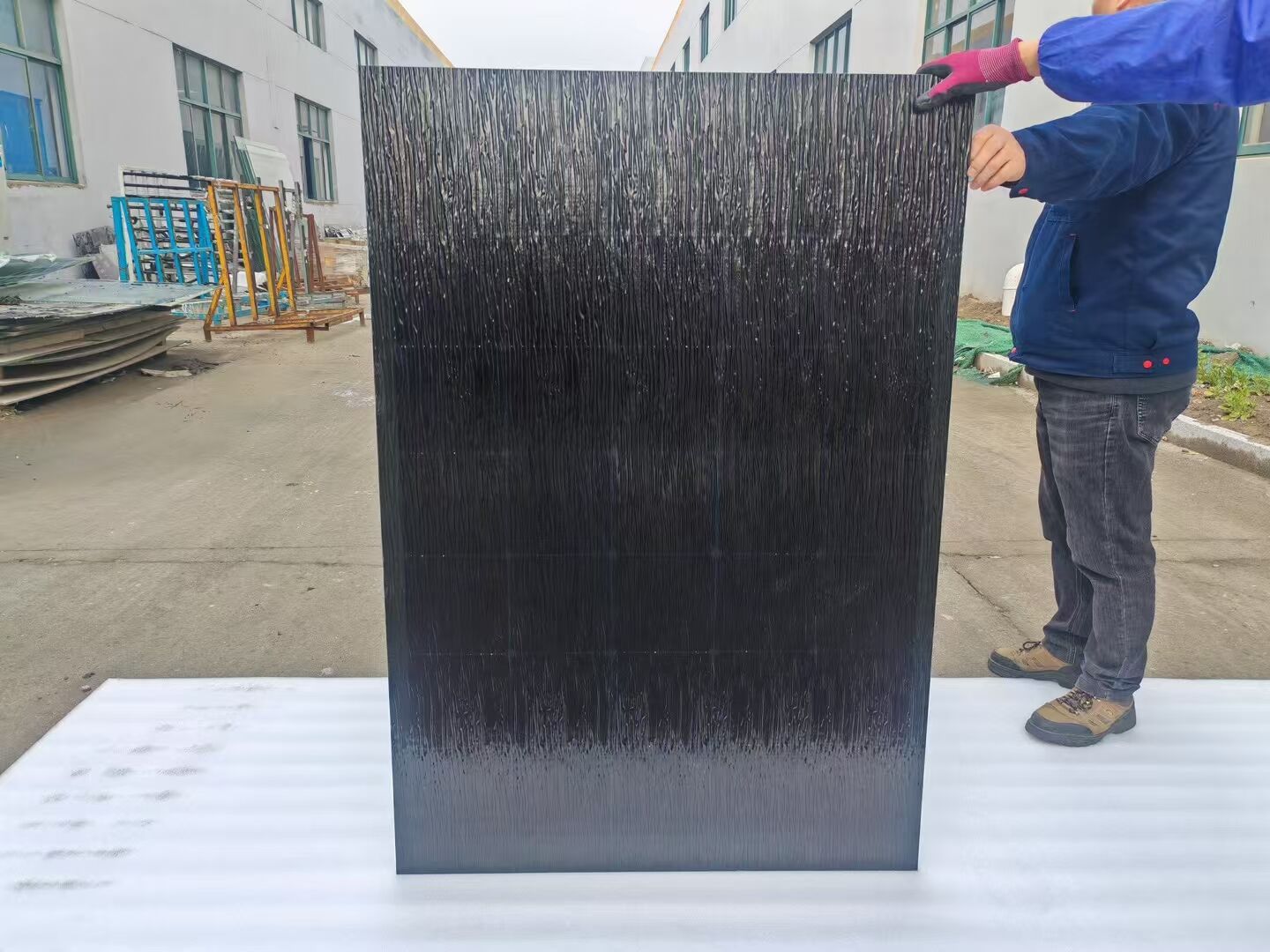
The most compelling aspect of integrated photovoltaic technology lies in its ability to blend invisibly into architectural designs while delivering powerful energy generation capabilities. Unlike conventional solar panels that create visual disruptions and compromise building aesthetics, integrated photovoltaic systems become indistinguishable from traditional building materials. This seamless integration transforms every surface into a potential energy generator without sacrificing design vision or architectural integrity. Modern integrated photovoltaic solutions offer unprecedented design flexibility, with manufacturers producing systems that mimic various textures, colors, and finishes to match existing architectural styles. Whether your project requires traditional clay tile appearances, sleek modern metal finishes, or transparent glass elements, integrated photovoltaic technology adapts to meet specific design requirements. This versatility enables architects and designers to incorporate sustainable energy solutions from initial planning stages rather than retrofitting existing structures. The technology particularly excels in historic renovation projects where maintaining original architectural character remains paramount. Integrated photovoltaic systems can replicate period-appropriate materials while adding modern energy efficiency that historic buildings traditionally lack. This combination preserves cultural heritage while upgrading structures for contemporary sustainability standards. Commercial applications benefit enormously from the professional appearance that integrated photovoltaic installations provide. Office buildings, retail centers, and corporate facilities can showcase environmental commitment without compromising brand image or architectural sophistication. The clean, uniform appearance communicates forward-thinking values to customers, employees, and stakeholders while delivering measurable environmental benefits. Installation flexibility represents another crucial advantage, with integrated photovoltaic systems adaptable to various roof pitches, orientations, and structural configurations. This adaptability ensures optimal energy generation regardless of building constraints or architectural limitations. The technology works equally well on new construction projects and renovation applications, providing sustainable solutions for diverse building types and construction scenarios.


 EN
EN