BIPV Solar Systems: Complete Guide to Building-Integrated Photovoltaic Technology, Benefits, and Applications

Get a Free Quote

Our representative will contact you soon.
Email
Name
Company Name
Message
0/1000

bipv solar

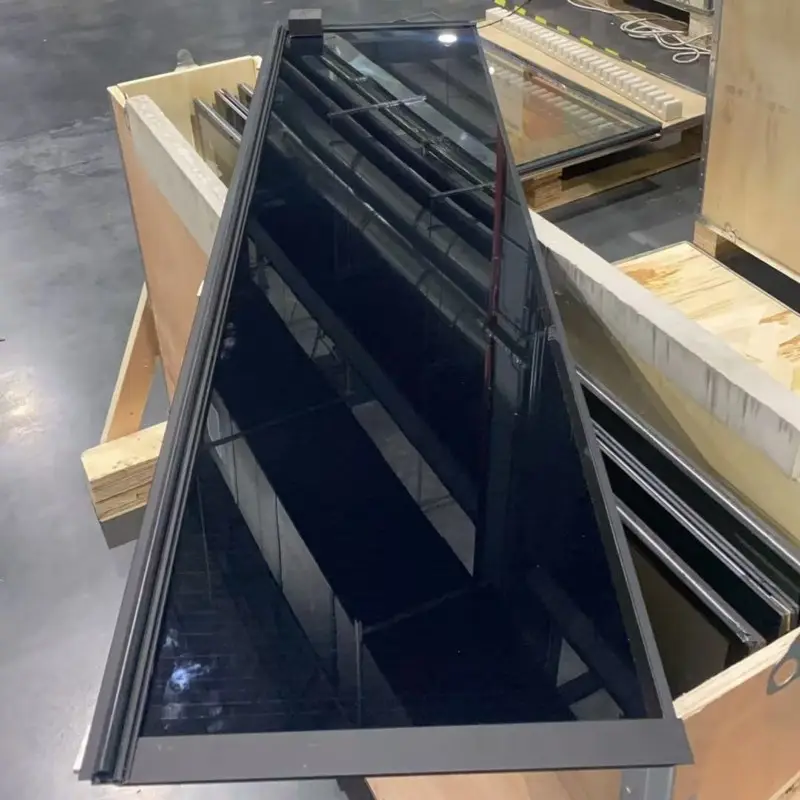
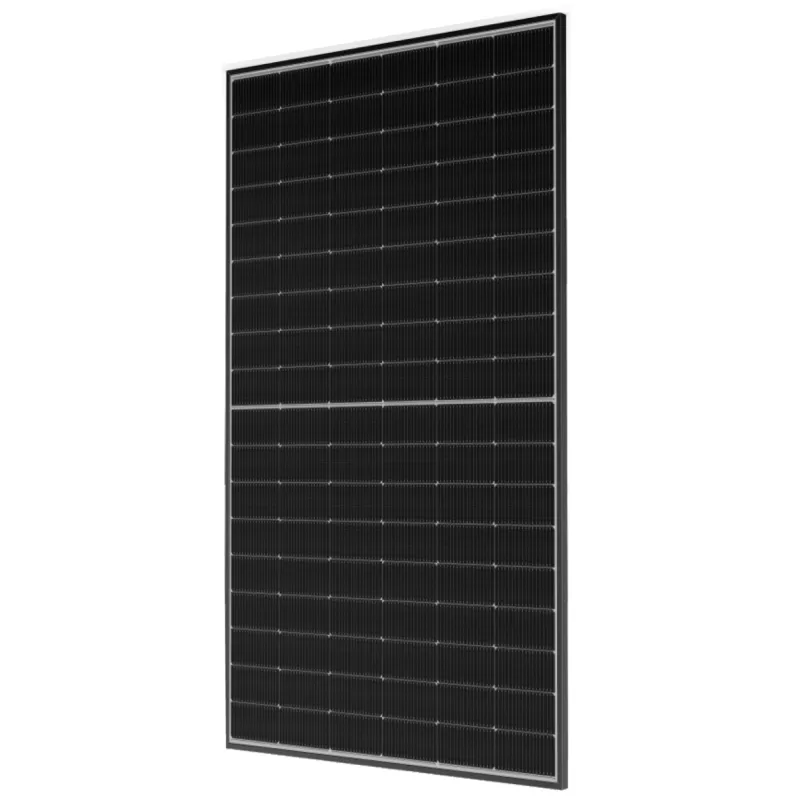
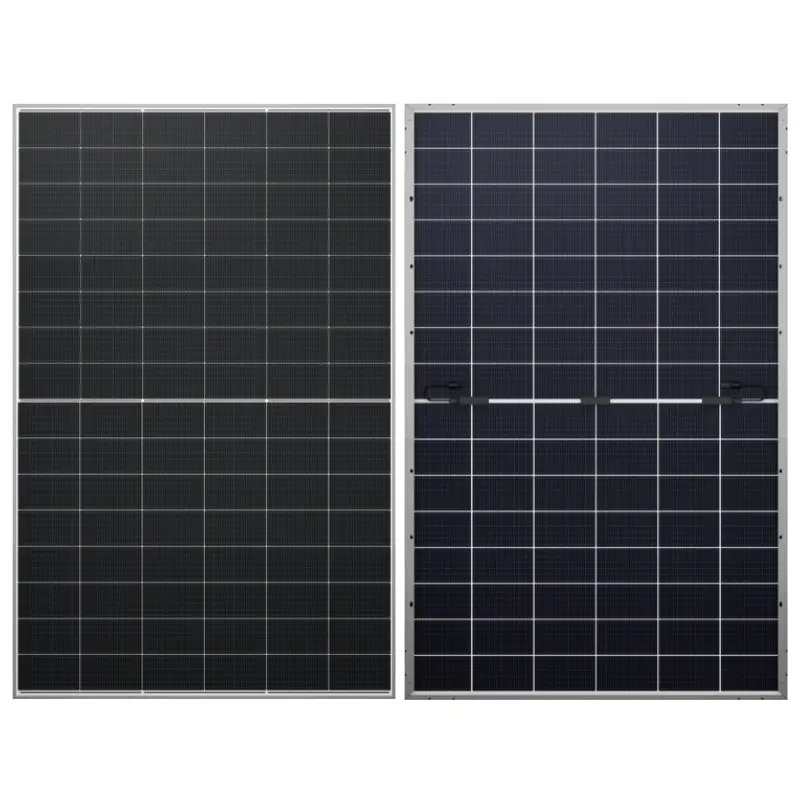
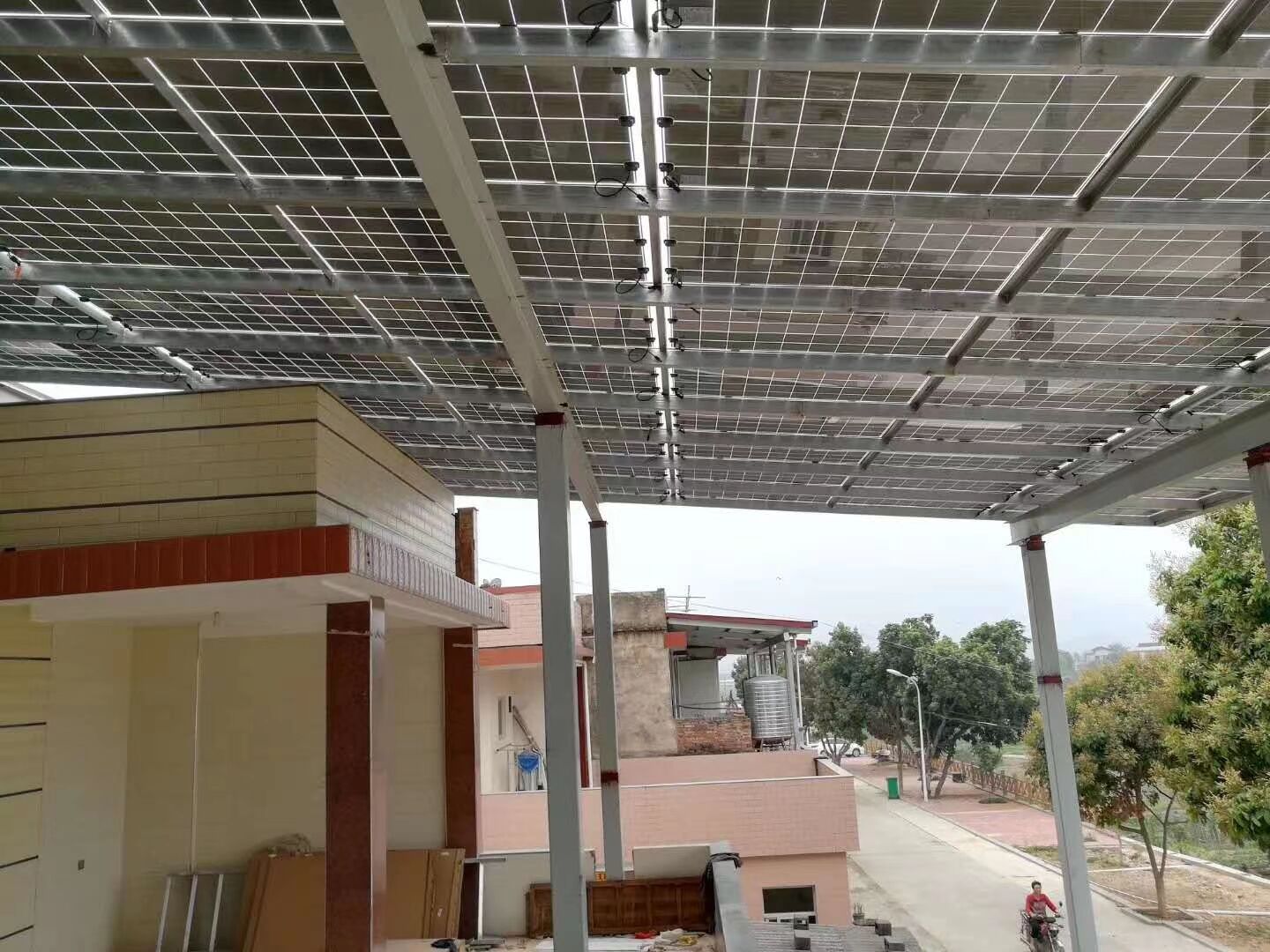
Building Integrated Photovoltaic (BIPV) solar systems represent a revolutionary advancement in sustainable energy technology, seamlessly combining architectural functionality with renewable power generation. Unlike traditional solar panels that are mounted on top of existing structures, BIPV solar solutions are integrated directly into building materials, serving dual purposes as both construction elements and electricity generators. This innovative approach transforms roofs, facades, windows, and other building components into active energy-producing surfaces while maintaining aesthetic appeal and structural integrity. BIPV solar technology encompasses various forms, including photovoltaic roof tiles, solar glass panels, transparent solar cells for windows, and facade-mounted systems that replace conventional building materials. The core functionality centers on converting sunlight into electrical energy through photovoltaic cells embedded within building components. These systems utilize crystalline silicon, thin-film, or emerging perovskite technologies to achieve efficient energy conversion while meeting architectural requirements. The technological features of BIPV solar include weatherproofing capabilities, thermal insulation properties, and customizable designs that match specific architectural aesthetics. Modern BIPV solar installations incorporate smart monitoring systems, enabling real-time performance tracking and optimization. Applications span residential homes, commercial buildings, industrial facilities, and public infrastructure projects. Residential BIPV solar installations commonly feature integrated roof tiles and solar windows, while commercial applications often utilize large-scale facade systems and canopy structures. The technology proves particularly valuable in urban environments where space constraints limit traditional solar panel installations. Educational institutions, hospitals, shopping centers, and office buildings increasingly adopt BIPV solar solutions to reduce energy costs and carbon footprints. Government buildings and public facilities also embrace this technology to demonstrate environmental leadership and achieve sustainability goals while maintaining architectural standards and municipal design requirements.


New Product Recommendations

BIPV solar technology offers numerous compelling advantages that make it an increasingly attractive option for property owners and developers seeking sustainable energy solutions. The primary benefit lies in dual functionality, where BIPV solar systems simultaneously serve as building materials and energy generators, eliminating the need for separate roofing or facade materials while producing clean electricity. This integration reduces overall construction costs compared to installing traditional building materials plus conventional solar panels. Space efficiency represents another significant advantage, particularly valuable in urban areas where roof space is limited or unavailable. BIPV solar maximizes energy generation potential by utilizing previously unused surfaces like walls, windows, and architectural features. The aesthetic appeal of BIPV solar systems surpasses traditional solar installations, as these solutions blend seamlessly with building designs rather than appearing as aftermarket additions. This visual integration helps maintain property values and satisfies architectural requirements in regulated districts or premium neighborhoods. Financial benefits extend beyond initial cost savings, as BIPV solar systems increase property values while reducing long-term energy expenses. Many regions offer tax incentives, rebates, and feed-in tariffs specifically for BIPV solar installations, enhancing return on investment. The technology provides excellent durability and longevity, with many systems warranted for 25-30 years of reliable performance. Weather resistance and structural protection are enhanced compared to traditional building materials, as BIPV solar components often exceed standard weatherproofing and insulation requirements. Maintenance requirements remain minimal, typically involving periodic cleaning and monitoring rather than extensive upkeep. Environmental benefits include significant carbon footprint reduction, contributing to green building certifications and sustainability goals. BIPV solar systems generate clean energy without emissions, noise, or environmental disruption. The technology supports energy independence by reducing reliance on grid electricity and providing potential backup power capabilities. Installation flexibility allows for phased implementation, enabling property owners to gradually expand their BIPV solar capacity based on budget and energy needs.

Tips And Tricks

How to choose a high-performance half cell solar panel forrooftop?

23

Dec

How to choose a high-performance half cell solar panel forrooftop?

Selecting the right solar panel technology for your rooftop installation represents one of the most critical decisions in your renewable energy journey. Among the various solar panel innovations available today, half cell solar panel technology stand...
View More
How to maintain half cell solar panels to prevent local hot spots?

23

Dec

How to maintain half cell solar panels to prevent local hot spots?

Maintaining half cell solar panels properly is crucial for preventing local hot spots that can significantly reduce energy output and potentially damage your solar installation. These advanced photovoltaic modules feature innovative cell splitting te...
View More
Why are our half cell solar panels preferred by global distributors2

23

Dec

Why are our half cell solar panels preferred by global distributors2

The global solar energy market has witnessed unprecedented growth, with distributors increasingly seeking advanced photovoltaic solutions that deliver superior performance and reliability. Among the various technologies available, half cell solar pan...
View More
How to select a half cell solar panel manufacturer for bulk oirders?

23

Dec

How to select a half cell solar panel manufacturer for bulk oirders?

When planning large-scale solar installations, selecting the right half cell solar panel manufacturer becomes a critical decision that can determine the success of your project. With the growing adoption of photovoltaic technology in commercial and i...
View More

Get a Free Quote

Our representative will contact you soon.
Email
Name
Company Name
Message
0/1000

bipv solar

Seamless Architectural Integration with Maximum Energy Efficiency

Seamless Architectural Integration with Maximum Energy Efficiency

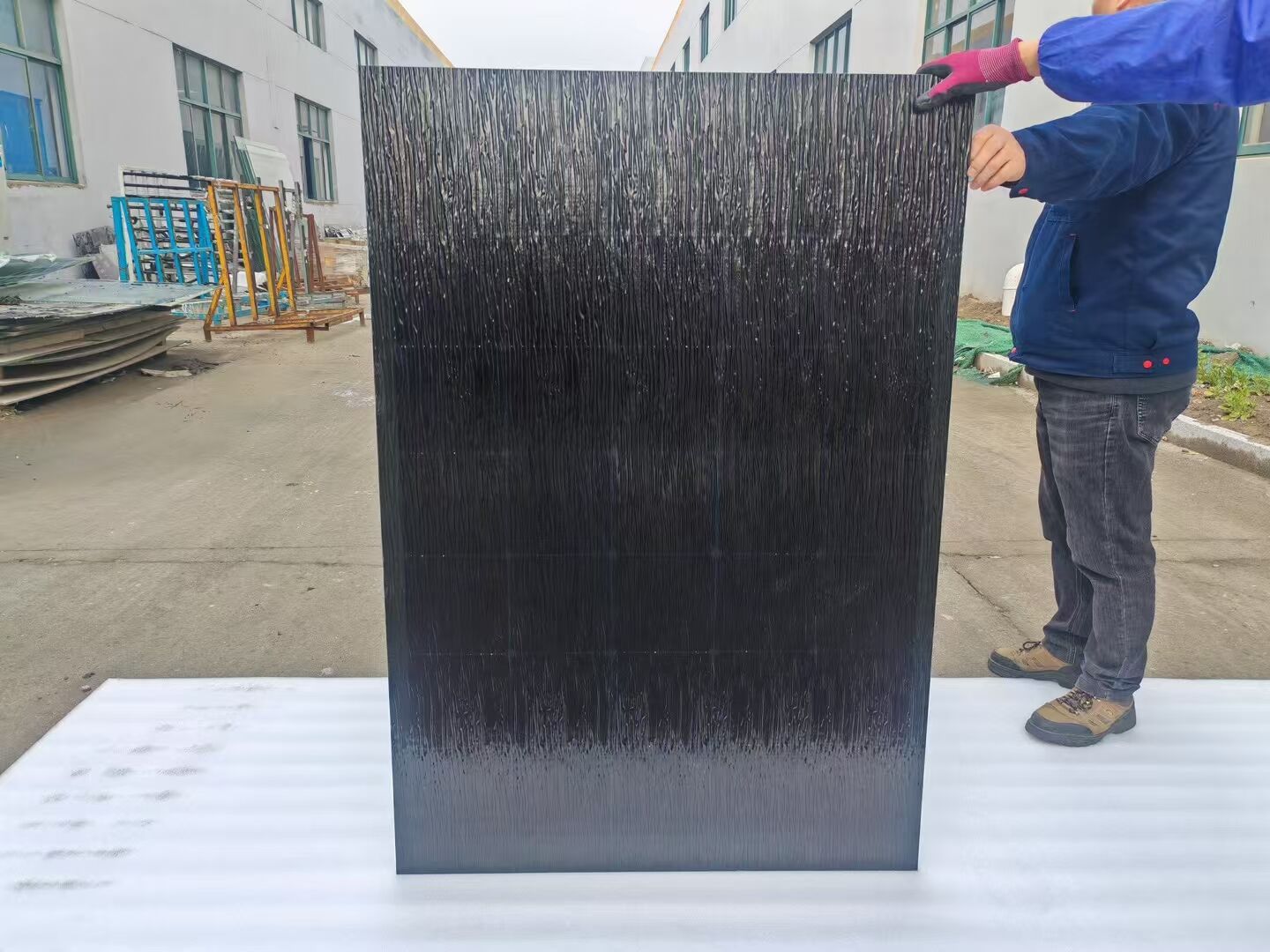
The revolutionary design philosophy behind BIPV solar technology centers on achieving perfect harmony between architectural aesthetics and energy generation capabilities, creating building components that serve multiple functions without compromising visual appeal or structural performance. This seamless integration eliminates the traditional conflict between solar energy adoption and architectural design preferences that has historically hindered renewable energy adoption in premium developments and regulated urban environments. BIPV solar systems are manufactured to match specific architectural requirements, offering customizable colors, textures, and forms that complement existing design elements while delivering optimal energy performance. The technology enables architects and developers to incorporate renewable energy generation into their designs from the initial planning stages, rather than treating solar power as an aftermarket addition that might detract from aesthetic goals. Advanced manufacturing techniques allow BIPV solar components to replicate the appearance of traditional building materials such as slate, clay tiles, or modern composite panels while housing high-efficiency photovoltaic cells within their structure. This integration extends beyond mere appearance, as BIPV solar systems are engineered to meet or exceed the structural, thermal, and weather resistance properties of conventional building materials. The result is a building envelope that provides superior energy performance while maintaining architectural integrity and visual coherence. Property owners benefit from increased real estate values, as BIPV solar installations enhance both the functional and aesthetic appeal of buildings. The technology particularly excels in applications where traditional solar panels would be prohibited by homeowner associations, historic district regulations, or municipal design codes. Commercial developments utilize BIPV solar to achieve LEED certification and other green building standards while creating striking architectural statements that demonstrate environmental commitment. The integration capabilities extend to various building surfaces, including curved facades, skylights, and decorative elements, enabling creative architectural expression while maximizing energy generation potential across the entire building envelope.
Superior Long-Term Financial Returns and Cost Effectiveness

Superior Long-Term Financial Returns and Cost Effectiveness

BIPV solar systems deliver exceptional financial value through multiple revenue streams and cost-saving mechanisms that extend far beyond simple energy bill reduction, creating a comprehensive economic benefit package that appeals to both residential and commercial property owners. The initial investment in BIPV solar technology typically shows faster payback periods compared to traditional solar installations when accounting for the dual functionality of serving as both building materials and energy generators, effectively reducing the net system cost by eliminating the need for separate roofing, facade, or window materials. Property values increase significantly with BIPV solar installations, as independent appraisals consistently show that homes and buildings with integrated solar systems command premium prices in real estate markets, with the value increase often exceeding the initial installation cost within the first few years. Energy independence achieved through BIPV solar systems provides protection against rising utility rates and grid instability, ensuring predictable energy costs over the system's 25-30 year operational lifespan. Many regions offer substantial financial incentives specifically designed to encourage BIPV solar adoption, including federal tax credits, state rebates, local utility incentives, and net metering programs that allow excess energy production to be sold back to the grid at retail rates. Commercial installations benefit from accelerated depreciation schedules and tax advantages that can offset significant portions of the initial investment within the first few years of operation. The superior durability and minimal maintenance requirements of BIPV solar systems reduce long-term operational costs compared to traditional building materials, which may require periodic replacement, repair, or maintenance. Insurance benefits often accompany BIPV solar installations, as many insurers offer discounts for properties with renewable energy systems and enhanced weather resistance capabilities. The technology's modular nature allows for phased installation approaches, enabling property owners to spread investment costs over time while immediately benefiting from energy generation and cost savings from completed phases, making BIPV solar accessible to a broader range of budgets and financial situations.
Advanced Technology Integration and Smart Energy Management

Advanced Technology Integration and Smart Energy Management

Modern BIPV solar systems incorporate cutting-edge technological innovations that extend far beyond basic photovoltaic energy conversion, featuring intelligent monitoring, control, and optimization capabilities that maximize system performance while providing users with comprehensive energy management tools and real-time operational insights. These advanced systems utilize sophisticated microinverters and power optimizers that ensure each individual solar cell or panel operates at peak efficiency, automatically compensating for partial shading, soiling, or component variations that might otherwise reduce overall system output. Smart monitoring platforms provide detailed performance analytics through user-friendly mobile applications and web dashboards, enabling property owners to track energy production, consumption patterns, and system health in real-time while receiving automated alerts for maintenance needs or performance issues. The integration capabilities extend to smart home and building automation systems, allowing BIPV solar installations to communicate with energy storage systems, electric vehicle chargers, smart appliances, and HVAC controls to optimize energy usage and reduce grid dependence during peak demand periods. Advanced weather prediction algorithms incorporated into modern BIPV solar systems enable proactive energy management, automatically adjusting system parameters and energy storage strategies based on forecasted weather conditions to maximize efficiency and grid independence. The technology supports bidirectional energy flow, enabling properties with BIPV solar systems to participate in grid stabilization programs and demand response initiatives that provide additional revenue opportunities while contributing to overall electrical grid reliability and efficiency. Machine learning algorithms continuously analyze system performance data to identify optimization opportunities and predict maintenance needs, extending system lifespan and maximizing energy output through predictive analytics and automated adjustments. Safety features integrated into BIPV solar systems include rapid shutdown capabilities, arc fault detection, and ground fault protection that exceed standard electrical safety requirements while providing enhanced fire safety and electrical worker protection. The systems' compatibility with emerging technologies such as battery storage, hydrogen production, and electric vehicle charging creates future-proof installations that can adapt to evolving energy needs and technological advances without requiring system replacement or major modifications.
Inquiry Inquiry BIPV Solar Systems: Complete Guide to Building-Integrated Photovoltaic Technology, Benefits, and Applications BIPV Solar Systems: Complete Guide to Building-Integrated Photovoltaic Technology, Benefits, and Applications BIPV Solar Systems: Complete Guide to Building-Integrated Photovoltaic Technology, Benefits, and Applications

Get a Free Quote

Our representative will contact you soon.
Email
Name
Company Name
Message
0/1000