building integrated solar
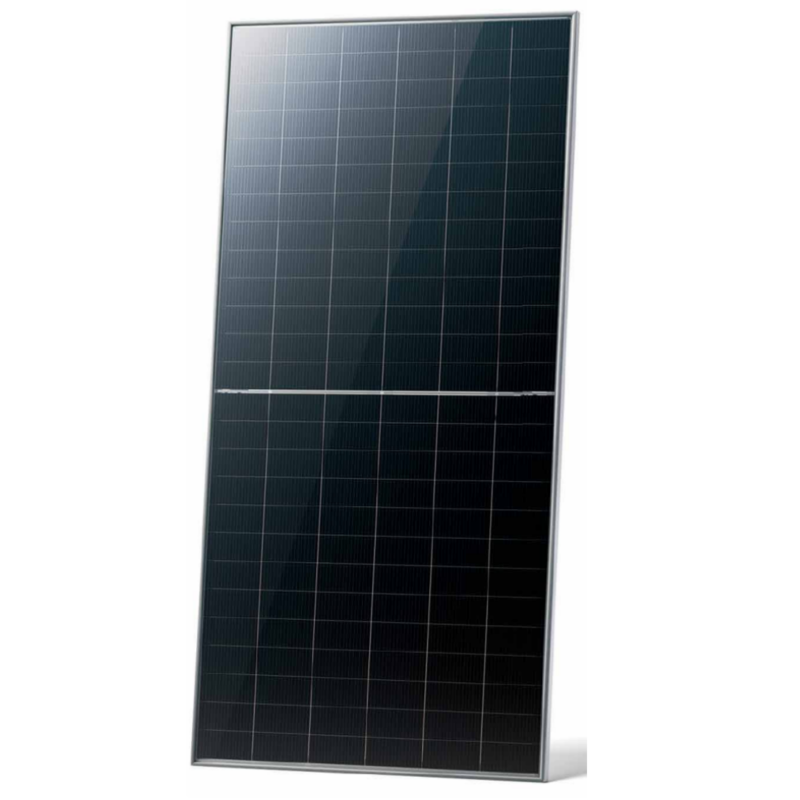
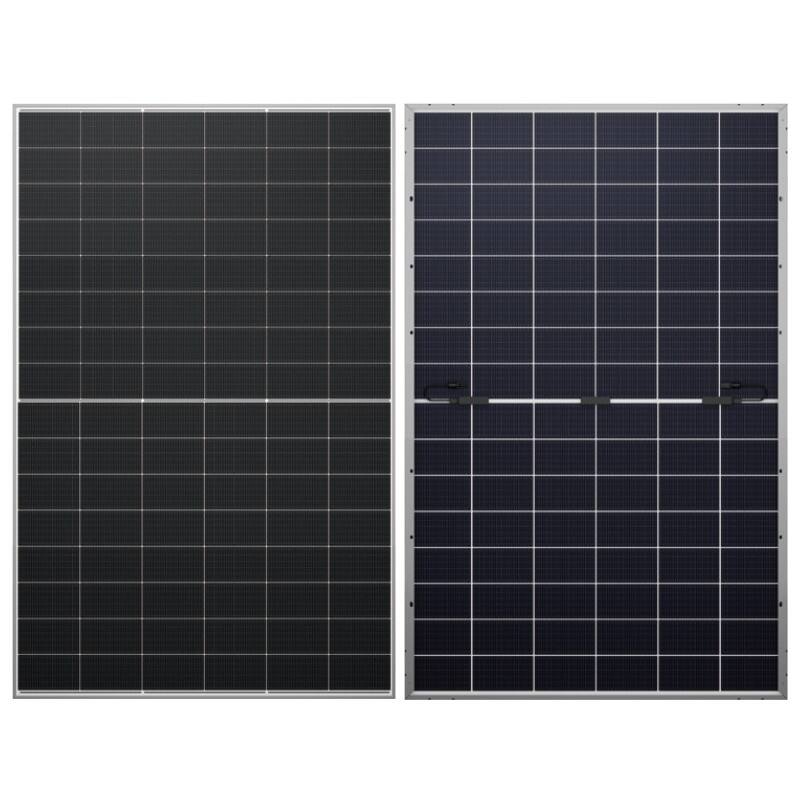
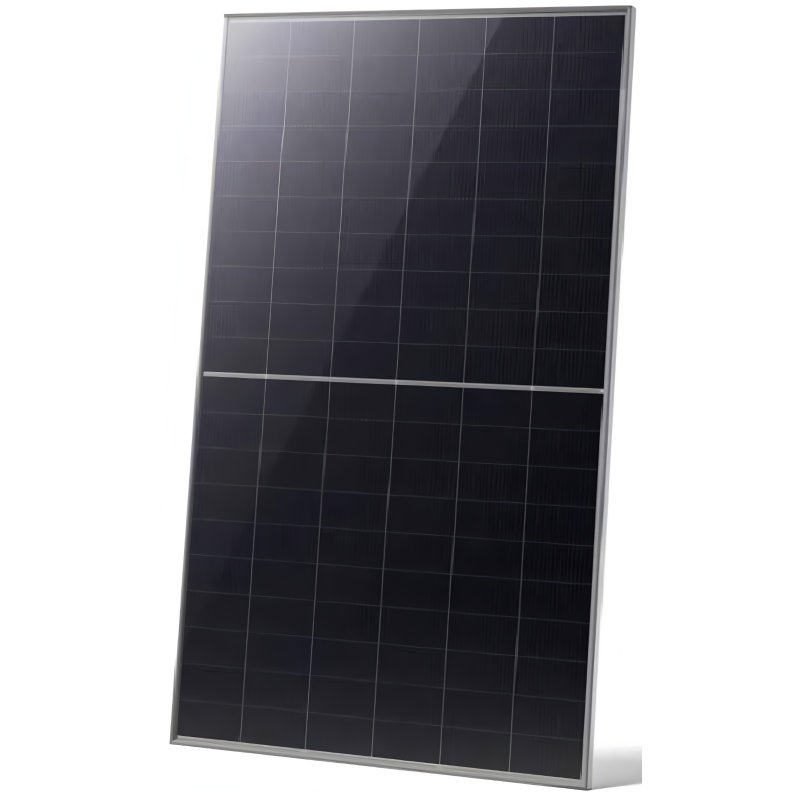
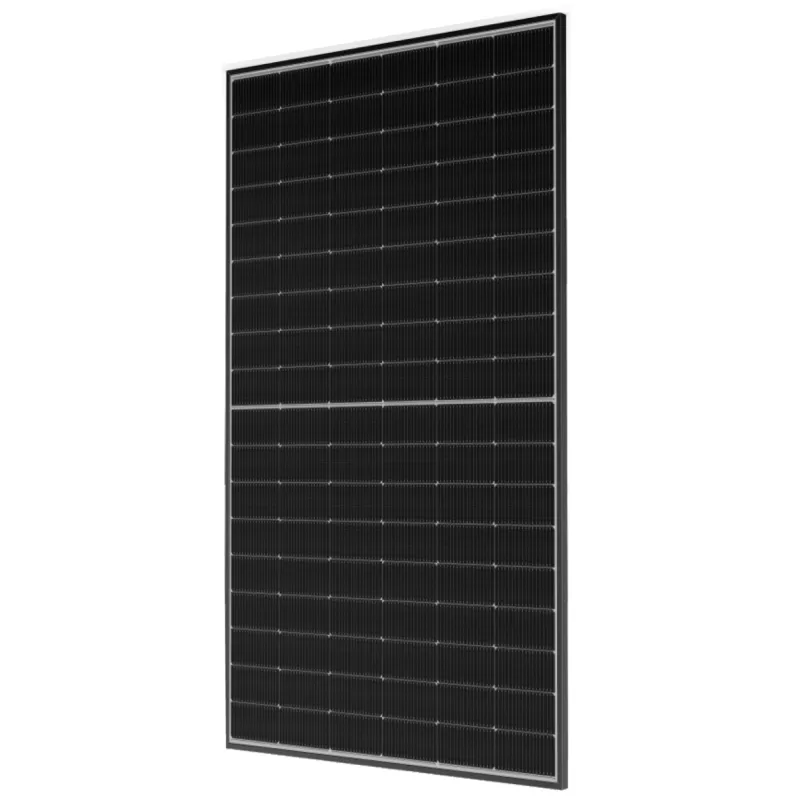
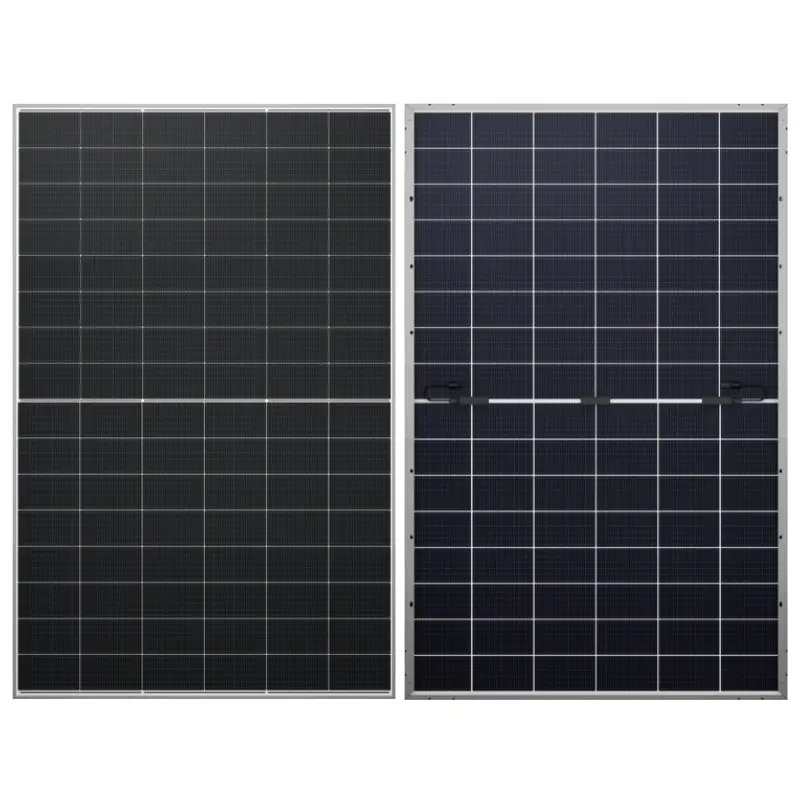
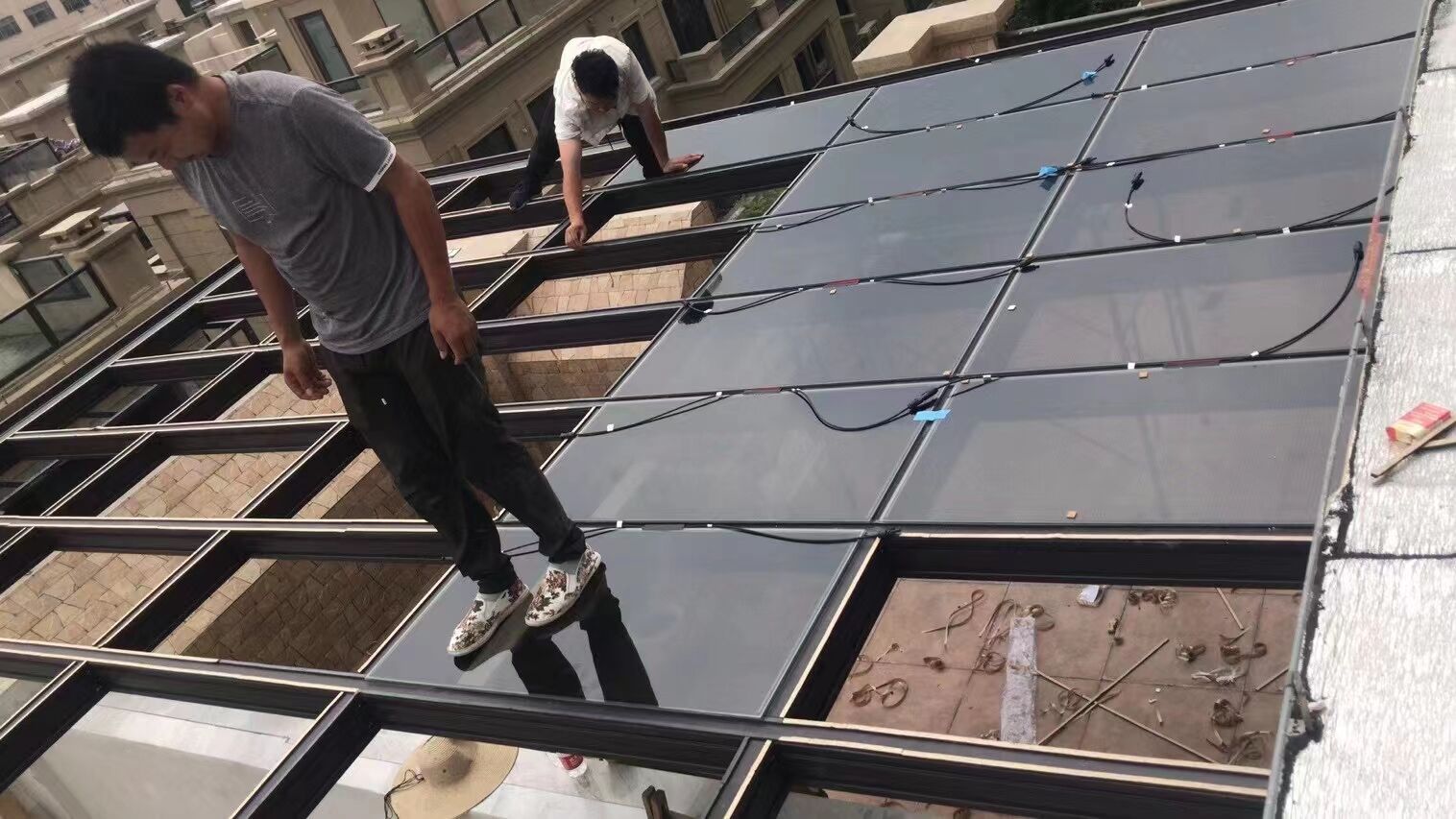
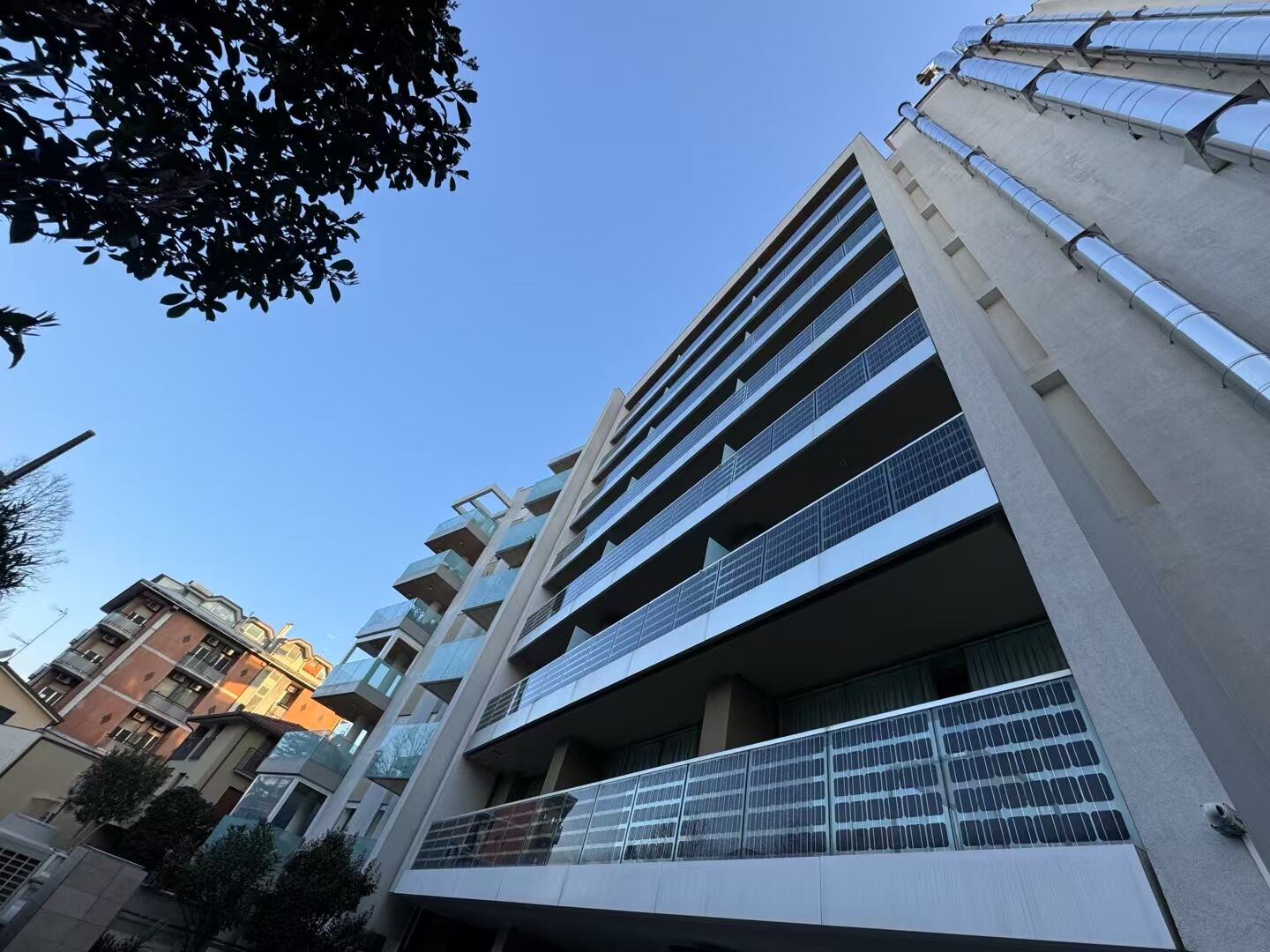
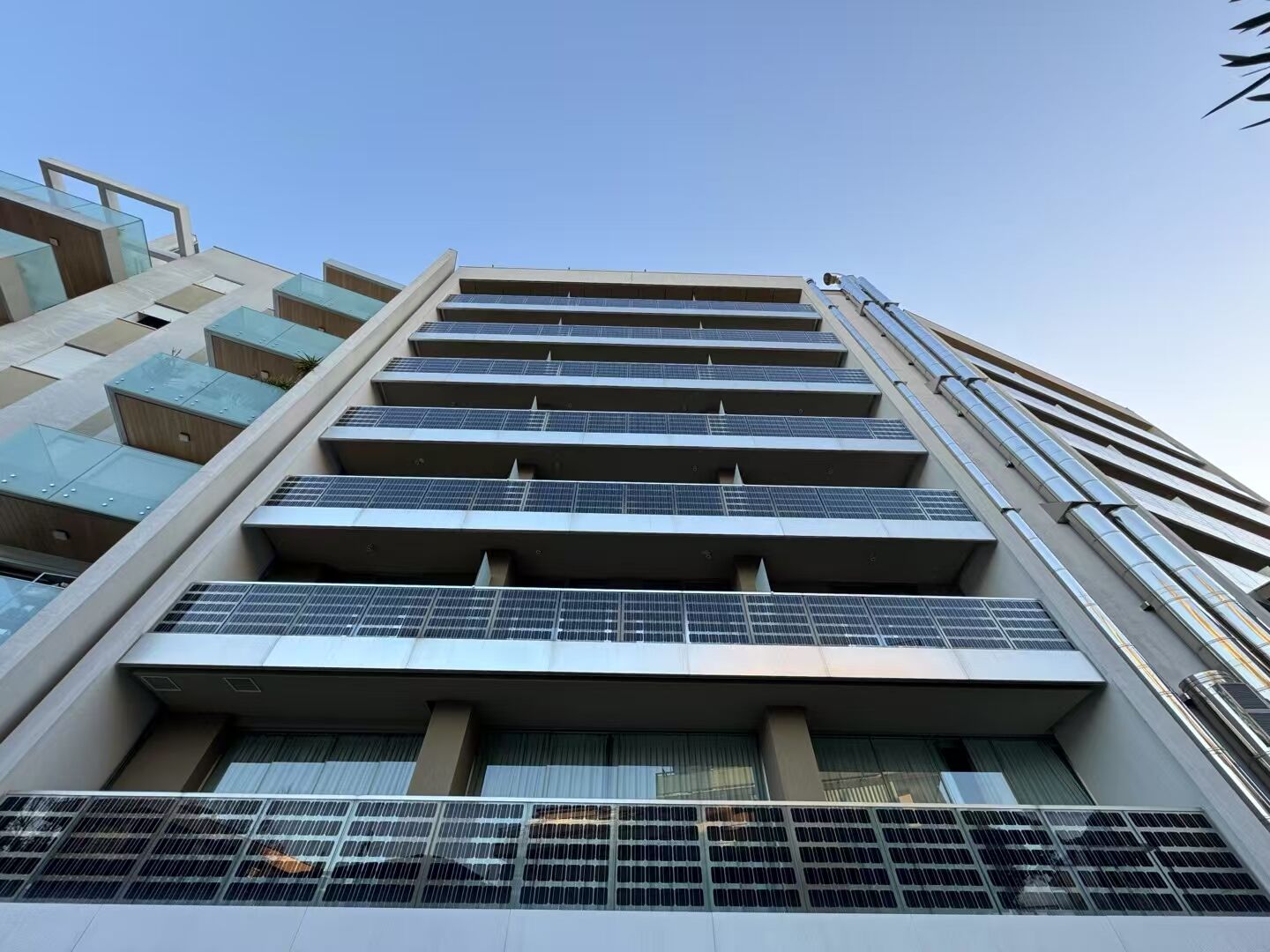
Building integrated solar represents a revolutionary approach to renewable energy generation that seamlessly combines solar technology with architectural design elements. Unlike traditional rooftop solar panels that are mounted on existing structures, building integrated solar systems are incorporated directly into the building envelope during construction or renovation. This innovative technology transforms ordinary building materials into energy-generating components while maintaining the aesthetic integrity of the structure. The main functions of building integrated solar include electricity generation, weather protection, and architectural enhancement. These systems can replace conventional building materials such as roofing tiles, facades, windows, and skylights while simultaneously producing clean energy. The technological features encompass photovoltaic cells embedded within building materials, advanced inverter systems that convert DC power to AC electricity, and smart monitoring capabilities that track energy production and system performance. Building integrated solar applications span across residential homes, commercial buildings, industrial facilities, and public infrastructure projects. Residential applications include solar roof tiles, solar facades, and transparent solar windows that generate power while allowing natural light penetration. Commercial implementations feature large-scale solar curtain walls, canopies, and integrated parking structures. Industrial applications involve solar cladding systems and specialized manufacturing facility integrations. The technology utilizes various photovoltaic materials including silicon-based cells, thin-film technologies, and emerging perovskite materials that offer flexibility and transparency options. Modern building integrated solar systems incorporate micro-inverters, power optimizers, and battery storage capabilities for enhanced energy management. These installations connect to smart grid systems, enabling bidirectional energy flow and net metering arrangements. The integration process requires careful coordination between architects, engineers, and solar specialists to ensure optimal performance and compliance with building codes while maximizing energy output potential.



 EN
EN