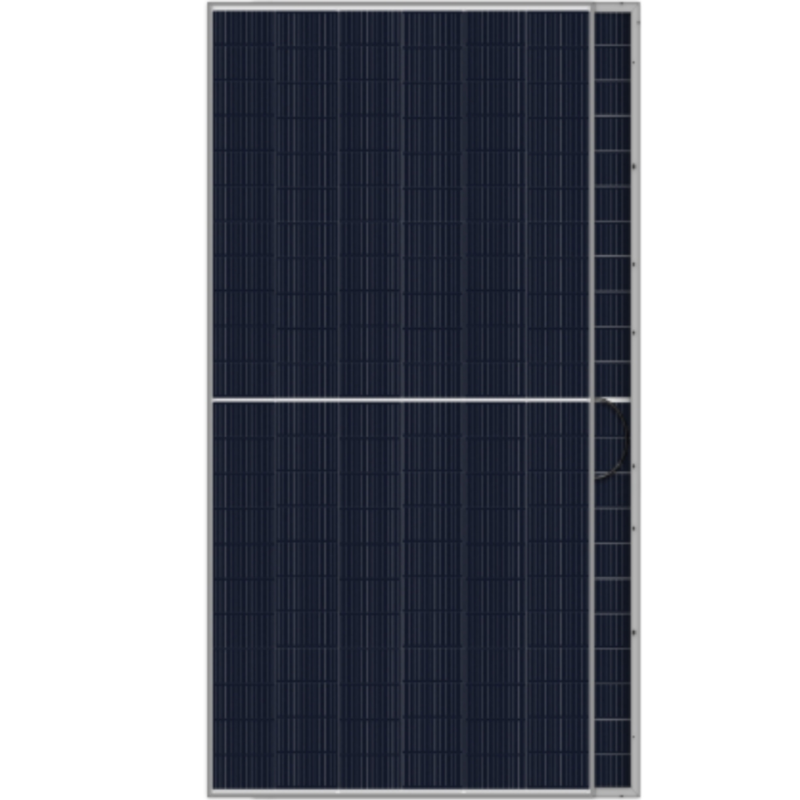
bipv panels
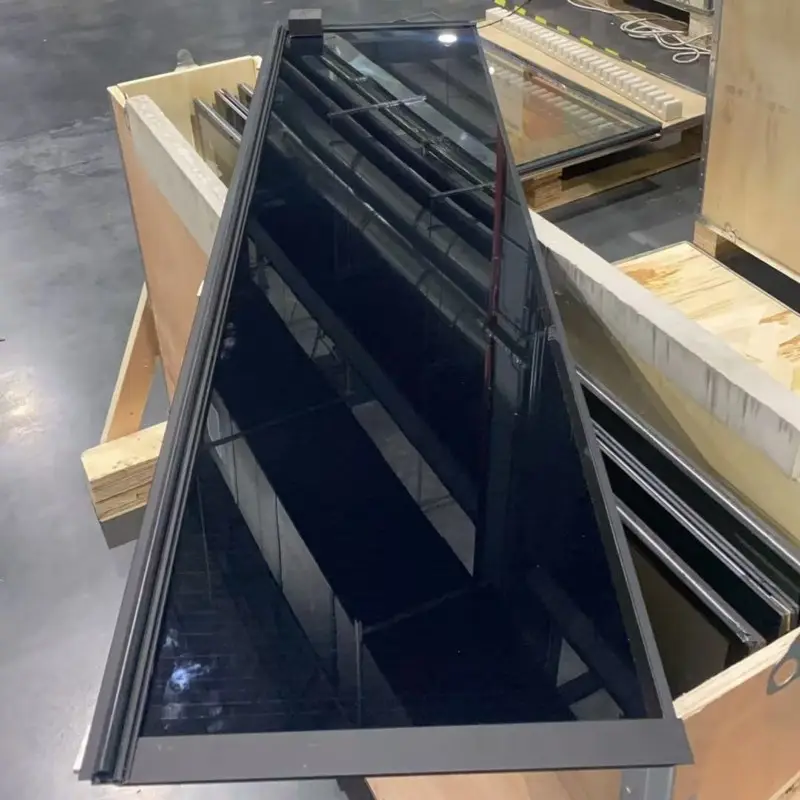
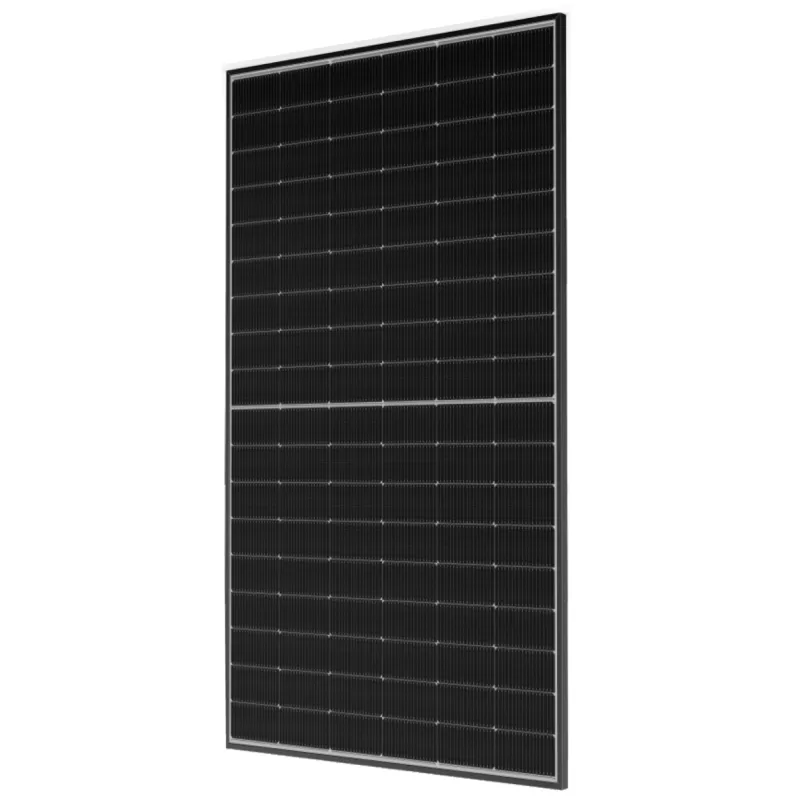
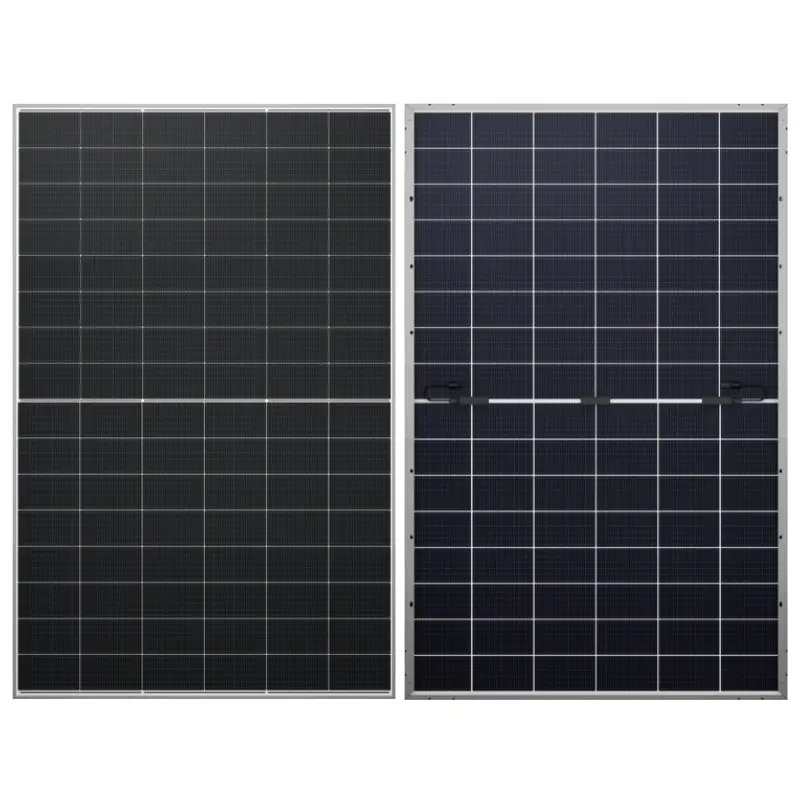
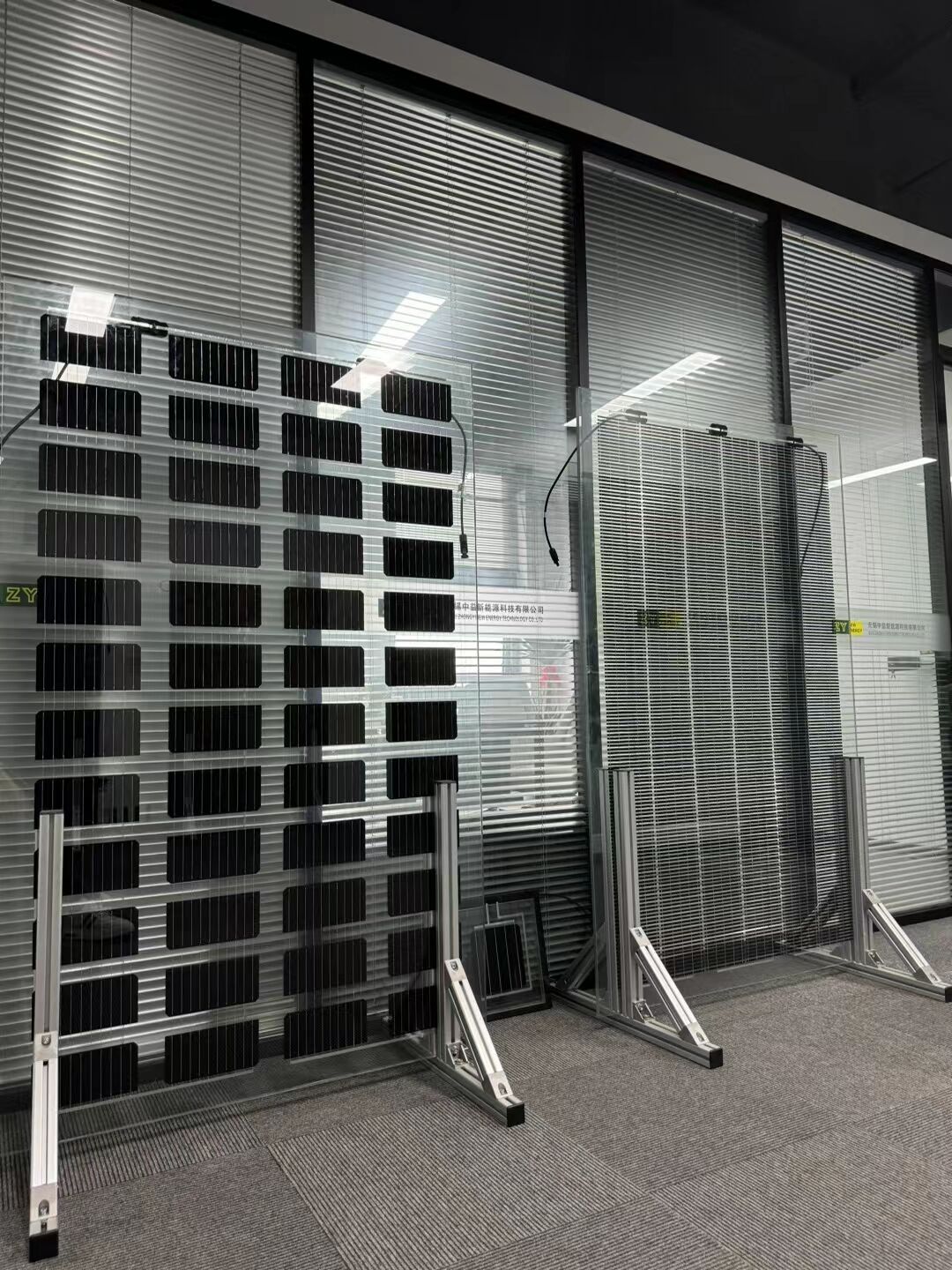
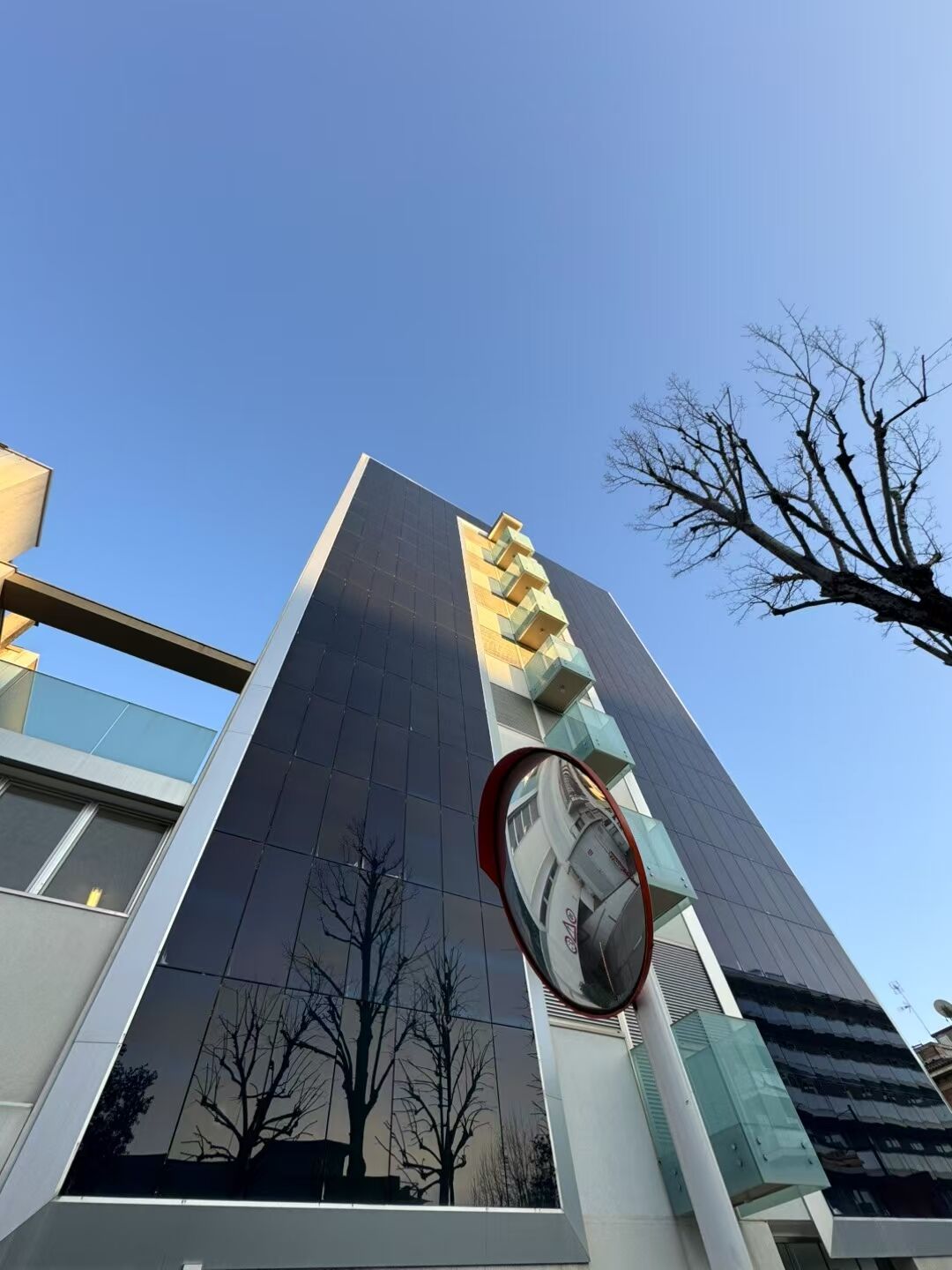
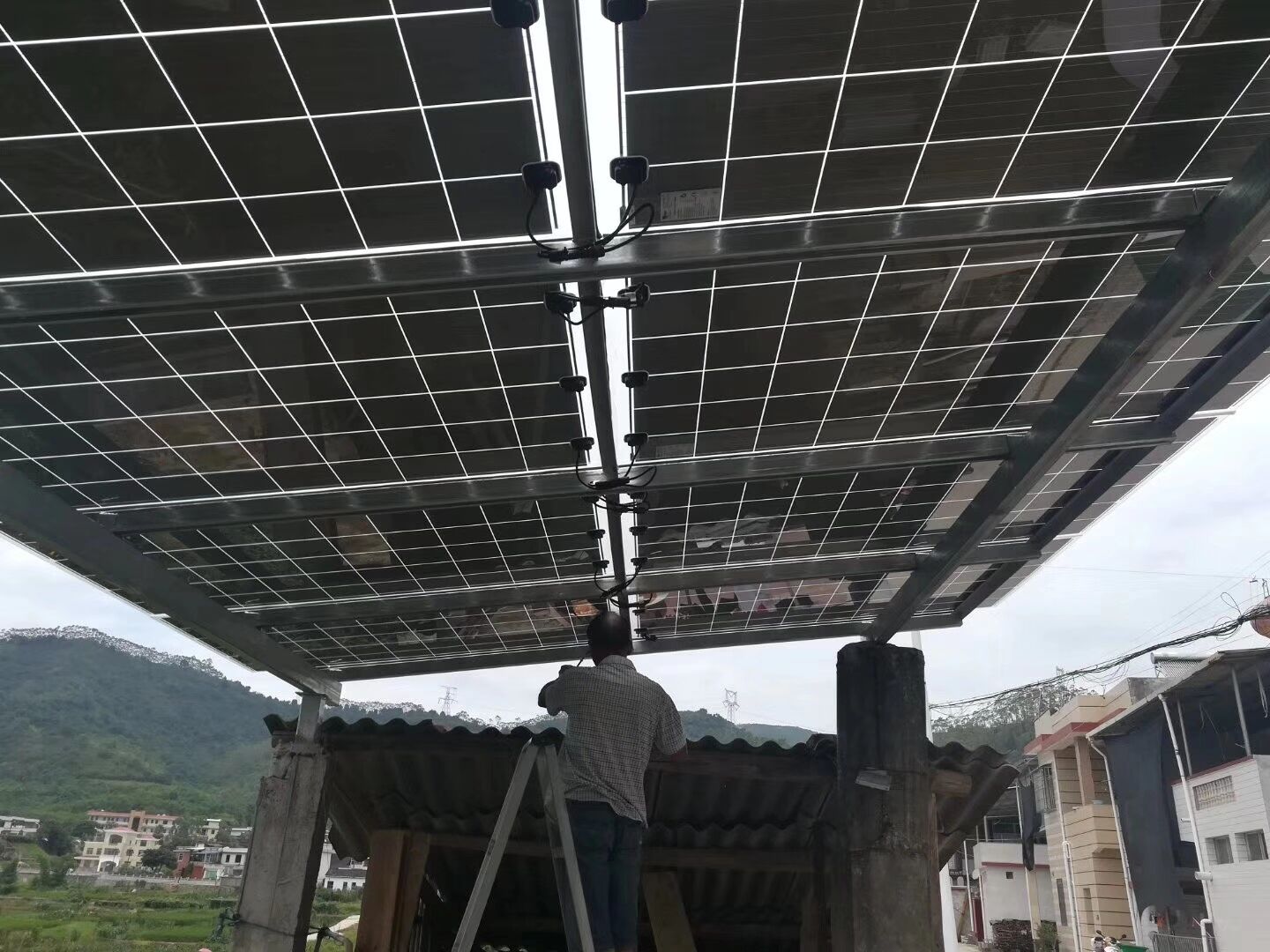
Building-Integrated Photovoltaic (BIPV) panels represent a revolutionary advancement in sustainable construction technology, seamlessly combining architectural design with renewable energy generation. Unlike traditional solar panels that are mounted on existing structures, BIPV panels serve as integral building components, replacing conventional materials such as roofing tiles, facades, windows, or skylights while simultaneously generating clean electricity. This dual functionality makes BIPV panels an increasingly attractive solution for modern construction projects seeking energy efficiency and aesthetic appeal. The core technology behind BIPV panels utilizes high-efficiency photovoltaic cells embedded within building materials, converting sunlight directly into usable electrical energy. These panels incorporate advanced silicon-based or thin-film solar cell technologies, featuring protective glass layers and weather-resistant encapsulation materials designed to withstand various environmental conditions. Modern BIPV panels offer impressive power output capabilities, typically ranging from 100 to 400 watts per panel, depending on size and technology specifications. The integration process involves careful consideration of building orientation, structural load requirements, and electrical connectivity to ensure optimal performance and safety. BIPV panels find extensive applications across residential, commercial, and industrial sectors. In residential construction, these panels commonly replace traditional roofing materials, providing homeowners with energy independence while maintaining architectural integrity. Commercial buildings utilize BIPV panels for curtain walls, canopies, and facade installations, creating striking visual elements that generate substantial energy savings. Industrial facilities benefit from large-scale BIPV installations on warehouses, manufacturing plants, and distribution centers, significantly reducing operational energy costs. The versatility of BIPV panels extends to specialized applications including agricultural greenhouses, transit stations, and educational facilities, where they serve both functional and educational purposes by demonstrating renewable energy principles in action.



 EN
EN