bipv roofing
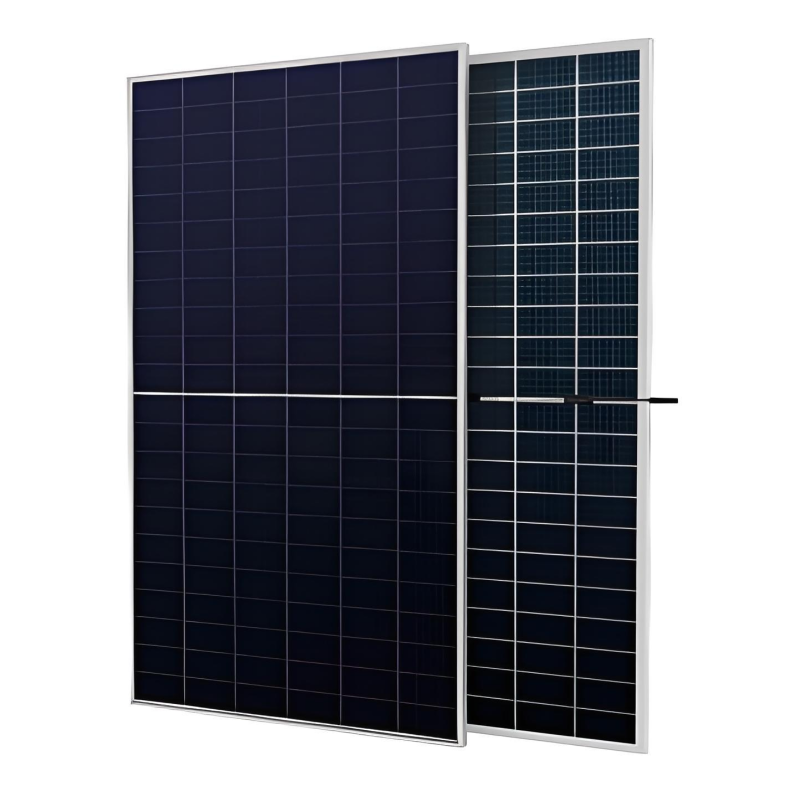
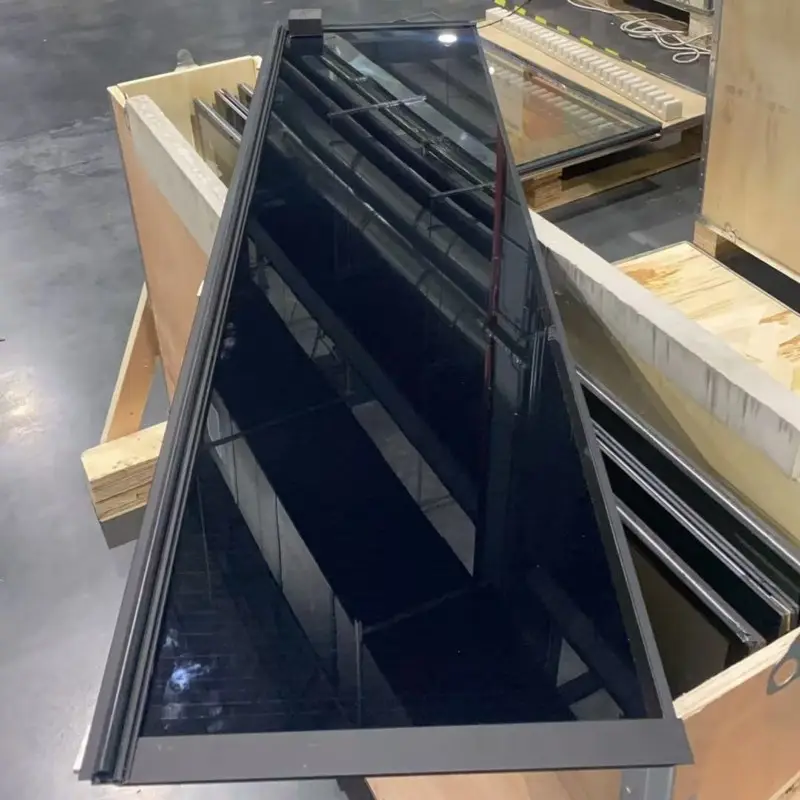
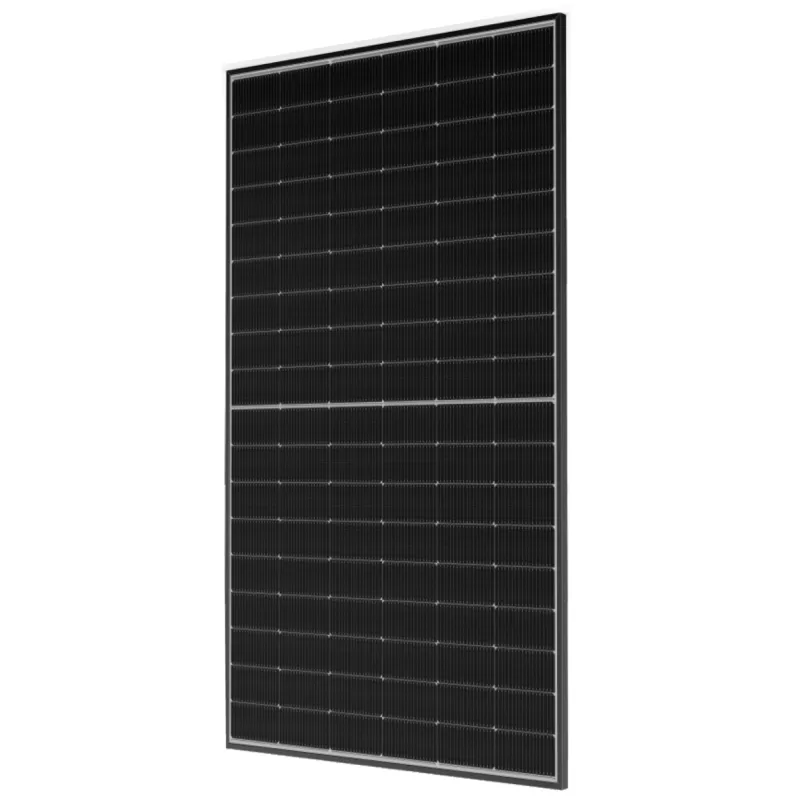
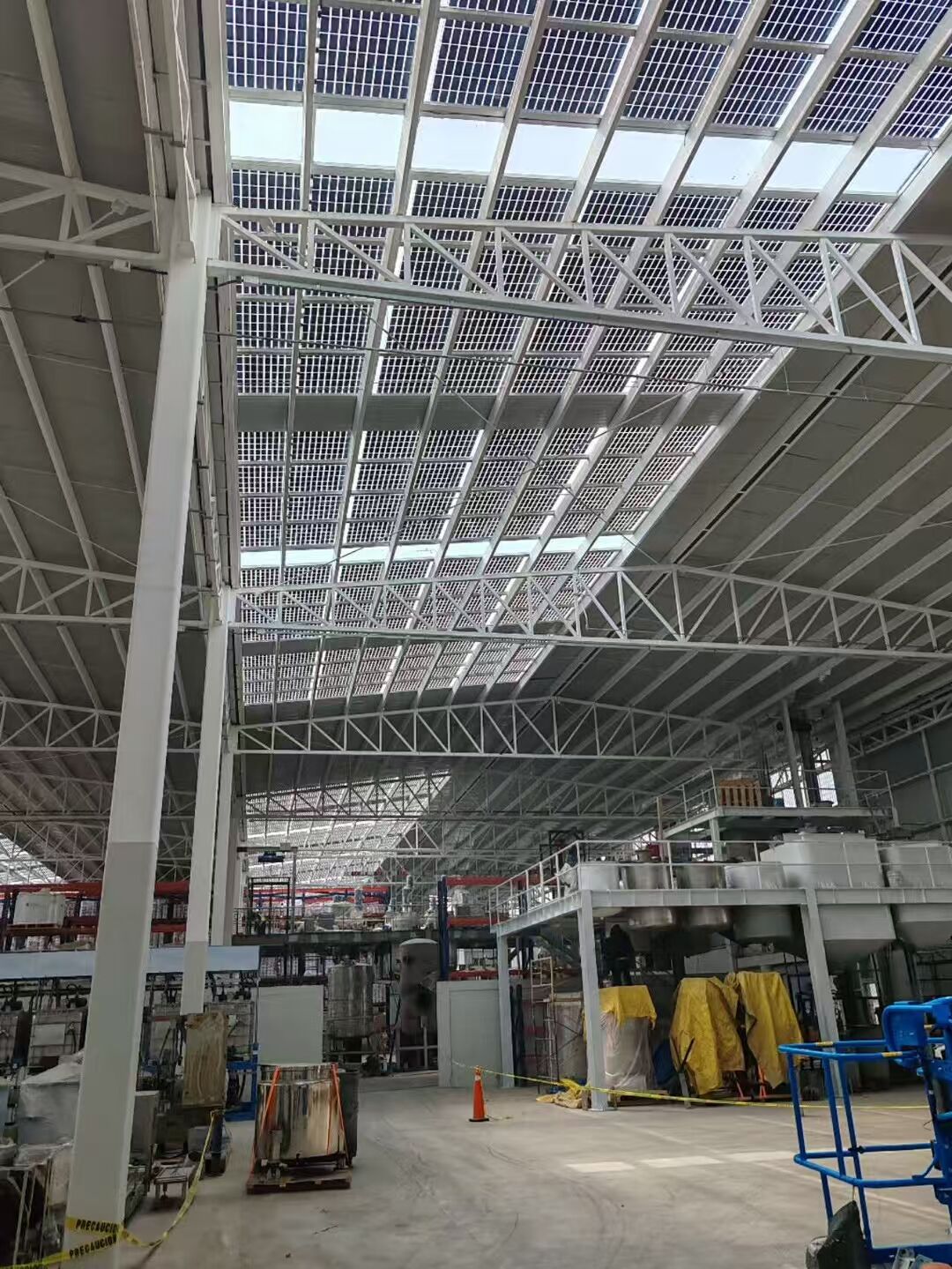
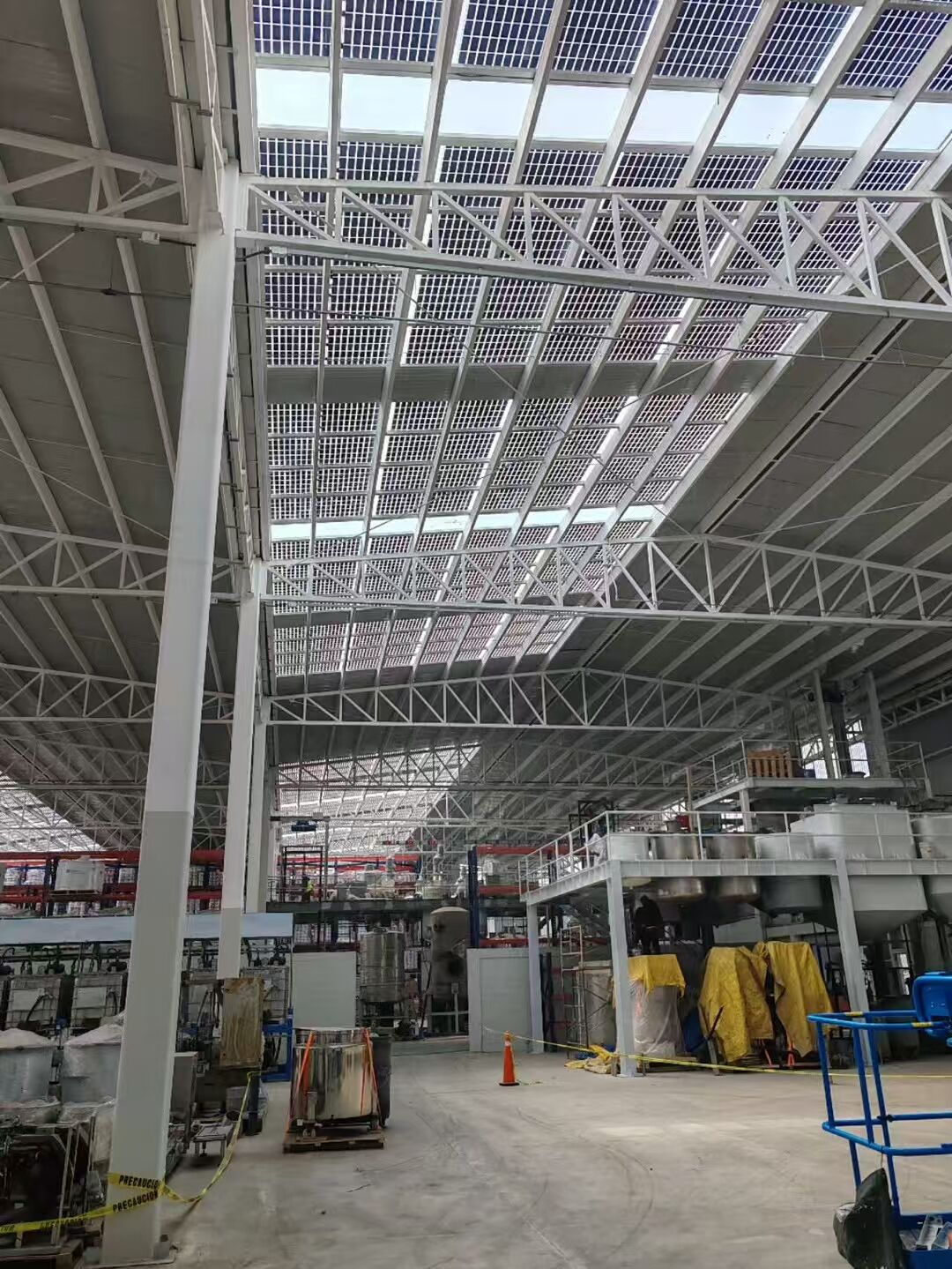
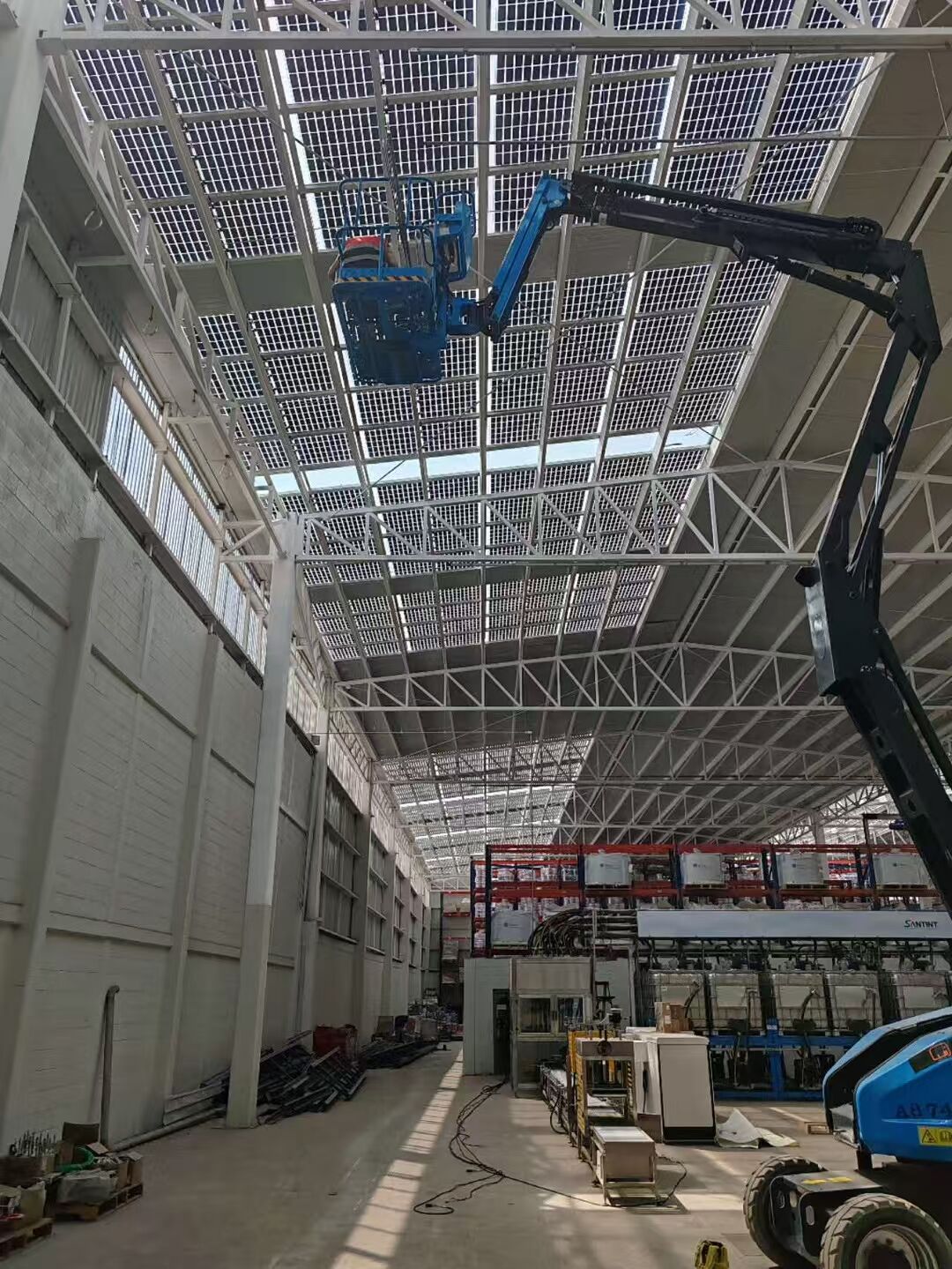
BIPV roofing represents a revolutionary approach to sustainable building design, seamlessly integrating photovoltaic technology directly into roofing materials. Building-Integrated Photovoltaics transforms traditional roofing concepts by combining structural protection with renewable energy generation in a single, cohesive system. This innovative BIPV roofing solution eliminates the need for separate solar panel installations while maintaining the aesthetic appeal of conventional roofing materials. The technology incorporates thin-film solar cells or crystalline silicon modules directly into roofing tiles, shingles, or membrane systems, creating a dual-purpose building envelope that generates electricity while providing weather protection. BIPV roofing systems function as both the primary weather barrier and an active energy production facility, maximizing the utility of available roof space. The technological framework behind BIPV roofing involves advanced photovoltaic cells embedded within durable roofing substrates, engineered to withstand various environmental conditions including wind, rain, snow, and temperature fluctuations. These systems utilize micro-inverters or power optimizers to convert direct current generated by individual roofing elements into alternating current suitable for building electrical systems. The modular design of BIPV roofing allows for scalable installations that can accommodate different architectural requirements and energy needs. Applications span across residential, commercial, and industrial sectors, with particular effectiveness in new construction projects where integrated design approaches offer maximum benefits. BIPV roofing proves especially valuable in urban environments where space constraints limit traditional solar panel installations, enabling property owners to harness solar energy without compromising valuable real estate. The technology supports various architectural styles, from contemporary flat-roof commercial buildings to traditional sloped residential structures, making renewable energy accessible across diverse building types.



 EN
EN