building integrated photovoltaic system
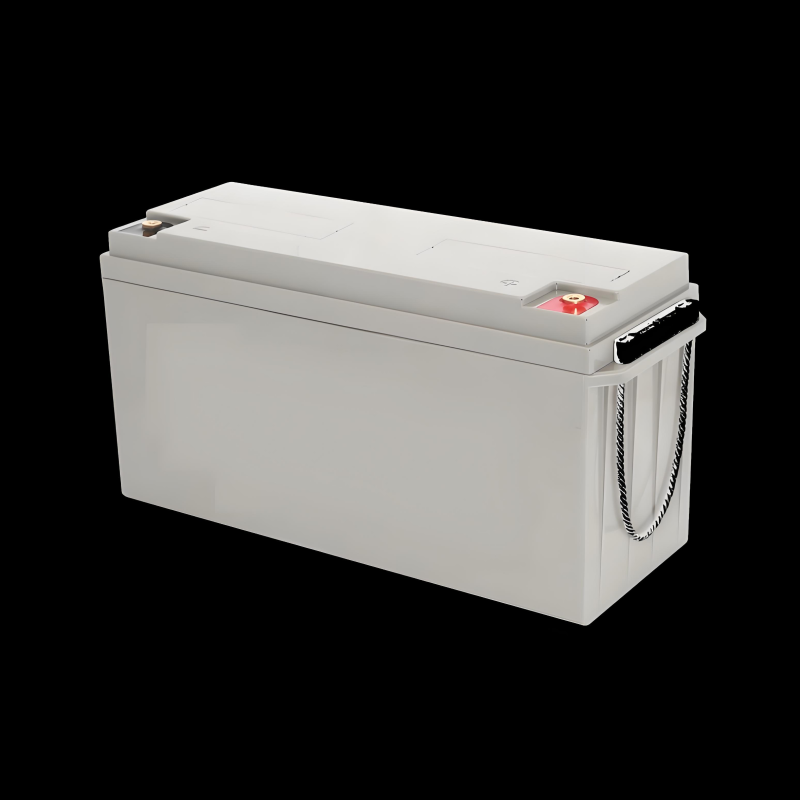
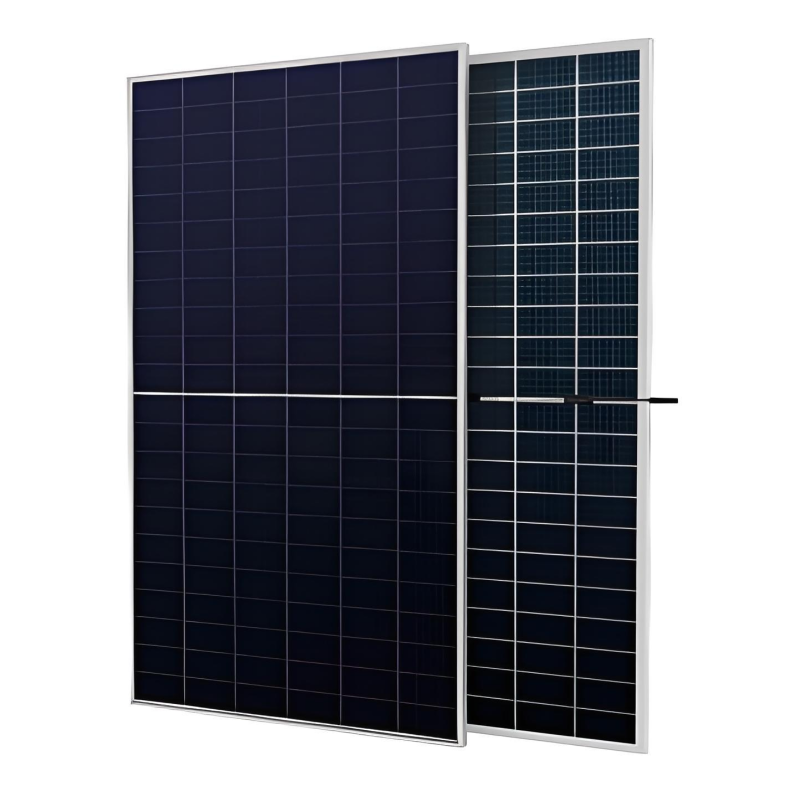
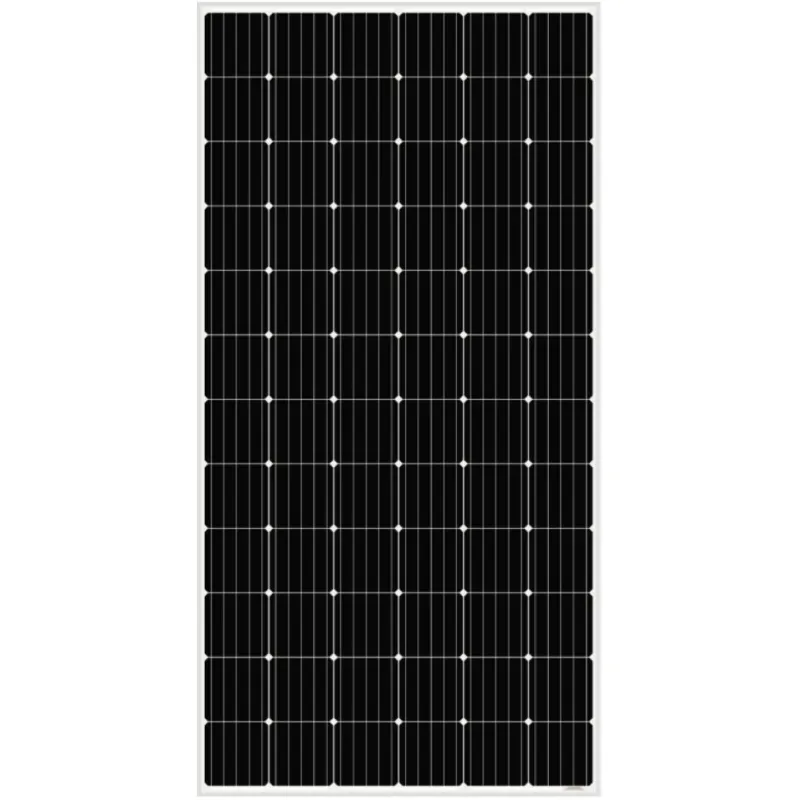
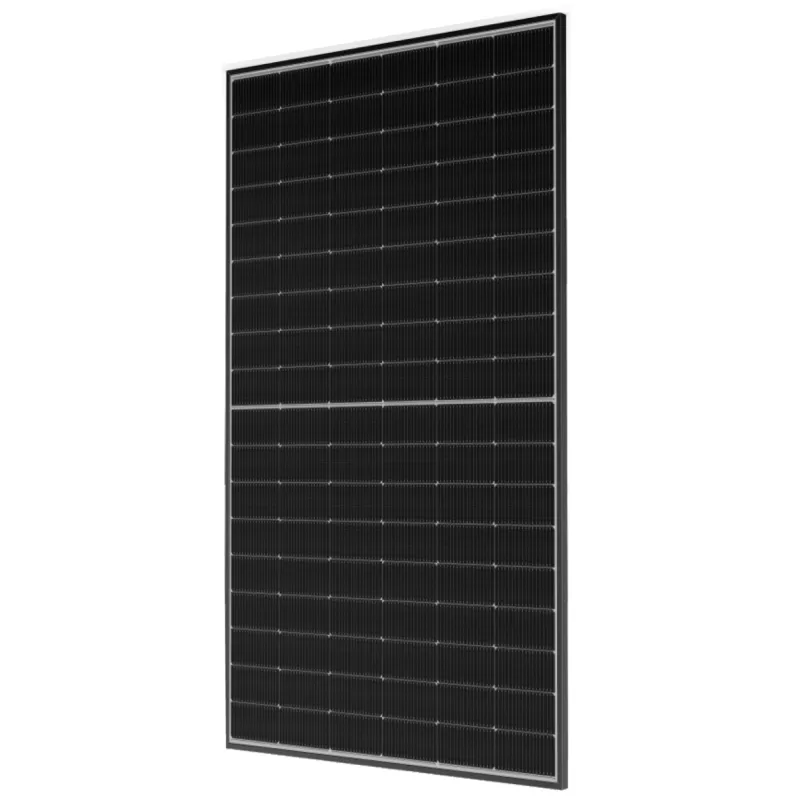
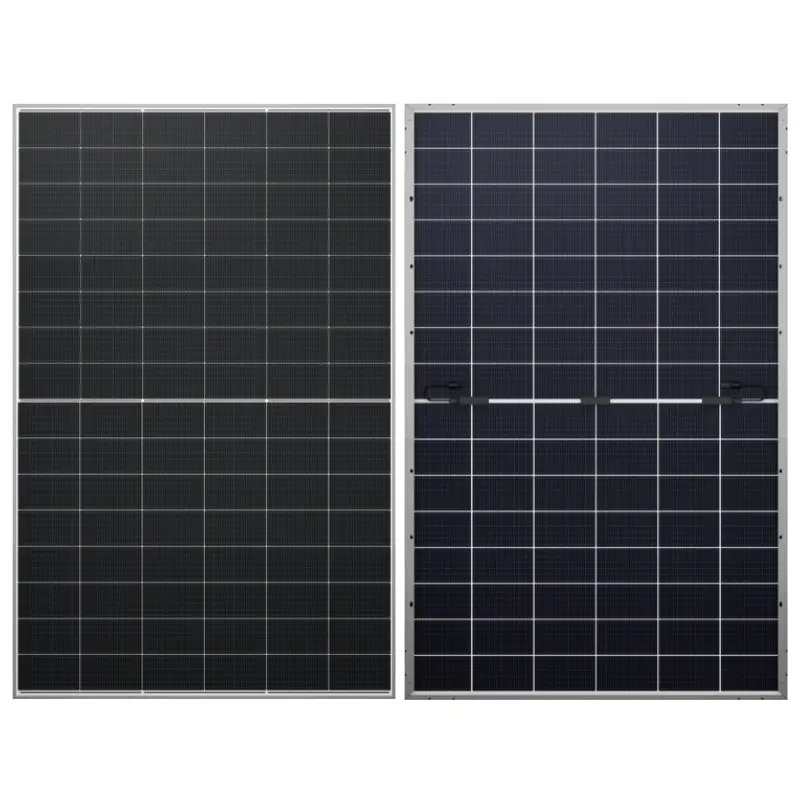
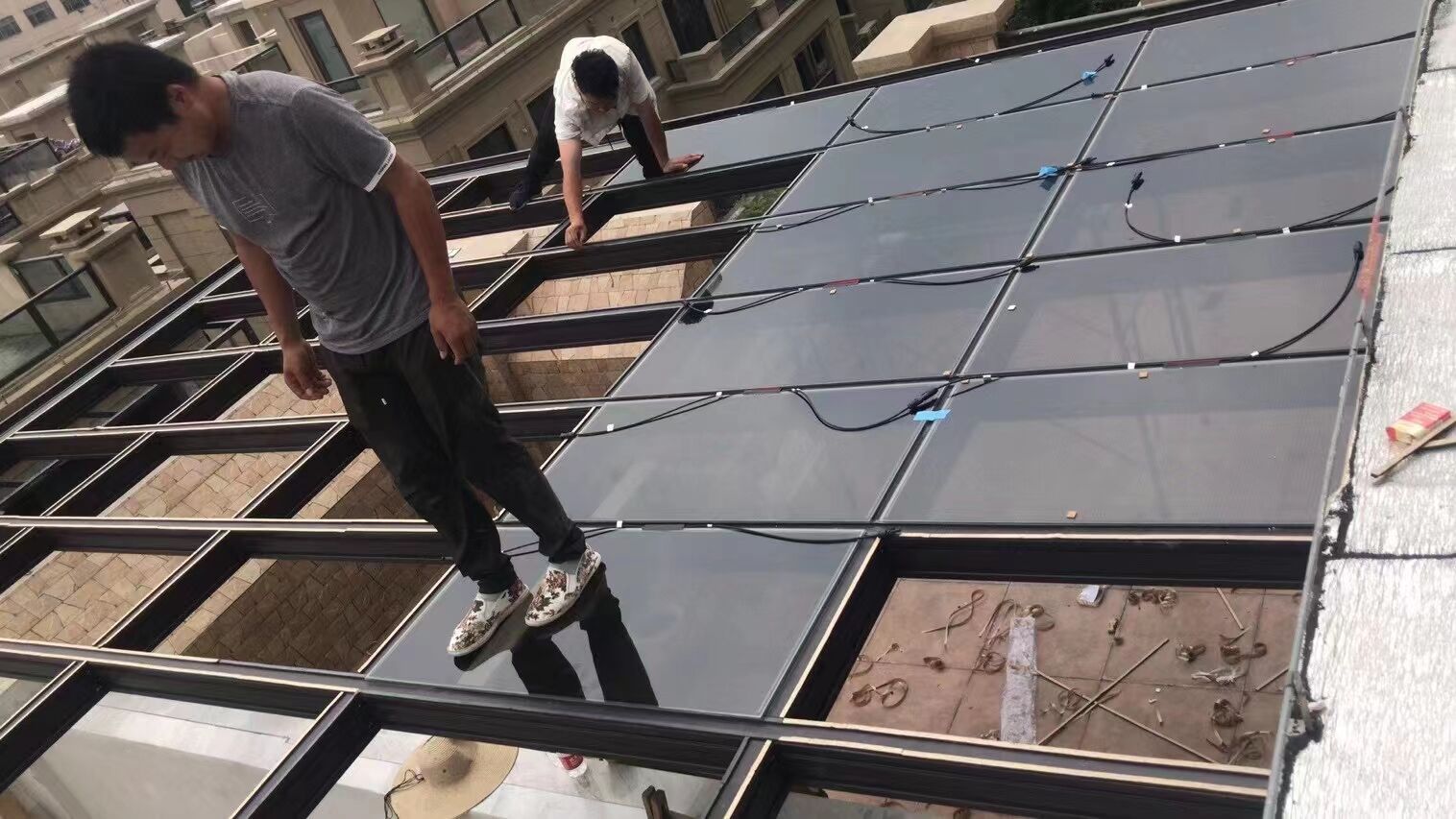
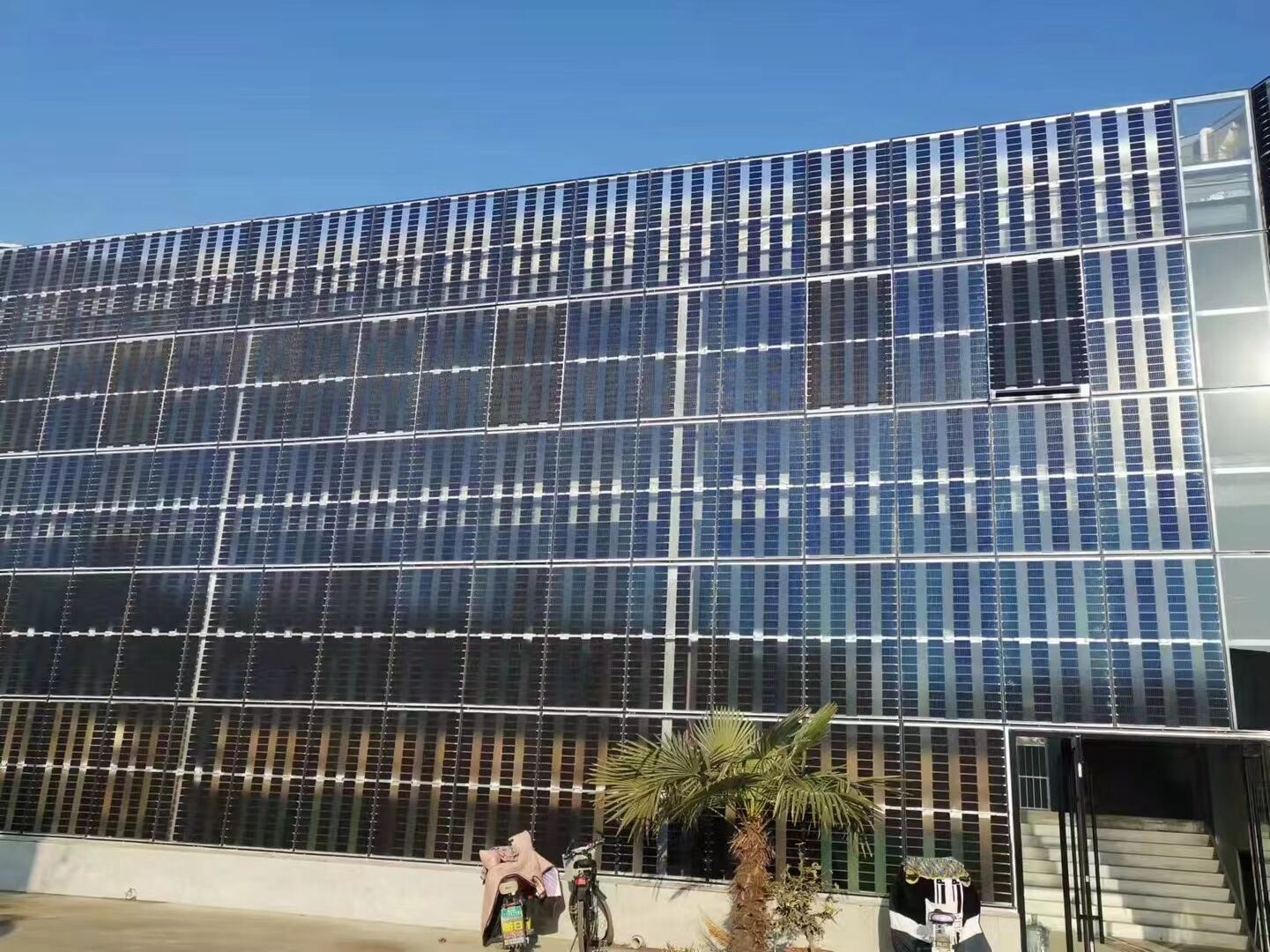
A building integrated photovoltaic system represents an innovative approach to sustainable architecture that seamlessly combines solar energy generation with traditional building materials. This advanced technology transforms ordinary building surfaces into powerful energy-producing elements while maintaining structural integrity and aesthetic appeal. The building integrated photovoltaic system serves dual purposes by functioning as both protective building envelope components and electricity generators, revolutionizing how we think about energy-efficient construction. The main functions of a building integrated photovoltaic system include electricity generation through photovoltaic cells embedded directly into building materials, weather protection through durable exterior surfaces, and thermal regulation that helps control indoor temperatures. These systems replace conventional building materials such as roofing tiles, facades, windows, and skylights with photovoltaic alternatives that generate clean electricity while serving their primary architectural functions. Technologically, the building integrated photovoltaic system incorporates thin-film solar cells, crystalline silicon panels, or transparent photovoltaic glass that can be manufactured in various shapes, sizes, and transparency levels. Advanced inverter technology converts direct current generated by the photovoltaic cells into alternating current suitable for building electrical systems or grid connection. Smart monitoring systems track energy production, consumption patterns, and system performance in real-time. Applications for building integrated photovoltaic system span residential homes, commercial buildings, industrial facilities, and institutional structures. Common installations include solar roof tiles that replace traditional roofing materials, photovoltaic facades that serve as exterior cladding, solar windows that generate electricity while allowing natural light transmission, and photovoltaic canopies that provide shade while producing energy. These versatile systems adapt to various architectural styles and building requirements, making renewable energy accessible across diverse construction projects while eliminating the need for separate solar panel installations.



 EN
EN