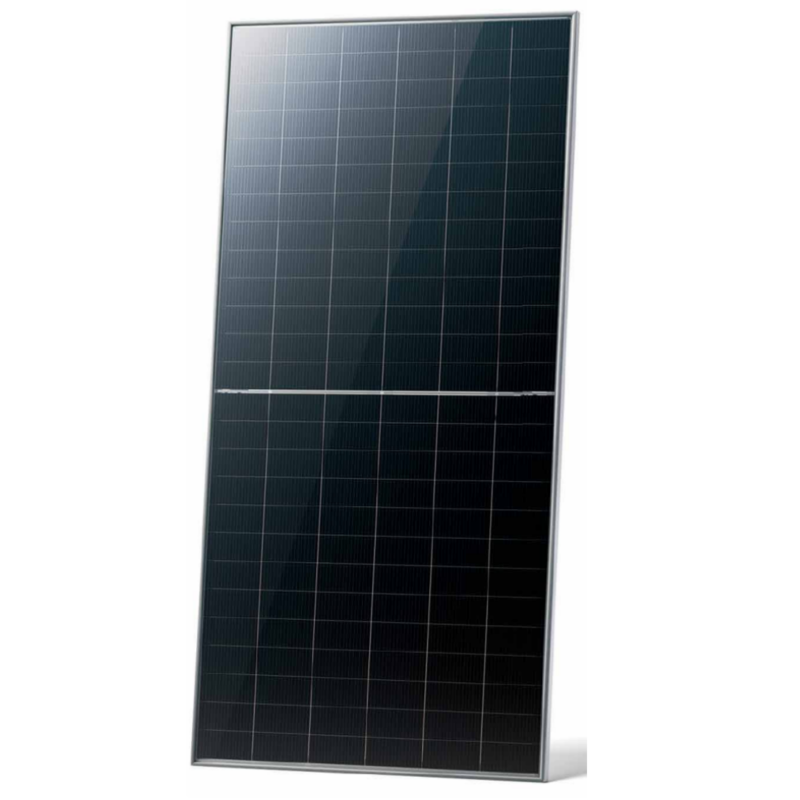
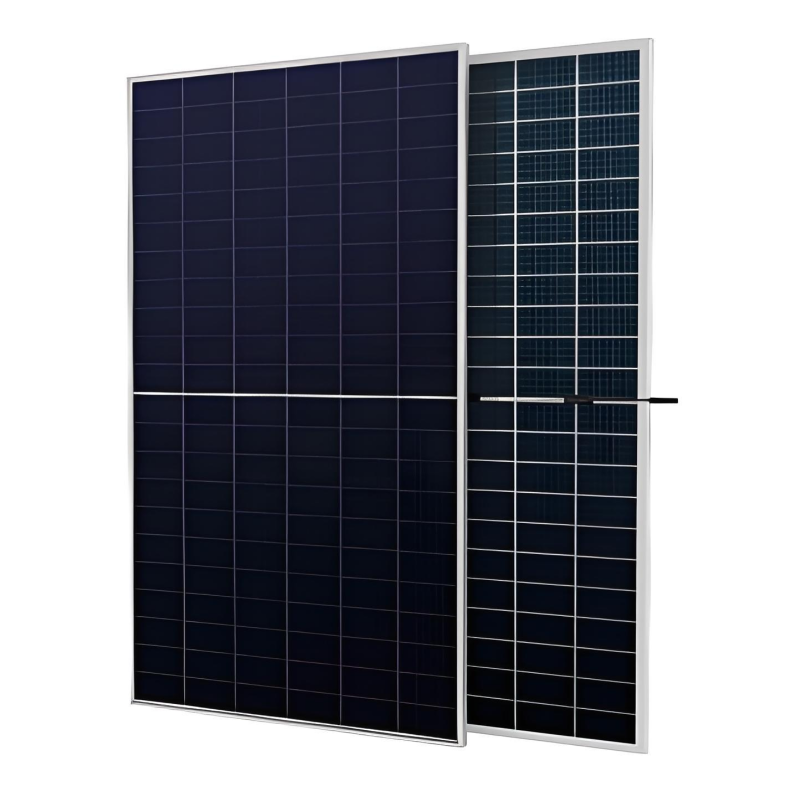
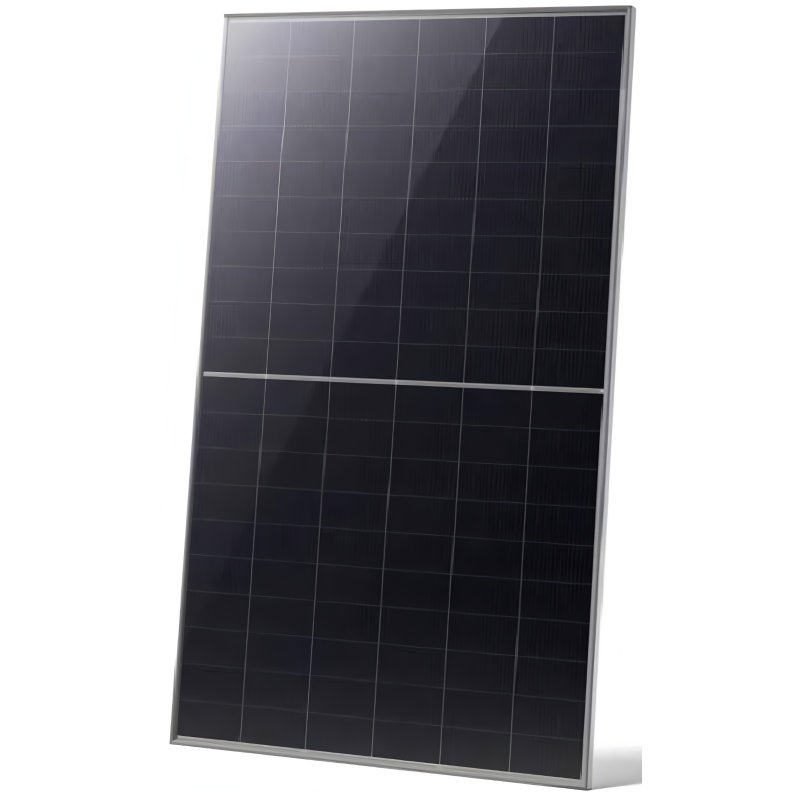
solar photovoltaic pv
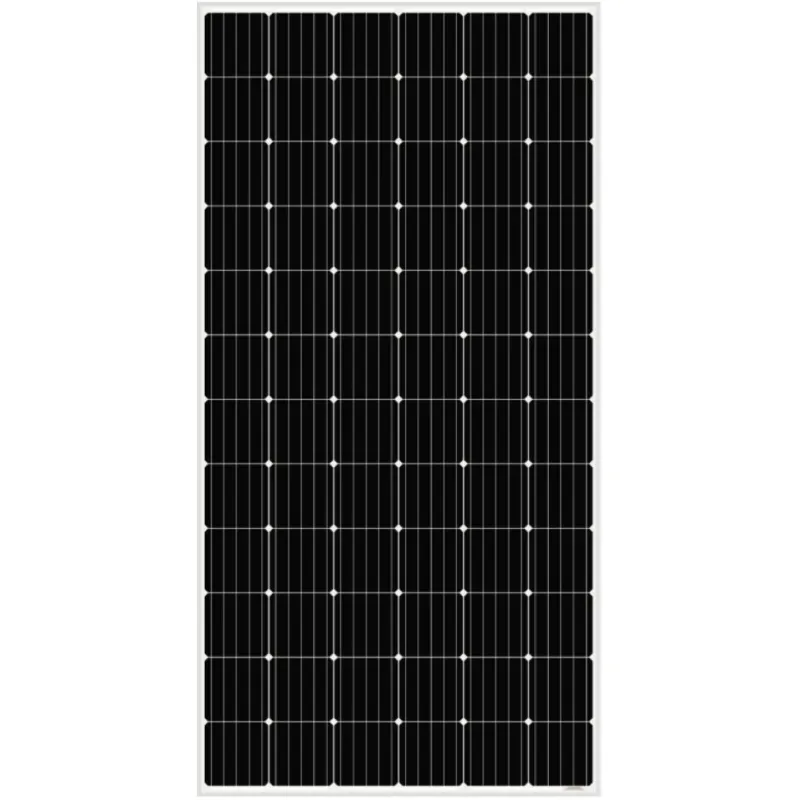
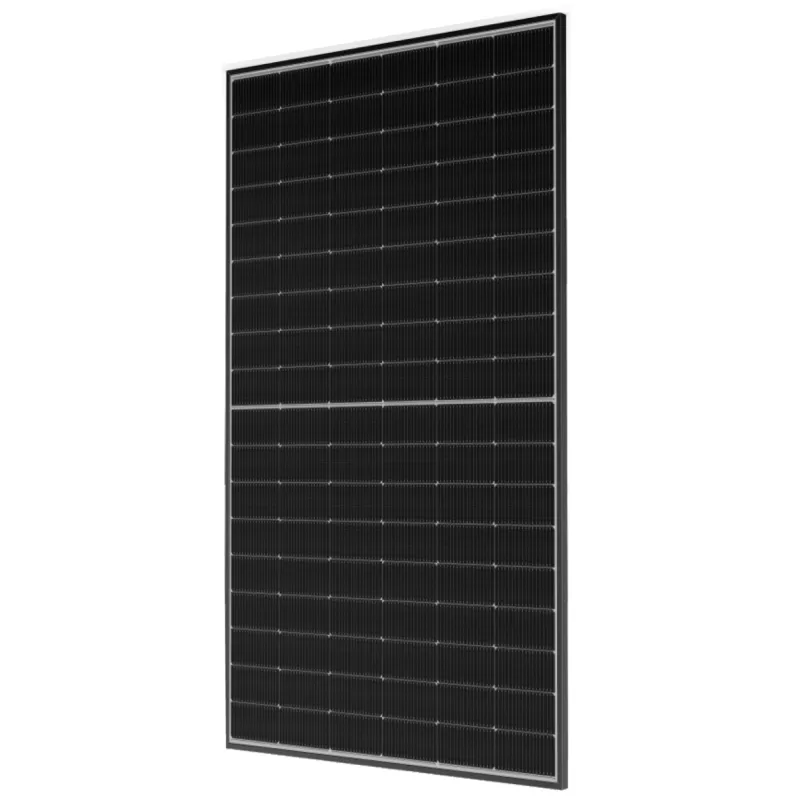
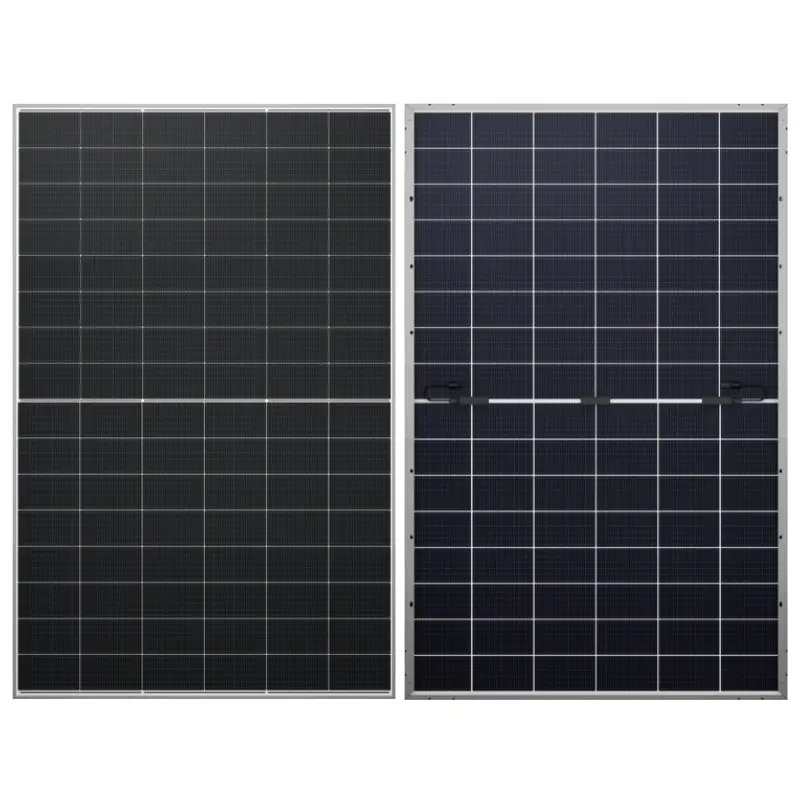
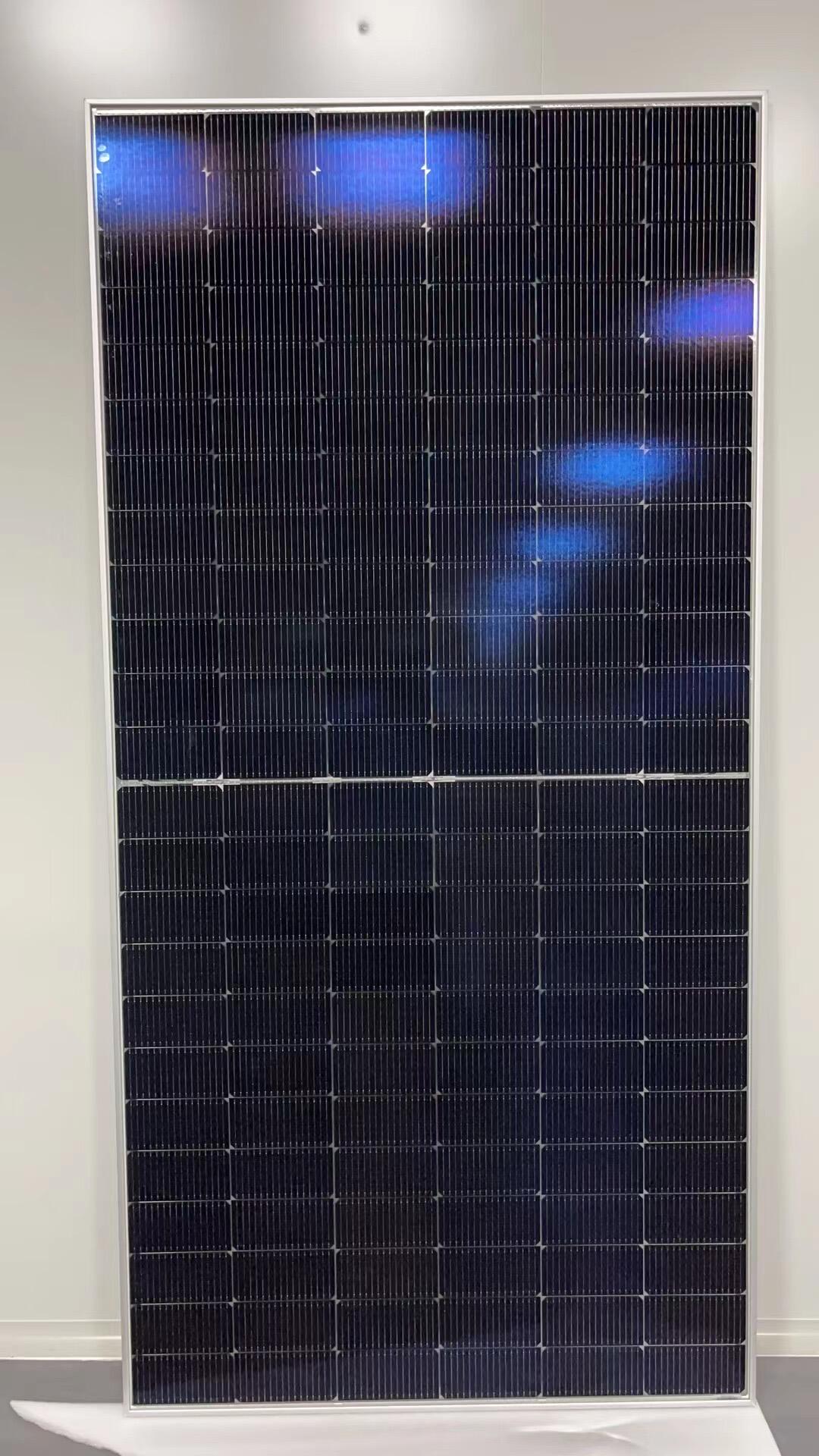
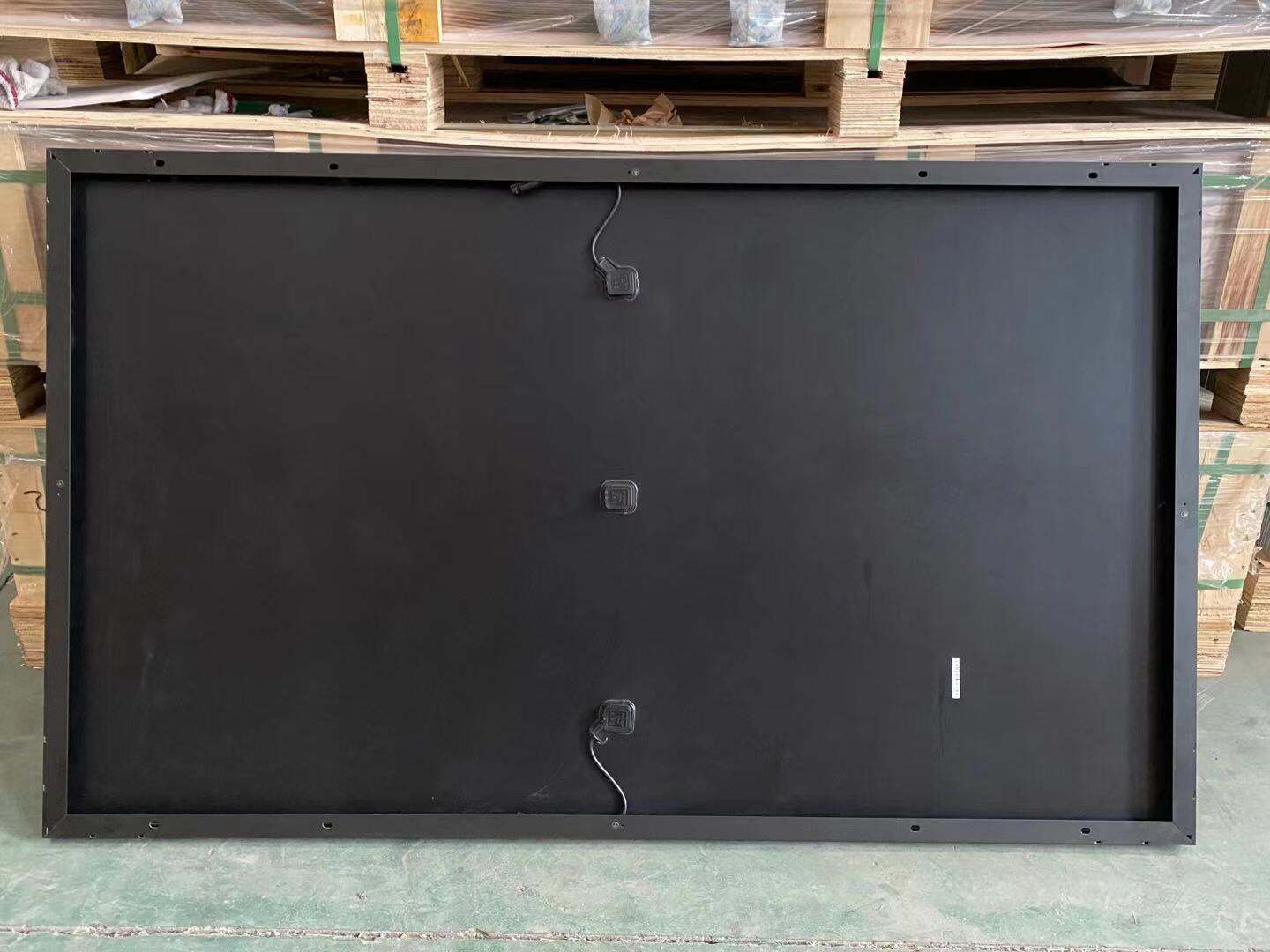
Solar photovoltaic PV systems represent a revolutionary technology that converts sunlight directly into electrical energy through semiconductor materials. These sophisticated systems harness the photovoltaic effect, where photons from sunlight knock electrons loose from atoms in silicon cells, creating an electric current that powers homes, businesses, and industrial facilities. Modern solar photovoltaic PV installations consist of multiple interconnected components including solar panels, inverters, mounting systems, monitoring equipment, and electrical safety devices that work together to deliver clean, renewable energy. The core technology relies on crystalline silicon or thin-film materials engineered to maximize light absorption and electron movement. Solar photovoltaic PV systems operate silently without moving parts, making them incredibly reliable and low-maintenance energy solutions. These systems can be configured for residential rooftops, commercial buildings, utility-scale ground installations, or portable applications depending on power requirements. The technological features of solar photovoltaic PV include advanced anti-reflective coatings that increase light capture, bypass diodes that prevent power loss from shading, and weatherproof encapsulation that ensures decades of operation. Smart inverters in modern solar photovoltaic PV systems provide grid support functions, remote monitoring capabilities, and optimal power point tracking for maximum efficiency. Applications span from small residential systems generating 3-10 kilowatts to massive utility installations producing hundreds of megawatts. Agricultural applications include solar photovoltaic PV systems for irrigation pumps, livestock facilities, and agrivoltaics where crops grow beneath elevated panels. Commercial solar photovoltaic PV installations reduce operating costs for warehouses, retail stores, hospitals, and manufacturing facilities while demonstrating environmental responsibility. Off-grid solar photovoltaic PV systems power remote telecommunications equipment, emergency shelters, and recreational vehicles where traditional grid connections are unavailable or impractical.


 EN
EN