Complete PV Panel System Guide: Benefits, Features & Installation Solutions for Solar Energy

Get a Free Quote

Our representative will contact you soon.
Email
Name
Company Name
Message
0/1000

pv panel system

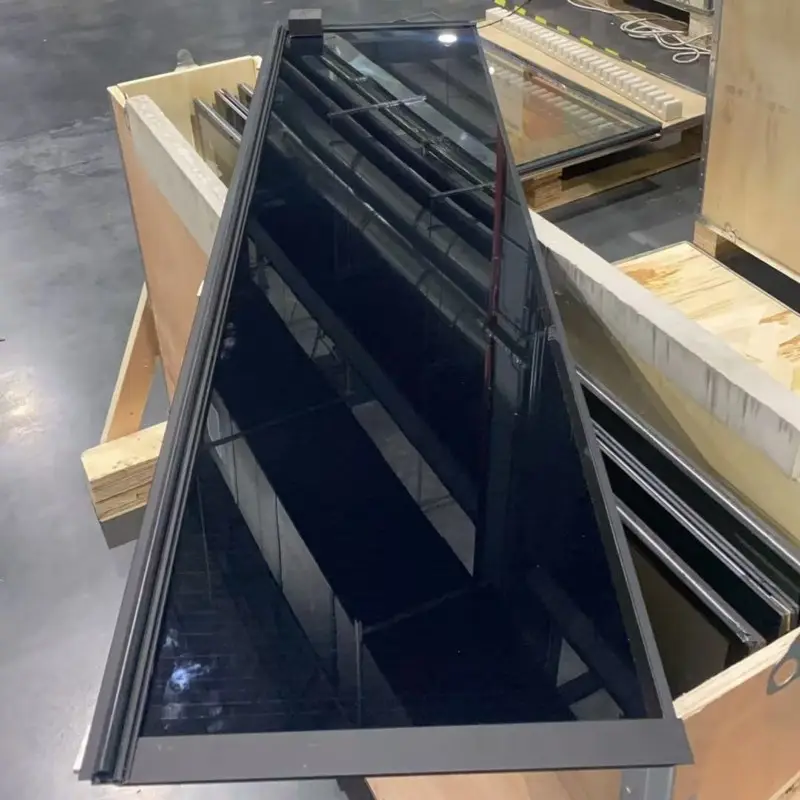
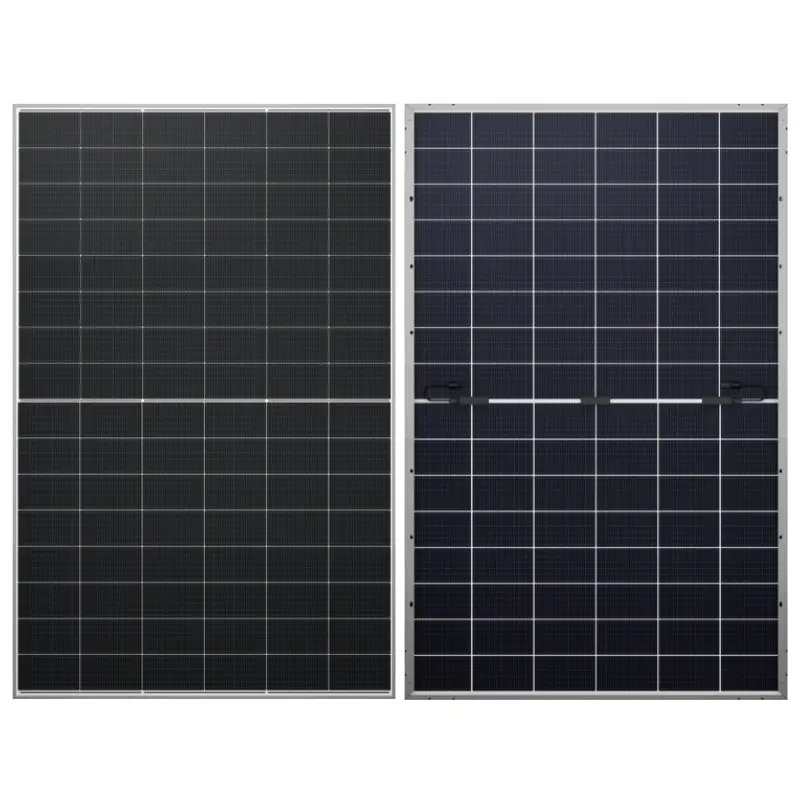
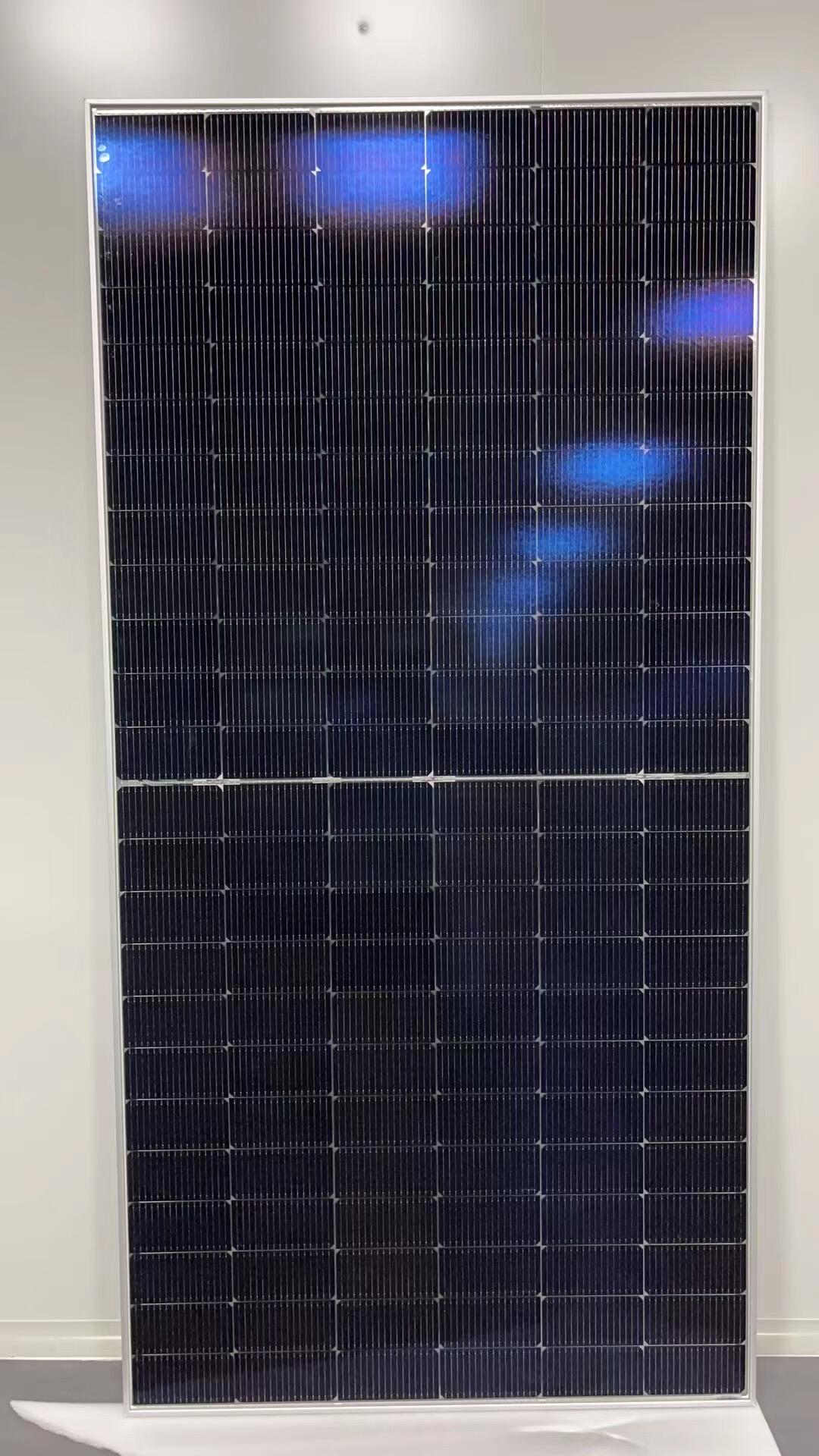
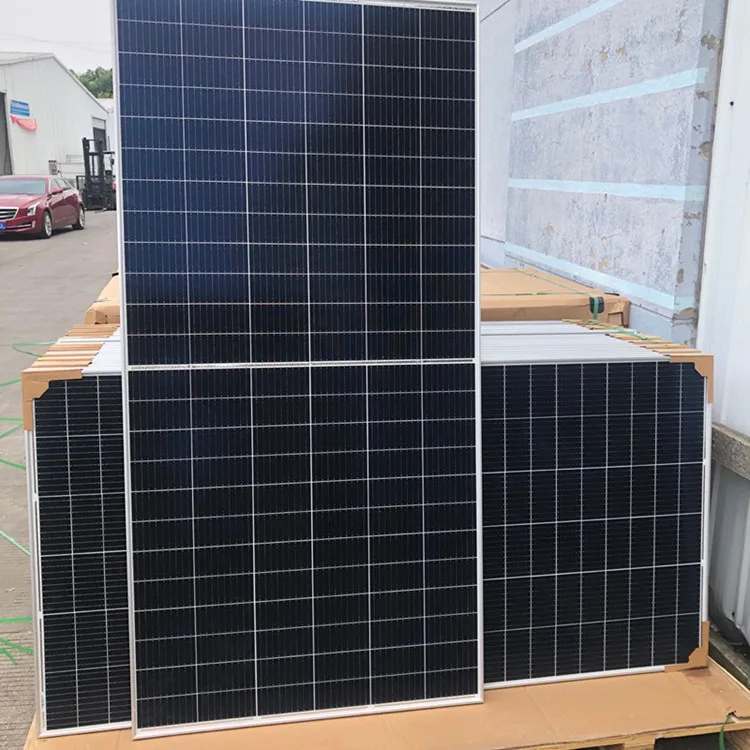
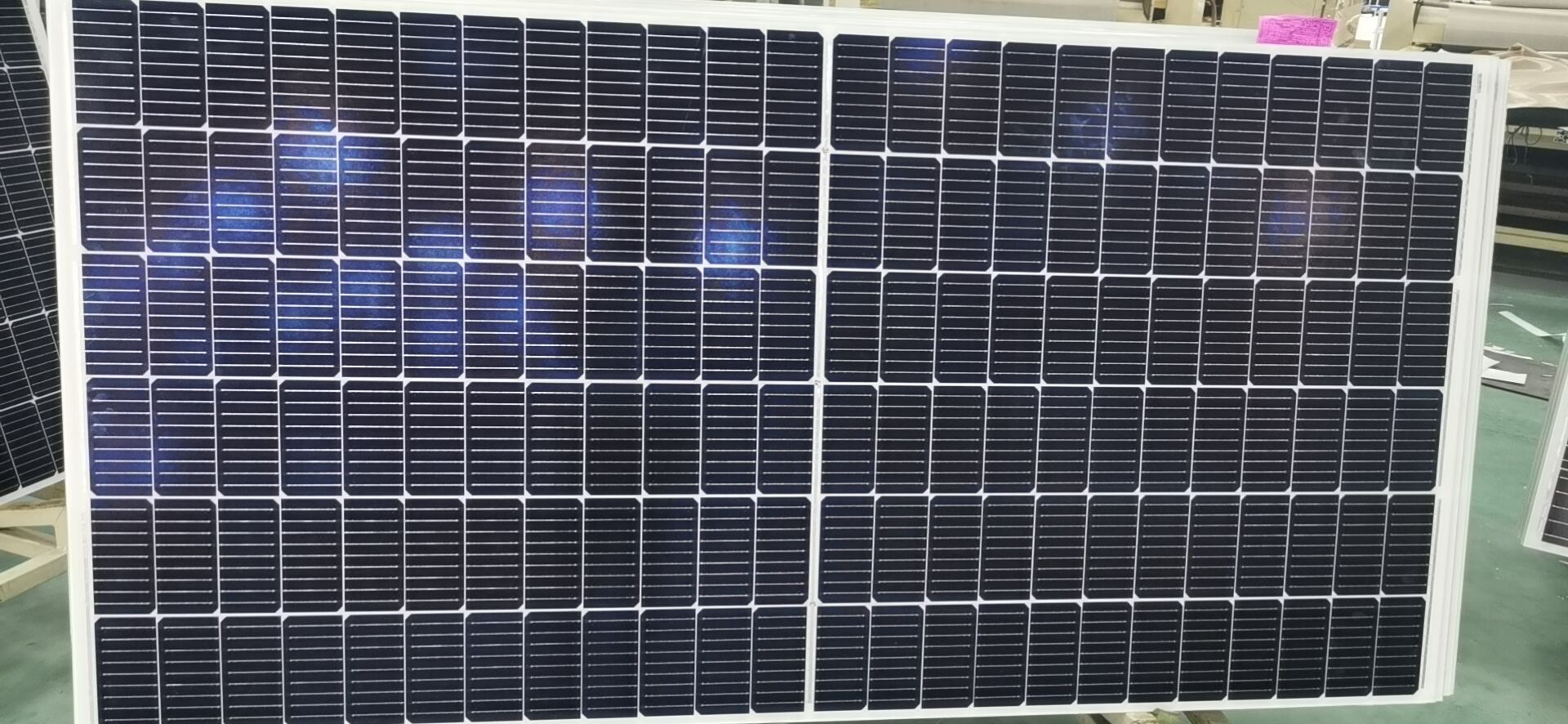
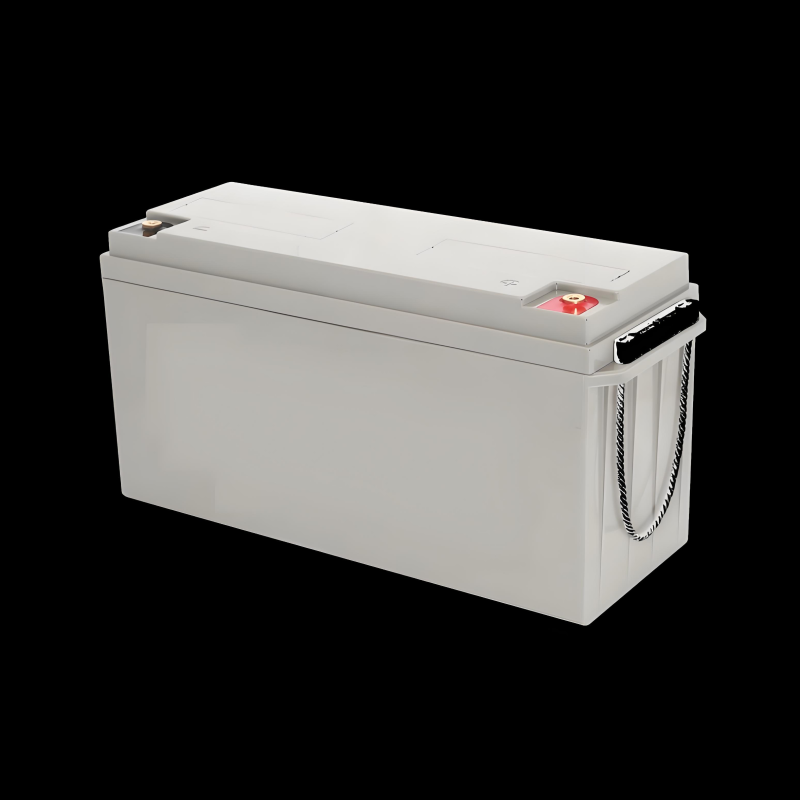
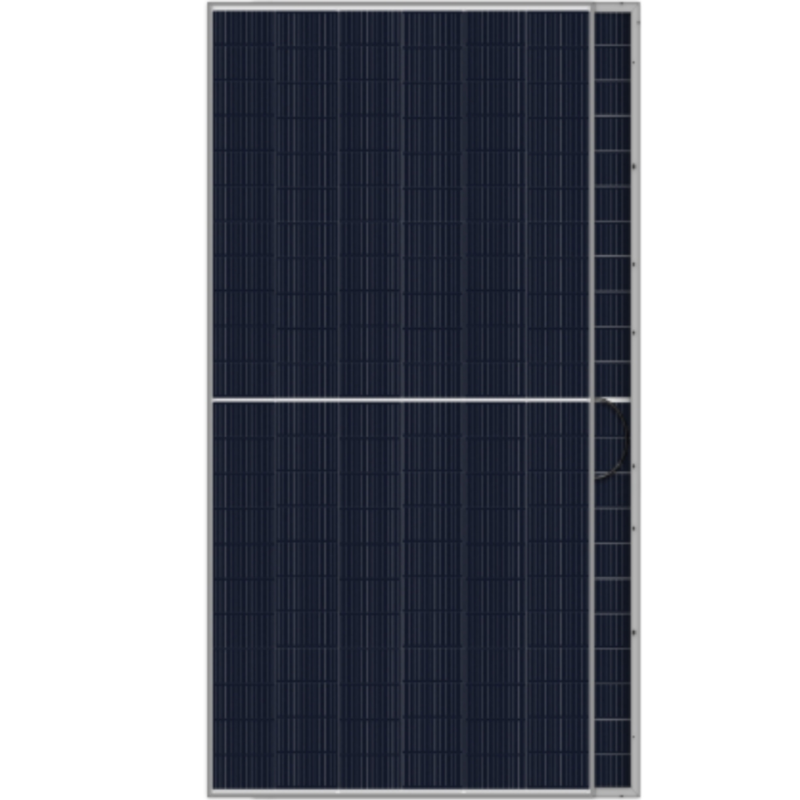
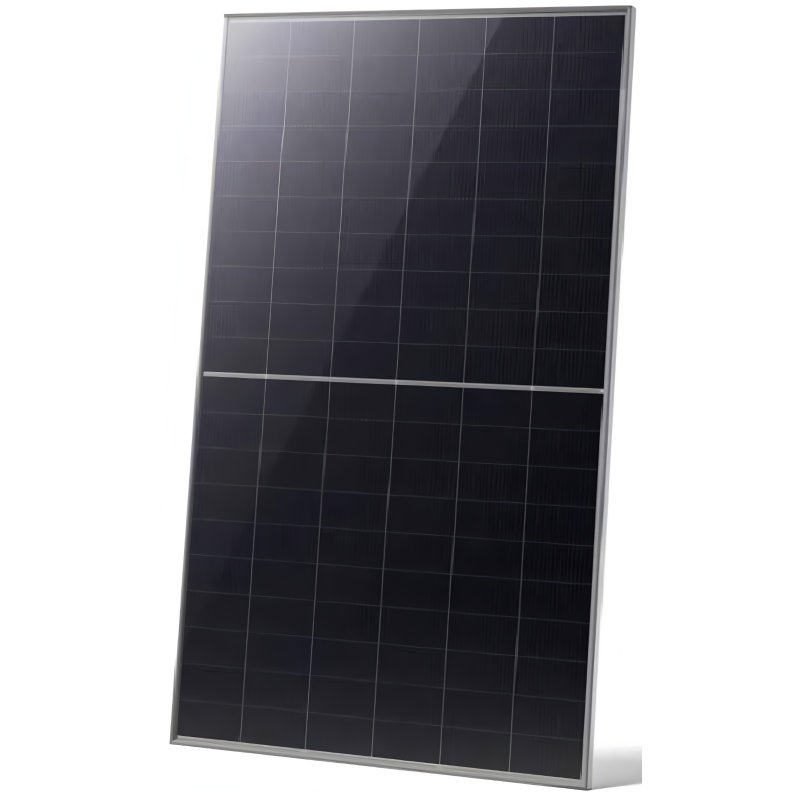
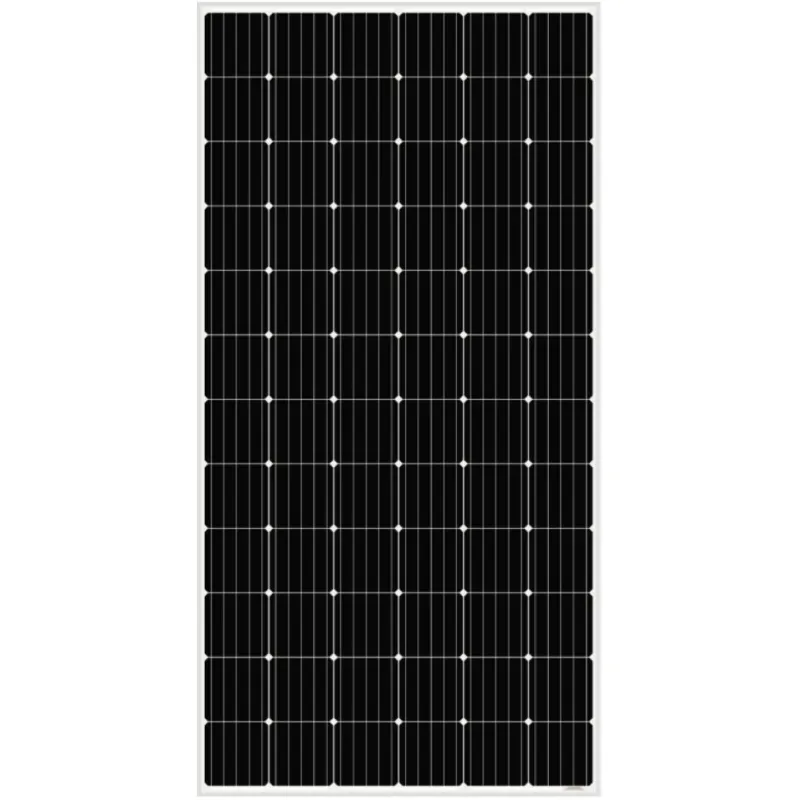
A photovoltaic panel system, commonly known as a pv panel system, represents a revolutionary technology that converts sunlight directly into electricity through semiconductor materials. This sophisticated energy generation solution consists of multiple interconnected solar cells, typically made from crystalline silicon or thin-film materials, that harness photons from sunlight to create an electrical current. The fundamental principle behind every pv panel system relies on the photovoltaic effect, where photons knock electrons loose from atoms within the semiconductor material, generating a flow of electricity that can power homes, businesses, and industrial facilities. Modern pv panel systems integrate advanced inverter technology that converts the direct current produced by solar cells into alternating current suitable for standard electrical applications. These systems incorporate mounting structures, wiring components, monitoring equipment, and safety mechanisms to ensure optimal performance and longevity. The technological features of contemporary pv panel systems include anti-reflective coatings that maximize light absorption, bypass diodes that prevent power loss during partial shading conditions, and robust aluminum frames designed to withstand extreme weather conditions. Many pv panel systems now feature micro-inverters or power optimizers that enhance energy production by allowing individual panel optimization, reducing the impact of shading or debris on overall system performance. Applications for pv panel systems span residential rooftops, commercial buildings, utility-scale solar farms, off-grid installations, and specialized applications like solar carports and floating solar arrays. These versatile systems can be configured for grid-tied operations with net metering capabilities, allowing users to sell excess electricity back to utility companies, or designed as standalone systems with battery storage for complete energy independence.

New Products

The pv panel system offers numerous compelling advantages that make it an increasingly attractive investment for property owners and businesses seeking sustainable energy solutions. First and foremost, these systems dramatically reduce electricity bills by generating free power from sunlight, with many installations achieving 70-90% reduction in monthly utility costs. The financial benefits extend beyond immediate savings, as pv panel systems typically pay for themselves within 6-10 years while continuing to generate electricity for 25-30 years or more, creating decades of virtually free energy. Property values increase significantly with pv panel system installations, with studies showing average home value increases of 3-4% following solar adoption. Environmental benefits represent another major advantage, as pv panel systems produce clean electricity without emissions, noise, or pollution, helping reduce carbon footprints and combat climate change. A typical residential pv panel system eliminates 3-4 tons of carbon dioxide annually, equivalent to planting over 100 trees each year. Maintenance requirements remain minimal, with most systems requiring only periodic cleaning and annual inspections, making them highly cost-effective long-term investments. Modern pv panel systems feature robust warranties, typically 20-25 years for panels and 10-12 years for inverters, providing peace of mind and protection against defects. Energy independence becomes achievable through pv panel systems, reducing reliance on volatile utility rates and providing protection against power outages when combined with battery storage. Government incentives, including federal tax credits, state rebates, and local programs, significantly reduce initial installation costs, making pv panel systems more accessible than ever before. The technology continues advancing rapidly, with newer pv panel systems offering improved efficiency, better aesthetics, and enhanced performance in various weather conditions. Scalability represents another key advantage, allowing systems to be sized precisely for individual energy needs and expanded as requirements grow, providing flexible solutions for diverse applications.

Latest News

Why is the half cell solar panel the current standard for B2Bsolar?

23

Dec

Why is the half cell solar panel the current standard for B2Bsolar?

The solar industry has witnessed remarkable technological evolution over the past decade, with the half cell solar panel emerging as the dominant choice for B2B applications. This advanced photovoltaic technology has fundamentally transformed how bus...
View More
How to choose a high-performance half cell solar panel forrooftop?

23

Dec

How to choose a high-performance half cell solar panel forrooftop?

Selecting the right solar panel technology for your rooftop installation represents one of the most critical decisions in your renewable energy journey. Among the various solar panel innovations available today, half cell solar panel technology stand...
View More
How to maintain half cell solar panels to prevent local hot spots?

23

Dec

How to maintain half cell solar panels to prevent local hot spots?

Maintaining half cell solar panels properly is crucial for preventing local hot spots that can significantly reduce energy output and potentially damage your solar installation. These advanced photovoltaic modules feature innovative cell splitting te...
View More
How to select a half cell solar panel manufacturer for bulk oirders?

23

Dec

How to select a half cell solar panel manufacturer for bulk oirders?

When planning large-scale solar installations, selecting the right half cell solar panel manufacturer becomes a critical decision that can determine the success of your project. With the growing adoption of photovoltaic technology in commercial and i...
View More

Get a Free Quote

Our representative will contact you soon.
Email
Name
Company Name
Message
0/1000

pv panel system

Advanced Efficiency and Performance Optimization

Advanced Efficiency and Performance Optimization

Modern pv panel systems incorporate cutting-edge efficiency technologies that maximize energy production while minimizing space requirements, making them ideal for properties with limited roof space or high energy demands. The latest monocrystalline silicon pv panel systems achieve efficiency ratings exceeding 22%, representing a significant improvement over older technologies that typically operated at 15-18% efficiency. This enhanced efficiency translates directly into greater electricity generation from the same installation area, providing superior return on investment and faster payback periods. Advanced cell technologies within these pv panel systems include PERC (Passivated Emitter and Rear Cell) architecture, which captures light that would otherwise pass through the cell, and half-cut cell designs that reduce resistive losses and improve performance under partial shading conditions. Smart monitoring systems integrated into modern pv panel systems provide real-time performance data, allowing homeowners and businesses to track energy production, identify potential issues, and optimize system performance through mobile applications and web-based platforms. These monitoring capabilities enable predictive maintenance, helping prevent minor issues from becoming costly repairs while ensuring maximum energy generation throughout the system's lifespan. Temperature coefficient improvements in contemporary pv panel systems mean better performance during hot weather conditions, addressing a traditional limitation of solar technology. Advanced anti-reflective coatings and textured glass surfaces maximize light absorption while self-cleaning properties reduce maintenance requirements and ensure consistent performance. The integration of power optimizers and micro-inverters in premium pv panel systems eliminates the series wiring limitations of traditional string inverter configurations, allowing each panel to operate independently for optimal energy harvest even when individual panels experience shading or debris accumulation.
Comprehensive Financial Benefits and Return on Investment

Comprehensive Financial Benefits and Return on Investment

The financial advantages of investing in a pv panel system extend far beyond simple electricity bill reductions, encompassing multiple revenue streams, tax benefits, and long-term wealth building opportunities that make solar installations among the most profitable home improvements available today. Federal investment tax credits currently allow pv panel system owners to deduct 30% of installation costs from their federal taxes, providing immediate savings of thousands of dollars on typical residential systems. Many states and local utilities offer additional rebates, performance incentives, and net metering programs that further enhance the financial benefits of pv panel system ownership. Net metering policies in most areas allow pv panel system owners to sell excess electricity back to the utility grid at retail rates, effectively using the electrical grid as a virtual battery and creating ongoing revenue streams during peak production periods. Time-of-use electricity rates in many regions provide additional opportunities for pv panel system owners to maximize savings by generating electricity during expensive peak demand periods while using stored or grid electricity during cheaper off-peak hours. Property value increases from pv panel system installations typically exceed the system cost, with real estate studies consistently showing 3-4% home value premiums for solar-equipped properties, creating immediate equity gains that exceed installation investments. The hedge against rising electricity rates represents a crucial long-term benefit, as pv panel systems lock in electricity costs at current rates while utility prices continue escalating at 2-3% annually. Commercial pv panel systems offer additional financial advantages through accelerated depreciation schedules, allowing businesses to deduct significant portions of system costs in the first year while benefiting from reduced operating expenses and enhanced corporate sustainability profiles. Financing options for pv panel systems have evolved to include zero-down solar loans, power purchase agreements, and leasing programs that provide immediate savings without upfront costs, making solar accessible to virtually any property owner regardless of available capital.
Environmental Impact and Sustainability Leadership

Environmental Impact and Sustainability Leadership

Installing a pv panel system represents one of the most impactful environmental decisions individuals and businesses can make, delivering substantial carbon footprint reductions while contributing to broader climate change mitigation efforts and sustainable energy transition goals. A typical residential pv panel system eliminates 3-4 tons of carbon dioxide emissions annually, equivalent to the environmental benefit of planting 100-160 trees each year or removing a car from the road for 7,500 miles of driving. Over the 25-30 year lifespan of a pv panel system, the cumulative environmental benefits include preventing 75-120 tons of CO2 emissions while generating clean, renewable electricity without consuming water, producing noise, or creating any form of pollution. The manufacturing energy payback time for modern pv panel systems has decreased to just 1-2 years, meaning the systems generate clean energy for 23-29 years beyond the energy required for their production, creating an extraordinarily positive environmental return on investment. Advanced recycling programs now ensure that pv panel systems can be responsibly recycled at end-of-life, with up to 95% of semiconductor materials and 100% of aluminum and glass components recovered for reuse in new products. Water conservation represents another significant environmental benefit, as pv panel systems require no water for electricity generation, unlike traditional power plants that consume billions of gallons annually for cooling and steam production. The distributed nature of pv panel systems reduces transmission losses and grid infrastructure strain, improving overall electrical system efficiency while reducing the environmental impact of long-distance power transmission. Corporate sustainability initiatives increasingly recognize pv panel systems as essential components of environmental stewardship programs, helping businesses achieve carbon neutrality goals while demonstrating leadership in sustainable practices to customers, employees, and stakeholders. Community-wide adoption of pv panel systems creates cumulative environmental benefits that improve local air quality, reduce urban heat island effects, and contribute to more resilient and sustainable energy infrastructure that benefits entire regions through reduced dependence on fossil fuel power generation.
Inquiry Inquiry Complete PV Panel System Guide: Benefits, Features & Installation Solutions for Solar Energy Complete PV Panel System Guide: Benefits, Features & Installation Solutions for Solar Energy Complete PV Panel System Guide: Benefits, Features & Installation Solutions for Solar Energy

Get a Free Quote

Our representative will contact you soon.
Email
Name
Company Name
Message
0/1000