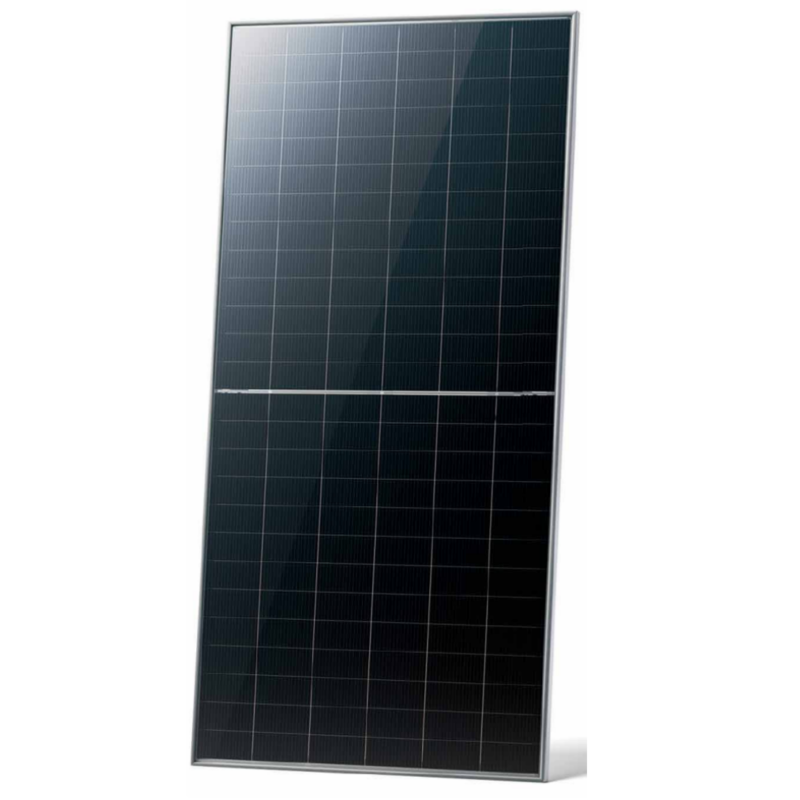
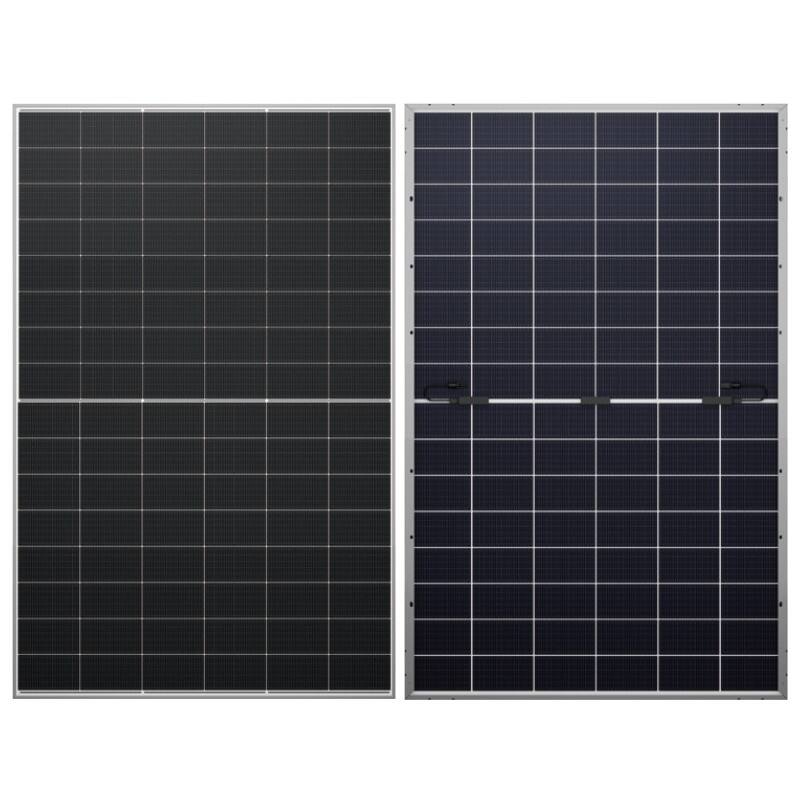
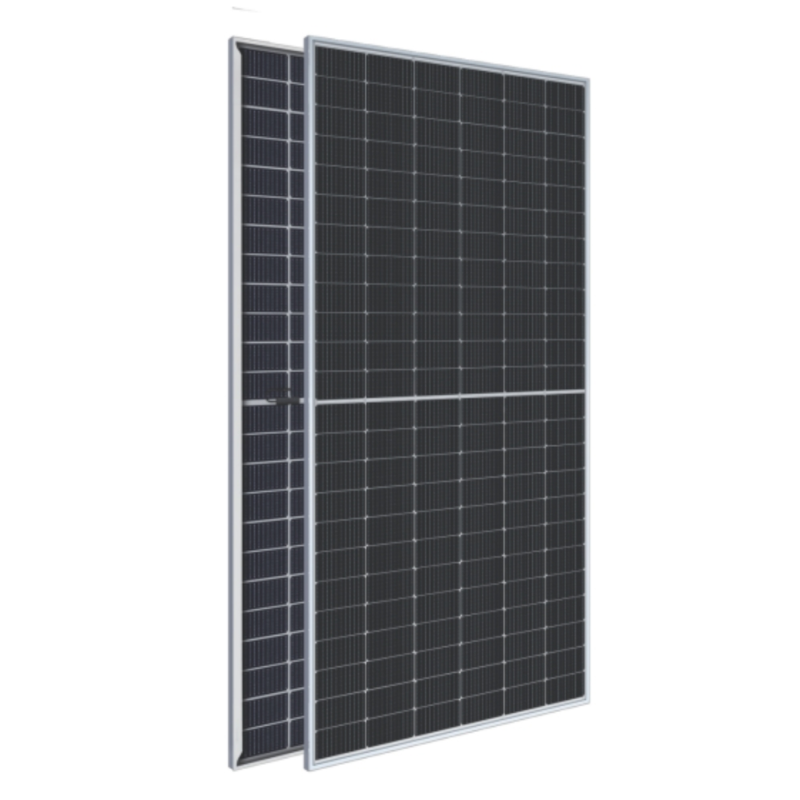
semi transparent photovoltaic panels
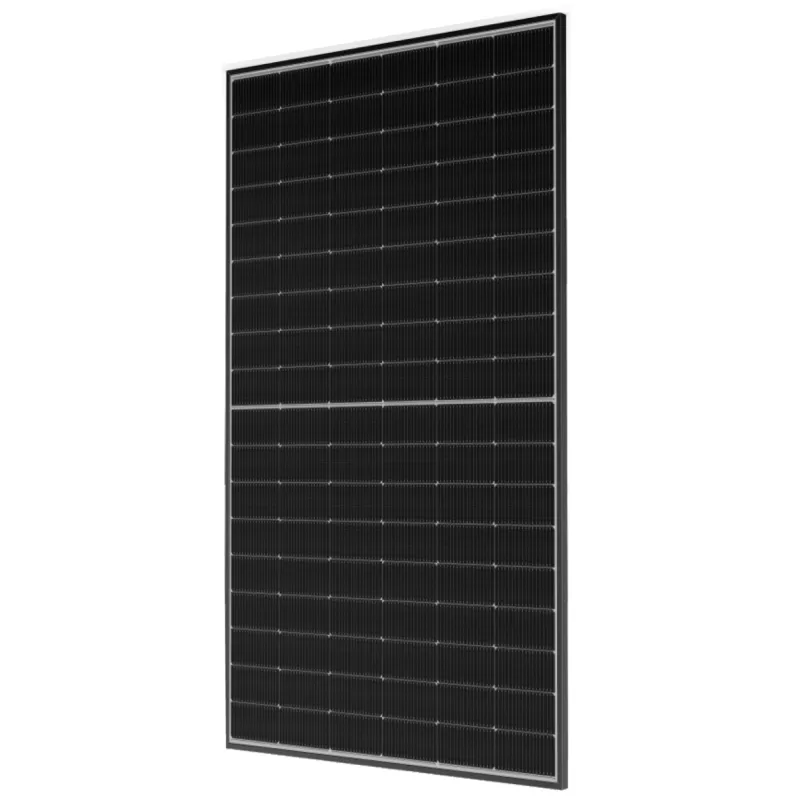
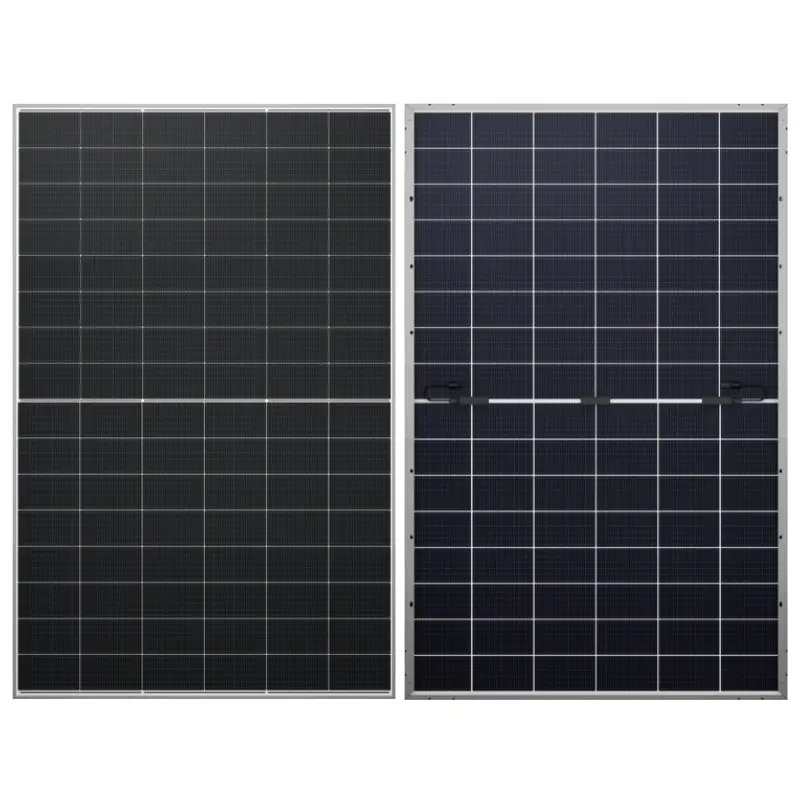
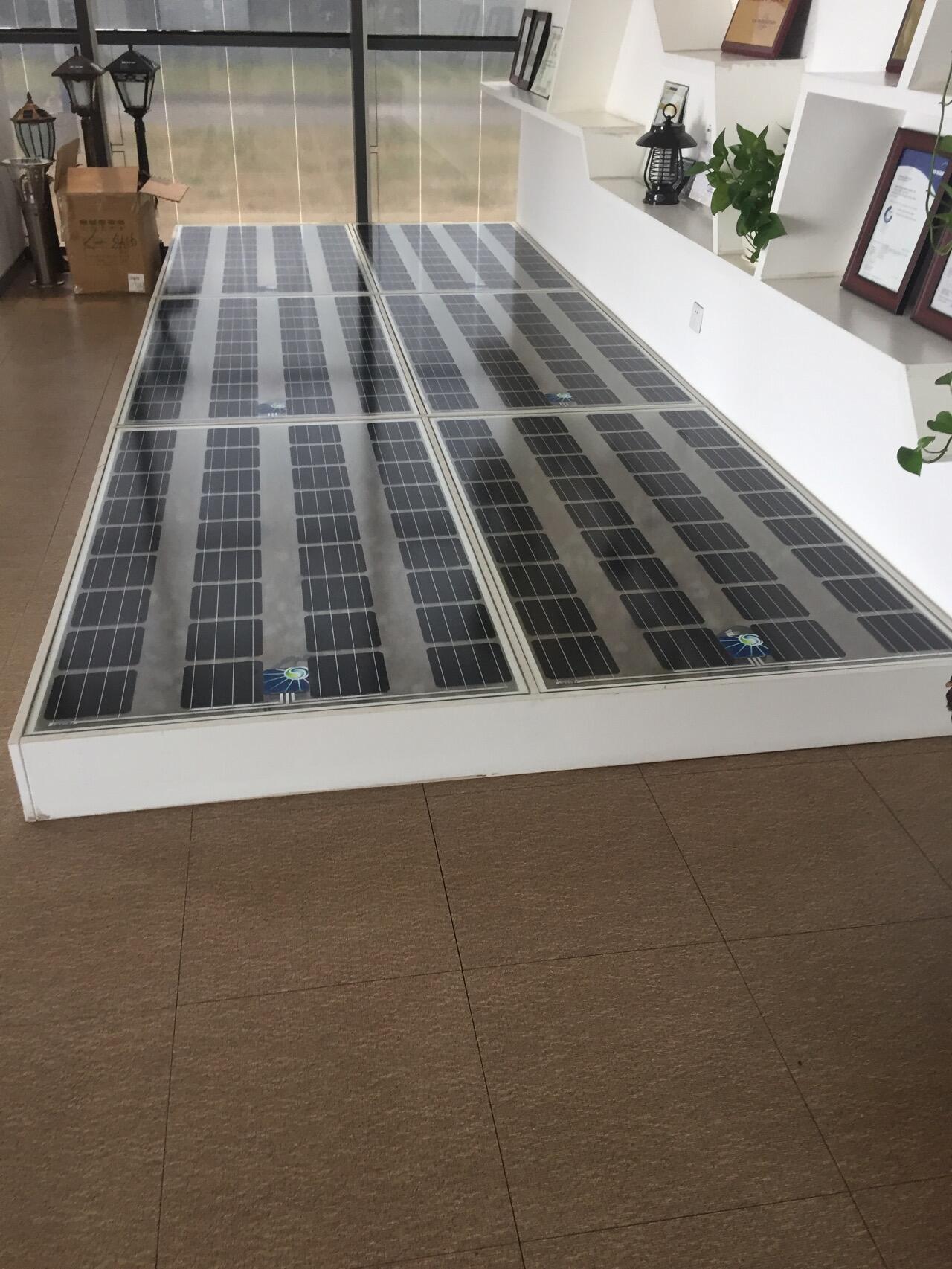
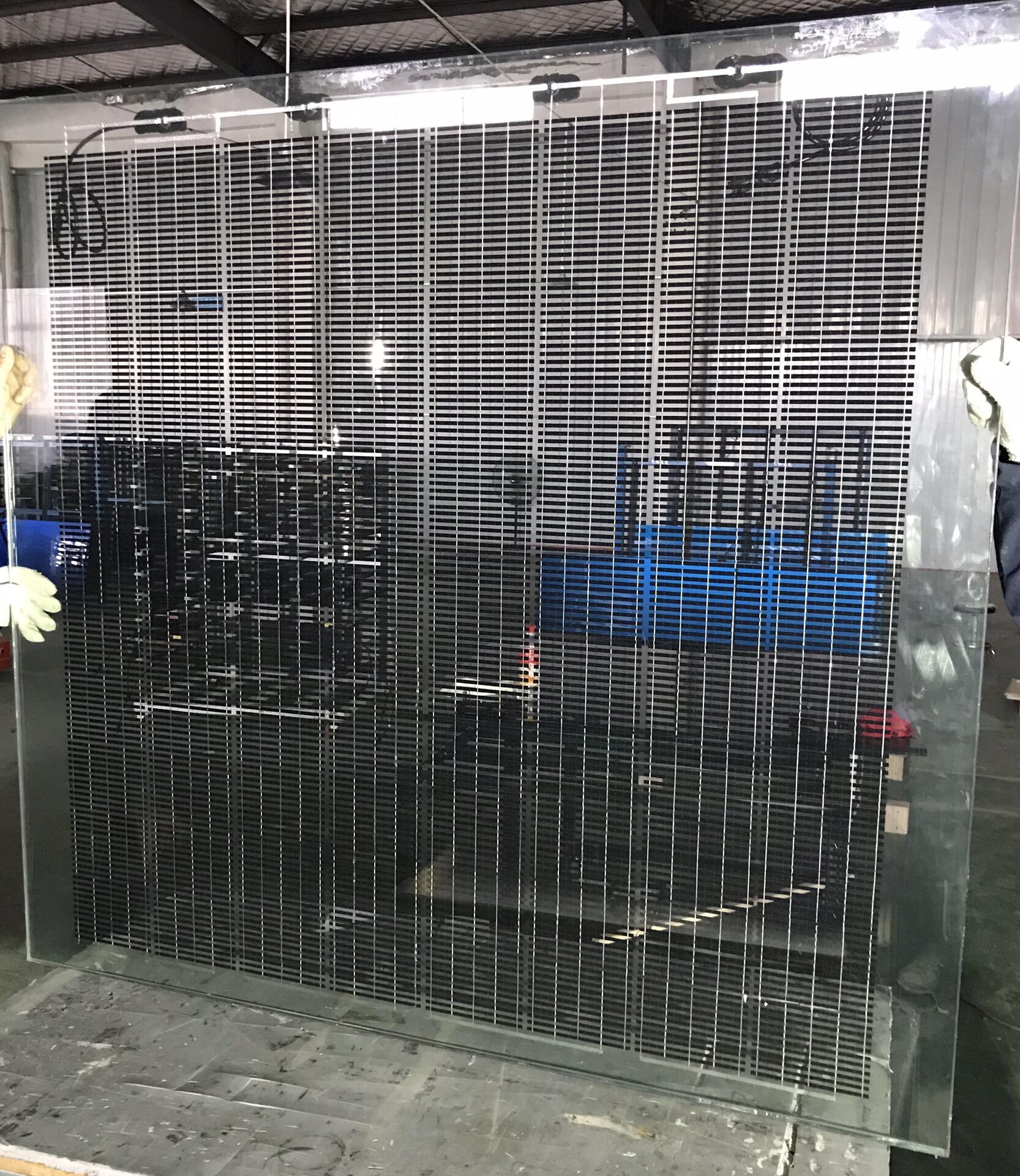
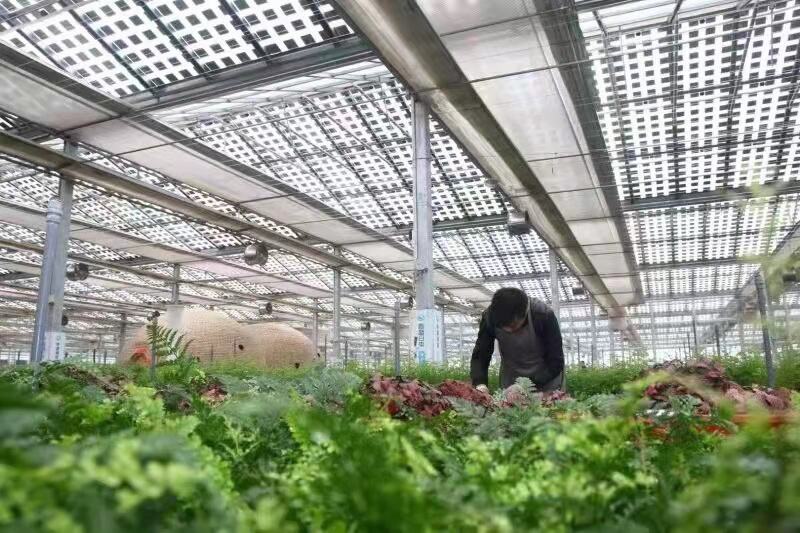
Semi transparent photovoltaic panels represent a revolutionary advancement in solar technology, offering a unique dual-function capability that combines energy generation with architectural aesthetics. These innovative panels allow natural light to pass through while simultaneously converting sunlight into clean electricity, making them an ideal solution for modern building designs that prioritize both sustainability and visual appeal. The technology utilizes specialized photovoltaic cells arranged in patterns that create openings between active solar cells, enabling controlled light transmission while maintaining substantial energy production capacity. The main functions of semi transparent photovoltaic panels encompass electricity generation, natural lighting provision, and architectural integration. These panels effectively harvest solar energy during daylight hours, converting photons into usable electrical power for building operations or grid feed-in systems. Simultaneously, they regulate the amount of natural light entering interior spaces, reducing the need for artificial lighting and contributing to energy conservation efforts. The technological features include advanced thin-film solar cells, precision-engineered spacing patterns, and weather-resistant encapsulation materials that ensure long-term performance and durability. Applications span across commercial buildings, residential structures, greenhouse installations, and urban infrastructure projects where traditional opaque panels would compromise design integrity or functional requirements. The versatility of semi transparent photovoltaic panels makes them particularly suitable for curtain walls, skylights, canopies, and pergolas where maintaining visibility and aesthetics remains crucial. These panels achieve transparency levels ranging from 10% to 90%, depending on specific design requirements and energy output targets. The manufacturing process involves careful calibration of cell density and spacing to optimize the balance between power generation and light transmission, ensuring each installation meets both aesthetic and performance criteria while contributing to sustainable building practices and renewable energy adoption.



 EN
EN