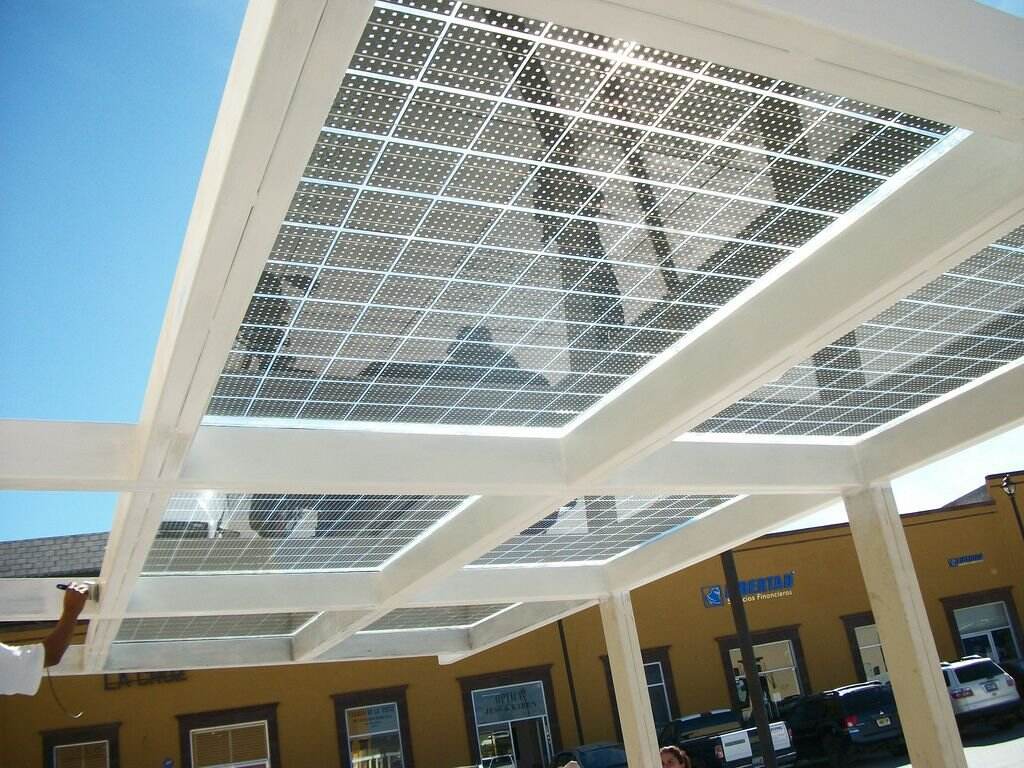
semi transparent pv panels
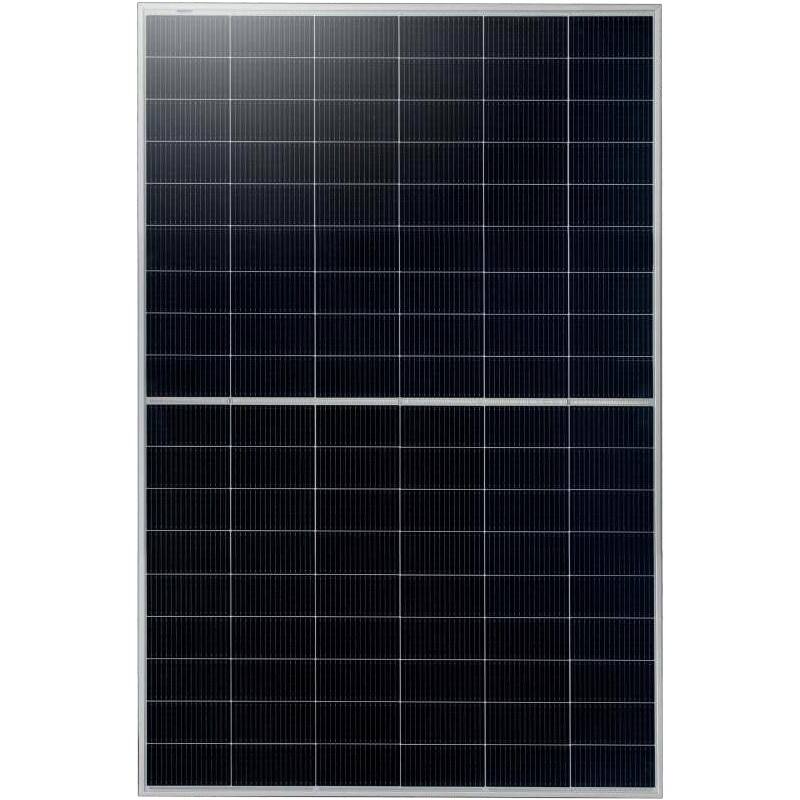
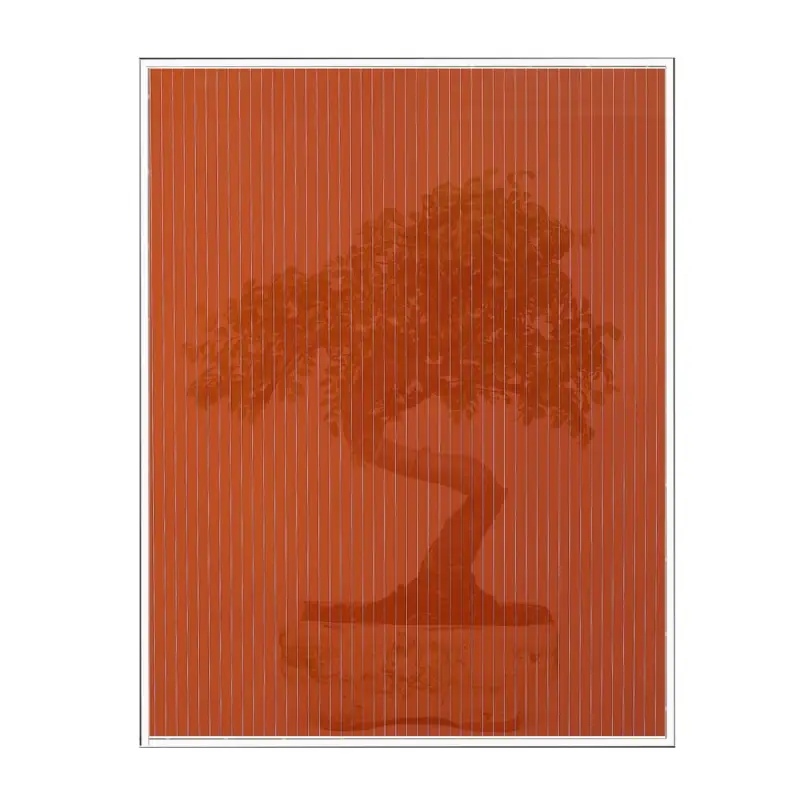
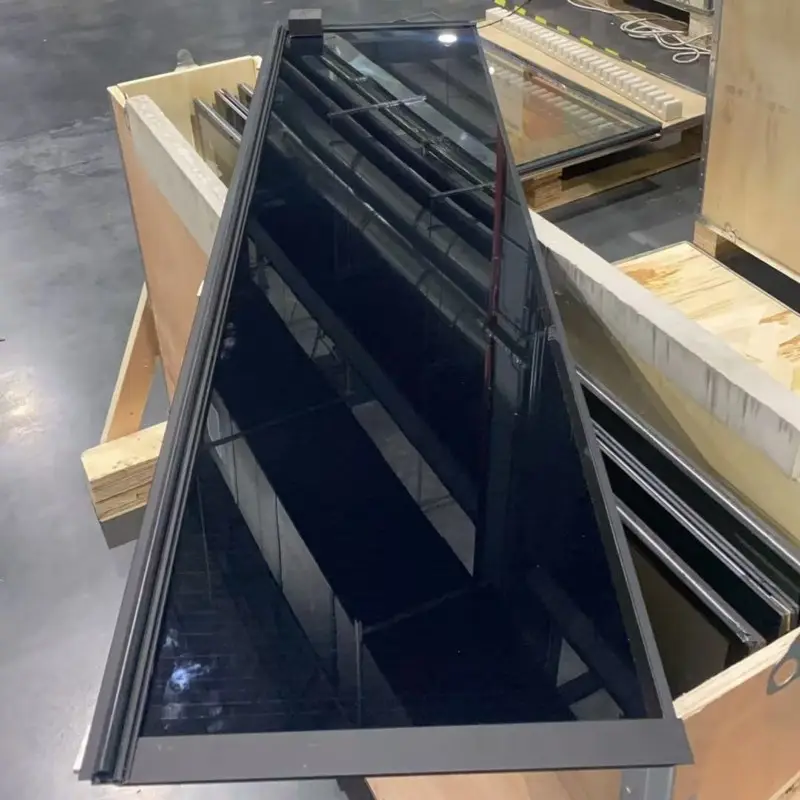
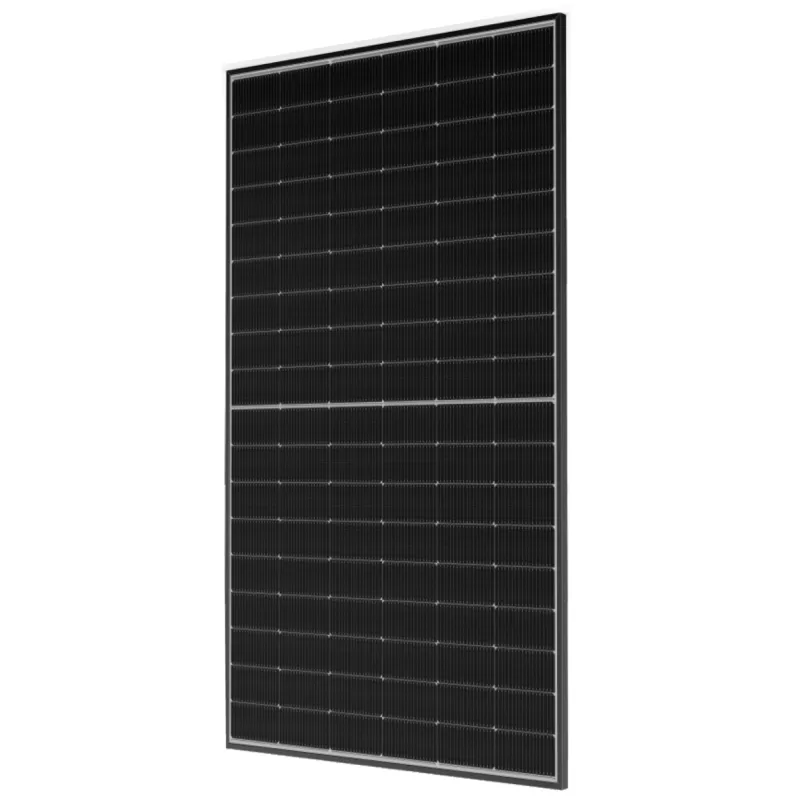
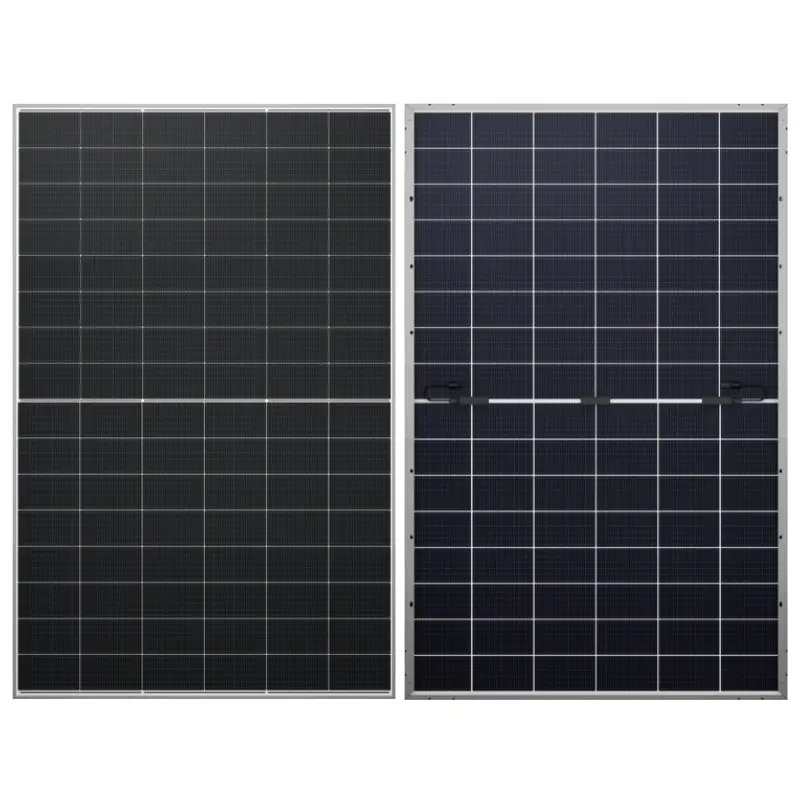
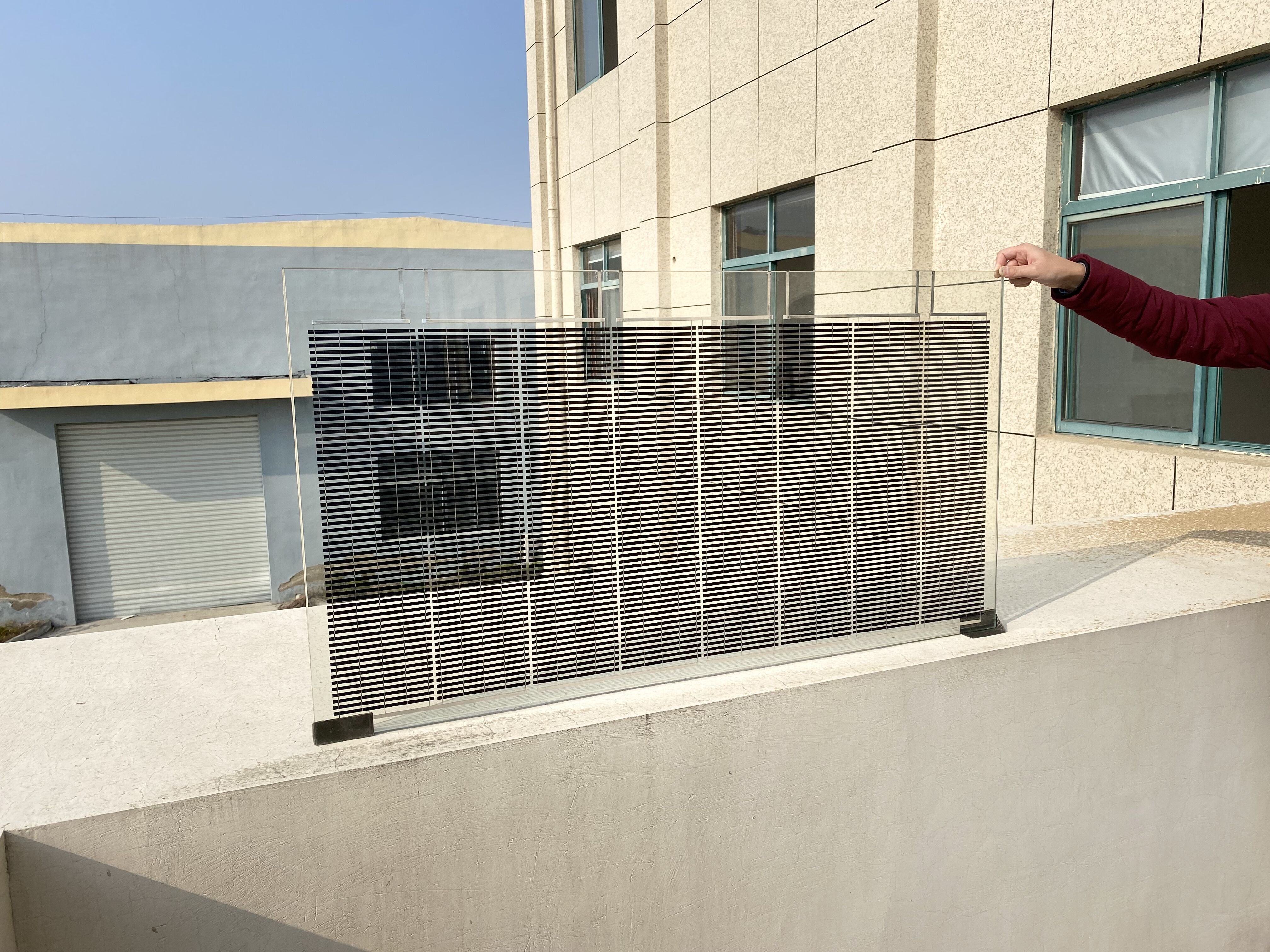
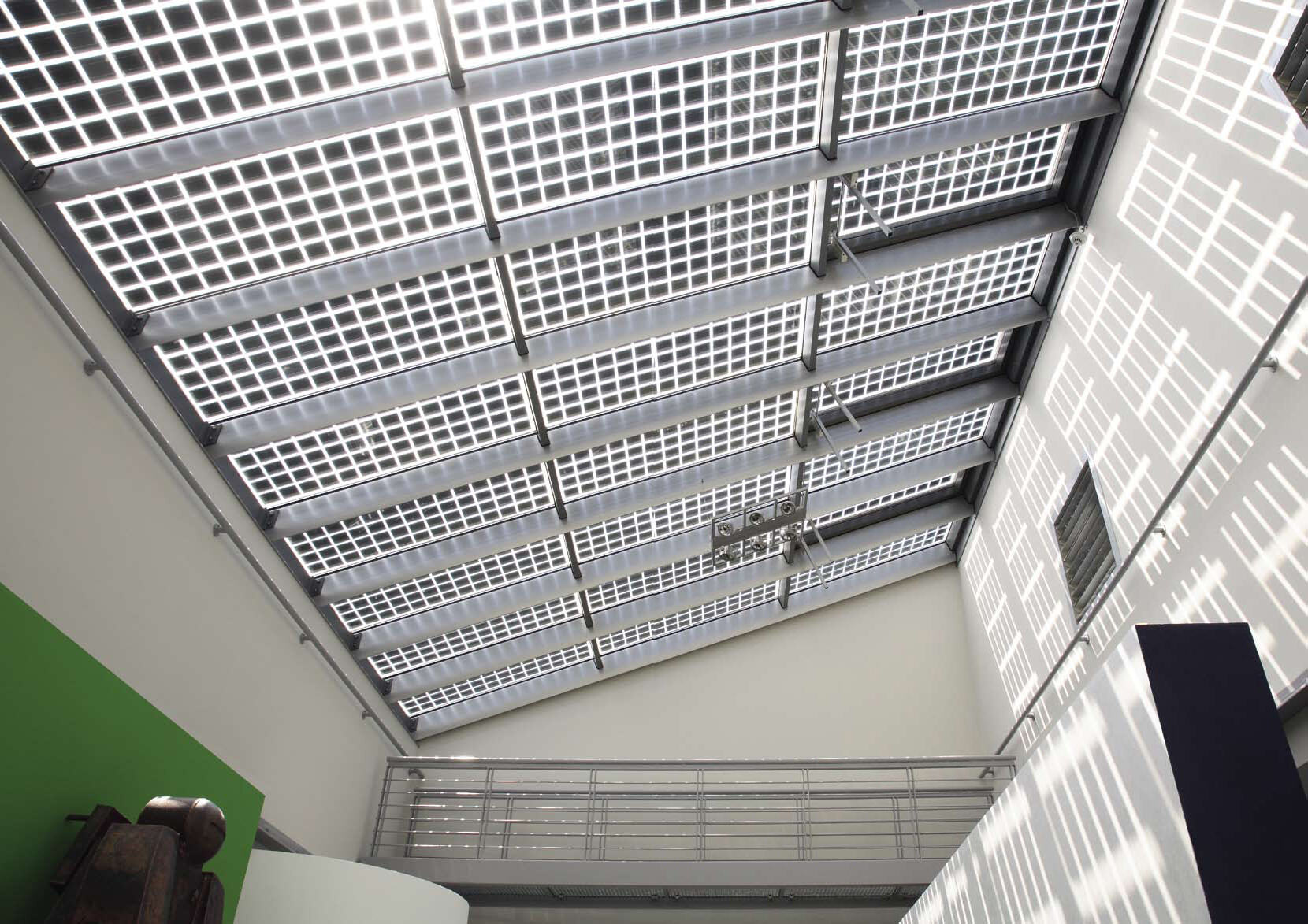
Semi transparent pv panels represent a revolutionary advancement in solar energy technology, combining electricity generation with aesthetic appeal and functionality. These innovative photovoltaic modules feature a unique design that allows natural light to pass through while simultaneously converting sunlight into clean electrical power. The semi transparent pv panels utilize specialized solar cells arranged with strategic spacing or employ thin-film technology to achieve their distinctive translucent properties. This groundbreaking approach enables architects, builders, and property owners to integrate renewable energy solutions seamlessly into building designs without compromising visual appeal or natural lighting requirements. The core functionality of semi transparent pv panels centers on their dual-purpose nature, serving as both energy generators and architectural elements. Advanced manufacturing processes create these panels using crystalline silicon cells with optimized spacing or cutting-edge thin-film materials like amorphous silicon, cadmium telluride, or copper indium gallium selenide. The transparency levels can be customized ranging from 10% to 90%, allowing designers to balance energy production with light transmission needs. These panels maintain impressive energy conversion efficiency while providing partial shading and glare reduction benefits. Modern semi transparent pv panels incorporate anti-reflective coatings and weather-resistant materials ensuring long-term durability and consistent performance. Installation flexibility makes them suitable for various applications including building-integrated photovoltaics (BIPV), skylights, canopies, facades, and greenhouse structures. The technological advancement in semi transparent pv panels has made them increasingly cost-effective while maintaining high performance standards. Their ability to generate renewable energy while serving functional architectural purposes makes them an attractive option for sustainable building projects. The panels can be manufactured in various sizes, shapes, and transparency levels to meet specific project requirements, offering unprecedented design freedom for architects and engineers working on eco-friendly construction projects.


 EN
EN