Complete Guide to Monocrystalline Polycrystalline and Thin Film Solar Panels - Efficiency Comparison and Benefits

Get a Free Quote

Our representative will contact you soon.
Email
Name
Company Name
Message
0/1000

monocrystalline polycrystalline and thin film solar panels

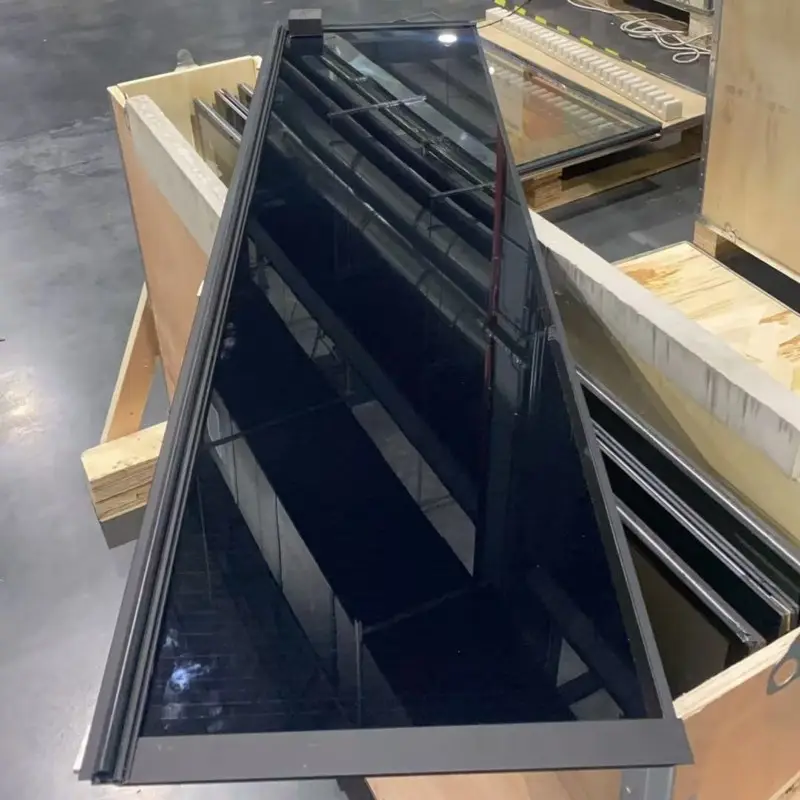
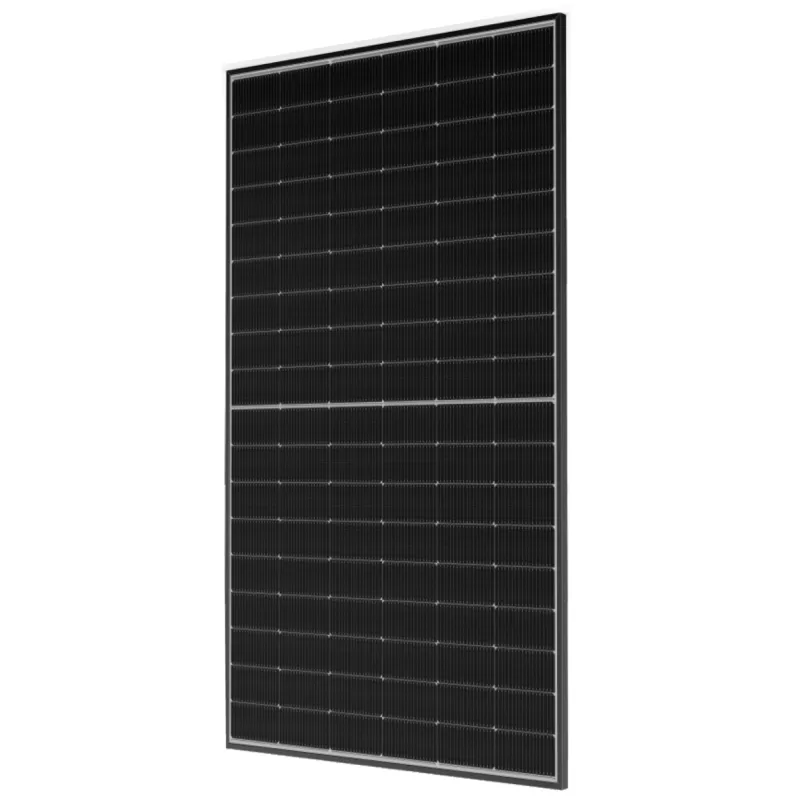
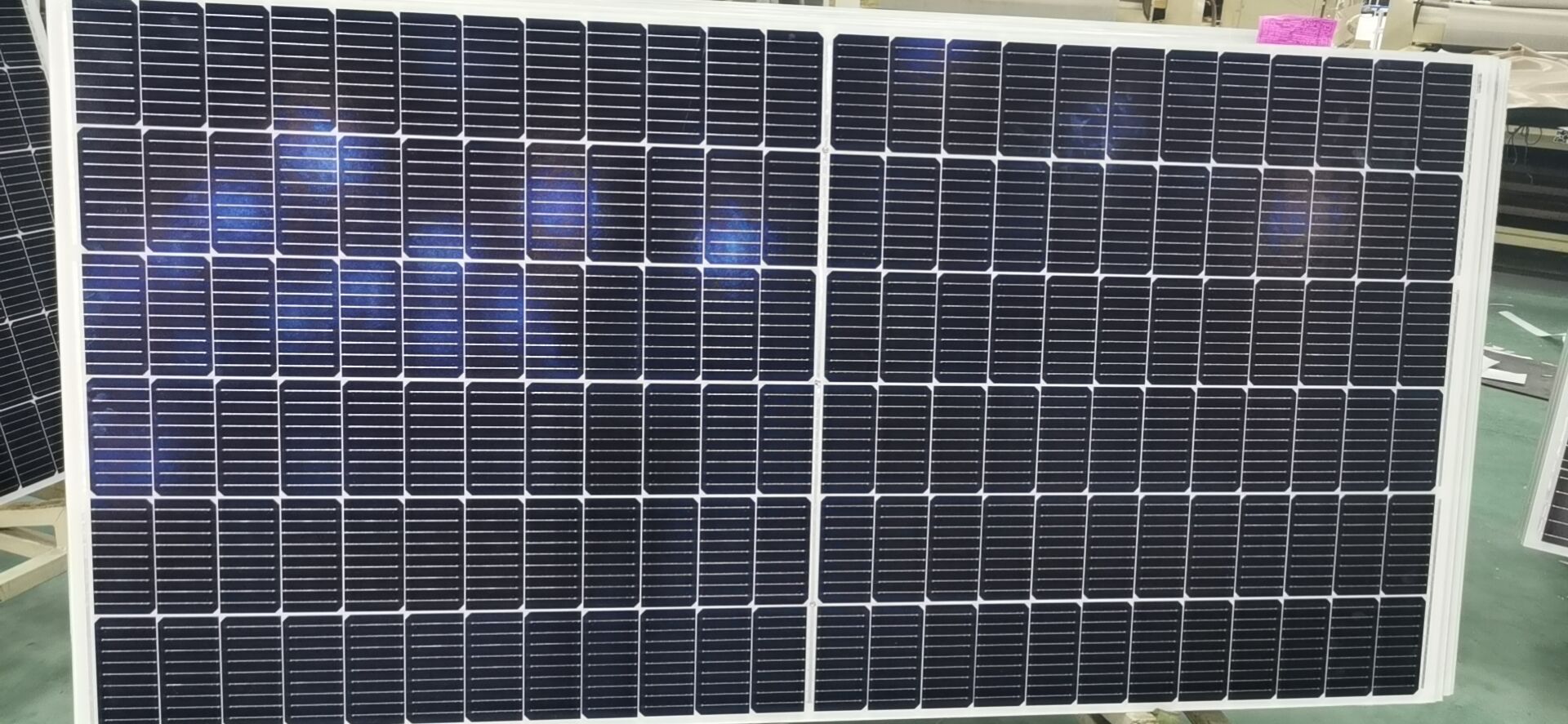
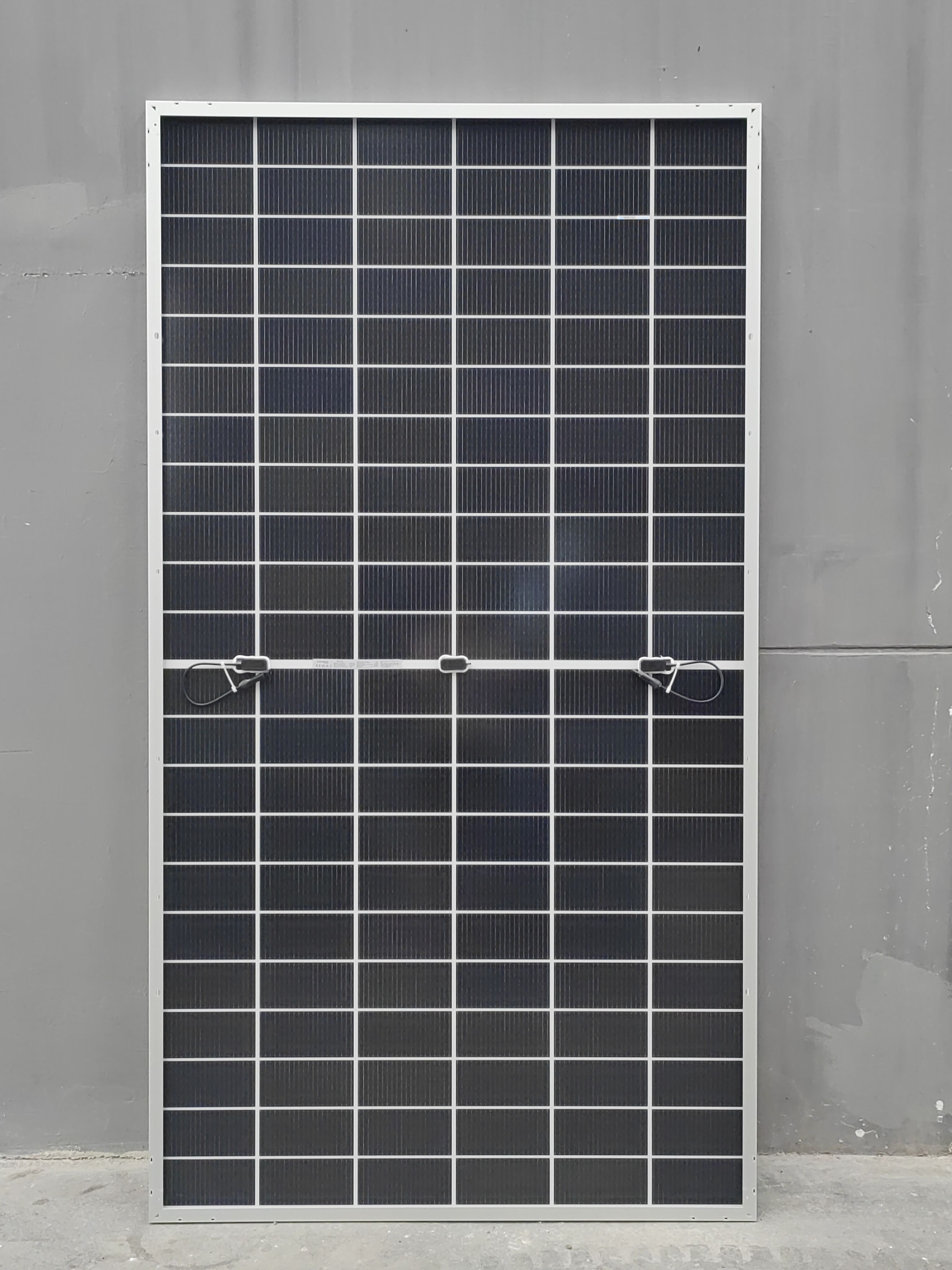
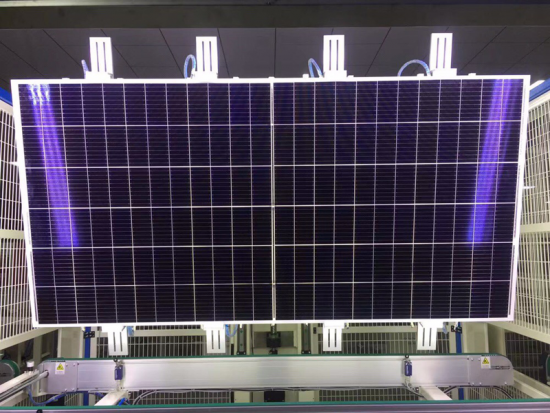
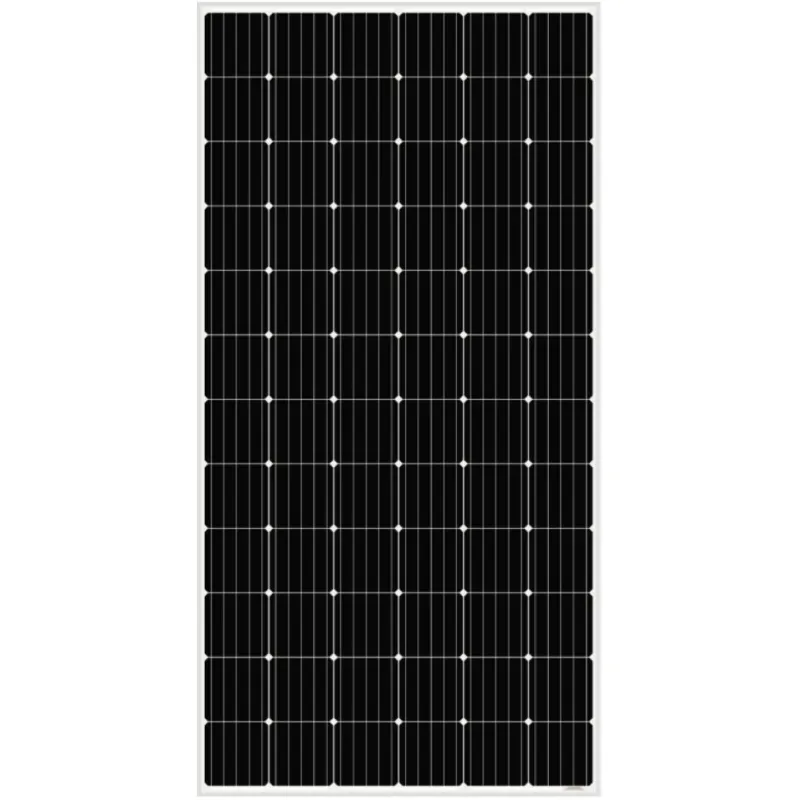
Monocrystalline polycrystalline and thin film solar panels represent the three primary photovoltaic technologies that dominate today's renewable energy market. These solar panel types convert sunlight into electricity through distinct manufacturing processes and technological approaches, each offering unique characteristics suited for different applications and customer needs. Monocrystalline panels utilize single-crystal silicon wafers, creating a uniform structure that maximizes energy conversion efficiency. The manufacturing process involves growing pure silicon crystals in controlled laboratory conditions, resulting in panels with distinctive dark blue or black appearance. These panels typically achieve efficiency rates between 20-25 percent, making them ideal for residential installations where roof space is limited. Polycrystalline panels employ multiple silicon crystals melted together, creating a cost-effective alternative with slightly lower efficiency rates ranging from 16-20 percent. The manufacturing process is less energy-intensive, resulting in lower production costs and making these panels popular for large-scale commercial installations. Thin film solar panels use deposited semiconductor materials like amorphous silicon, cadmium telluride, or copper indium gallium selenide on flexible substrates. This technology offers unique flexibility and lightweight characteristics, though with lower efficiency rates typically ranging from 11-15 percent. Applications vary significantly across these technologies. Monocrystalline polycrystalline and thin film solar panels serve residential rooftops, commercial buildings, utility-scale solar farms, and specialized applications like building-integrated photovoltaics. Monocrystalline panels excel in premium residential installations where aesthetics and maximum power output per square foot matter most. Polycrystalline panels dominate large commercial projects where cost-effectiveness and reliable performance drive decision-making. Thin film panels find applications in curved surfaces, portable devices, and situations requiring flexible installation options. These technologies continue evolving with improvements in manufacturing processes, cost reduction, and efficiency enhancements driving widespread adoption across global markets.

New Product Releases

Monocrystalline polycrystalline and thin film solar panels provide distinct advantages that cater to diverse customer requirements and project specifications. Monocrystalline panels deliver the highest efficiency rates available in residential solar technology, converting more sunlight into electricity per square foot than alternative options. This superior efficiency means customers need fewer panels to achieve their energy goals, making them perfect for homes with limited roof space or architectural constraints. The uniform appearance of monocrystalline panels creates an aesthetically pleasing installation that enhances property value while generating clean energy. These panels perform exceptionally well in high-temperature conditions and maintain consistent output over their 25-year warranty period, ensuring long-term reliability for homeowners. Polycrystalline panels offer outstanding value propositions for customers prioritizing cost-effectiveness without sacrificing quality. The manufacturing process requires less energy and materials, translating to lower upfront costs that make solar energy accessible to more customers. Despite slightly lower efficiency compared to monocrystalline options, polycrystalline panels deliver reliable performance and substantial energy savings over their operational lifetime. The blue crystalline appearance blends well with most roofing materials while providing excellent durability against weather conditions. Thin film solar panels bring unique flexibility advantages that open new installation possibilities previously unavailable with rigid panel technologies. These lightweight panels integrate seamlessly into curved surfaces, building facades, and portable applications where traditional panels cannot function. The lower temperature coefficient means thin film panels maintain better performance in extremely hot climates, providing consistent energy generation throughout summer months. Manufacturing costs continue decreasing for thin film technology, making large-scale installations increasingly affordable. Each technology offers specific maintenance benefits that reduce long-term ownership costs. Monocrystalline and polycrystalline panels require minimal maintenance beyond periodic cleaning and visual inspections. Thin film panels often self-clean better due to their smooth surface characteristics, reducing maintenance requirements in dusty environments. All three technologies benefit from advancing inverter technology, smart monitoring systems, and improved warranty coverage that protect customer investments while maximizing energy production and financial returns.

Tips And Tricks

Why is the half cell solar panel the current standard for B2Bsolar?

23

Dec

Why is the half cell solar panel the current standard for B2Bsolar?

The solar industry has witnessed remarkable technological evolution over the past decade, with the half cell solar panel emerging as the dominant choice for B2B applications. This advanced photovoltaic technology has fundamentally transformed how bus...
View More
How to choose a high-performance half cell solar panel forrooftop?

23

Dec

How to choose a high-performance half cell solar panel forrooftop?

Selecting the right solar panel technology for your rooftop installation represents one of the most critical decisions in your renewable energy journey. Among the various solar panel innovations available today, half cell solar panel technology stand...
View More
How to maintain half cell solar panels to prevent local hot spots?

23

Dec

How to maintain half cell solar panels to prevent local hot spots?

Maintaining half cell solar panels properly is crucial for preventing local hot spots that can significantly reduce energy output and potentially damage your solar installation. These advanced photovoltaic modules feature innovative cell splitting te...
View More
Why are our half cell solar panels preferred by global distributors2

23

Dec

Why are our half cell solar panels preferred by global distributors2

The global solar energy market has witnessed unprecedented growth, with distributors increasingly seeking advanced photovoltaic solutions that deliver superior performance and reliability. Among the various technologies available, half cell solar pan...
View More

Get a Free Quote

Our representative will contact you soon.
Email
Name
Company Name
Message
0/1000

monocrystalline polycrystalline and thin film solar panels

Superior Efficiency and Space Optimization with Monocrystalline Technology

Superior Efficiency and Space Optimization with Monocrystalline Technology

Monocrystalline polycrystalline and thin film solar panels showcase varying efficiency capabilities, with monocrystalline technology leading in power density and space optimization benefits. Monocrystalline panels achieve remarkable efficiency rates exceeding 22 percent in many commercial products, significantly outperforming other technologies in converting available sunlight into usable electricity. This superior efficiency stems from the uniform crystal structure that allows electrons to move freely without interference from grain boundaries or structural inconsistencies. For customers facing roof space limitations, this efficiency advantage translates directly into practical benefits that maximize energy production within available installation areas. A typical residential installation using monocrystalline panels requires approximately 20-25 percent fewer panels compared to polycrystalline alternatives to generate equivalent power output. This reduction in panel quantity creates multiple customer advantages including lower installation labor costs, reduced structural load requirements, and improved aesthetic appeal through cleaner roofline appearance. The space optimization benefits become particularly valuable in urban environments where premium roof space commands high value and every square foot of energy generation capacity matters. Monocrystalline technology also demonstrates superior performance in partial shading conditions, maintaining higher output levels when portions of the array experience temporary shadowing from trees, buildings, or other obstructions. This performance characteristic ensures consistent energy production throughout changing daily conditions, maximizing the financial return on customer investments. The manufacturing precision required for monocrystalline panels results in tighter performance tolerances, meaning actual installed performance closely matches rated specifications. This predictability allows customers to accurately forecast energy production and financial savings over the system's operational lifetime. Additionally, monocrystalline panels typically exhibit better temperature coefficients, maintaining higher efficiency levels during hot summer conditions when energy demand peaks. The combination of superior efficiency, space optimization, and reliable performance makes monocrystalline technology the preferred choice for customers seeking maximum energy production from limited installation space while ensuring long-term reliability and aesthetic appeal.
Cost-Effective Energy Solutions Through Polycrystalline Innovation

Cost-Effective Energy Solutions Through Polycrystalline Innovation

Monocrystalline polycrystalline and thin film solar panels offer different value propositions, with polycrystalline technology excelling in cost-effective energy solutions that democratize solar access for diverse customer segments. Polycrystalline panels provide excellent balance between performance and affordability, making solar energy accessible to customers who previously considered renewable energy financially unattainable. The manufacturing process for polycrystalline panels requires less energy input and fewer processing steps compared to monocrystalline production, resulting in lower manufacturing costs that translate directly into customer savings. These cost advantages become particularly significant for large-scale installations where project economics drive technology selection decisions. Commercial customers installing hundreds or thousands of panels benefit substantially from the lower per-watt costs associated with polycrystalline technology, enabling larger system sizes within fixed budget constraints. Despite lower efficiency compared to monocrystalline alternatives, polycrystalline panels deliver reliable energy production that generates substantial utility bill savings and rapid return on investment. The efficiency difference between polycrystalline and monocrystalline panels continues narrowing as manufacturing improvements enhance polycrystalline performance while maintaining cost advantages. Modern polycrystalline panels achieve efficiency rates approaching 20 percent, providing excellent energy production that satisfies most residential and commercial applications. The distinctive blue appearance of polycrystalline panels creates attractive installations that complement various architectural styles while clearly demonstrating the property owner's commitment to sustainable energy practices. Polycrystalline technology demonstrates excellent durability characteristics, with many manufacturers offering 25-year performance warranties that guarantee long-term energy production and customer satisfaction. The proven track record of polycrystalline installations worldwide provides confidence in technology reliability and performance consistency across diverse climate conditions. Maintenance requirements remain minimal throughout the operational lifetime, with occasional cleaning and visual inspections sufficient to maintain optimal performance levels. For customers prioritizing cost-effectiveness while achieving meaningful energy independence, polycrystalline panels represent an ideal solution that balances initial investment with long-term energy production and financial benefits.
Versatile Installation Options with Thin Film Flexibility

Versatile Installation Options with Thin Film Flexibility

Monocrystalline polycrystalline and thin film solar panels each serve specific installation requirements, with thin film technology offering unparalleled versatility and flexibility that enables innovative applications impossible with rigid panel technologies. Thin film solar panels revolutionize installation possibilities through their lightweight construction and flexible substrate materials that conform to curved surfaces, irregular shapes, and architectural features that challenge conventional panel mounting systems. This flexibility opens entirely new market segments including building-integrated photovoltaics, portable solar solutions, and specialized applications where traditional rigid panels cannot function effectively. The lightweight characteristics of thin film panels significantly reduce structural load requirements, enabling installations on roofing systems that cannot support the weight of crystalline panel alternatives. This advantage expands solar access to older buildings, lightweight commercial structures, and residential applications where structural limitations previously prevented solar installations. Thin film panels excel in high-temperature environments, maintaining better performance characteristics compared to crystalline alternatives when ambient temperatures exceed optimal operating conditions. The superior temperature coefficient ensures consistent energy production throughout extreme summer conditions, particularly valuable in desert regions and tropical climates where heat negatively impacts traditional panel performance. Manufacturing processes for thin film technology continue advancing, with new materials and production techniques reducing costs while improving efficiency and durability characteristics. Large-scale thin film installations benefit from rapid deployment capabilities, with some mounting systems enabling faster installation compared to individual panel mounting required for crystalline technologies. The uniform appearance of thin film installations creates sleek, modern aesthetics that integrate seamlessly with contemporary architectural designs while providing substantial energy production capabilities. Thin film panels demonstrate excellent low-light performance, generating electricity during overcast conditions and early morning or late evening hours when crystalline panels produce minimal output. This extended operational window increases daily energy yield and improves overall system economics through enhanced capacity factors. For customers seeking innovative installation solutions, architectural integration, or specialized applications requiring flexible solar technology, thin film panels provide unique capabilities that expand the possibilities for renewable energy adoption while delivering reliable performance and attractive return on investment.
Inquiry Inquiry Complete Guide to Monocrystalline Polycrystalline and Thin Film Solar Panels - Efficiency Comparison and Benefits Complete Guide to Monocrystalline Polycrystalline and Thin Film Solar Panels - Efficiency Comparison and Benefits Complete Guide to Monocrystalline Polycrystalline and Thin Film Solar Panels - Efficiency Comparison and Benefits

Get a Free Quote

Our representative will contact you soon.
Email
Name
Company Name
Message
0/1000