Mono and Poly Solar Panels: Complete Guide to Efficient Solar Energy Solutions

Get a Free Quote

Our representative will contact you soon.
Email
Name
Company Name
Message
0/1000

mono and poly solar panel

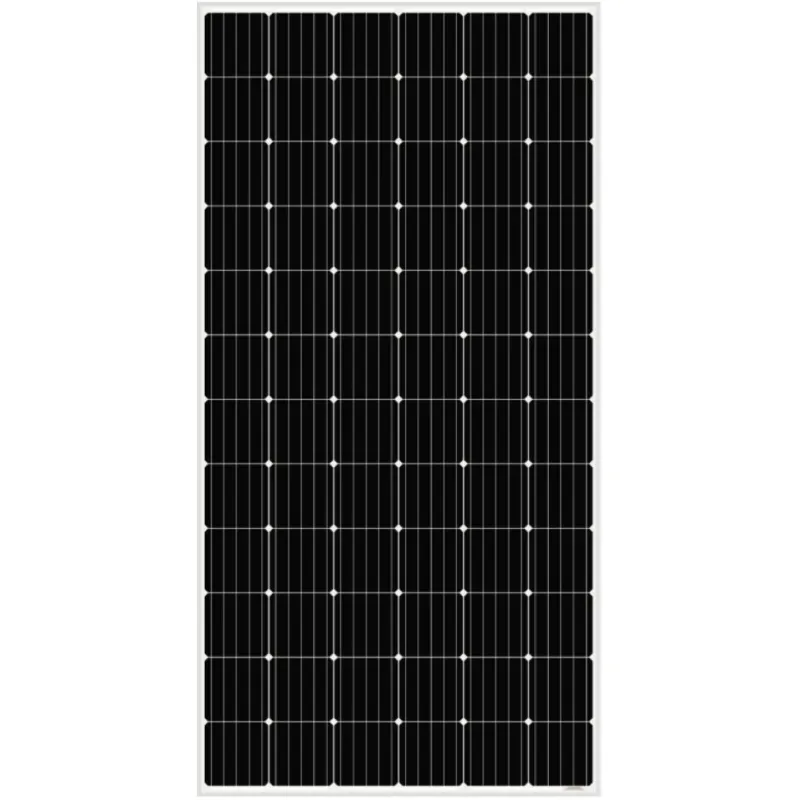
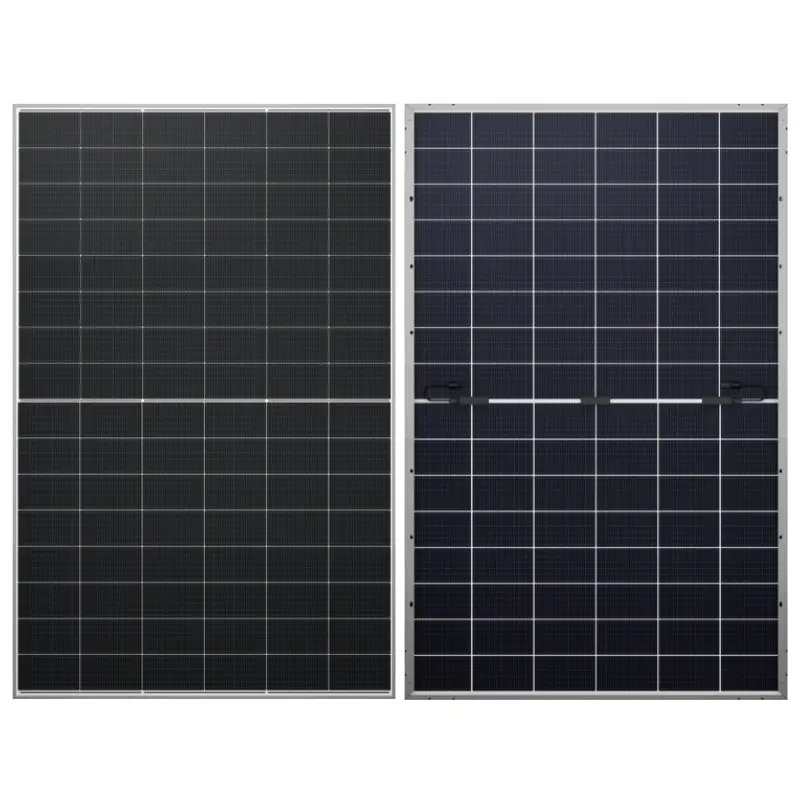
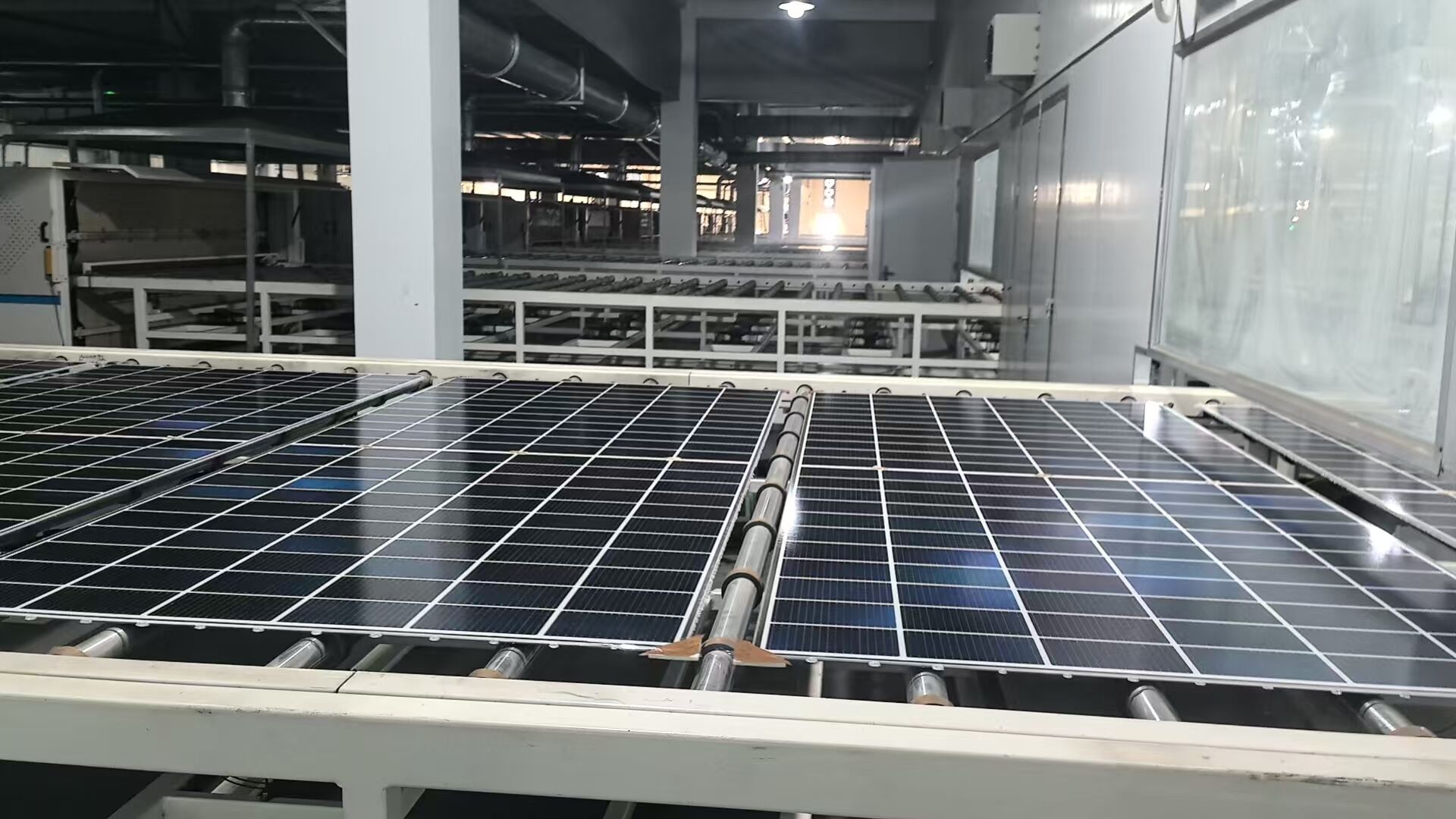
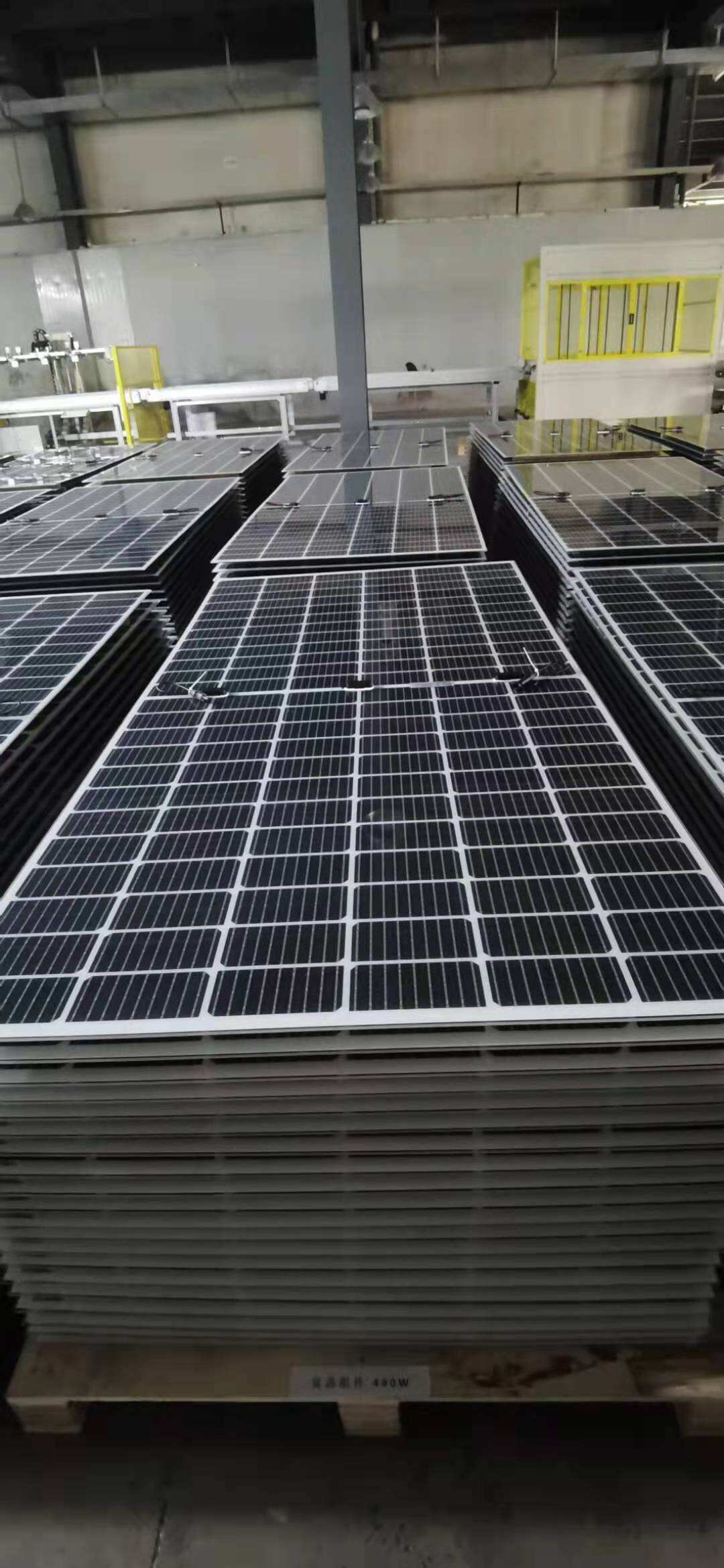
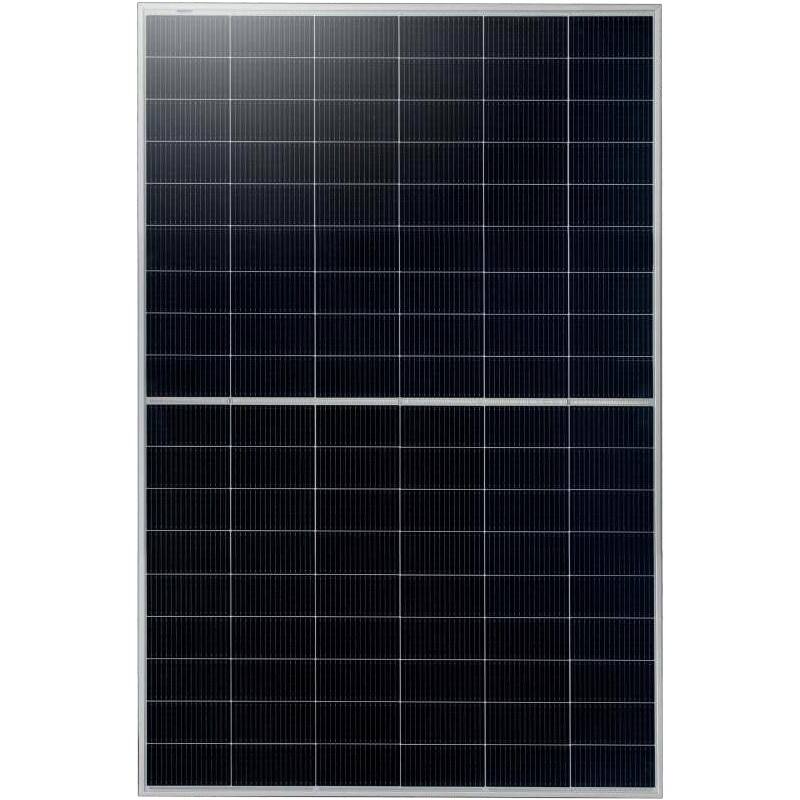
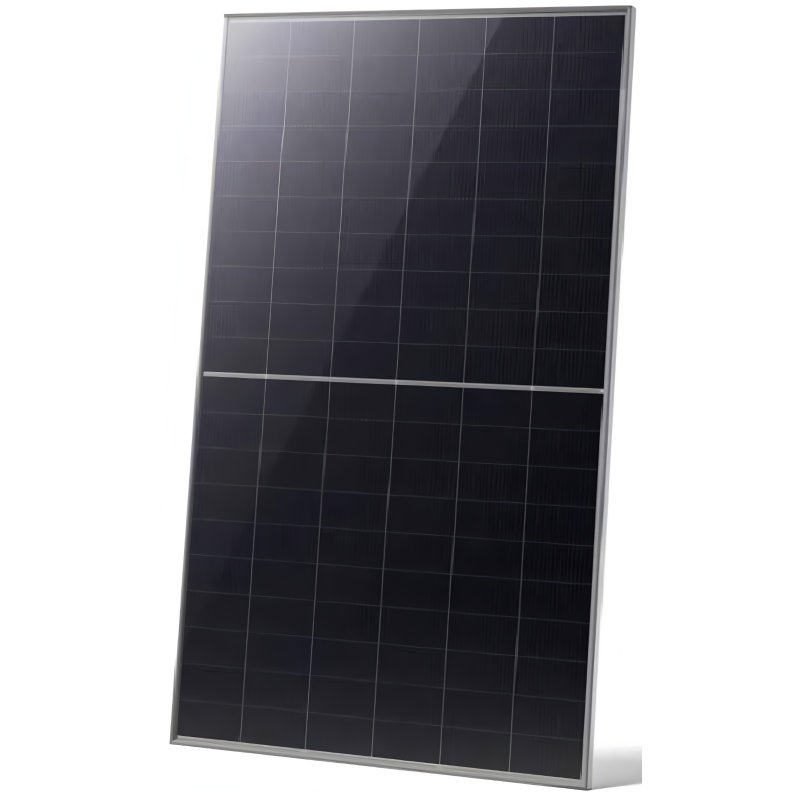
Mono and poly solar panels represent two fundamental technologies in photovoltaic energy systems that convert sunlight into electrical power for residential, commercial, and industrial applications. Monocrystalline solar panels utilize single-crystal silicon wafers, creating a uniform dark appearance with rounded edges on individual cells. These mono solar panels achieve higher efficiency rates through their pure crystal structure, typically delivering 18-22% energy conversion rates. Polycrystalline solar panels, also known as poly solar panels, are manufactured from multiple silicon crystals melted together, resulting in a distinctive blue speckled appearance with square-shaped cells. The main function of both mono and poly solar panel systems involves capturing photons from sunlight and converting them into direct current electricity through the photovoltaic effect. This electricity flows through an inverter system that transforms DC power into alternating current suitable for home appliances and grid connection. Technological features of mono and poly solar panels include anti-reflective coatings that maximize light absorption, tempered glass surfaces providing weather resistance, and aluminum frames ensuring structural durability. Modern mono and poly solar panel designs incorporate bypass diodes that prevent power loss during partial shading conditions. Applications for these solar technologies span across rooftop installations, ground-mounted arrays, solar farms, off-grid cabin systems, RV power solutions, and portable charging stations. The mono and poly solar panel market serves diverse customer needs from homeowners seeking energy independence to businesses implementing sustainable power strategies. Installation flexibility allows mono and poly solar panels to function effectively in various climates and geographic locations, making them versatile renewable energy solutions for reducing electricity costs and carbon footprints.

New Product Releases

Mono and poly solar panels deliver substantial cost savings by dramatically reducing monthly electricity bills, with many homeowners achieving 70-90% reductions in energy expenses within the first year of installation. These solar systems provide exceptional return on investment, typically paying for themselves within 6-10 years while continuing to generate free electricity for 25-30 years afterward. The reliability of mono and poly solar panel technology ensures consistent power generation with minimal maintenance requirements, as these systems contain no moving parts that could wear out or break down over time. Durability stands as a major advantage, with quality mono and poly solar panels designed to withstand extreme weather conditions including hail, snow loads, and high winds up to 140 mph. Environmental benefits make mono and poly solar panels attractive to eco-conscious consumers, as each installed system prevents thousands of pounds of carbon dioxide emissions annually while reducing dependence on fossil fuels. Property values increase significantly when mono and poly solar panels are installed, with studies showing home values rise by approximately 4% on average. Energy independence represents another compelling advantage, allowing homeowners and businesses to generate their own power and protect against rising utility rates and power outages. Government incentives and tax credits further enhance the financial appeal of mono and poly solar panel installations, with federal tax credits covering 30% of system costs and many states offering additional rebates. The scalability of mono and poly solar panel systems allows customers to start with smaller installations and expand capacity as needed or budget permits. Modern mono and poly solar panels require virtually no maintenance beyond occasional cleaning and annual inspections, making them hassle-free investments. Net metering programs available in most areas allow excess electricity generated by mono and poly solar panels to be sold back to the grid, creating additional income streams for system owners. The proven track record of mono and poly solar panel manufacturers provides peace of mind through comprehensive warranties covering both product defects and power output guarantees for decades.

Tips And Tricks

Why is the half cell solar panel the current standard for B2Bsolar?

23

Dec

Why is the half cell solar panel the current standard for B2Bsolar?

The solar industry has witnessed remarkable technological evolution over the past decade, with the half cell solar panel emerging as the dominant choice for B2B applications. This advanced photovoltaic technology has fundamentally transformed how bus...
View More
How to choose a high-performance half cell solar panel forrooftop?

23

Dec

How to choose a high-performance half cell solar panel forrooftop?

Selecting the right solar panel technology for your rooftop installation represents one of the most critical decisions in your renewable energy journey. Among the various solar panel innovations available today, half cell solar panel technology stand...
View More
How to maintain half cell solar panels to prevent local hot spots?

23

Dec

How to maintain half cell solar panels to prevent local hot spots?

Maintaining half cell solar panels properly is crucial for preventing local hot spots that can significantly reduce energy output and potentially damage your solar installation. These advanced photovoltaic modules feature innovative cell splitting te...
View More
How to select a half cell solar panel manufacturer for bulk oirders?

23

Dec

How to select a half cell solar panel manufacturer for bulk oirders?

When planning large-scale solar installations, selecting the right half cell solar panel manufacturer becomes a critical decision that can determine the success of your project. With the growing adoption of photovoltaic technology in commercial and i...
View More

Get a Free Quote

Our representative will contact you soon.
Email
Name
Company Name
Message
0/1000

mono and poly solar panel

Superior Energy Efficiency and Performance Output

Superior Energy Efficiency and Performance Output

The energy efficiency capabilities of mono and poly solar panels represent a crucial factor for customers seeking maximum power generation from their available roof space or installation area. Monocrystalline solar panels excel in efficiency ratings, typically achieving 18-22% conversion rates that surpass most other solar technologies available in today's market. This superior efficiency means mono solar panels can generate more electricity per square foot compared to other options, making them ideal for properties with limited installation space. The single-crystal silicon structure in mono solar panels creates fewer barriers for electron movement, resulting in enhanced electrical conductivity and reduced energy losses during the conversion process. Polycrystalline solar panels, while slightly lower in efficiency at 15-17%, still provide excellent performance-to-cost ratios that appeal to budget-conscious customers. The efficiency advantages of mono and poly solar panels translate directly into higher electricity production, faster payback periods, and greater long-term savings for property owners. Advanced cell technologies incorporated into modern mono and poly solar panels include PERC (Passivated Emitter and Rear Cell) designs that capture reflected light from the back surface, boosting overall efficiency by 1-2 percentage points. Temperature coefficients in quality mono and poly solar panels remain relatively low, meaning these systems maintain strong performance even during hot summer conditions when other technologies might experience significant power drops. The consistent performance characteristics of mono and poly solar panels ensure reliable electricity generation throughout varying seasonal conditions, providing customers with predictable energy production for financial planning purposes. Manufacturing improvements continue advancing the efficiency potential of mono and poly solar panels, with some premium models now exceeding 23% efficiency ratings while maintaining competitive pricing structures that make high-performance solar accessible to more customers.
Exceptional Durability and Weather Resistance

Exceptional Durability and Weather Resistance

The robust construction and weather-resistant design of mono and poly solar panels ensure decades of reliable operation in diverse environmental conditions, making them sound long-term investments for property owners. These solar panels undergo rigorous testing protocols that simulate 25 years of weather exposure, including thermal cycling, humidity testing, mechanical stress evaluations, and impact resistance assessments. The tempered glass surfaces used in mono and poly solar panels provide superior protection against hail damage, with most panels certified to withstand hailstones up to 1 inch in diameter traveling at terminal velocity. Aluminum frames surrounding mono and poly solar panels offer corrosion resistance and structural integrity that maintains panel alignment and mounting security throughout decades of outdoor exposure. Advanced encapsulant materials used in mono and poly solar panel construction prevent moisture infiltration and protect internal components from degradation caused by UV radiation, temperature fluctuations, and chemical exposure. Quality mono and poly solar panels demonstrate minimal power degradation over time, typically losing less than 0.5% of their output capacity annually, which means they retain over 85% of their original power after 25 years of operation. The junction boxes and electrical connections in professional-grade mono and poly solar panels feature IP65 or higher ratings, providing complete protection against dust ingress and water penetration that could compromise system performance. Bypass diodes integrated into mono and poly solar panels prevent hot spot formation during partial shading conditions, protecting the panels from potential damage while maintaining power output from unshaded portions. Wind load ratings for mono and poly solar panels typically exceed local building code requirements, with most systems certified for wind speeds up to 140 mph, ensuring structural stability during severe weather events. The proven track record of mono and poly solar panels includes successful installations in extreme climates ranging from desert environments with intense heat and sandstorms to northern regions experiencing heavy snow loads and sub-zero temperatures.
Flexible Installation Options and Universal Compatibility

Flexible Installation Options and Universal Compatibility

The versatile installation capabilities of mono and poly solar panels accommodate diverse property types, mounting configurations, and electrical systems, providing customers with customized solar solutions that match their specific needs and preferences. Rooftop installations represent the most common application for mono and poly solar panels, with mounting systems designed to work with virtually any roof type including asphalt shingles, metal roofing, tile, slate, and flat commercial structures. Ground-mounted installations offer alternative placement options for mono and poly solar panels when roof space is limited, inadequate, or when optimal sun exposure requires different positioning than rooftop orientation allows. The modular design of mono and poly solar panels enables system sizing flexibility, allowing customers to install exactly the capacity needed for their energy consumption while maintaining the option to expand the system in the future as energy needs grow or budget permits expansion. Advanced mounting hardware for mono and poly solar panels includes rail systems, micro-inverters, power optimizers, and monitoring equipment that integrate seamlessly with existing electrical infrastructure and smart home technology platforms. Off-grid applications showcase the adaptability of mono and poly solar panels, providing reliable power sources for remote cabins, RVs, boats, and emergency backup systems that operate independently from utility grid connections. The electrical compatibility of mono and poly solar panels extends across various inverter technologies, including string inverters, power optimizers, and micro-inverters, allowing customers to choose the configuration that best matches their budget, performance requirements, and monitoring preferences. Professional installation services for mono and poly solar panels include comprehensive site assessments, electrical system evaluations, permit acquisition, utility interconnection coordination, and post-installation monitoring to ensure optimal performance and customer satisfaction. The standardized dimensions and electrical specifications of mono and poly solar panels simplify the design and installation process, reducing project timelines and labor costs while maintaining high-quality results that meet or exceed industry standards and local building codes.

Inquiry Inquiry Mono and Poly Solar Panels: Complete Guide to Efficient Solar Energy Solutions Mono and Poly Solar Panels: Complete Guide to Efficient Solar Energy Solutions Mono and Poly Solar Panels: Complete Guide to Efficient Solar Energy Solutions

Get a Free Quote

Our representative will contact you soon.
Email
Name
Company Name
Message
0/1000