monocrystalline bifacial solar panels
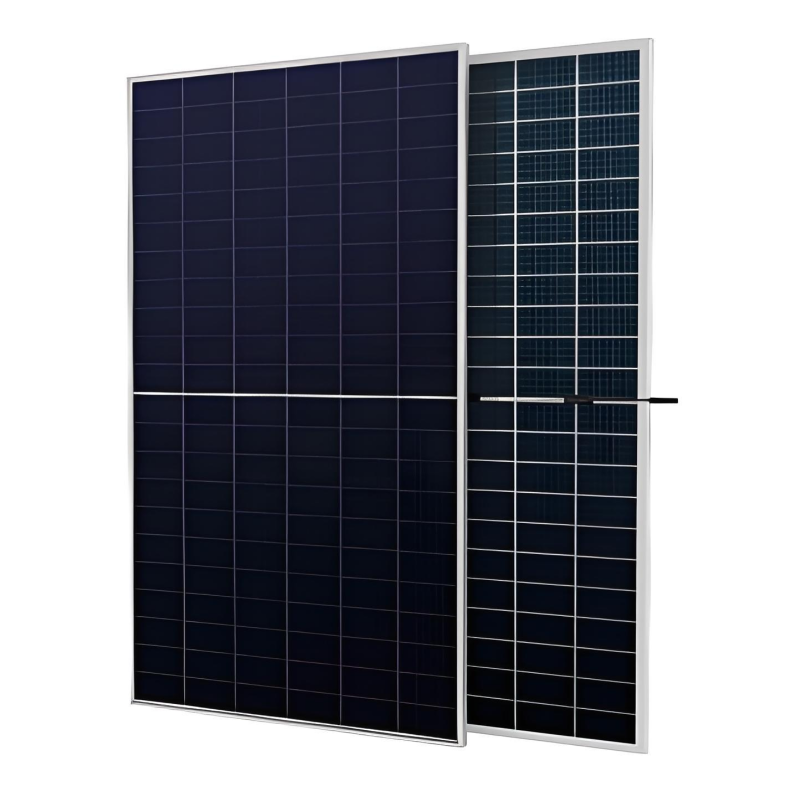
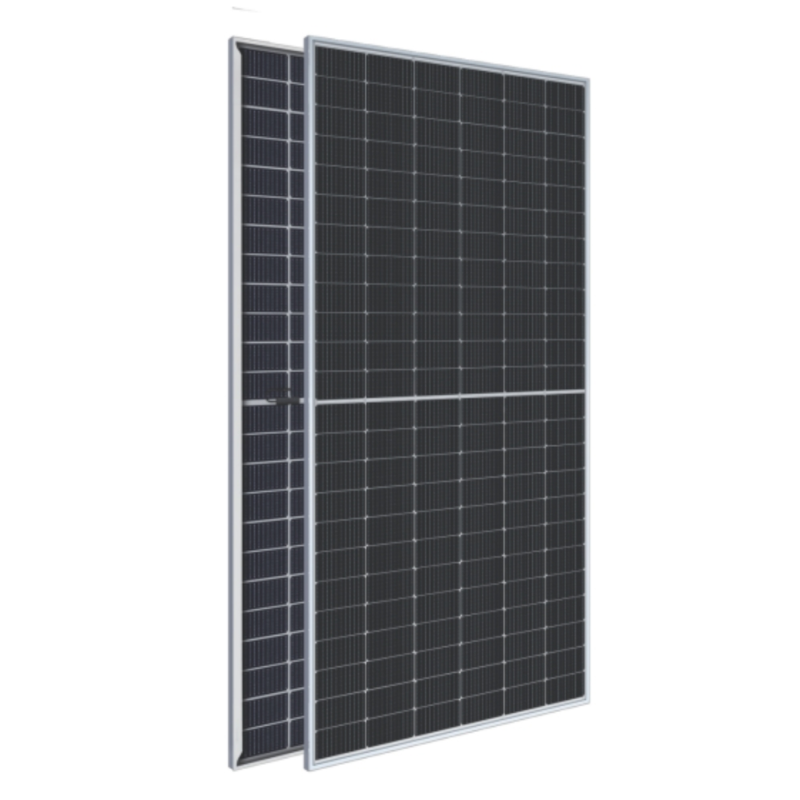
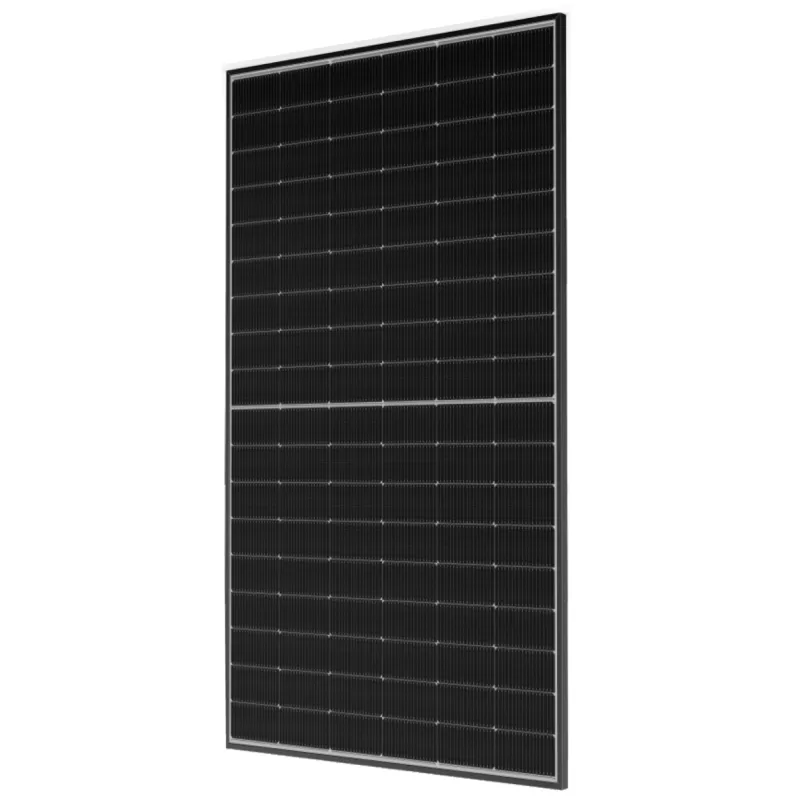
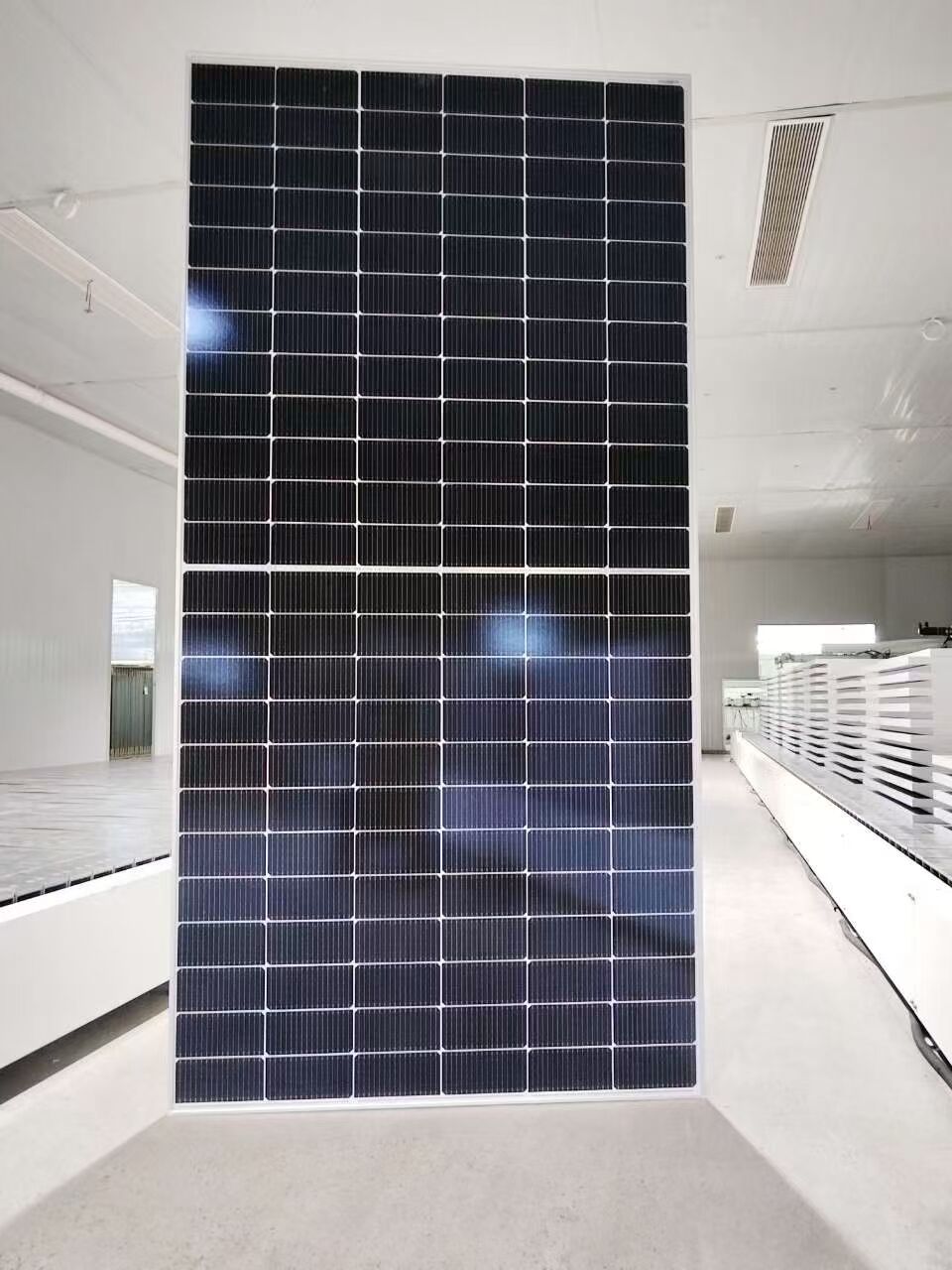
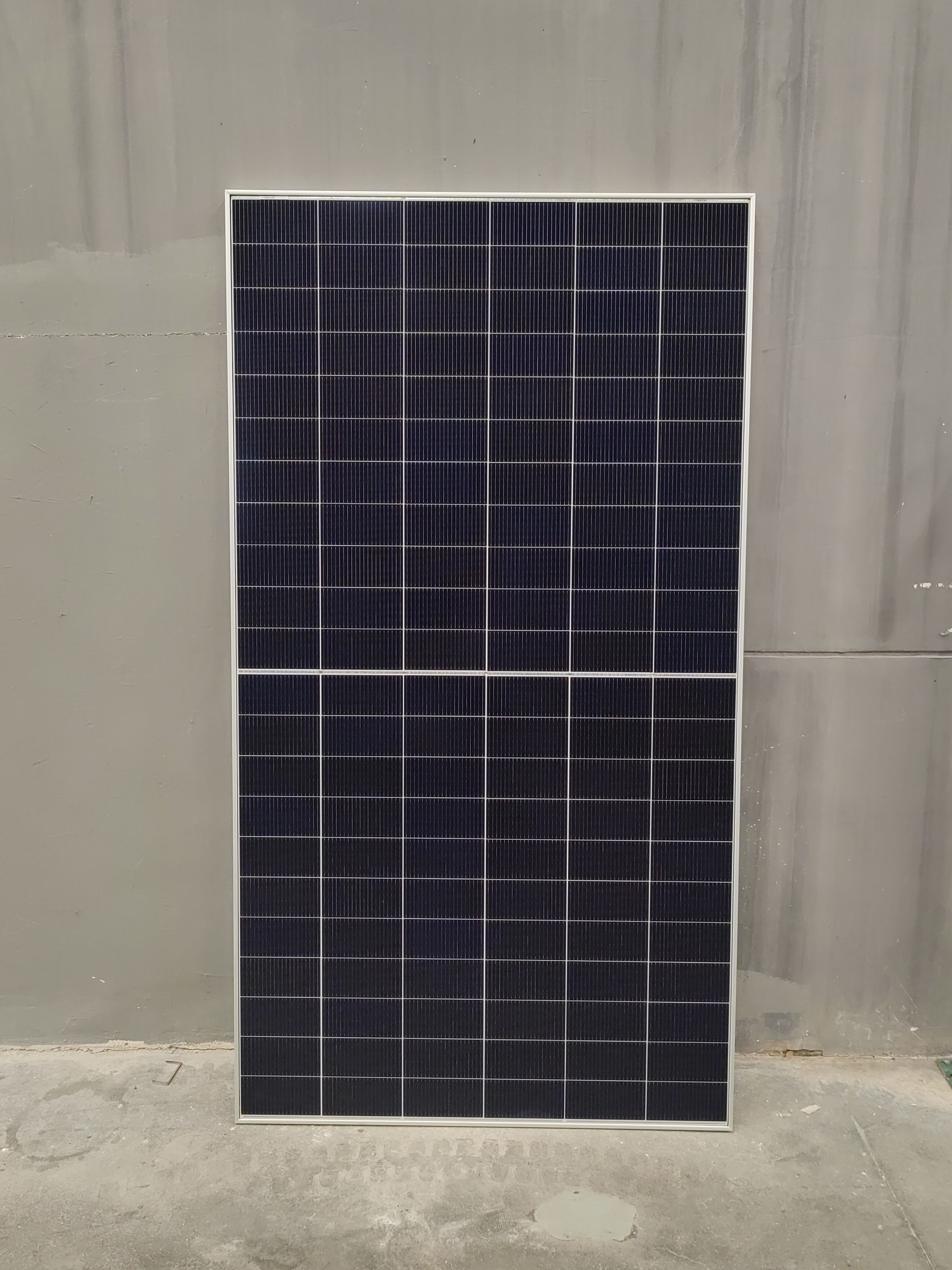
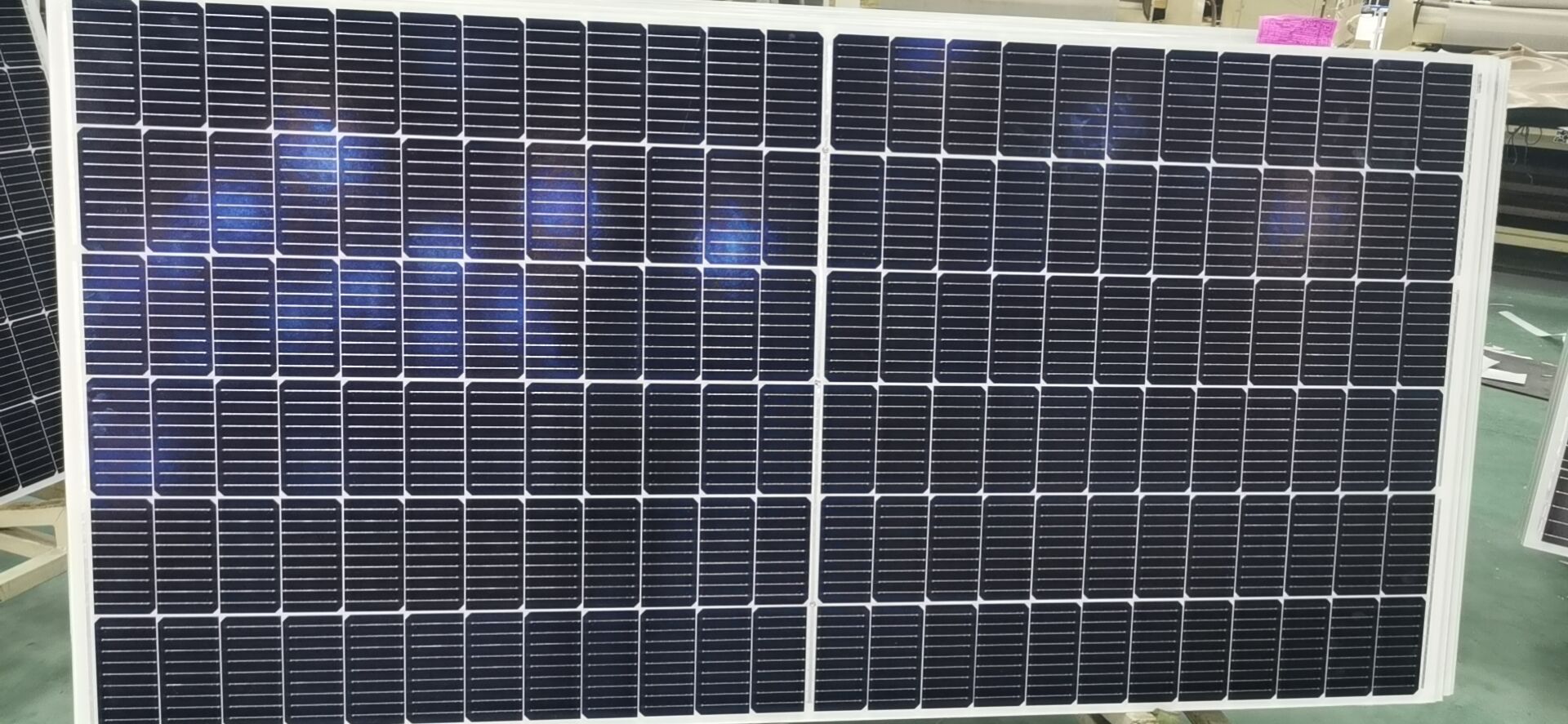
Monocrystalline bifacial solar panels represent a significant advancement in photovoltaic technology, combining the proven efficiency of monocrystalline silicon cells with innovative dual-sided energy capture capabilities. These cutting-edge solar panels feature photovoltaic cells on both the front and rear surfaces, enabling them to harness sunlight from multiple directions and significantly boost overall energy production. The monocrystalline bifacial solar panels utilize high-purity silicon crystals arranged in a uniform structure, creating an optimal foundation for superior electrical conductivity and enhanced performance under various environmental conditions. The primary function of these panels centers on maximizing solar energy conversion through their unique dual-surface design. The front side captures direct sunlight, while the rear surface collects reflected and diffused light from surrounding surfaces such as ground, water, or nearby structures. This innovative approach allows monocrystalline bifacial solar panels to achieve energy gains of 10-30% compared to traditional monofacial panels, depending on installation conditions and environmental factors. The technological features of monocrystalline bifacial solar panels include advanced cell interconnection systems, transparent backsheets or glass-on-glass construction, and specialized frame designs that optimize light access to both surfaces. These panels incorporate anti-reflective coatings and textured surfaces to minimize light loss and maximize absorption efficiency. The applications for monocrystalline bifacial solar panels span residential, commercial, and utility-scale installations. They prove particularly effective in ground-mounted systems with reflective surfaces, elevated installations that allow light penetration beneath the panels, and agrivoltaic projects where panels are mounted above agricultural areas. The versatility of monocrystalline bifacial solar panels makes them suitable for diverse geographic locations and climate conditions, from desert regions with high albedo to urban environments with reflective building surfaces.



 EN
EN