Advanced Installation Flexibility and Aesthetic Integration
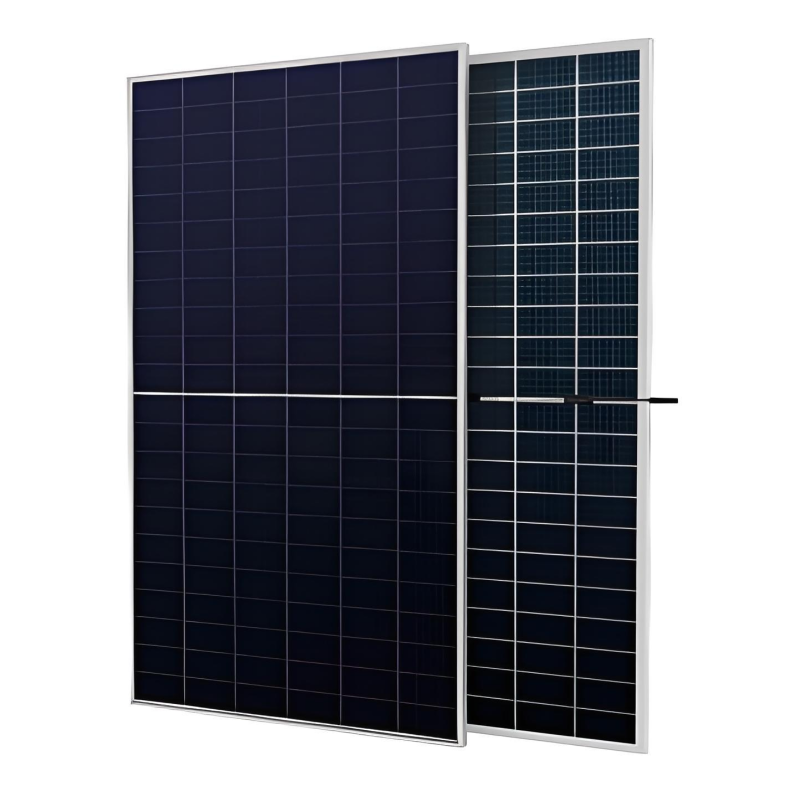
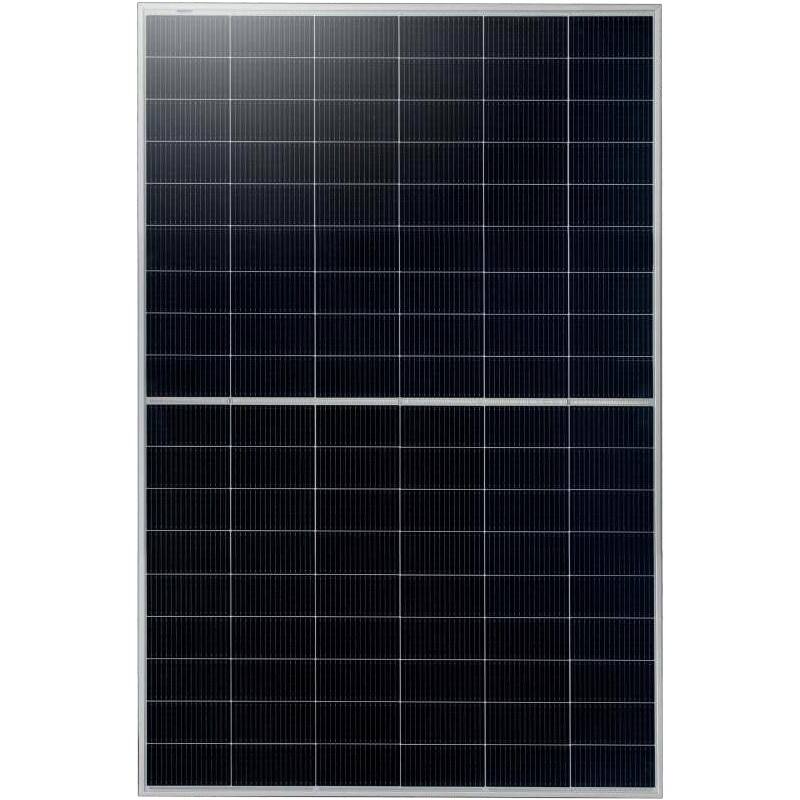
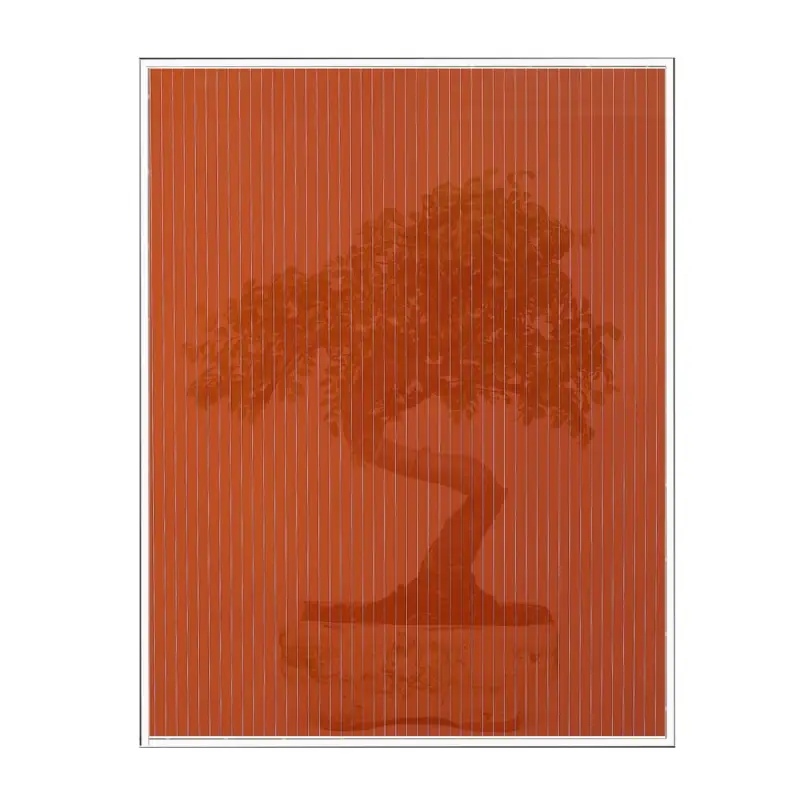
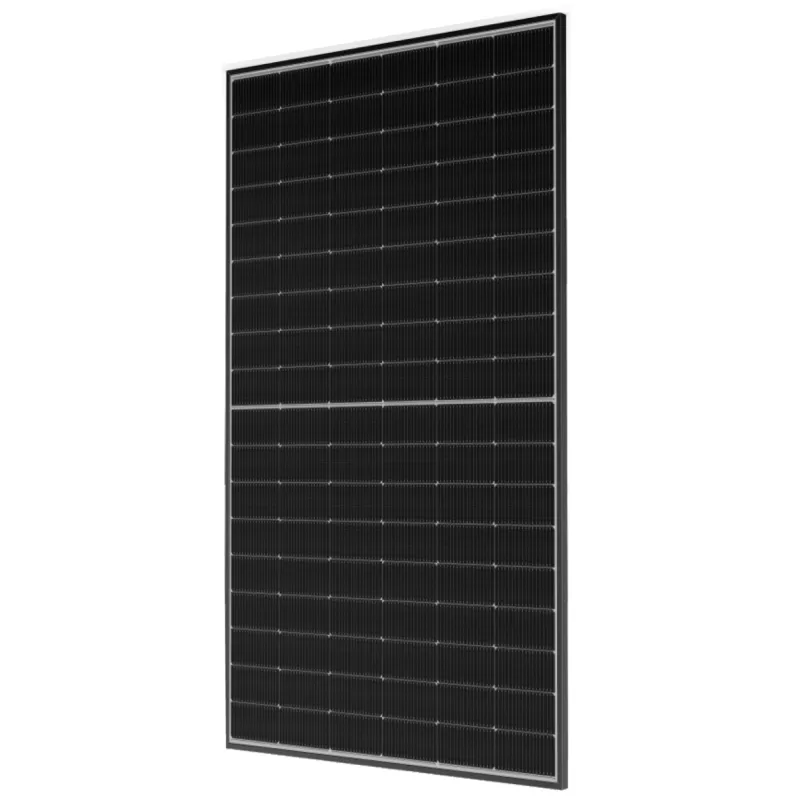
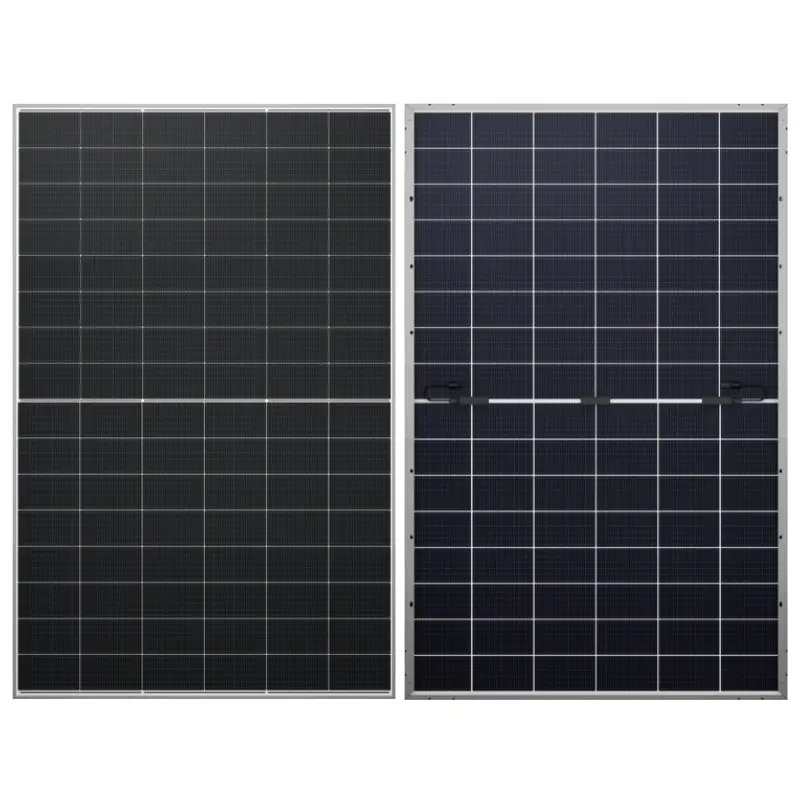
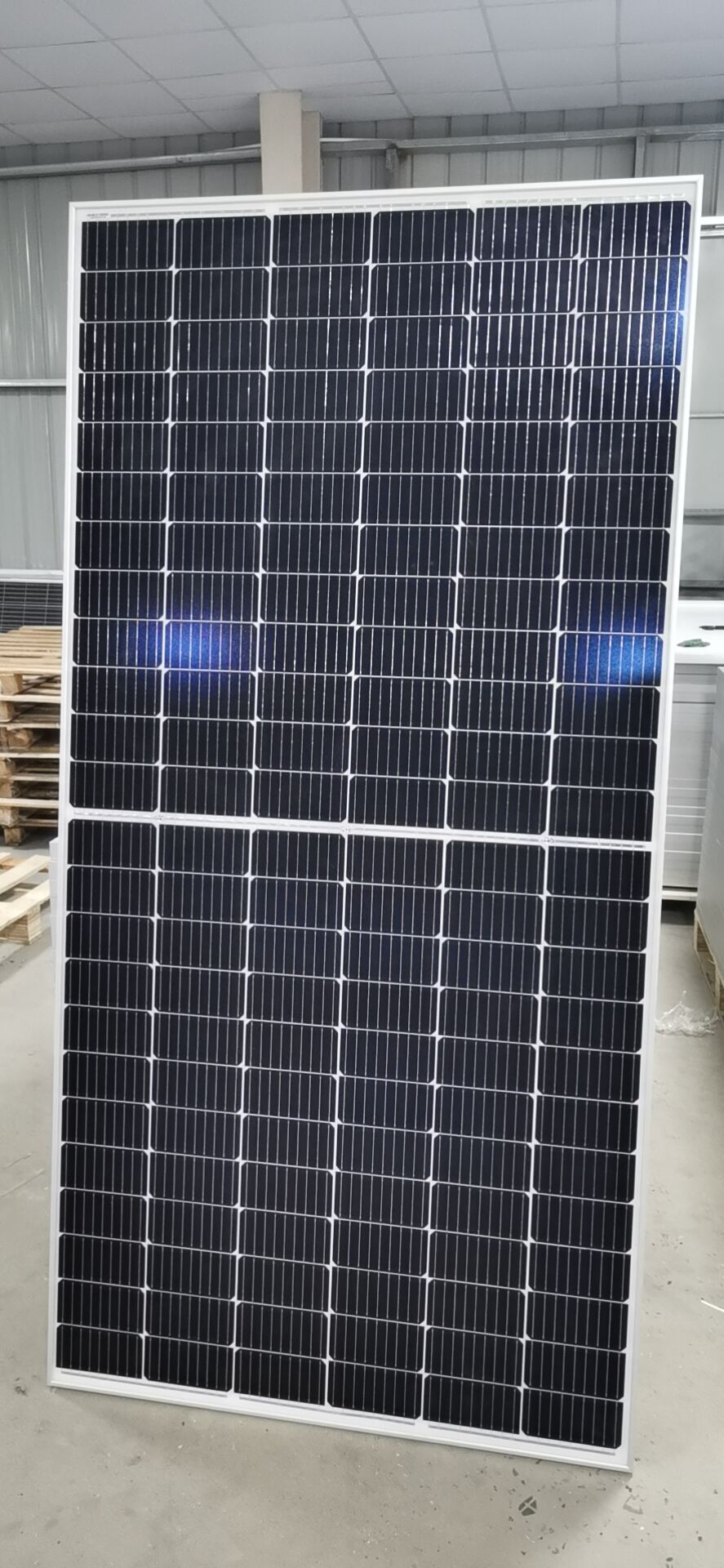
The mono bifacial solar panel offers unprecedented installation versatility that accommodates diverse architectural styles, property configurations, and aesthetic preferences while maximizing energy production potential. This flexibility stems from the panel's ability to generate electricity from both surfaces, allowing installers to optimize positioning for maximum light exposure from multiple sources rather than focusing solely on direct sun orientation. Building-integrated photovoltaic applications become more feasible with these panels, as they can serve dual purposes as both energy generators and architectural elements such as awnings, canopies, pergolas, or facade integrations. The transparent or semi-transparent nature of many mono bifacial solar panel designs enables creative applications where natural light transmission remains important, such as greenhouse installations, carport roofing, or walkway coverings. Vertical installation options prove particularly effective in urban environments where wall-mounted systems can capture both direct sunlight and reflected light from surrounding surfaces, making previously unusable spaces viable for solar energy generation. Ground-mounted installations benefit from elevated tracking systems that allow optimal positioning throughout the day while enabling dual-surface light collection from both sky and ground reflection. The mono bifacial solar panel aesthetic appeal surpasses traditional panels through sleek, modern designs that complement contemporary architecture without compromising building visual appeal. Color options and frame finishes can be customized to match specific architectural requirements, making these panels suitable for historic districts or design-sensitive installations where appearance matters significantly. Floating solar applications demonstrate exceptional performance due to water surface reflection that dramatically enhances rear-surface energy generation while providing additional benefits such as reduced water evaporation and algae growth suppression. Agrivoltaic systems showcase the technology's ability to provide shade for crops while generating electricity, creating symbiotic relationships between agriculture and renewable energy production. The mono bifacial solar panel mounting flexibility extends to various roof types including metal, tile, flat, and pitched surfaces, with specialized mounting hardware available for each application type. Integration with smart home systems and energy management platforms enables advanced monitoring and optimization of dual-surface energy production, providing property owners with detailed performance insights and automated system adjustments.


 EN
EN