Smart Integration and Future-Ready Technology
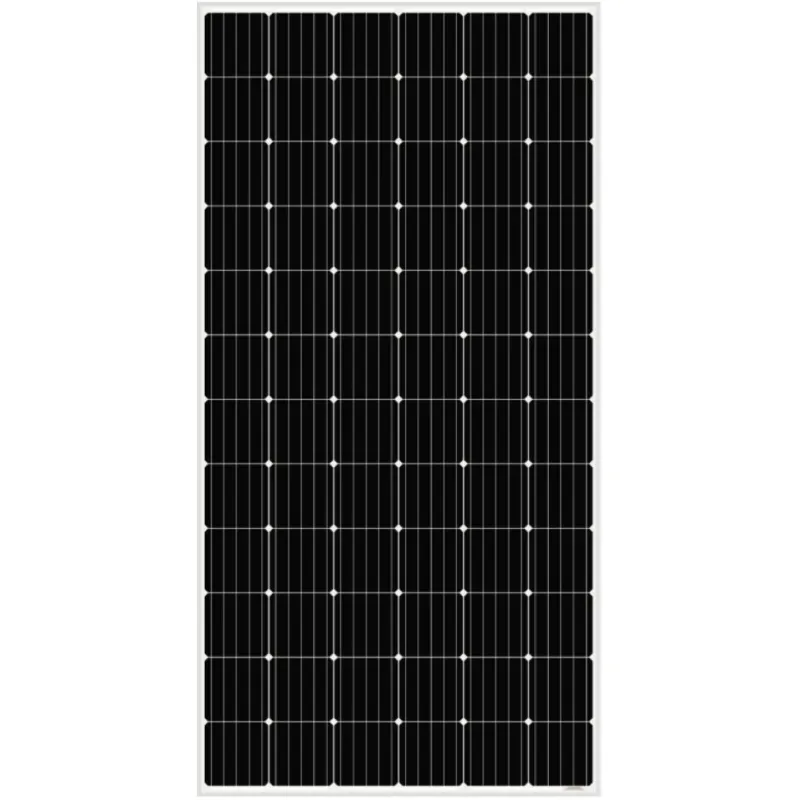
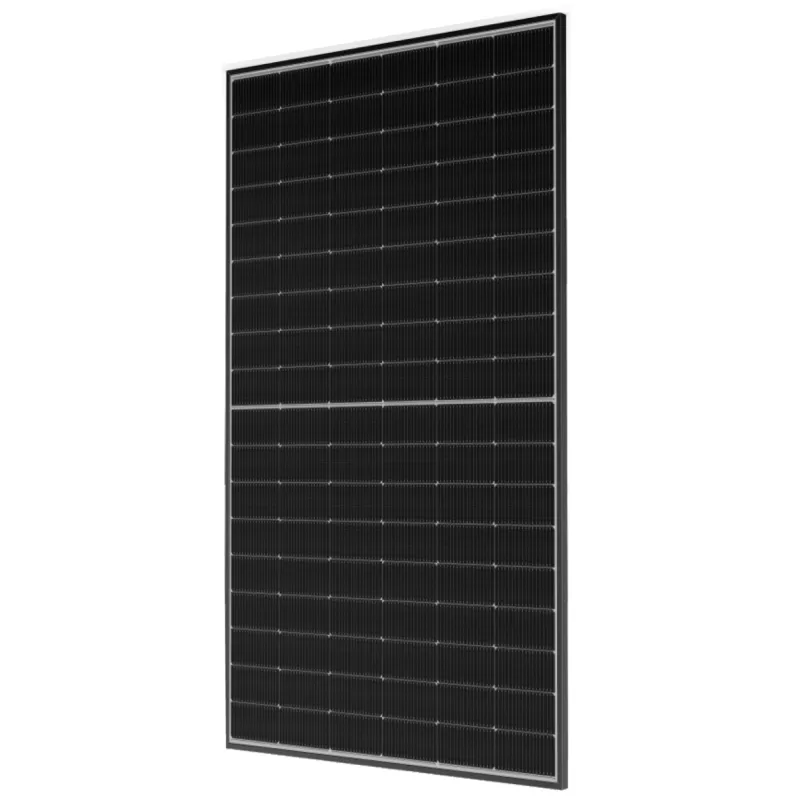
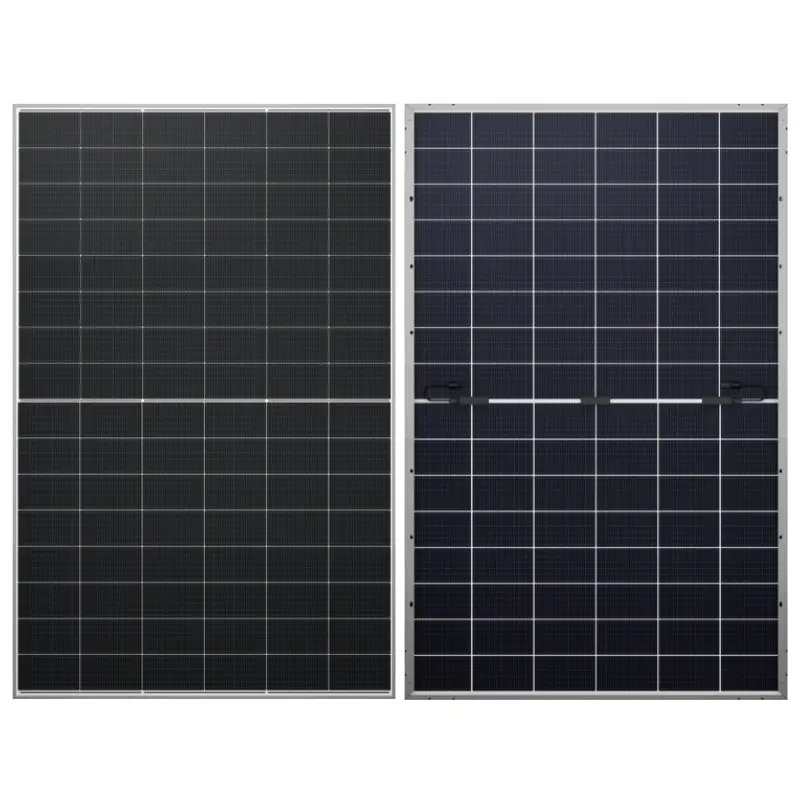
Contemporary domestic PV solar panels seamlessly integrate with smart home ecosystems and energy management technologies, providing homeowners with unprecedented control over their energy production, consumption, and storage capabilities. Advanced monitoring systems utilize wireless communication protocols to track real-time performance data, including individual panel output, system efficiency metrics, and environmental conditions that affect energy generation throughout the day. Mobile applications enable remote monitoring and control capabilities, allowing homeowners to optimize energy usage patterns, schedule high-consumption activities during peak production hours, and receive automated alerts regarding system performance or maintenance requirements. Battery storage compatibility ensures domestic PV solar panels can work effectively with lithium-ion energy storage systems, enabling homeowners to store excess daytime production for evening use or emergency backup power during grid outages. Grid-tie capabilities with smart inverter technology provide advanced grid support functions including voltage regulation, frequency response, and reactive power compensation that enhance overall electrical grid stability and reliability. Energy management integration coordinates domestic PV solar panels with smart appliances, electric vehicle charging stations, and home automation systems to maximize self-consumption and minimize grid dependence during peak rate periods. Predictive analytics utilize weather forecasting data and historical performance patterns to optimize energy storage decisions and consumption scheduling, maximizing economic benefits from time-of-use utility rate structures. Scalability features allow domestic PV solar panels to accommodate future expansion through modular system designs that support additional panels, battery storage upgrades, or electric vehicle integration without requiring complete system redesign or replacement. Micro-inverter technology enables individual panel optimization and monitoring, ensuring maximum energy harvest from each domestic PV solar panel regardless of varying shading conditions or panel orientations across complex roof structures. Future-proofing capabilities ensure compatibility with emerging smart grid technologies, vehicle-to-grid systems, and distributed energy resource programs that will become increasingly important as utility infrastructure evolves toward renewable energy integration and grid modernization initiatives that benefit early adopters of solar technology.

 EN
EN


