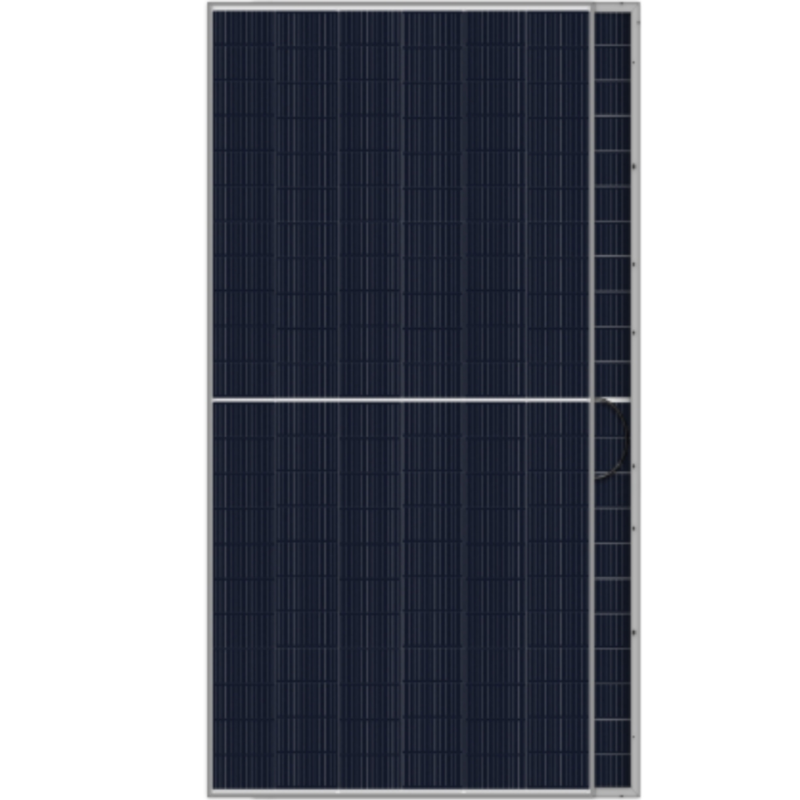
Versatile Installation and Integration Capabilities
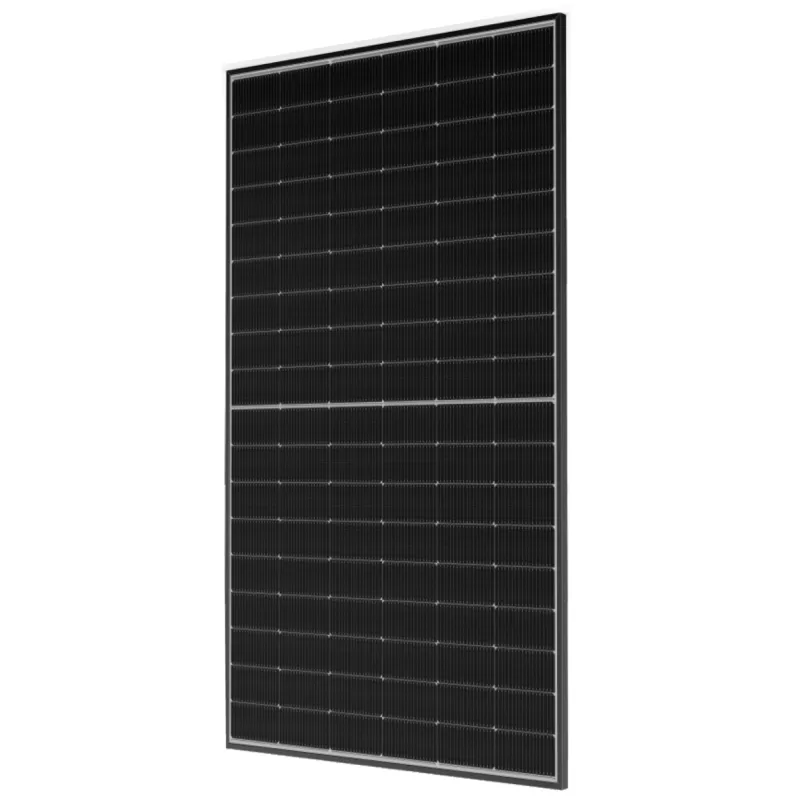
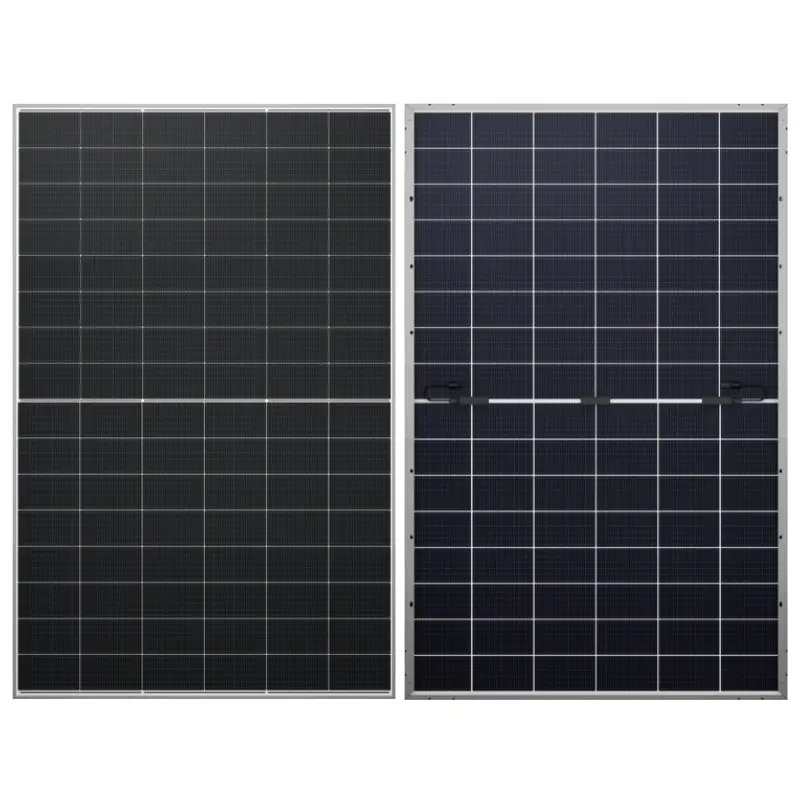
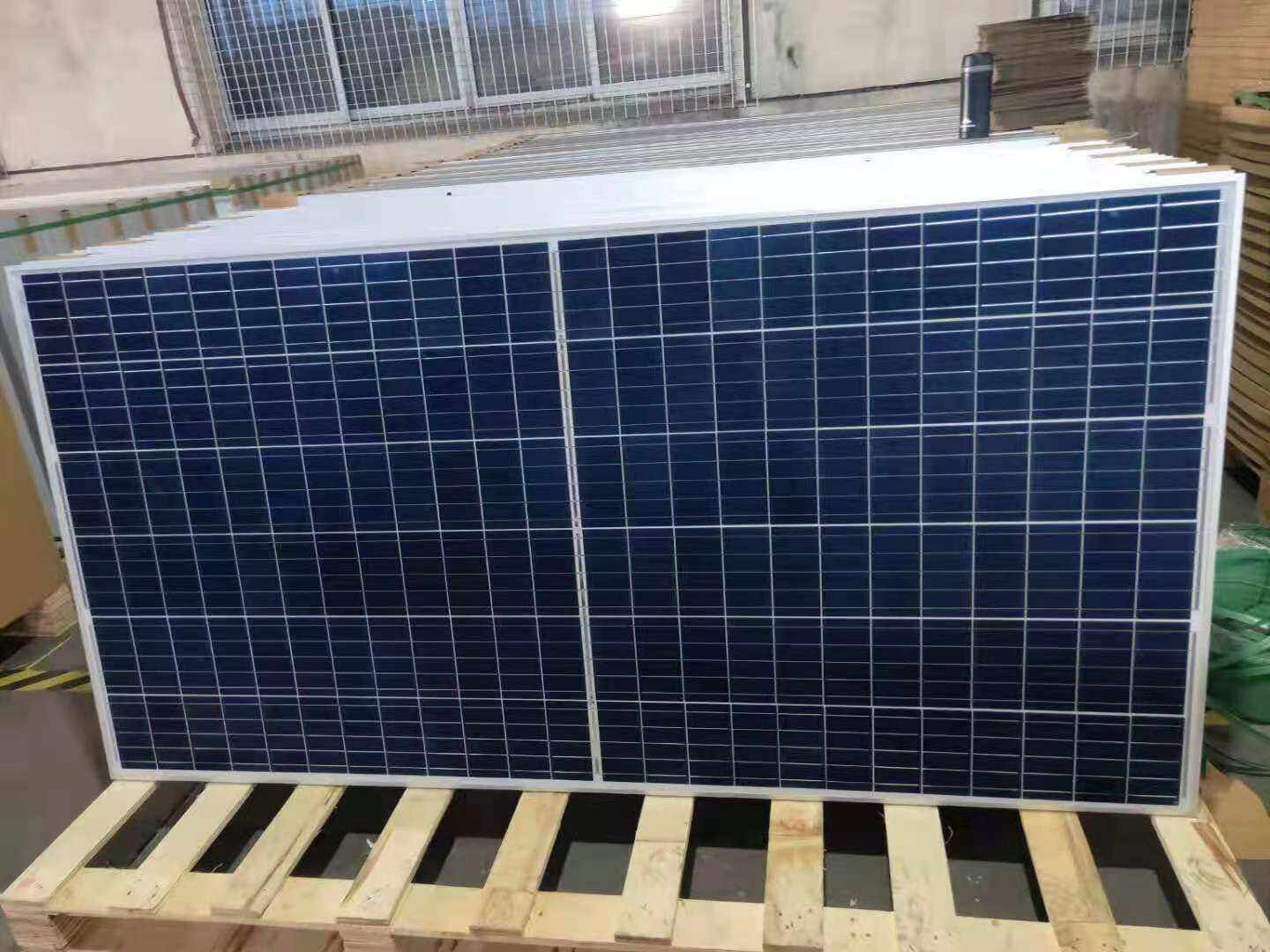
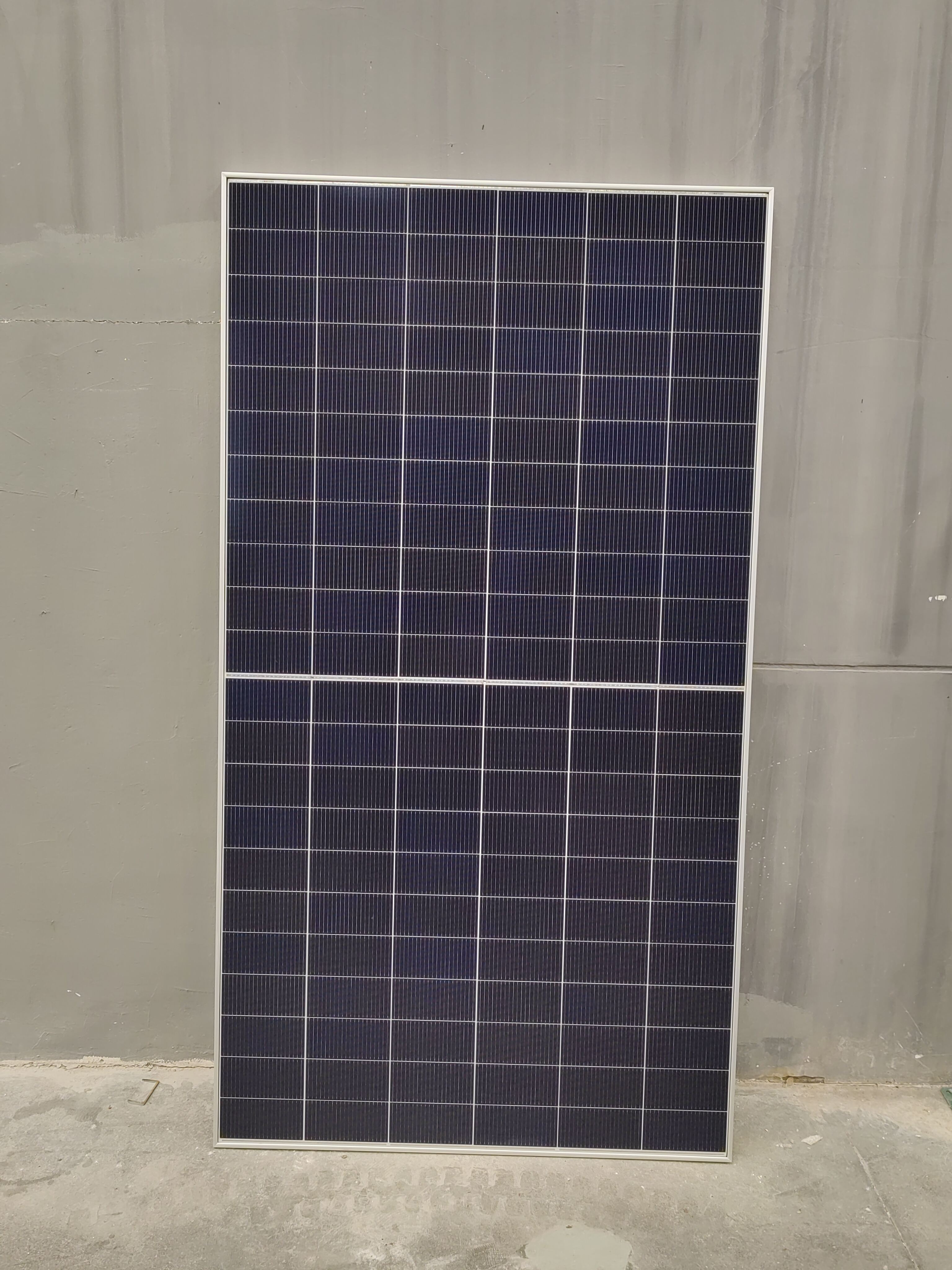
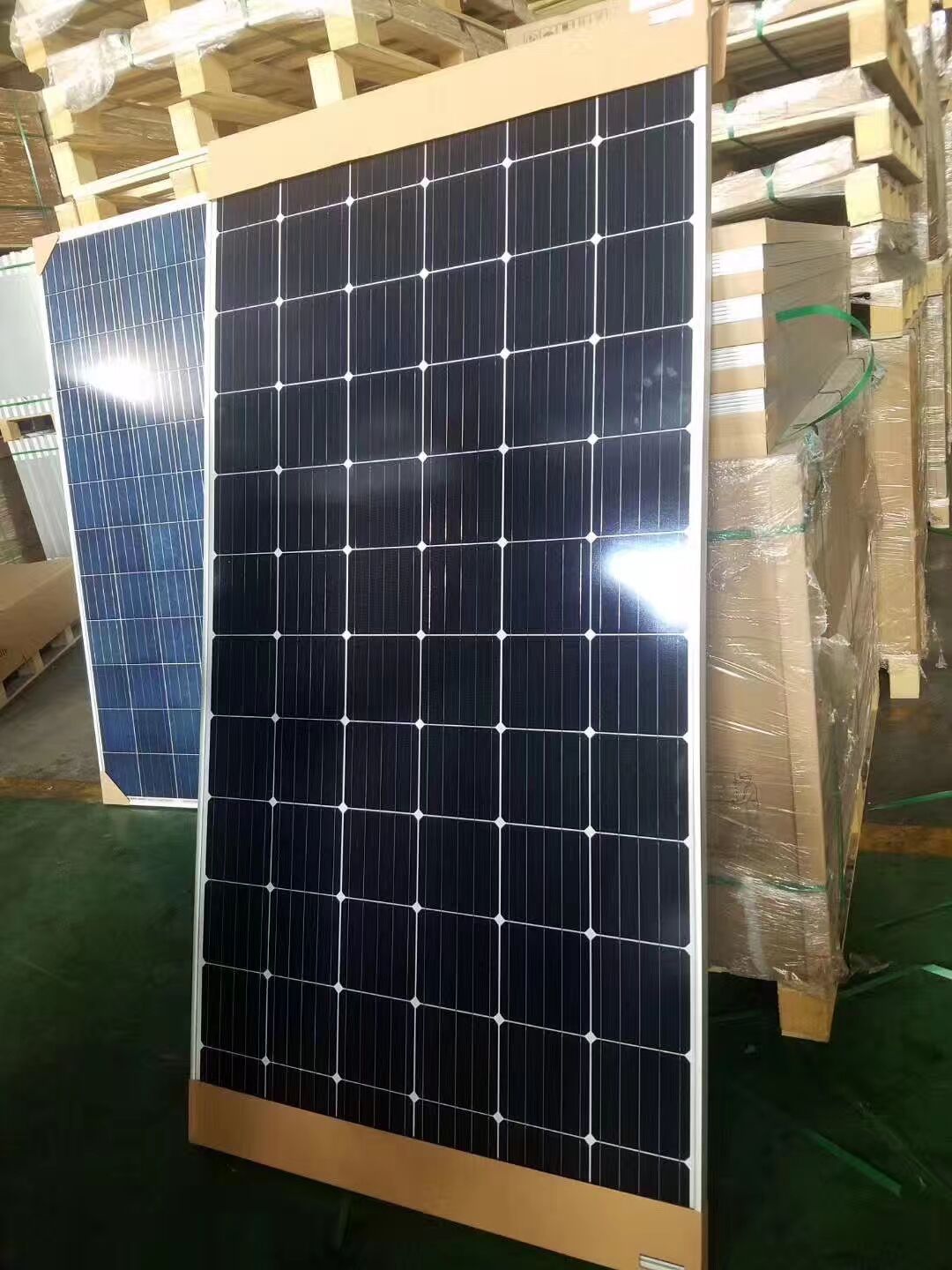
The polycrystalline pv module offers unmatched installation versatility through standardized dimensions and connection systems that accommodate diverse mounting configurations across residential, commercial, and utility applications. This adaptability stems from careful engineering that considers various roof types, ground-mount systems, and tracking installations while maintaining consistent electrical and mechanical specifications. Rooftop installations benefit from lightweight construction that minimizes structural load requirements, allowing polycrystalline pv modules to install safely on most existing buildings without costly reinforcement modifications. The standard framing system accepts multiple mounting hardware options, including rail-based systems, direct-attach mechanisms, and ballasted configurations suitable for flat commercial roofs. Ground-mount applications leverage the modular design flexibility of polycrystalline pv modules to create optimized array configurations that maximize land utilization while accommodating site constraints such as shading, drainage, and access requirements. Grid integration capabilities ensure seamless connection to existing electrical infrastructure through standardized output characteristics that interface efficiently with string inverters, power optimizers, and microinverter systems. The electrical specifications of polycrystalline pv modules align with industry standards, simplifying system design and component selection while ensuring compatibility with monitoring systems and safety equipment. Installation teams appreciate the consistent handling characteristics and connection procedures that reduce training requirements and installation time compared to non-standardized alternatives. Scalability advantages allow polycrystalline pv module systems to expand incrementally as energy needs grow or budgets allow, providing flexibility for phased installation approaches. The performance monitoring integration enables real-time system oversight through wireless communication protocols that track individual module output, environmental conditions, and system health parameters. Maintenance accessibility features include clearly marked positive and negative terminals, bypass diode indicators, and junction box designs that facilitate troubleshooting and service procedures. String configuration flexibility allows electrical designers to optimize system voltage and current characteristics to match inverter specifications while accommodating shading patterns and module placement constraints. The proven integration history of polycrystalline pv modules with existing electrical codes and utility interconnection requirements streamlines permitting processes and reduces project approval timelines.

 EN
EN