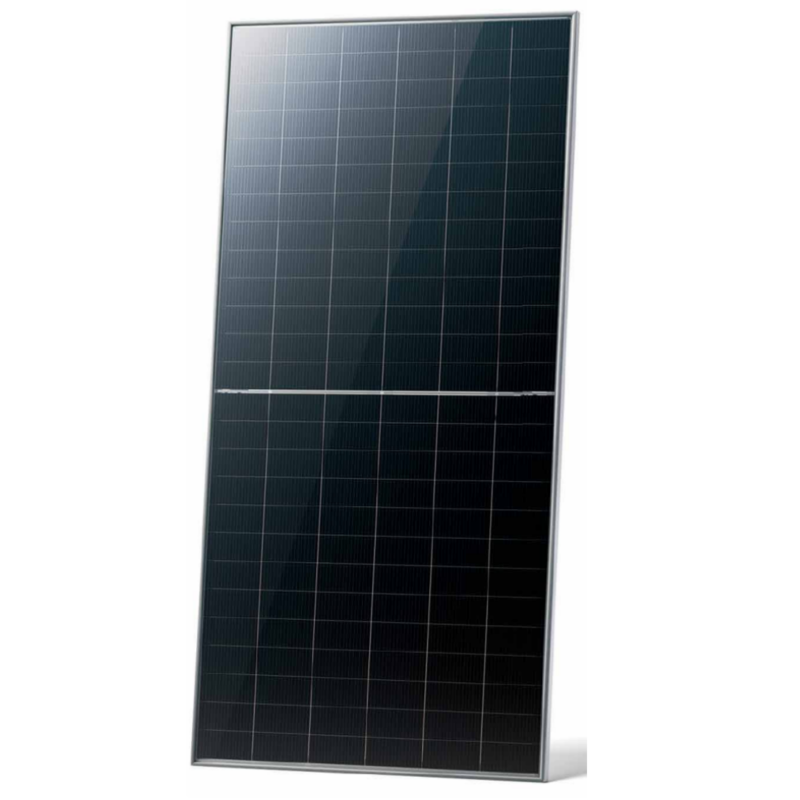
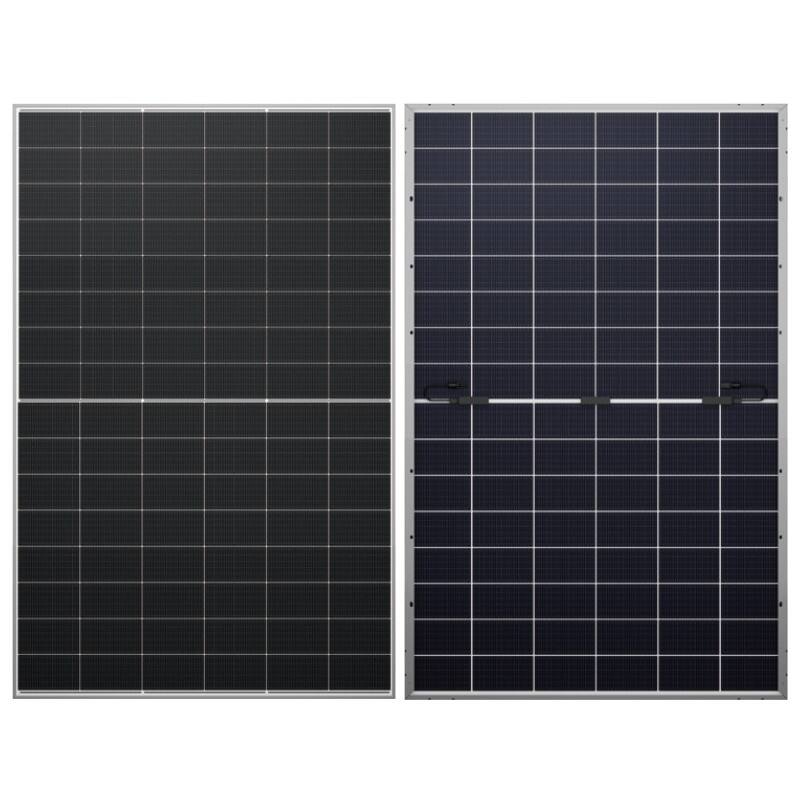
24v pv solar panels
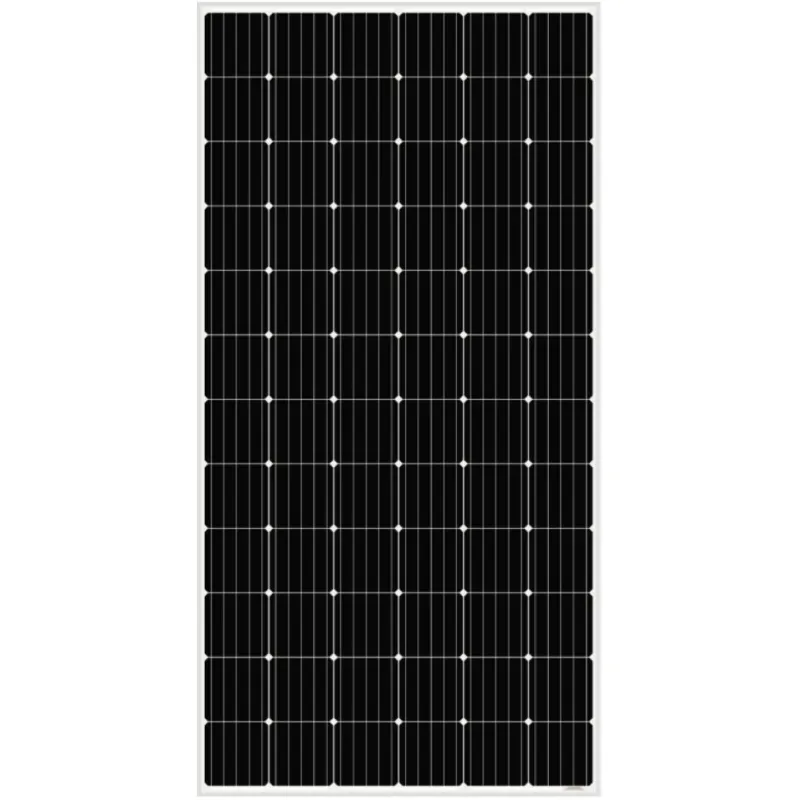
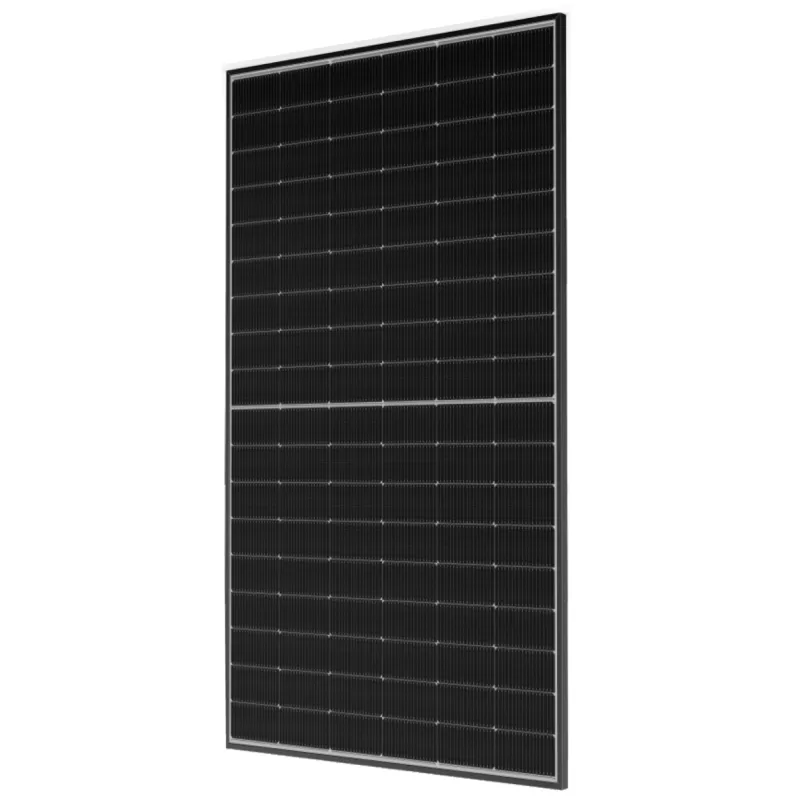
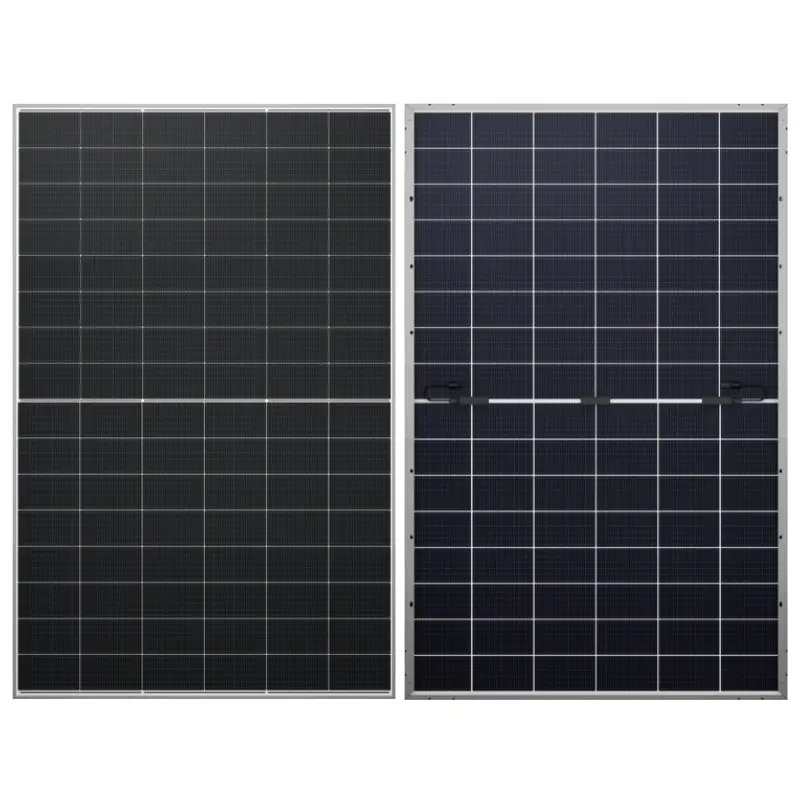
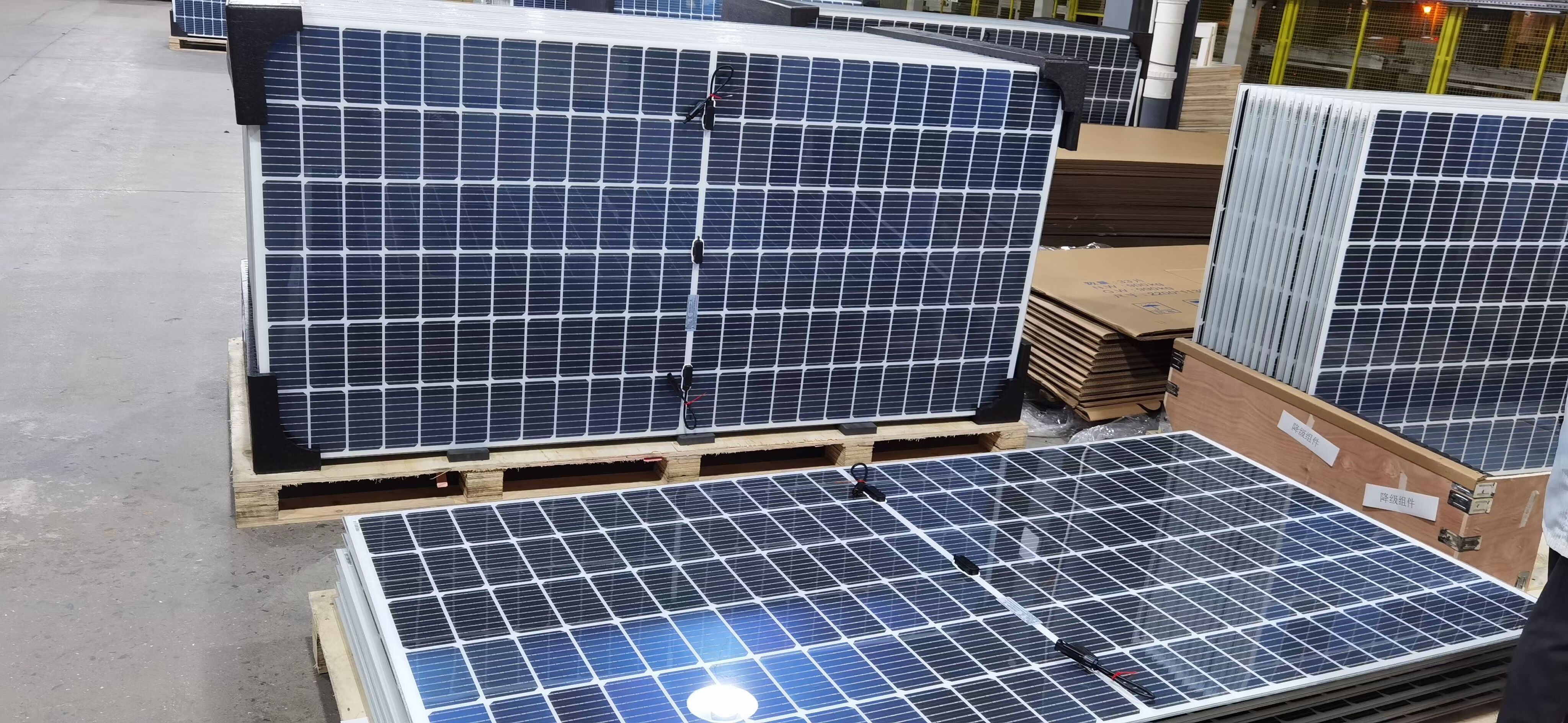
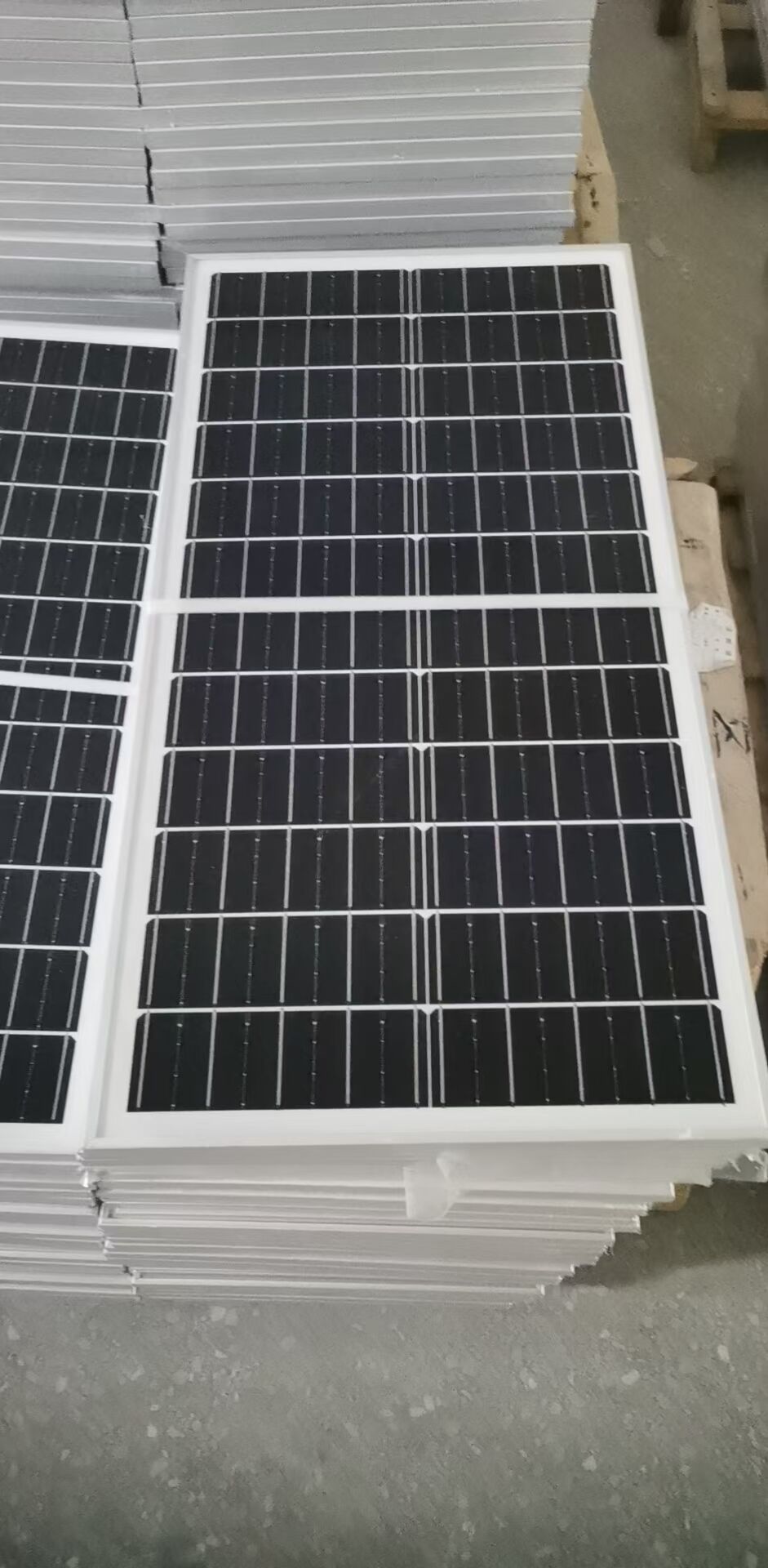
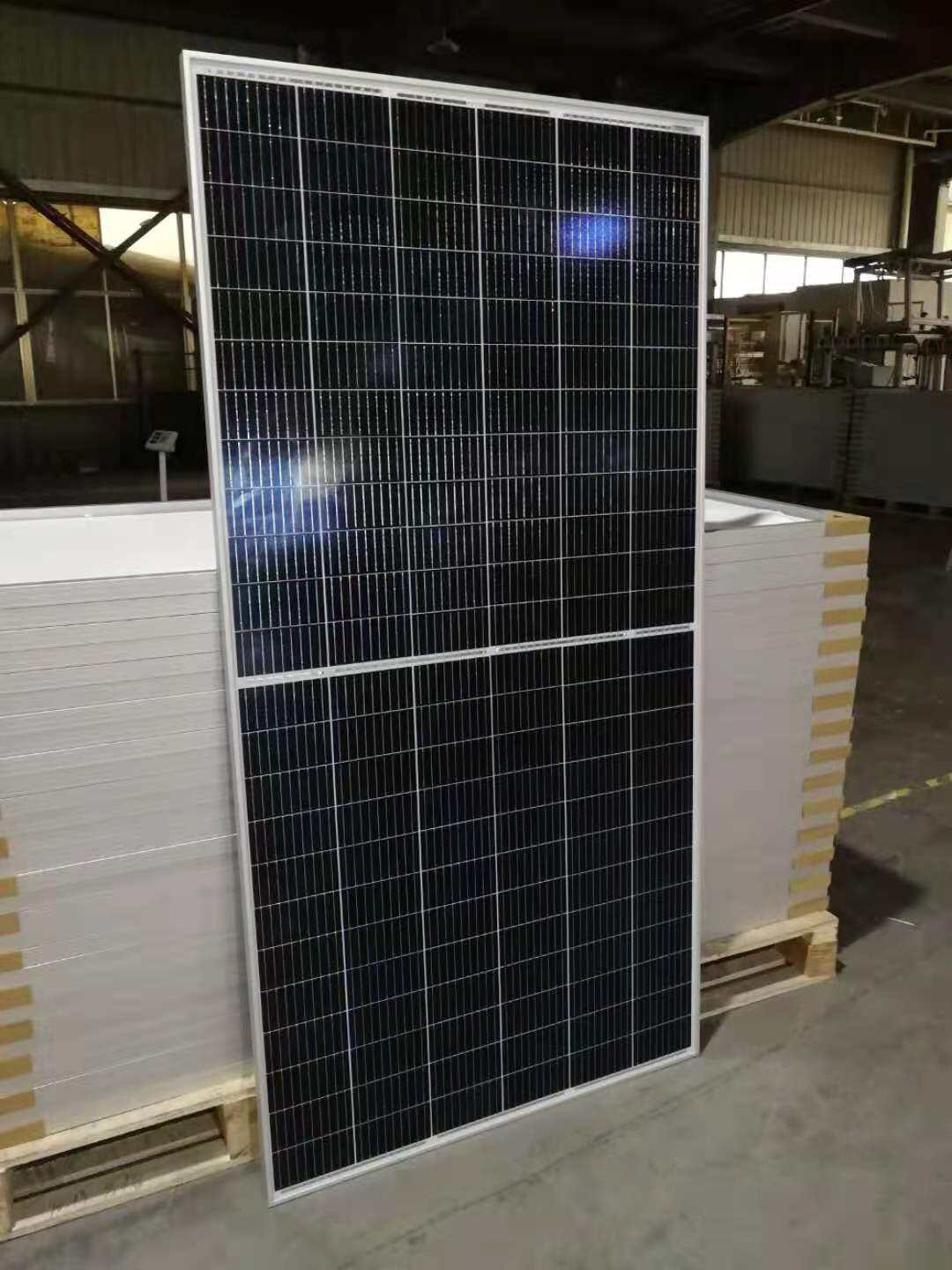
The 24v pv solar panels represent a sophisticated advancement in renewable energy technology, designed to deliver reliable electricity generation for medium to large-scale applications. These photovoltaic modules operate at a nominal voltage of 24 volts, making them ideal for systems requiring higher power output compared to traditional 12-volt configurations. The core functionality of 24v pv solar panels centers on converting sunlight into direct current electricity through advanced silicon cell technology, typically incorporating either monocrystalline or polycrystalline semiconductor materials. Each panel consists of multiple solar cells connected in series to achieve the desired voltage output, with built-in bypass diodes protecting against partial shading effects. The technological architecture includes tempered glass surfaces for maximum light transmission and weather protection, aluminum frames ensuring structural integrity, and ethylene vinyl acetate encapsulation preserving cell longevity. These panels feature positive power tolerance ratings, meaning actual power output often exceeds nameplate specifications. Temperature coefficients are optimized to maintain performance across varying climate conditions, while anti-reflective coatings maximize photon absorption. The electrical characteristics include maximum power voltage typically ranging from 30 to 36 volts, with short-circuit currents varying based on panel wattage. Applications span residential installations requiring grid-tie systems, commercial rooftop arrays, off-grid cabin power systems, RV installations, boat electrical systems, and backup power solutions. The 24v pv solar panels excel in battery charging applications, particularly for lithium-ion and lead-acid battery banks. Agricultural applications include water pumping systems, livestock watering, and remote monitoring equipment. Industrial uses encompass telecommunications towers, traffic control systems, and remote sensing installations where reliable power generation remains critical for continuous operation.



 EN
EN