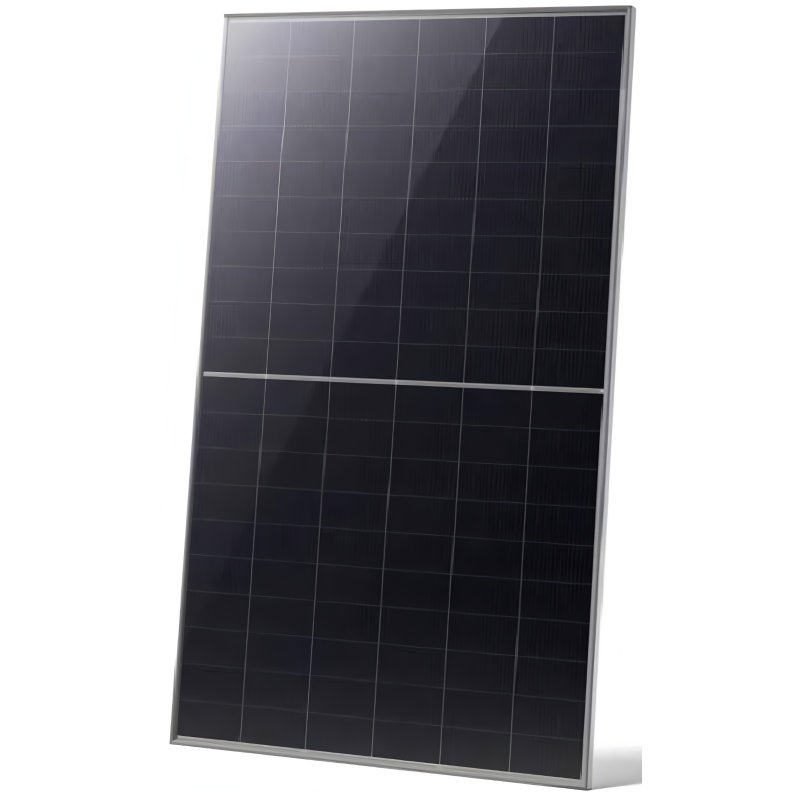
Bifacial vs Monofacial Solar Panel: Complete Performance Comparison Guide 2024

Get a Free Quote

Our representative will contact you soon.
Email
Name
Company Name
Message
0/1000

bifacial vs monofacial solar panel

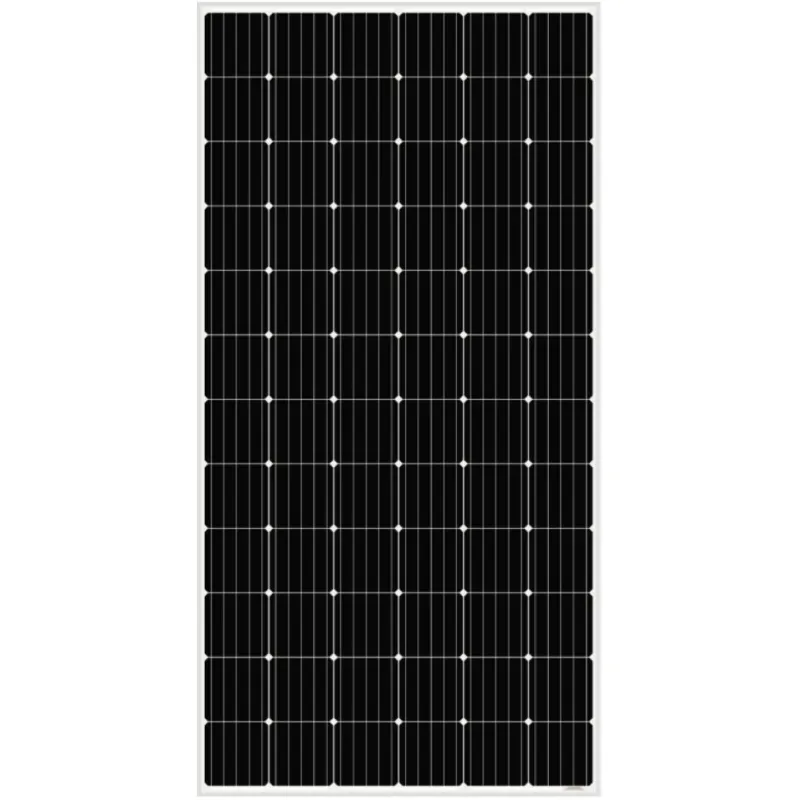
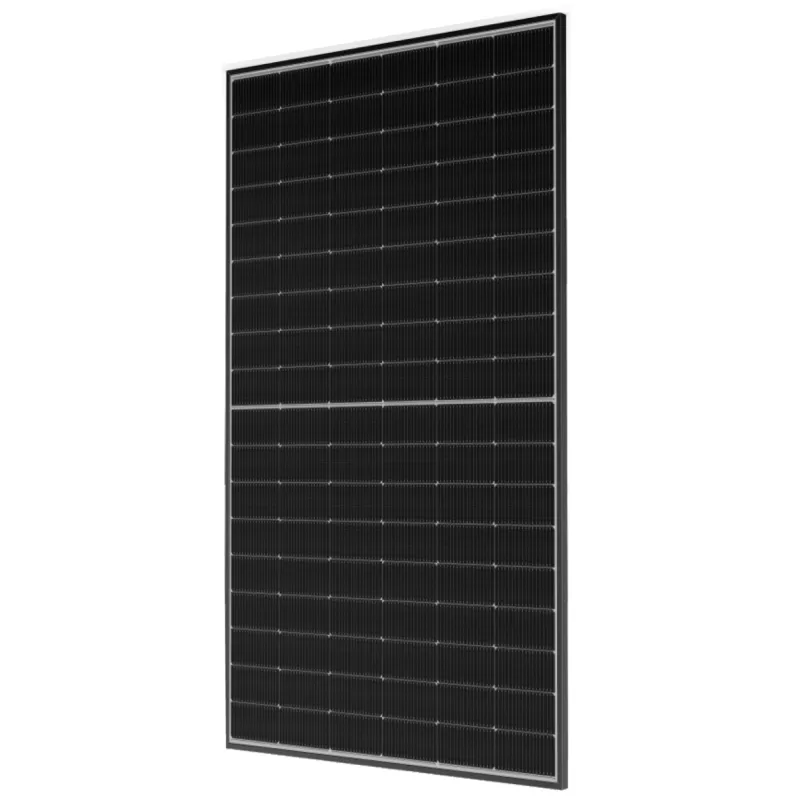
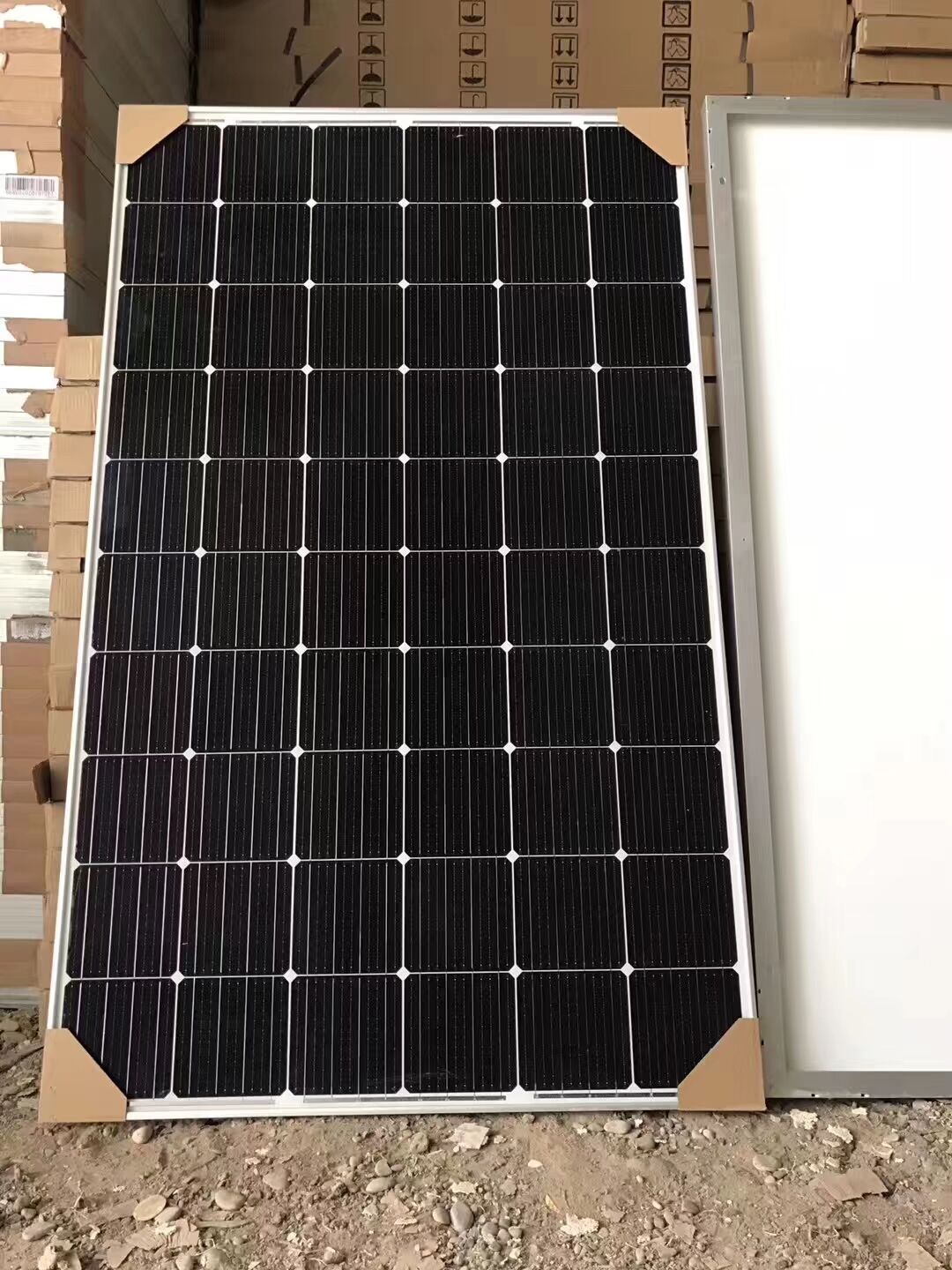
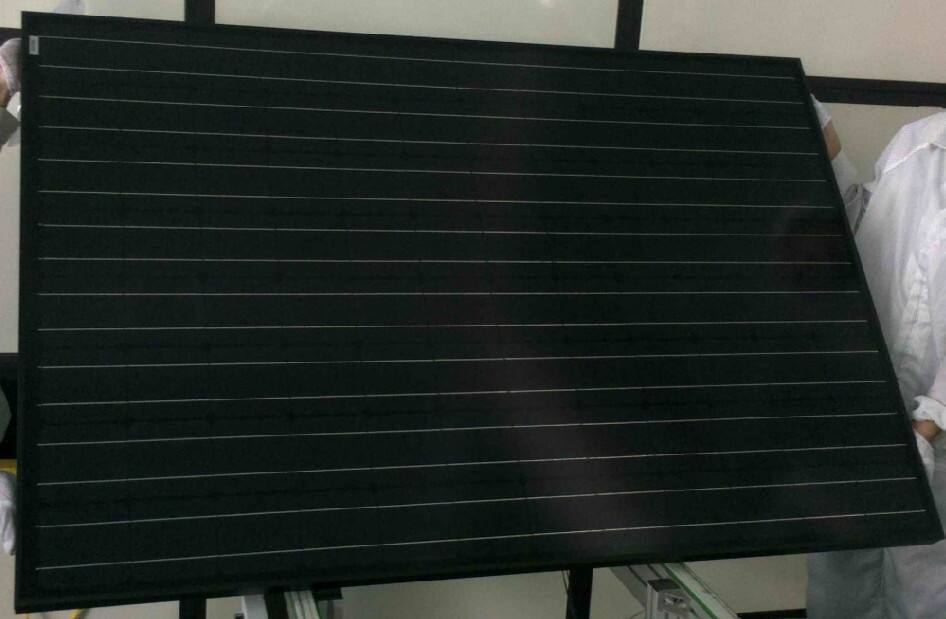
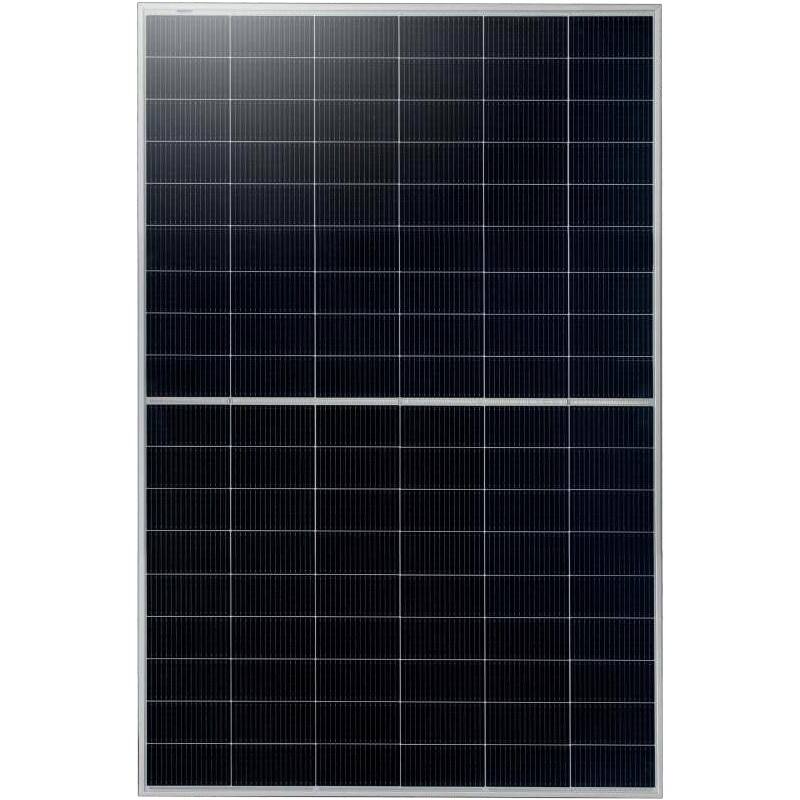
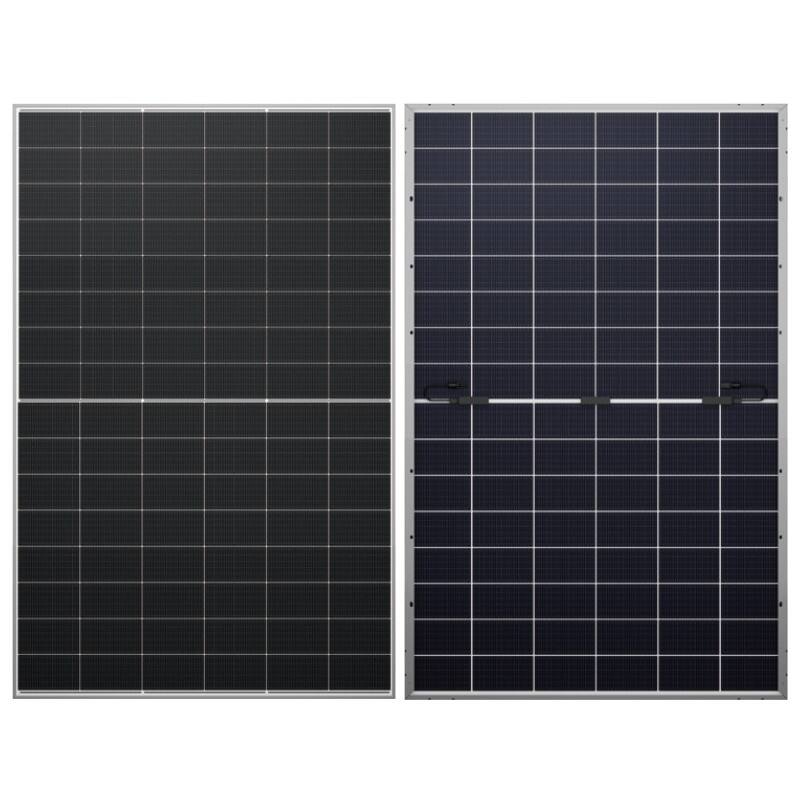
Understanding the fundamental differences between bifacial vs monofacial solar panel technologies is crucial for making informed decisions about solar energy investments. Monofacial solar panels represent the traditional approach to photovoltaic technology, featuring photovoltaic cells on one side only. These panels capture sunlight exclusively through their front surface, converting solar radiation into electrical energy through silicon-based cells. The rear side of monofacial panels typically contains a protective backsheet that prevents light penetration, limiting energy generation to direct sunlight exposure. Bifacial vs monofacial solar panel comparison reveals significant technological distinctions. Bifacial panels incorporate photovoltaic cells on both front and rear surfaces, enabling dual-sided energy capture. This innovative design allows bifacial panels to harness reflected light from surrounding surfaces, including ground reflection, nearby buildings, and snow coverage. The transparent or semi-transparent backing material in bifacial panels replaces traditional backsheets, facilitating light penetration through the rear surface. Key technological features distinguish bifacial vs monofacial solar panel systems. Monofacial panels utilize aluminum frames with opaque backing, while bifacial panels employ specialized mounting systems that maximize rear-side exposure. Glass-on-glass construction in bifacial panels provides enhanced durability compared to glass-polymer configurations in monofacial alternatives. Applications for both technologies vary significantly. Monofacial panels excel in residential rooftop installations where rear-side light access remains limited. Commercial ground-mounted arrays benefit substantially from bifacial technology due to increased albedo effect opportunities. Utility-scale projects increasingly favor bifacial solutions for their superior energy yield potential. Agricultural installations utilize bifacial panels in agrivoltaic systems, combining crop production with energy generation. The bifacial vs monofacial solar panel decision impacts system design, mounting requirements, and long-term performance expectations. Installation considerations include ground clearance, surface reflectivity, and orientation optimization for maximizing energy production from both panel types.

New Product Releases

The advantages of choosing between bifacial vs monofacial solar panel technologies depend heavily on specific installation conditions and energy requirements. Bifacial panels deliver superior energy generation capabilities, producing 10-30% more electricity than comparable monofacial systems under optimal conditions. This increased output stems from their ability to capture reflected sunlight from surfaces beneath and around the installation area. Ground-mounted bifacial systems particularly excel when installed over reflective surfaces like white gravel, concrete, or natural snow coverage. The enhanced energy yield translates directly into improved return on investment for property owners seeking maximum electricity production per square meter of installation space. Cost-effectiveness analysis reveals compelling advantages for bifacial vs monofacial solar panel investments. While bifacial panels command higher upfront costs, their increased energy production often justifies the premium pricing through accelerated payback periods. The additional electricity generation reduces the total number of panels required to meet specific energy goals, potentially offsetting higher per-panel costs. Long-term financial benefits include reduced levelized cost of electricity and enhanced property values through superior renewable energy infrastructure. Durability represents another significant advantage in the bifacial vs monofacial solar panel comparison. Bifacial panels typically feature glass-on-glass construction, providing superior weather resistance and longevity compared to traditional glass-polymer configurations. This robust construction withstands harsh environmental conditions, including extreme temperatures, humidity, and mechanical stress. Extended warranty periods often accompany bifacial panels, reflecting manufacturer confidence in their long-term performance. Monofacial panels offer distinct advantages in specific applications. Their simpler design reduces installation complexity and mounting requirements. Rooftop installations with limited rear-side light access benefit from monofacial technology's cost-effective approach. The mature manufacturing base for monofacial panels ensures widespread availability and competitive pricing. Installation flexibility allows monofacial panels to perform effectively in various orientations without requiring specialized mounting systems. Maintenance considerations favor both technologies differently. Bifacial panels require attention to rear-side cleanliness for optimal performance, while monofacial systems focus solely on front surface maintenance. The bifacial vs monofacial solar panel choice ultimately depends on balancing energy goals, budget constraints, installation conditions, and long-term objectives for sustainable energy generation.

Latest News

Why is the half cell solar panel the current standard for B2Bsolar?

23

Dec

Why is the half cell solar panel the current standard for B2Bsolar?

The solar industry has witnessed remarkable technological evolution over the past decade, with the half cell solar panel emerging as the dominant choice for B2B applications. This advanced photovoltaic technology has fundamentally transformed how bus...
View More
How to choose a high-performance half cell solar panel forrooftop?

23

Dec

How to choose a high-performance half cell solar panel forrooftop?

Selecting the right solar panel technology for your rooftop installation represents one of the most critical decisions in your renewable energy journey. Among the various solar panel innovations available today, half cell solar panel technology stand...
View More
How to maintain half cell solar panels to prevent local hot spots?

23

Dec

How to maintain half cell solar panels to prevent local hot spots?

Maintaining half cell solar panels properly is crucial for preventing local hot spots that can significantly reduce energy output and potentially damage your solar installation. These advanced photovoltaic modules feature innovative cell splitting te...
View More
Why are our half cell solar panels preferred by global distributors2

23

Dec

Why are our half cell solar panels preferred by global distributors2

The global solar energy market has witnessed unprecedented growth, with distributors increasingly seeking advanced photovoltaic solutions that deliver superior performance and reliability. Among the various technologies available, half cell solar pan...
View More

Get a Free Quote

Our representative will contact you soon.
Email
Name
Company Name
Message
0/1000

bifacial vs monofacial solar panel

Revolutionary Dual-Sided Energy Capture Technology

Revolutionary Dual-Sided Energy Capture Technology

The most compelling distinction in the bifacial vs monofacial solar panel comparison lies in the revolutionary dual-sided energy capture capability that bifacial panels bring to modern solar installations. Unlike traditional monofacial panels that rely exclusively on direct sunlight hitting their front surface, bifacial panels harness solar energy from both sides simultaneously, creating a significant technological advantage that transforms how we approach renewable energy generation. This innovative dual-sided approach enables bifacial panels to capture not only direct sunlight but also reflected light from surrounding surfaces, including ground reflection, nearby structures, and atmospheric scattering. The rear surface of bifacial panels contains the same photovoltaic cells as the front, protected by transparent or semi-transparent materials that allow light penetration while maintaining structural integrity. This design maximizes the utilization of available solar radiation in any given environment, particularly in installations where reflective surfaces enhance rear-side illumination. The albedo effect plays a crucial role in maximizing the benefits of this dual-sided technology. Light-colored surfaces such as concrete, white gravel, sand, or natural snow coverage can reflect substantial amounts of sunlight onto the rear surface of bifacial panels, increasing total energy output by 15-30% compared to equivalent monofacial installations. This phenomenon proves particularly valuable in commercial and utility-scale projects where ground surface materials can be optimized for maximum light reflection. Additionally, the dual-sided design provides inherent redundancy that enhances system reliability. Even if front-side performance experiences temporary reduction due to partial shading or soiling, the rear-side continues generating electricity, maintaining overall system productivity. This technological advancement represents a paradigm shift in solar panel design philosophy, moving beyond single-surface limitations to embrace comprehensive light utilization strategies. The sophisticated engineering required for dual-sided functionality incorporates advanced cell interconnection techniques, specialized junction box designs, and optimized electrical configurations that ensure seamless power combining from both surfaces. Manufacturing precision ensures consistent performance across both sides while maintaining the structural integrity necessary for long-term outdoor exposure.

Superior Energy Yield and Return on Investment

Superior Energy Yield and Return on Investment

The financial advantages of the bifacial vs monofacial solar panel decision become particularly evident when analyzing energy yield performance and long-term return on investment calculations. Bifacial panels consistently demonstrate superior electricity generation capabilities that translate into substantial economic benefits for residential, commercial, and utility-scale installations. Independent testing and real-world performance data confirm that bifacial systems typically produce 10-30% more electricity than comparable monofacial installations under optimal conditions, with even conservative estimates showing 15-20% improvements in most practical applications. This enhanced energy yield stems from the comprehensive light utilization strategy inherent in bifacial design, where both direct and reflected sunlight contribute to electricity generation throughout daylight hours. The additional energy production directly impacts the financial equation by reducing the payback period for solar investments and increasing lifetime energy generation without requiring additional installation space. Property owners benefit from accelerated cost recovery through higher electricity bill reductions and increased renewable energy credits where applicable. The superior performance becomes particularly pronounced in ground-mounted installations where rear-side light access can be optimized through strategic site preparation and reflective surface enhancement. Cost-effectiveness analysis reveals that while bifacial panels command premium pricing compared to traditional monofacial alternatives, the increased energy production often justifies the higher upfront investment through improved project economics. The additional electricity generation reduces the total number of panels required to meet specific energy goals, potentially offsetting higher per-panel costs while delivering superior long-term value. Financial modeling demonstrates that bifacial installations frequently achieve lower levelized cost of electricity over their operational lifetime, making them increasingly attractive for cost-conscious investors seeking maximum renewable energy benefits. Installation financing options often recognize the superior performance characteristics of bifacial systems, potentially offering more favorable terms based on projected energy yield. The enhanced return on investment extends beyond immediate electricity savings to include increased property values and potential revenue opportunities through net metering programs and renewable energy certificates. Market trends indicate growing recognition of bifacial technology's financial advantages, with increasing adoption across diverse installation types and geographic regions where optimal conditions exist for maximizing dual-sided energy capture benefits.
Enhanced Durability and Long-Term Performance Reliability

Enhanced Durability and Long-Term Performance Reliability

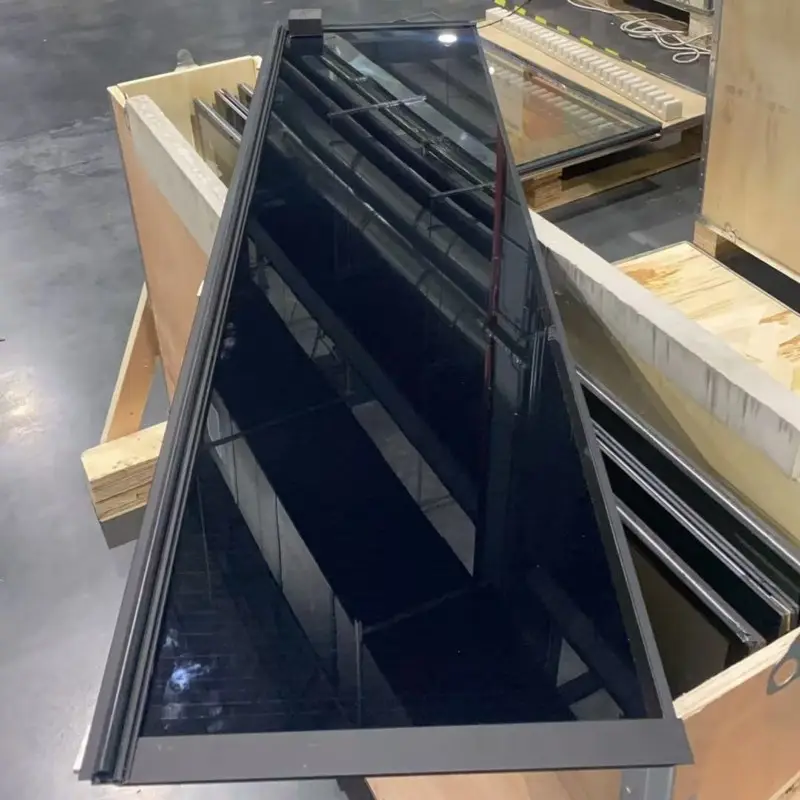
The construction quality and long-term reliability advantages in the bifacial vs monofacial solar panel comparison represent critical factors that significantly impact total cost of ownership and system performance over decades of operation. Bifacial panels typically employ glass-on-glass construction methodology, utilizing tempered glass on both front and rear surfaces instead of the polymer backsheet materials commonly found in monofacial alternatives. This superior construction approach provides exceptional resistance to environmental stresses including ultraviolet radiation, temperature cycling, humidity fluctuations, and mechanical loading from wind and snow. The glass-on-glass design eliminates many degradation pathways that affect traditional backsheet materials, including polymer degradation, adhesive failure, and moisture ingress that can compromise long-term performance. Temperature coefficient performance reveals additional advantages for bifacial panels, as the dual-sided design often provides improved heat dissipation compared to traditional monofacial configurations with solid backing materials. Enhanced airflow around bifacial panels, particularly in elevated mounting configurations, helps maintain optimal operating temperatures that preserve efficiency and extend component lifespan. The robust construction methodology translates into extended warranty coverage from manufacturers who demonstrate confidence in their products' long-term reliability. Many bifacial panel manufacturers offer 25-30 year performance warranties with minimal annual degradation rates, reflecting the superior materials and construction techniques employed in their manufacturing processes. Quality control standards for bifacial panels often exceed those applied to traditional monofacial products due to the precision required for dual-sided functionality and the premium market positioning of these advanced products. Maintenance requirements for bifacial systems focus on preserving optimal performance from both surfaces, which includes attention to rear-side cleanliness and ensuring unobstructed light access. However, the inherent redundancy of dual-sided generation provides operational advantages when one surface experiences temporary performance reduction due to soiling or partial shading conditions. Real-world performance monitoring demonstrates that well-designed bifacial installations maintain their performance advantages throughout their operational lifetime, with degradation rates often lower than comparable monofacial systems due to superior construction quality and materials selection. The long-term reliability benefits extend to system-level considerations including inverter compatibility, electrical safety, and grid integration performance that support decades of trouble-free renewable energy generation.
Inquiry Inquiry Bifacial vs Monofacial Solar Panel: Complete Performance Comparison Guide 2024 Bifacial vs Monofacial Solar Panel: Complete Performance Comparison Guide 2024 Bifacial vs Monofacial Solar Panel: Complete Performance Comparison Guide 2024

Get a Free Quote

Our representative will contact you soon.
Email
Name
Company Name
Message
0/1000