The Crisis in the Strait of Hormuz Is Stirring Up the Energy Landscape — Global Solar Demand Rising
How Geopolitical Instability Is Accelerating the Global Shift to Solar Energy | 2026
| $119.50 Oil Price per Barrel (Peak) | 27% Solar Share of Global Energy Demand Growth (2025) | +50% N-Type Cell Market Share (Q1 2026) | 1000+ GW Projected Global PV Capacity by 2030 |
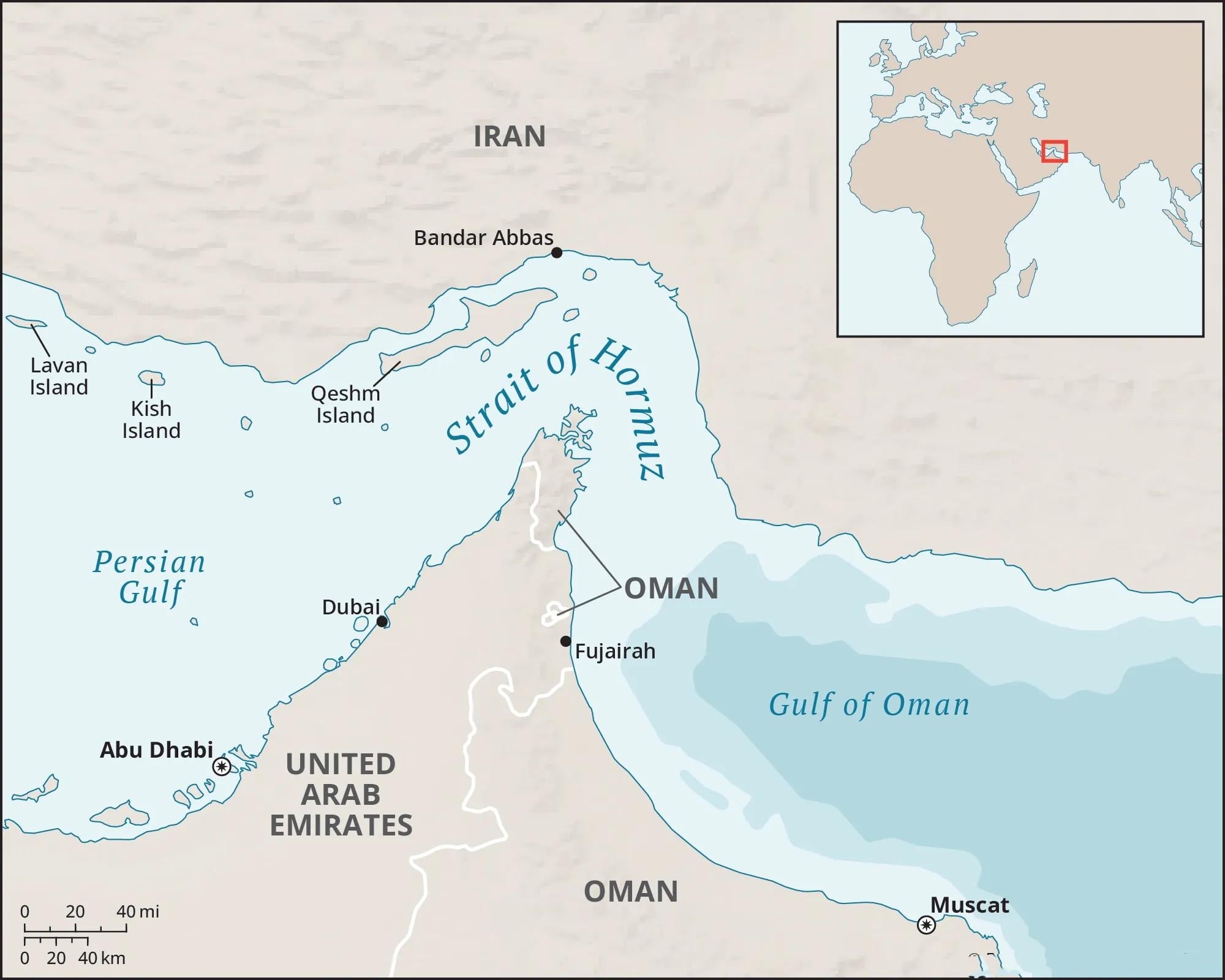
Since 2026, the navigation crisis in the Strait of Hormuz triggered by escalating geopolitical conflicts is reshaping the global energy market with unprecedented force. As the core artery of global oil and LNG transportation — handling 25% of global oil trade and 20% of LNG supply — near-disruption of the strait sent oil prices surging from $70–80 to $119.50 per barrel. European TTF natural gas futures rose over 50% in a single day.
Unlike previous energy crises that triggered fossil fuel rebounds, renewable energy — especially solar photovoltaics — has become the primary hedge against this instability. The IEA reports that solar PV contributed nearly 27% of the global energy demand increase in 2025, surpassing natural gas for the first time.
1. The Crisis as a Solar Demand Accelerator
The Strait of Hormuz crisis has reinforced the strategic importance of energy independence. Key market responses include:
- Spain: Time when electricity prices are affected by natural gas fluctuations decreased by 60% compared to pre-crisis levels
- Germany: Announced increase of renewable energy share from 65% to 70% by 2030
- India and Japan: Introduced new subsidy policies to accelerate photovoltaic project deployment
- Middle East: Paradoxically accelerating solar adoption to reduce domestic oil consumption for export
"Renewable energy, especially solar, is upgrading from climate-friendly energy to geopolitical security assets. The gap in energy security between early adopters and undeveloped countries will continue to widen."
— Professor Yu Hongyuan, School of Politics and International Relations, Tongji University
2. China's PV Foreign Trade: Growing Against the Trend
Against the backdrop of explosive global solar demand, China's photovoltaic industry — with its complete industrial chain advantages — has become the core beneficiary. In the first two months of 2026, China's PV product exports reached $4.29 billion, a year-on-year increase of 4.1%.
| Market | Strategy | Key Achievement |
| Europe (Spain/Italy) | Product + ecosystem co-construction | 3 consecutive years of market share growth |
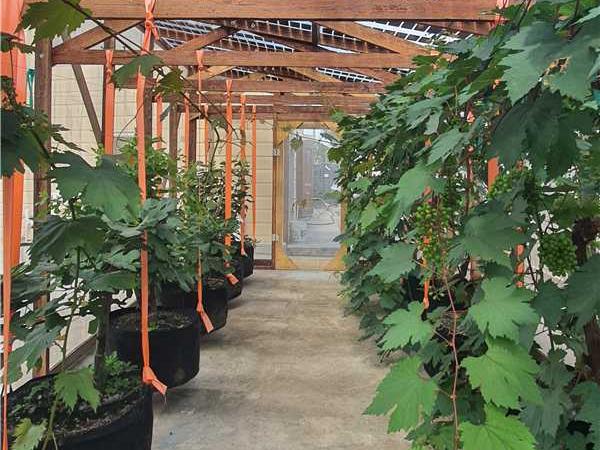
| Middle East (Saudi/UAE) | Agri-solar + grid-scale projects | 1.8MW agri-PV complementary projects |
| Asia Pacific (Japan/Malaysia) | Integrated light + storage solutions | 18% electricity cost reduction for commercial customers |
3. Technology Innovation: N-Type Cells Leading the Market
Chinese PV companies are actively responding to trade barriers through technological innovation and localized production. Key technical benchmarks as of Q1 2026:
-
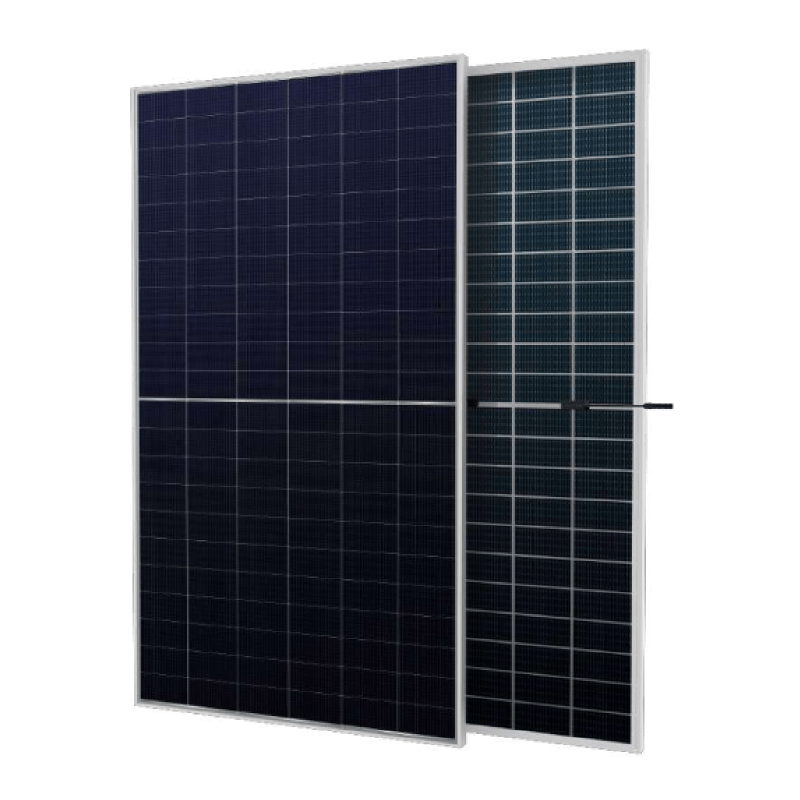
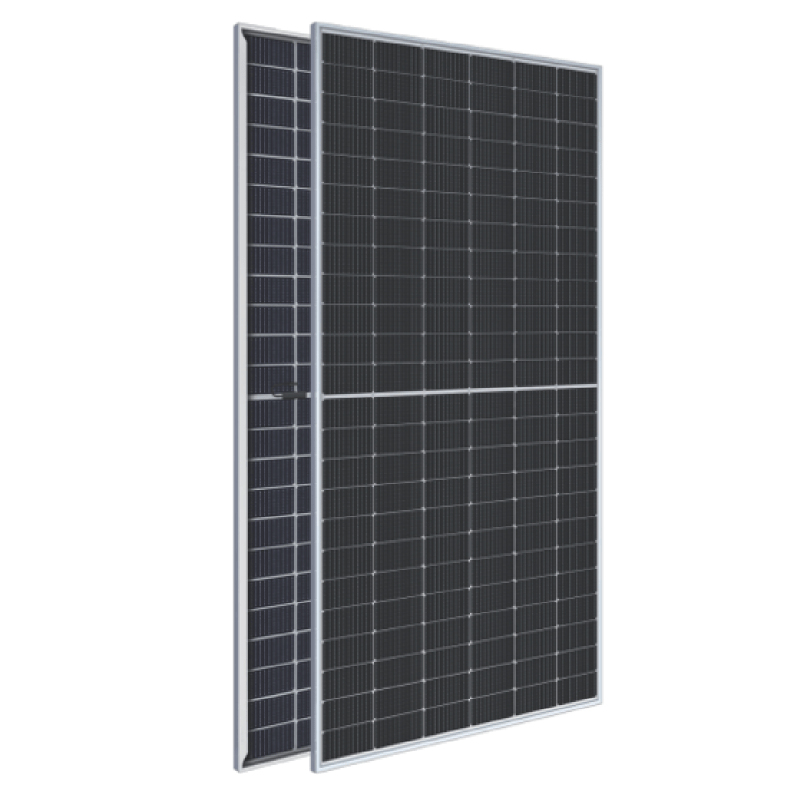
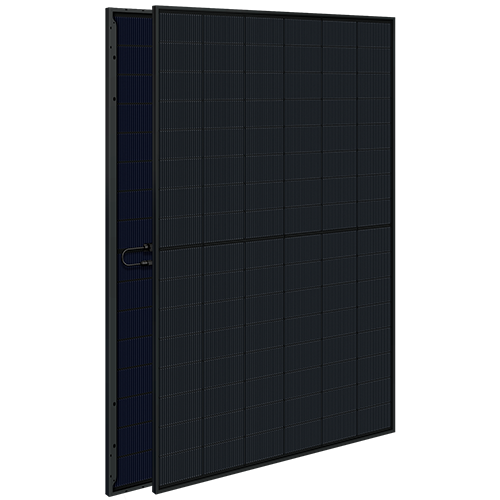
TOPCon cells: Market share exceeded 50% in Q1 2026, projected 70%+ by year-end; mass production efficiency 25.5–26.5%
-
HJT cells: Conversion efficiency 26–26.8%, growing market share in premium distributed segment
-
Perovskite tandem: Lab efficiency exceeded 33%; GW-level pilot lines under construction, targeting small-scale mass production 2027–2028
By 2030, IRENA projects global installed PV capacity will exceed 1,000 GW. By 2050, wind and solar will provide nearly 46% of the world's electricity.
PWSOLAR — N-Type Solar Technology for the New Energy Security Era
As solar becomes a geopolitical security asset, choose proven TOPCon N-type technology from PWSOLAR
Browse All PWSOLAR Products →
Secure Your Energy Future with PWSOLAR
In an era where solar is a geopolitical security asset, PWSOLAR's TOPCon N-type panels deliver the efficiency, reliability, and global compliance your projects demand.
✅ Industry-leading TOPCon N-type technology (up to 24.02% efficiency)
✅ Deployed across Europe, Middle East, and Asia Pacific
✅ CE, IEC, UL certified for global compliance
✅ OEM/ODM customization available
Request a Quote from PWSOLAR →

 EN
EN