Hormuz Boğazındakı böhran enerji sahəsini qarışdırır — Qlobal günəş enerjisi tələbi artır
Geosiyasi qeyri-sabitlik qlobal günəş enerjisinə keçidi sürətləndirir | 2026
| $119.50 Barel başına neft qiyməti (zirvə) | 27% Qlobal enerji tələbinin artımında günəş enerjisinin payı (2025) | +50% N-tipi hüceyrə bazarının payı (2026-cı ilin I kvartalı) | 1000+ GW 2030-cu ilə qədər proqnozlaşdırılan qlobal PV gücü |
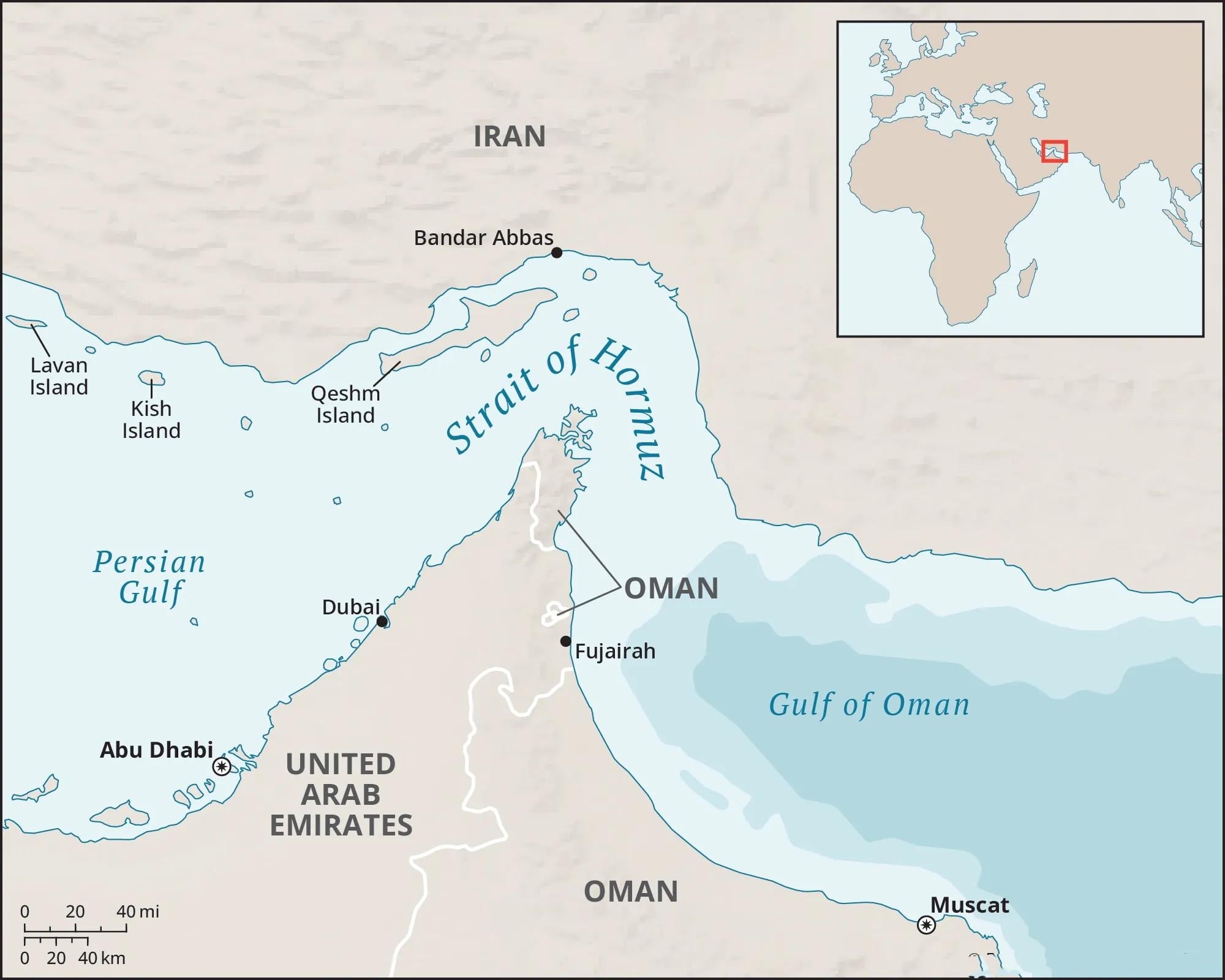
2026-cı ildən bəri yüksələn geosiyasi münaqişələr səbəbilə Hormuz Boğazında baş verən naviqasiya böhranı qlobal enerji bazarını əvvəllər olmamış şəkildə dəyişdirir. Qlobal neft və LNG daşınmasının əsas arteriyası olan bu boğaz qlobal neft ticarətinin 25%-ni və LNG təchizatının 20%-ni təmin edir; boğazın demək olar ki, dayandırılması neft qiymətlərini $70–80-dən $119,50-ə qədər artırıb. Avropa TTF təbii qaz futures kontraktlarının qiyməti bir gündə 50% artıb.
Əvvəlki enerji böhranlarından fərqli olaraq, bu böhran fosil yanacaqların bərpa olunmasına səbəb olmayıb; buna əksinə, bərpa olunan enerji — xüsusilə günəş fotovoltaikası — bu qeyri-sabitliyə qarşı əsas müdafiə vasitəsi kimi mövqe tutub. BEA hesabatına görə, 2025-ci ildə dünya enerji tələbatındakı artımın təxminən 27%-ni günəş fotovoltaikası təmin edib ki, bu da ilk dəfə təbii qazın payını keçib.
1. Böhran — Günəş Enerjisi Tələbi Üçün Sürətləndirici Kimi
Hormuz Boğazı böhranı enerji müstəqilliyinin strateji əhəmiyyətini daha da gücləndirib. Əsas bazar reaksiyaları aşağıdakılardır:
- İspaniya: Elektrik qiymətlərinin təbii qazın dalğalanmaları ilə təsirləndiyi vaxt böhrandan əvvəlki səviyyələrə nisbətən 60% azalıb
- Almaniya: 2030-cu ilə qədər bərpa olunan enerjinin payını 65%-dən 70%-ə artırmaq haqqında elan edib
- Hindistan və Yaponiya: Fotovoltaik layihələrin tətbiqini sürətləndirmək üçün yeni subsidiya siyasətləri təqdim ediblər
- Orta Şərq: Paradox olaraq, neft ixracı üçün daxili neft istehlakını azaltmaq məqsədilə günəş enerjisindən istifadəni sürətləndirir
"Bərpa olunan enerji, xüsusilə günəş enerjisi, iqlim dostu enerjidən coğrafi-siyasi təhlükəsizlik aktivinə çevrilir. Enerji təhlükəsizliyi sahəsində ilk qəbul edənlər və inkişaf etməmiş ölkələr arasındakı uçurum davam edəcək."
— Professor Yu Hongyuan, Tongji Universiteti Siyasət və Beynəlxalq Münasibətlər Məktəbi
2. Çinin fotovoltaik xarici ticarəti: Trendə qarşı artım
Qlobal günəş enerjisi tələbinin partlayıcı artması fonunda Çinin fotovoltaik sənayesi — tam sənaye zəncirinin üstünlükləri ilə — əsas faydalanıcıya çevrilmişdir. 2026-cı ilin ilk iki ayında Çinin fotovoltaik məhsullarının ixracatı 4,29 milyard ABŞ dollarına çatmışdır ki, bu da illik artım sürətini 4,1% təşkil edir.
| Bazar | Strategiya | Əsas nailiyyət |
| Avropa (İspaniya/İtaliya) | Məhsul + ekosistem birgə qurulması | bazar payında 3 il ardıcıl artım |
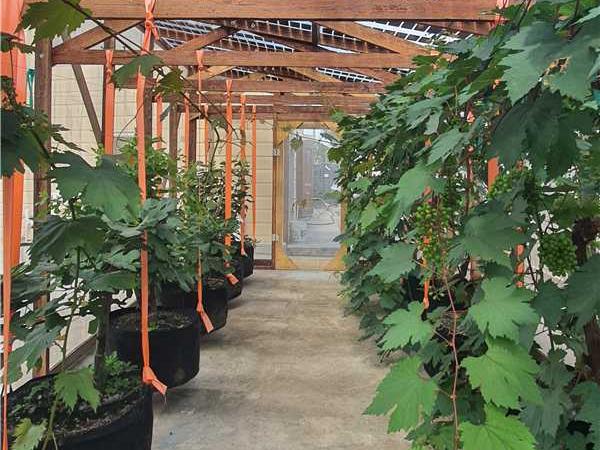
| Orta Şərq (Səudiyyə Ərəbistanı/Birləşmiş Ərəb Əmirlikləri) | Kənd təsərrüfatı-günəş enerjisi + şəbəkə miqyaslı layihələr | 1,8 MV kənd təsərrüfatı-günəş enerjisi tamamlayıcı layihələr |
| Asiya–Tihə okean regionu (Yaponiya/Malayziya) | İnteqrasiya olunmuş işıq və enerji saxlama həlləri | ticari müştərilər üçün elektrik xərclərinin 18% azalması |
3. Texnologiya yenilikləri: N-tipi hüceyrələr bazarda liderlik edir
Çin fotovoltaik şirkətləri texnoloji yeniliklər və yerli istehsalat yolu ilə ticarət maneələrinə aktiv cavab verir. 2026-cı ilin birinci kvartalına olan əsas texniki göstəricilər:
-
TOPCon hüceyrələri: Bazar payı 2026-cı ilin birinci kvartalında 50%-dən artıq oldu, illik sona qədər 70% və daha çox olacağı proqnozlaşdırılır; kütləvi istehsal səmərəliliyi 25,5–26,5%
-
HJT hüceyrələri: Dönüştürmə səmərəliliyi 26–26,8%, yüksək dəyərli paylanmış sistemlər segmentində bazar payı artırır
-
Perovskit tandem: Laboratoriya səmərəliliyi 33%-dən artıq oldu; GW səviyyəli pilot xətlər inşa olunur, kiçik miqyaslı kütləvi istehsal 2027–2028-ci illərdə hədəflənir
IRENA-ya görə, 2030-cu ilə qədər dünya üzrə quraşdırılmış fotovoltaik (PV) qabiliyyəti 1000 GW-dan artıq olacaq. 2050-ci ilə qədər rüzgar və günəş enerjisi dünyanın elektrik enerjisinin təxminən 46%-ni təmin edəcək.
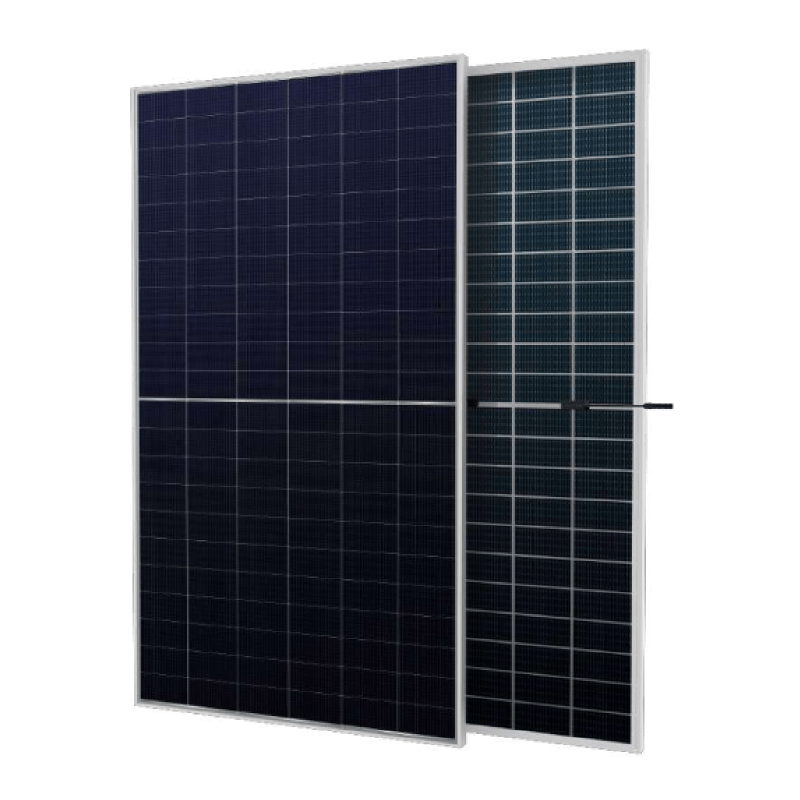
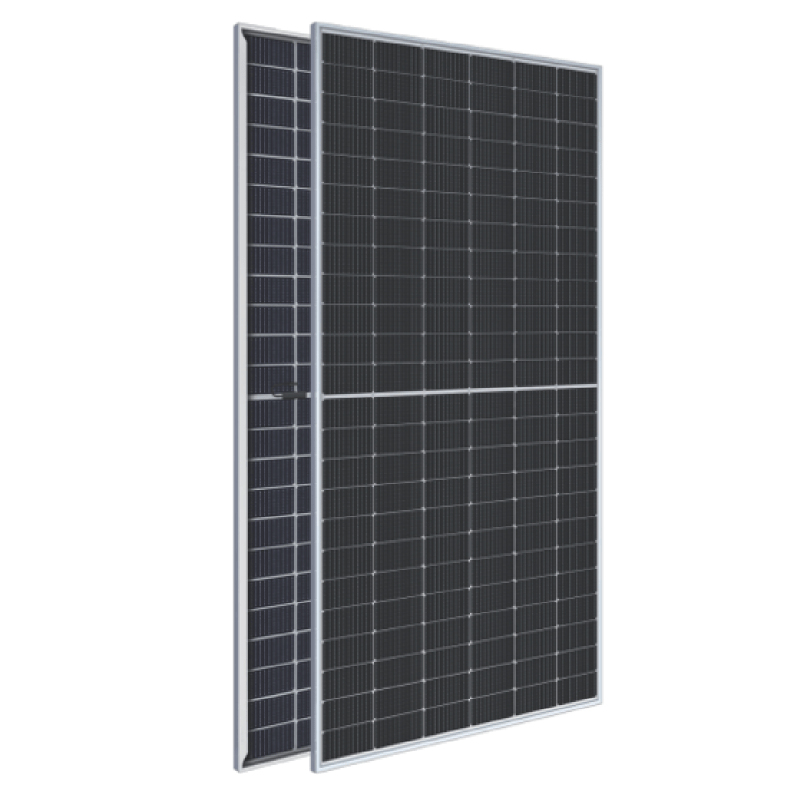
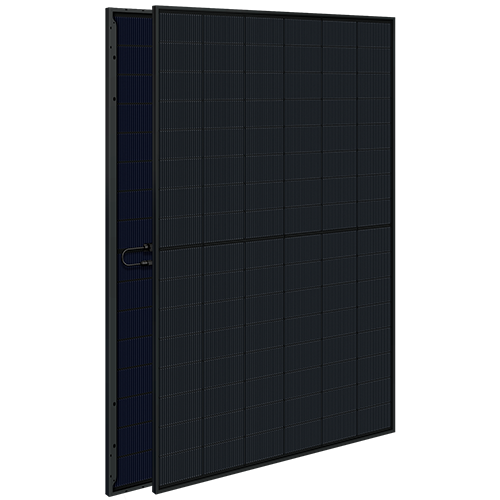
PWSOLAR — Yeni Enerji Təhlükəsizliyi Dövrü üçün N-Tip Günəş Texnologiyası
Günəş enerjisi coğrafi-siyasi təhlükəsizlik aktivinə çevrildikcə, PWSOLAR-dan sübut edilmiş TOPCon N-tip texnologiyasını seçin
Bütün PWSOLAR məhsullarını axtarın →
Enerji gələcəyinizi PWSOLAR ilə təmin edin
Günəş enerjisi coğrafi-siyasi təhlükəsizlik aktivinə çevrildiyi dövrdə PWSOLAR-in TOPCon N-tip paneli layihələrinizin tələb etdiyi səmərəlilik, etibarlılıq və beynəlxalq uyğunluğu təmin edir.
✅ Sənayedə lider TOPCon N-tip texnologiyası (ən yüksək səmərəlilik: 24,02%)
✅ Avropa, Orta Şərq və Asiya-Sakit okean bölgəsində tətbiq edilib
✅ Beynəlxalq uyğunluq üçün CE, IEC, UL sertifikatları alınıb
✅ OEM/ODM fərdiləşdirilməsi mümkündür
PWSOLAR-dan qiymət təklifi istəyin →

 EN
EN