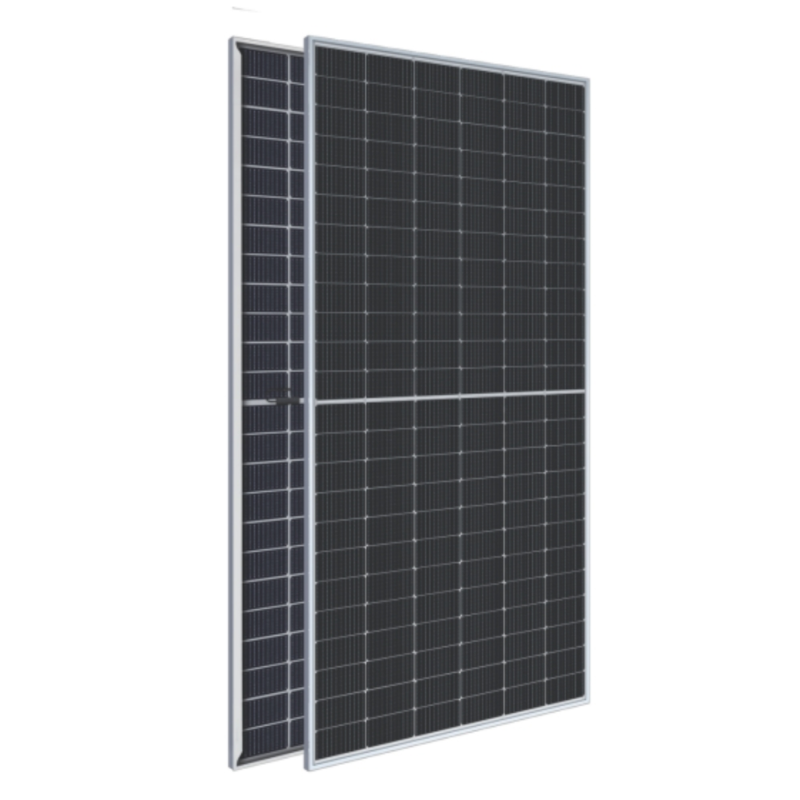
Residential Solar Panel Systems: Complete Guide to Home Solar Energy Solutions

Get a Free Quote

Our representative will contact you soon.
Email
Name
Company Name
Message
0/1000

residential solar panel system

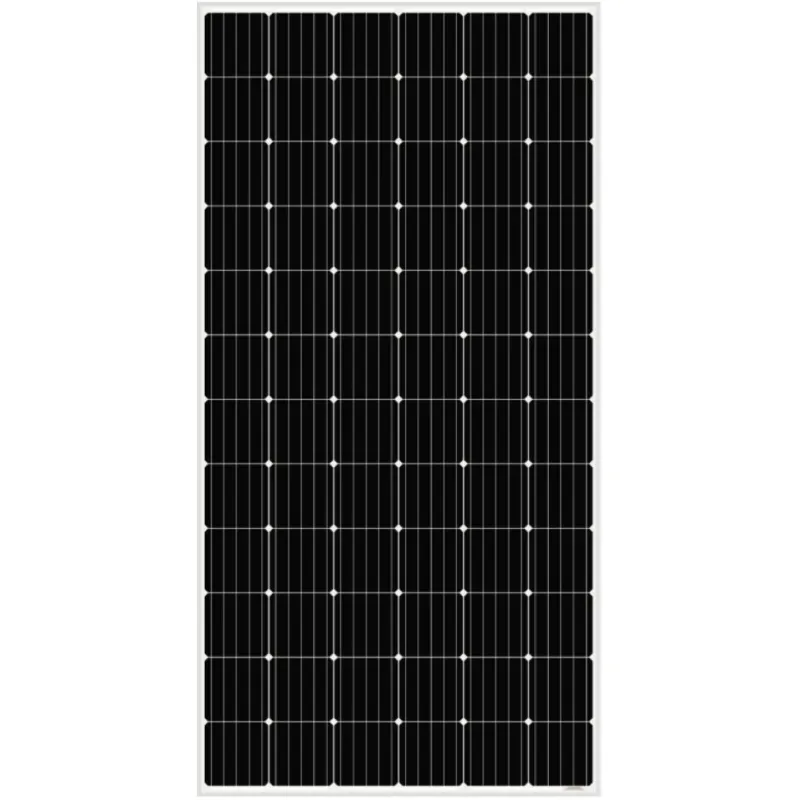
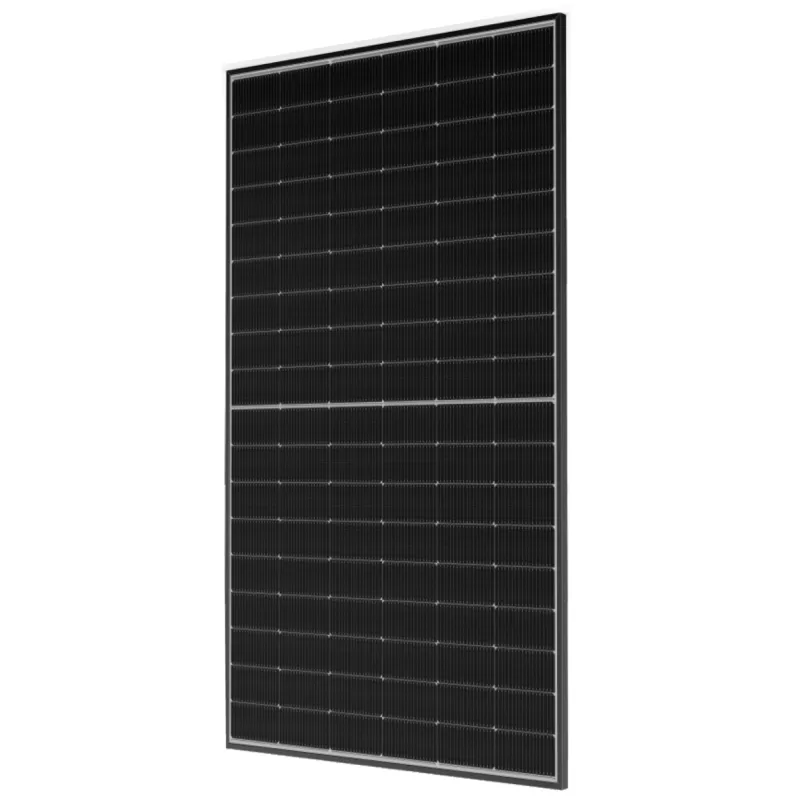
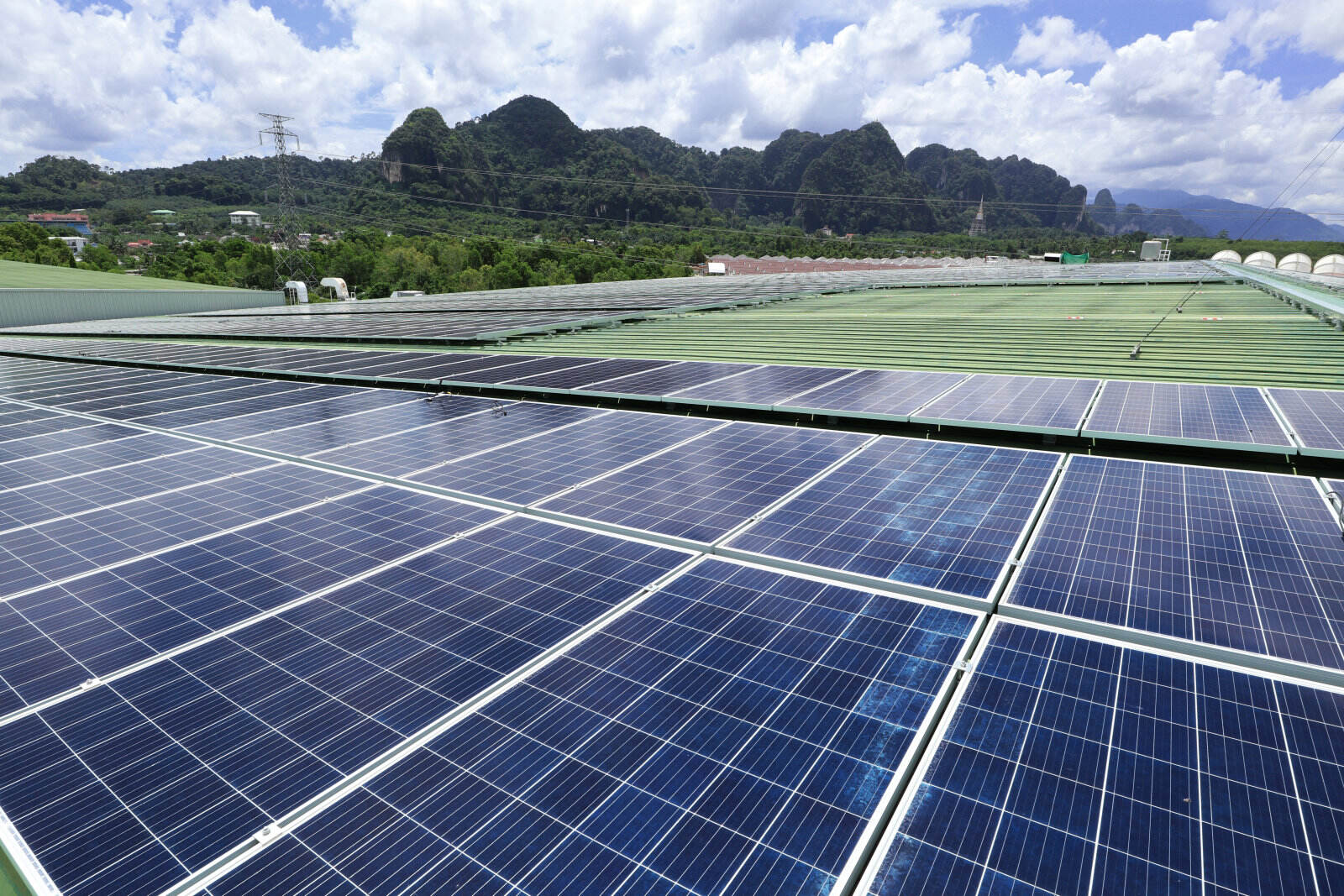
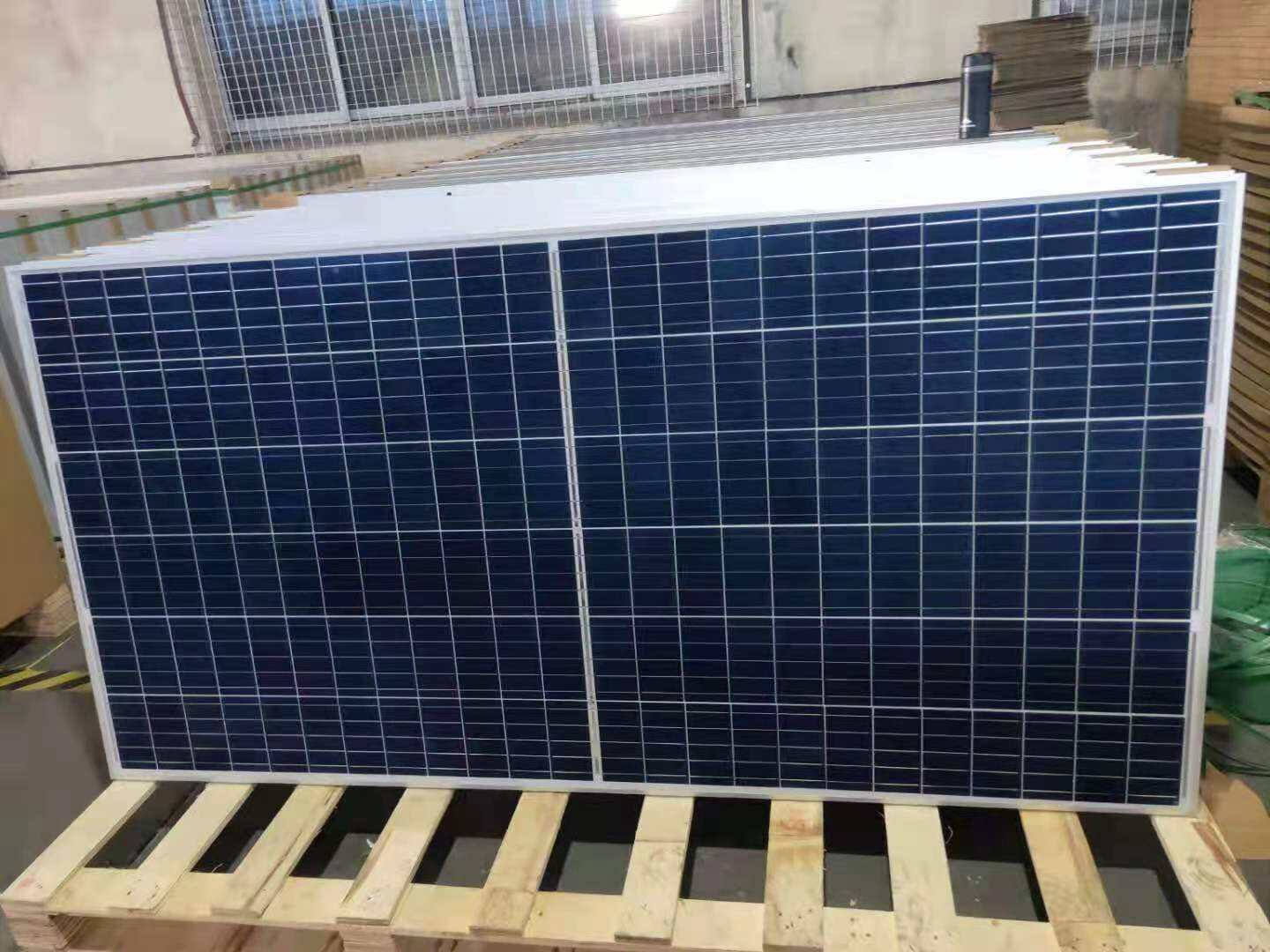
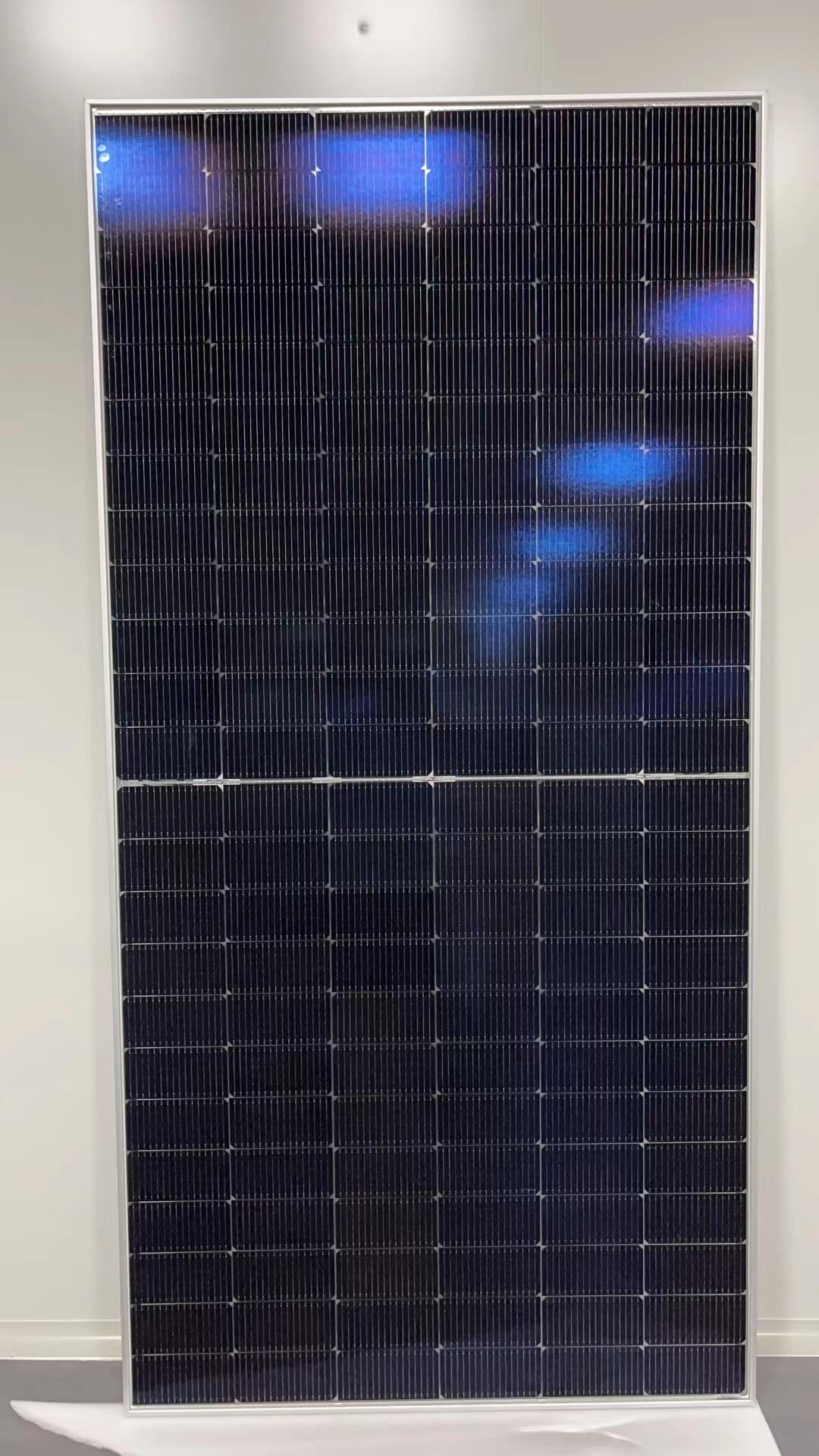
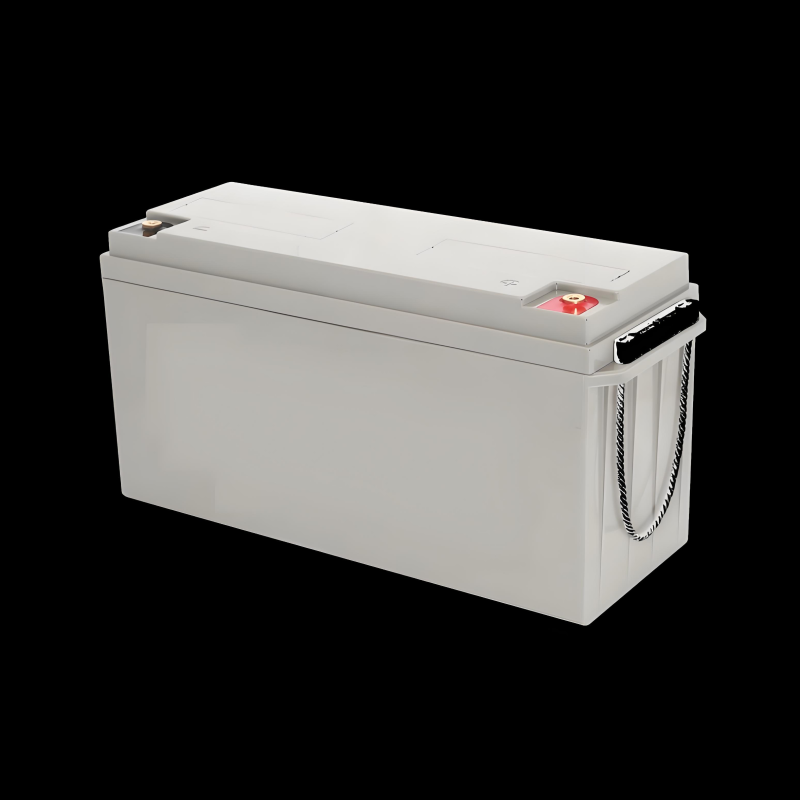
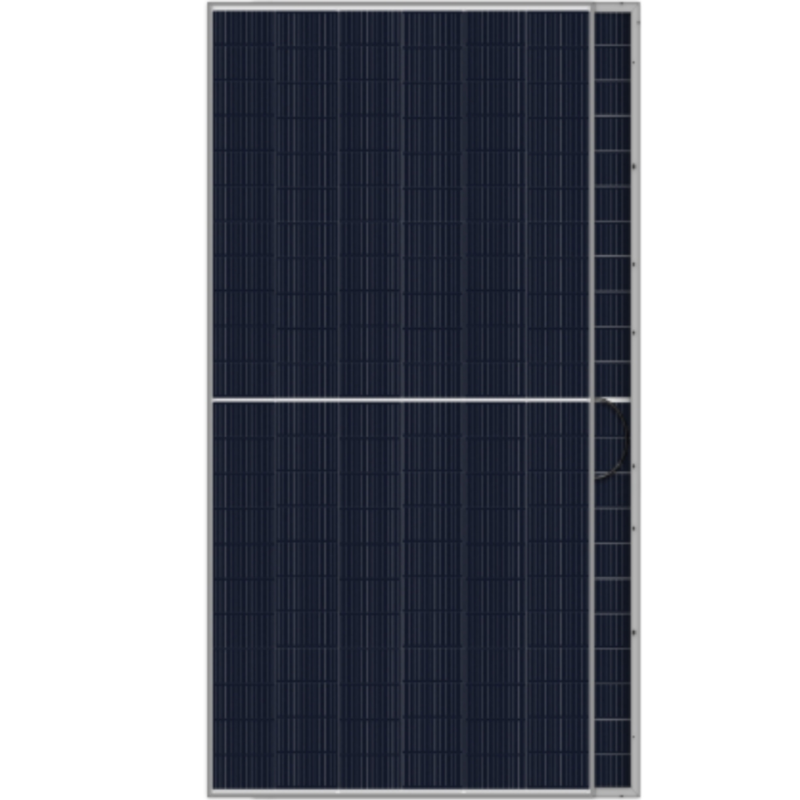
A residential solar panel system represents a comprehensive energy solution designed to harness sunlight and convert it into usable electricity for homeowners. This innovative technology consists of photovoltaic panels, inverters, mounting equipment, and monitoring systems that work together to generate clean, renewable energy. The primary function of a residential solar panel system involves capturing solar radiation through silicon-based cells that create an electrical current when exposed to sunlight. This direct current electricity gets converted to alternating current through inverters, making it compatible with standard household appliances and electrical systems. Modern residential solar panel systems incorporate advanced technological features including maximum power point tracking, which optimizes energy production throughout varying weather conditions. Smart monitoring capabilities allow homeowners to track real-time energy generation, consumption patterns, and system performance through mobile applications and web interfaces. The system's modular design enables customization based on roof size, energy needs, and budget considerations. Grid-tied configurations allow excess energy to flow back into the utility grid, often resulting in net metering credits. Battery storage integration provides energy independence during power outages and peak demand periods. Applications of residential solar panel systems extend beyond basic electricity generation to include electric vehicle charging, pool heating, and whole-home energy management. The technology adapts to various roof types, orientations, and shading conditions through micro-inverters and power optimizers. Installation flexibility accommodates ground-mounted arrays for properties with limited roof space. Environmental monitoring features track carbon footprint reduction and renewable energy contributions. These systems integrate seamlessly with existing electrical infrastructure while maintaining safety standards and building code compliance. Advanced residential solar panel systems feature weather-resistant components designed for decades of reliable operation, making them a long-term investment in sustainable energy independence.

Popular Products

Installing a residential solar panel system delivers immediate and long-term financial benefits that significantly reduce monthly electricity bills. Homeowners typically save thousands of dollars annually on energy costs, with many achieving complete energy independence during peak production months. The system generates free electricity from sunlight for 25-30 years, providing predictable energy costs and protection against rising utility rates. Federal tax incentives and local rebates substantially reduce initial installation costs, often covering 30-50% of the total investment. Net metering programs allow homeowners to sell excess electricity back to the grid, creating additional income streams and faster payback periods. Property values increase substantially with residential solar panel system installation, studies show homes sell for 3-4% more than comparable properties without solar. Environmental advantages include dramatic carbon footprint reduction, with typical systems preventing 3-4 tons of carbon dioxide emissions annually. This clean energy generation eliminates dependency on fossil fuels and contributes to cleaner air quality in local communities. Energy independence provides protection against power outages when paired with battery storage, ensuring essential appliances continue operating during emergencies. The residential solar panel system requires minimal maintenance, with most components carrying 20-25 year warranties and proven durability in various weather conditions. Modern systems operate silently without moving parts, eliminating noise pollution while generating clean electricity throughout daylight hours. Smart monitoring technology provides real-time insights into energy production and consumption, helping homeowners optimize usage patterns and maximize savings. The scalable nature of residential solar panel systems allows future expansion as energy needs change or budget permits additional panels. Installation creates local jobs and supports renewable energy industry growth while reducing strain on electrical grid infrastructure. Technology improvements continue lowering costs while increasing efficiency, making solar energy increasingly accessible to diverse income levels. Government incentives and financing options make residential solar panel systems affordable through various payment plans, including zero-down installations and power purchase agreements. The reliable performance of modern systems provides peace of mind with predictable energy generation and professional monitoring services ensuring optimal operation throughout the system's lifespan.

Practical Tips

Why is the half cell solar panel the current standard for B2Bsolar?

23

Dec

Why is the half cell solar panel the current standard for B2Bsolar?

The solar industry has witnessed remarkable technological evolution over the past decade, with the half cell solar panel emerging as the dominant choice for B2B applications. This advanced photovoltaic technology has fundamentally transformed how bus...
View More
How to choose a high-performance half cell solar panel forrooftop?

23

Dec

How to choose a high-performance half cell solar panel forrooftop?

Selecting the right solar panel technology for your rooftop installation represents one of the most critical decisions in your renewable energy journey. Among the various solar panel innovations available today, half cell solar panel technology stand...
View More
Why are our half cell solar panels preferred by global distributors2

23

Dec

Why are our half cell solar panels preferred by global distributors2

The global solar energy market has witnessed unprecedented growth, with distributors increasingly seeking advanced photovoltaic solutions that deliver superior performance and reliability. Among the various technologies available, half cell solar pan...
View More
How to select a half cell solar panel manufacturer for bulk oirders?

23

Dec

How to select a half cell solar panel manufacturer for bulk oirders?

When planning large-scale solar installations, selecting the right half cell solar panel manufacturer becomes a critical decision that can determine the success of your project. With the growing adoption of photovoltaic technology in commercial and i...
View More

Get a Free Quote

Our representative will contact you soon.
Email
Name
Company Name
Message
0/1000

residential solar panel system

Maximum Energy Production Through Advanced Technology

Maximum Energy Production Through Advanced Technology

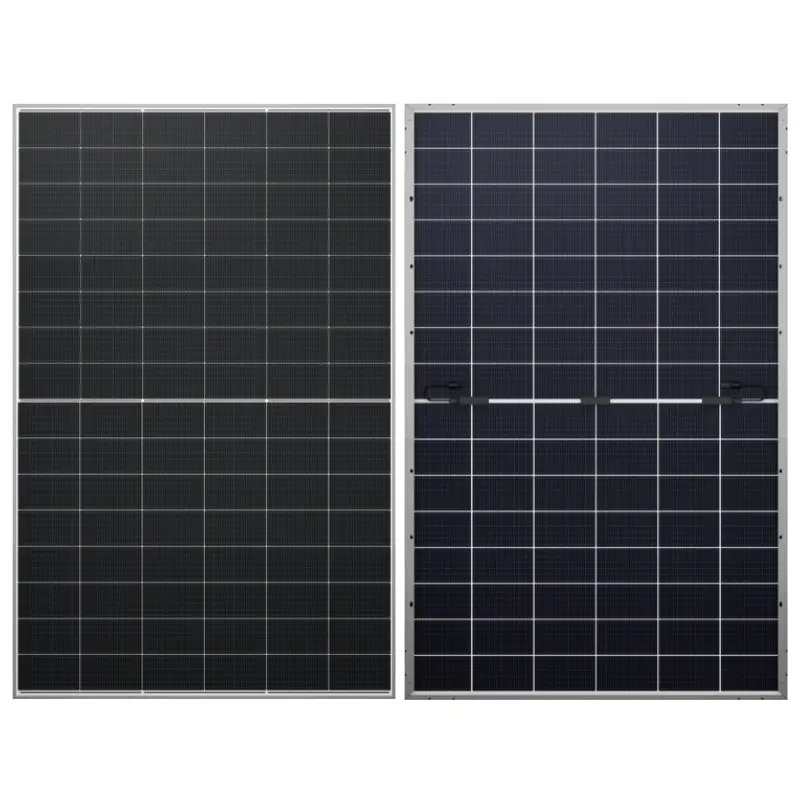
The residential solar panel system achieves exceptional energy output through cutting-edge photovoltaic technology and intelligent optimization features. High-efficiency monocrystalline solar panels convert up to 22% of available sunlight into usable electricity, significantly outperforming older technologies. Advanced maximum power point tracking ensures optimal energy harvest regardless of weather conditions, shading patterns, or seasonal variations. Micro-inverters attached to individual panels eliminate the single point of failure common in string inverter systems, allowing each panel to operate independently at peak performance. This technology prevents one underperforming panel from reducing the output of the entire residential solar panel system. Smart monitoring capabilities track energy production in real-time, identifying maintenance needs and optimizing performance automatically. Power optimizers further enhance energy yield by conditioning the direct current from each panel before conversion to alternating current. The system adapts to changing environmental conditions throughout the day, adjusting power output to capture maximum available solar energy. Bifacial panels capture reflected light from surrounding surfaces, increasing total energy generation by up to 15% compared to traditional single-sided panels. Advanced anti-reflective coatings and textured glass surfaces improve light absorption while reducing energy losses from reflection. Temperature coefficient optimization ensures consistent performance even during extreme heat conditions when other systems might experience reduced output. The residential solar panel system incorporates predictive analytics that forecast energy production based on weather patterns, allowing homeowners to plan energy usage effectively. Integrated bypass diodes protect against hot spots and maintain system safety while preserving energy output during partial shading conditions. String-level monitoring provides granular performance data, enabling precise troubleshooting and maintenance scheduling. The system's modular design allows strategic panel placement to maximize sun exposure throughout different seasons, accounting for solar path variations and roof geometry constraints that might limit traditional installations.
Comprehensive Financial Benefits and Investment Returns

Comprehensive Financial Benefits and Investment Returns

A residential solar panel system delivers substantial financial advantages that compound over time, creating a valuable long-term investment for homeowners. The initial installation costs are offset by immediate electricity bill reductions, federal tax credits worth 30% of system costs, and various state and local incentives that can cover up to 50% of total expenses. Net metering agreements with utility companies allow homeowners to sell excess electricity back to the grid at retail rates, effectively using the electrical grid as a virtual battery for energy storage. During peak production periods, the residential solar panel system often generates more electricity than the home consumes, creating credits that offset usage during evening hours or cloudy days. The predictable nature of solar energy production provides protection against volatile utility rate increases, which typically rise 2-3% annually. Over a 25-year period, homeowners commonly save $20,000-$50,000 in electricity costs, depending on system size and local utility rates. Property value increases of 3-4% are documented consistently across various housing markets, adding tens of thousands of dollars to home equity immediately upon installation. The residential solar panel system qualifies for accelerated depreciation schedules for tax purposes in many jurisdictions, providing additional financial benefits for eligible properties. Financing options include solar loans with competitive interest rates, power purchase agreements requiring no upfront costs, and solar leasing programs that provide immediate savings without ownership responsibilities. Performance guarantees ensure minimum energy production levels, protecting the financial investment and providing recourse if systems underperform expected outputs. Warranty coverage includes 25-year production guarantees, 20-year equipment warranties, and comprehensive installation guarantees that protect against defects and premature failures. The residential solar panel system creates measurable return on investment calculations that typically show positive cash flow within 6-8 years, followed by decades of free electricity generation and continued savings that substantially exceed initial costs.

Environmental Impact and Sustainable Energy Independence

Environmental Impact and Sustainable Energy Independence

The residential solar panel system creates profound environmental benefits while establishing energy independence that reduces reliance on fossil fuel-based electricity generation. Each kilowatt-hour of solar electricity prevents approximately 1.5 pounds of carbon dioxide emissions, meaning a typical residential system eliminates 3-4 tons of greenhouse gases annually. This environmental impact equals planting 100-150 trees each year or removing a car from the road for thousands of miles of driving. The clean energy production continues for 25-30 years without consuming water, producing air pollution, or generating hazardous waste common with conventional power generation methods. Manufacturing energy payback occurs within 1-2 years of operation, after which the residential solar panel system provides decades of net positive environmental benefits. Reduced demand on electrical grids during peak hours helps utilities avoid activating less efficient, higher-polluting backup power plants that typically burn natural gas or coal. The distributed nature of residential solar installations strengthens grid resilience while reducing transmission losses associated with long-distance electricity transport from central power plants. Battery storage integration enables complete energy independence during outages while storing excess solar production for use during peak demand periods when grid electricity costs are highest. The residential solar panel system supports biodiversity by reducing the environmental footprint of energy consumption without requiring additional land use for power generation. Materials used in modern solar panels are increasingly recyclable, with programs emerging to reclaim silicon, aluminum, and other valuable components at end-of-life. Local air quality improvements result from reduced fossil fuel consumption, particularly benefiting urban areas where residential solar adoption helps decrease smog and particulate pollution. Energy security increases as homeowners become less dependent on volatile energy markets and geopolitical factors affecting fossil fuel availability and pricing. The residential solar panel system demonstrates commitment to sustainable living practices that influence community adoption of renewable energy technologies. Grid modernization benefits include reduced infrastructure strain and delayed need for expensive power plant construction as distributed solar generation meets growing electricity demand through clean, renewable sources that require no ongoing fuel costs or environmental remediation.
Inquiry Inquiry Residential Solar Panel Systems: Complete Guide to Home Solar Energy Solutions Residential Solar Panel Systems: Complete Guide to Home Solar Energy Solutions Residential Solar Panel Systems: Complete Guide to Home Solar Energy Solutions

Get a Free Quote

Our representative will contact you soon.
Email
Name
Company Name
Message
0/1000