Environmental Impact and Sustainability
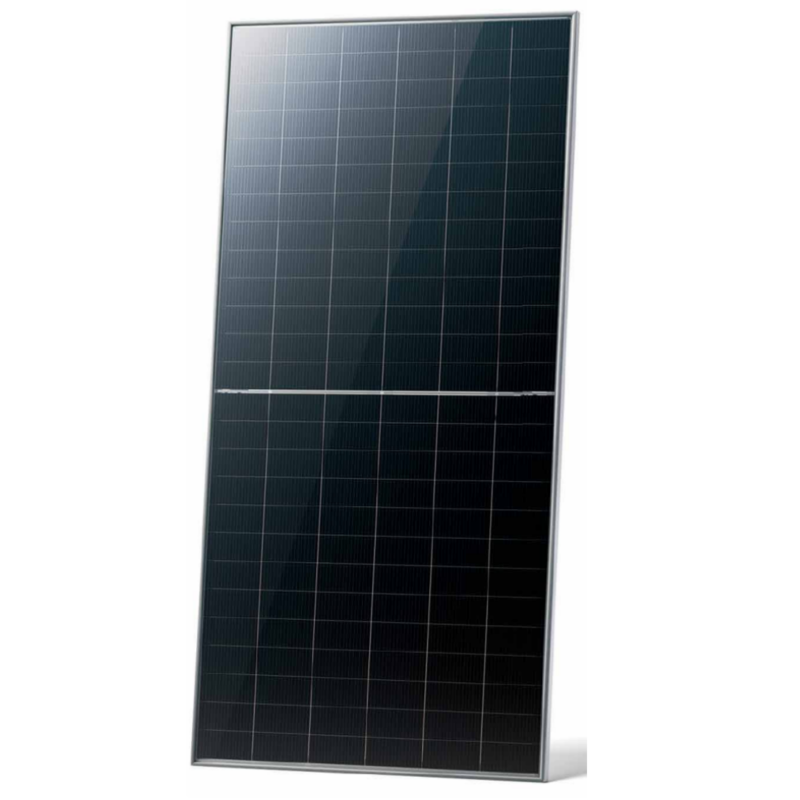
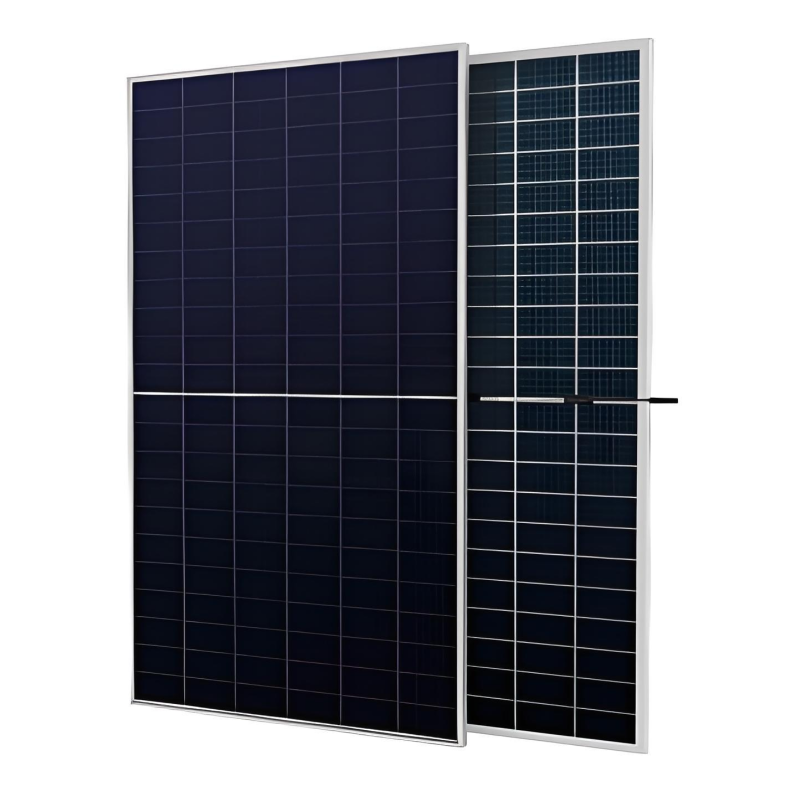
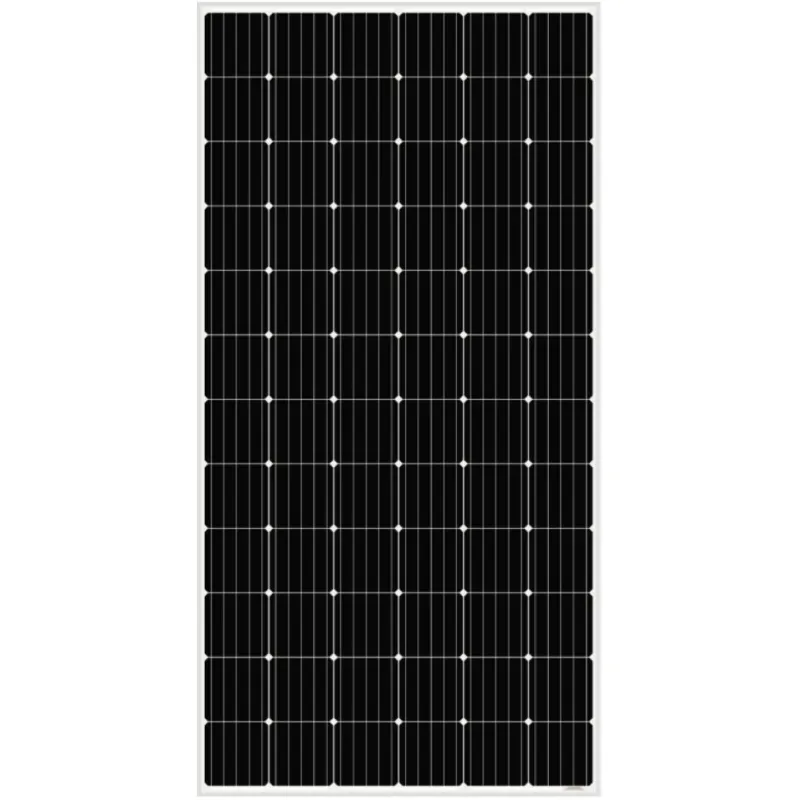
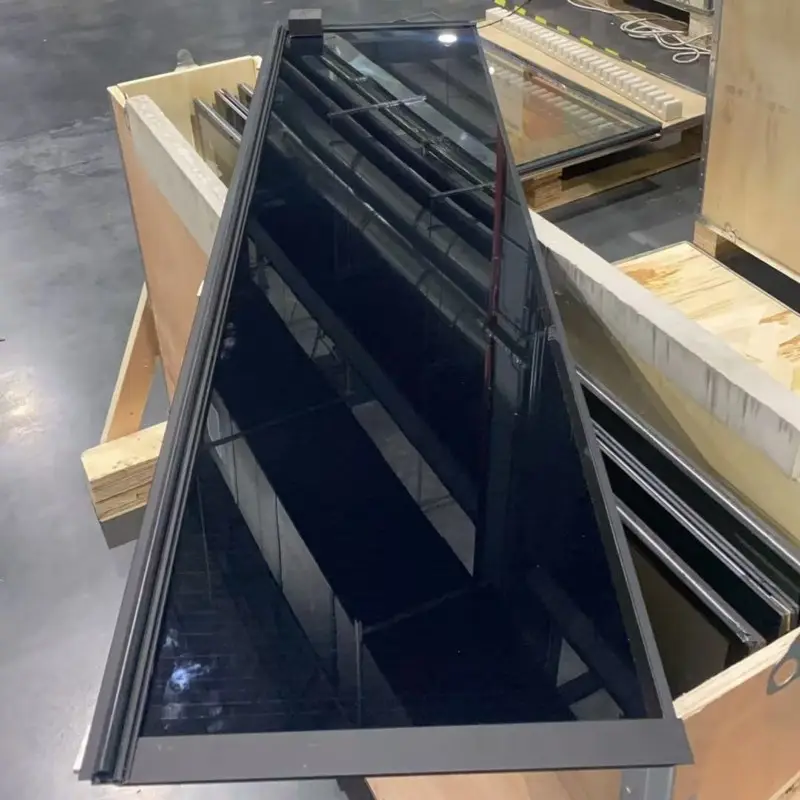
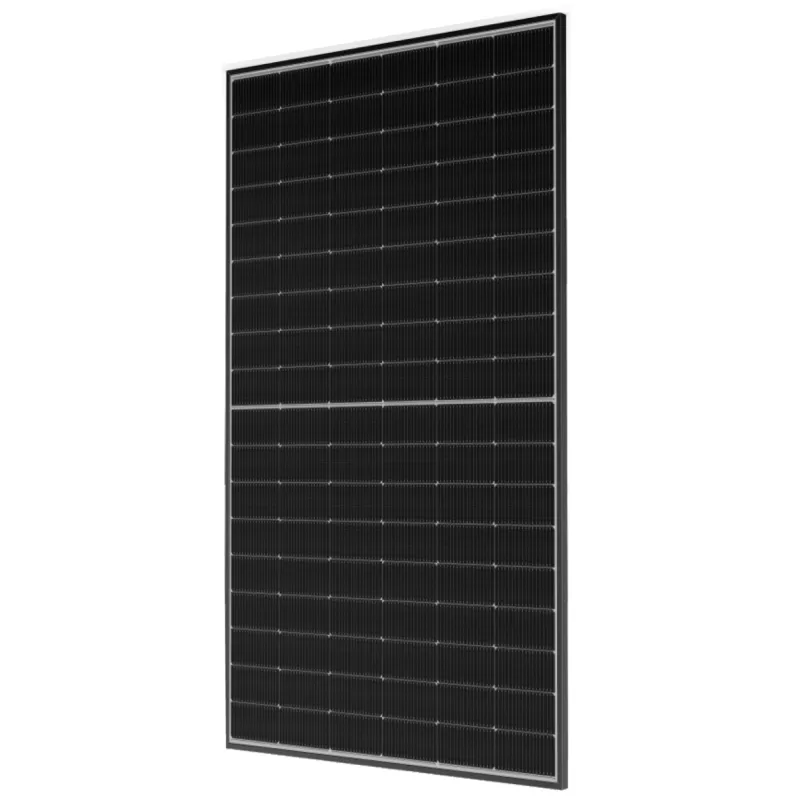
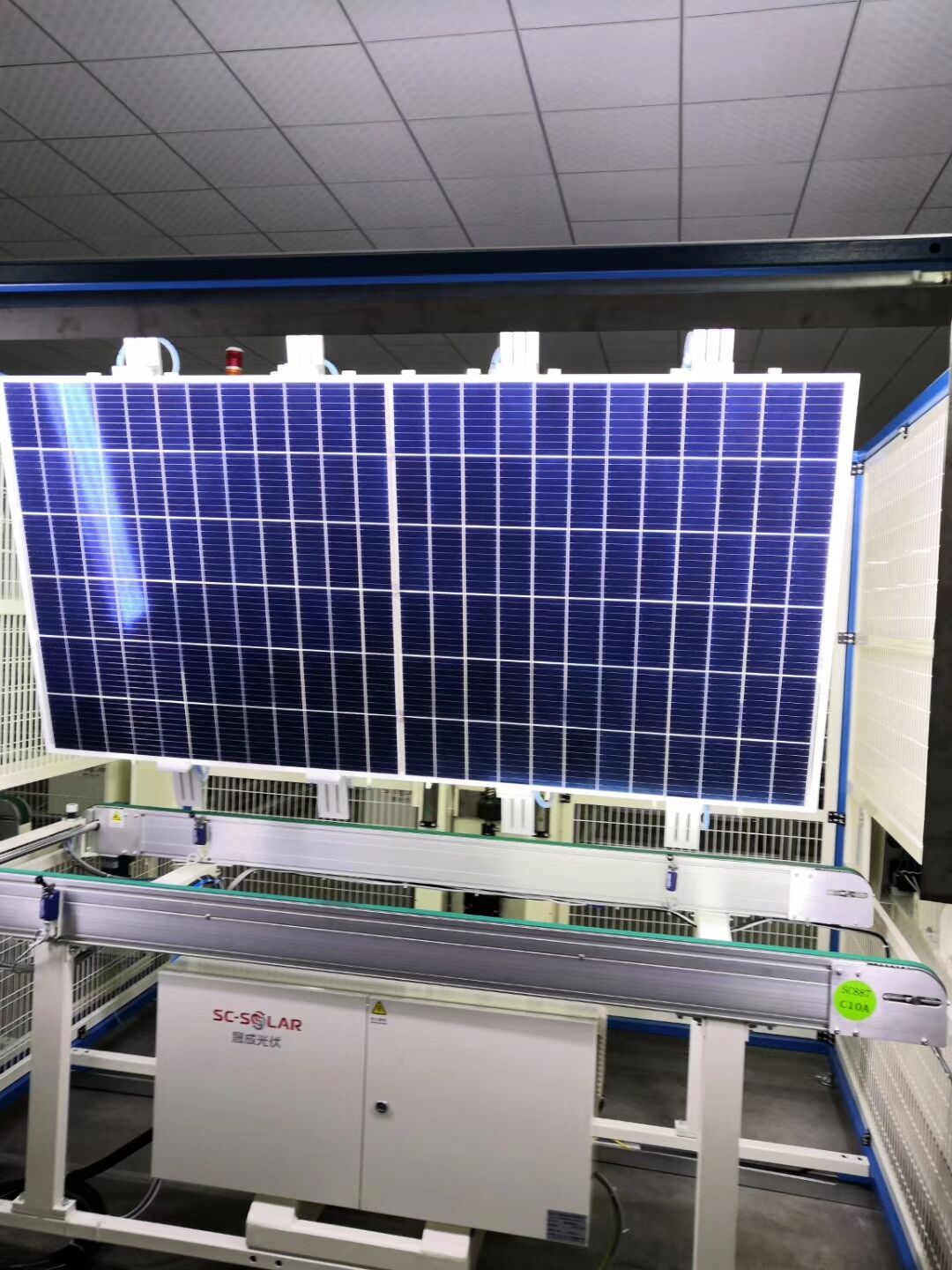
Domestic solar panels represent transformative environmental technology that significantly reduces household carbon footprints while contributing to global sustainability initiatives and climate change mitigation efforts. Each residential solar installation eliminates approximately 3-4 tons of carbon dioxide emissions annually, equivalent to planting 100-130 trees or removing a car from roads for several months each year. Lifecycle environmental benefits extend far beyond operational emissions reduction, as modern domestic solar panels require minimal water for cleaning and maintenance compared to traditional power generation methods that consume billions of gallons for cooling and steam production. Manufacturing processes increasingly utilize renewable energy sources and recycled materials, reducing embodied carbon while establishing circular economy principles within solar industry supply chains. Air quality improvement occurs at community levels as widespread domestic solar panel adoption reduces demand for fossil fuel power plants that emit particulate matter, sulfur dioxide, and nitrogen oxides contributing to respiratory health problems. Resource conservation benefits include reduced mining demands for coal, decreased natural gas extraction, and diminished transportation requirements for fuel delivery to power generation facilities. Domestic solar panels operate silently without noise pollution while generating clean energy, unlike diesel generators or other backup power systems that create noise disturbances in residential neighborhoods. Ecosystem protection results from reduced habitat disruption associated with fossil fuel extraction, transportation infrastructure, and waste disposal sites required for conventional energy production. Water resource preservation becomes significant as solar energy generation requires no water consumption during operation, helping address growing concerns about freshwater scarcity in many regions. End-of-life recycling programs ensure domestic solar panels are responsibly processed when replacement occurs after 25-30 years, with valuable materials like silver, aluminum, and silicon recovered for reuse in new panel manufacturing, supporting sustainable resource management practices.



 EN
EN