double glass solar panels
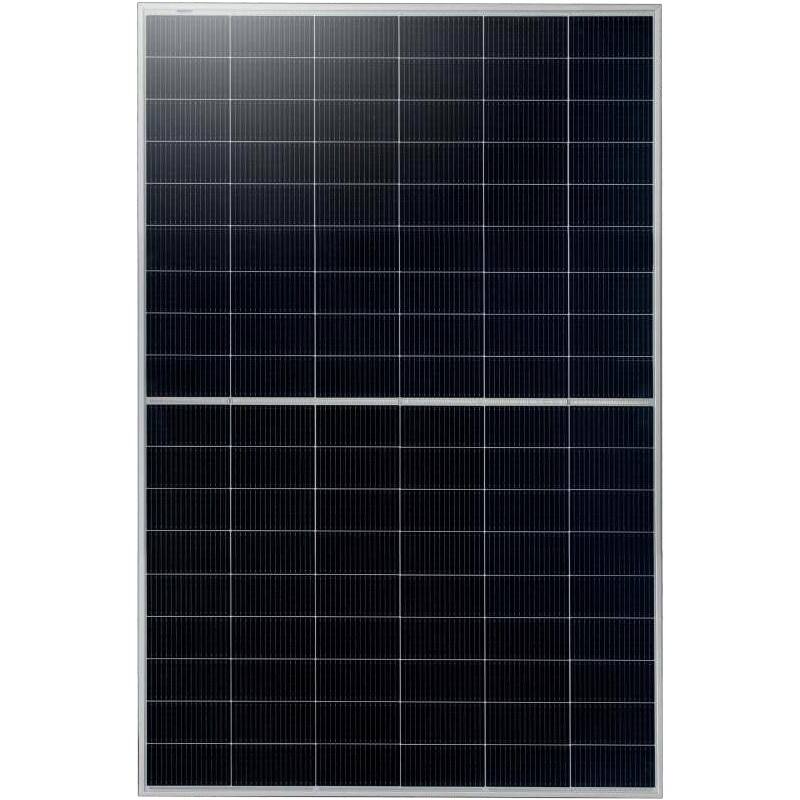
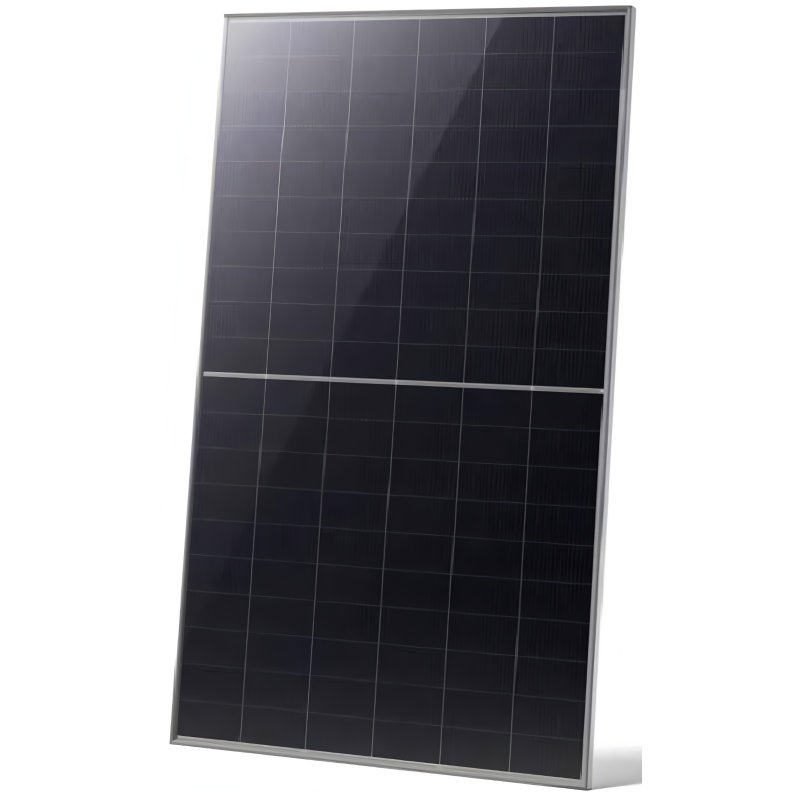
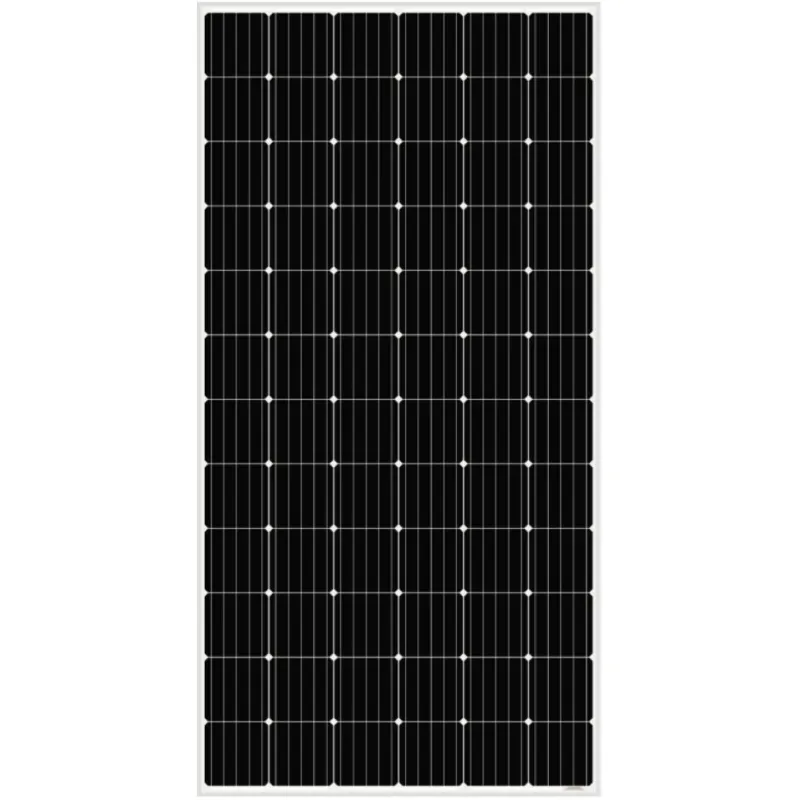
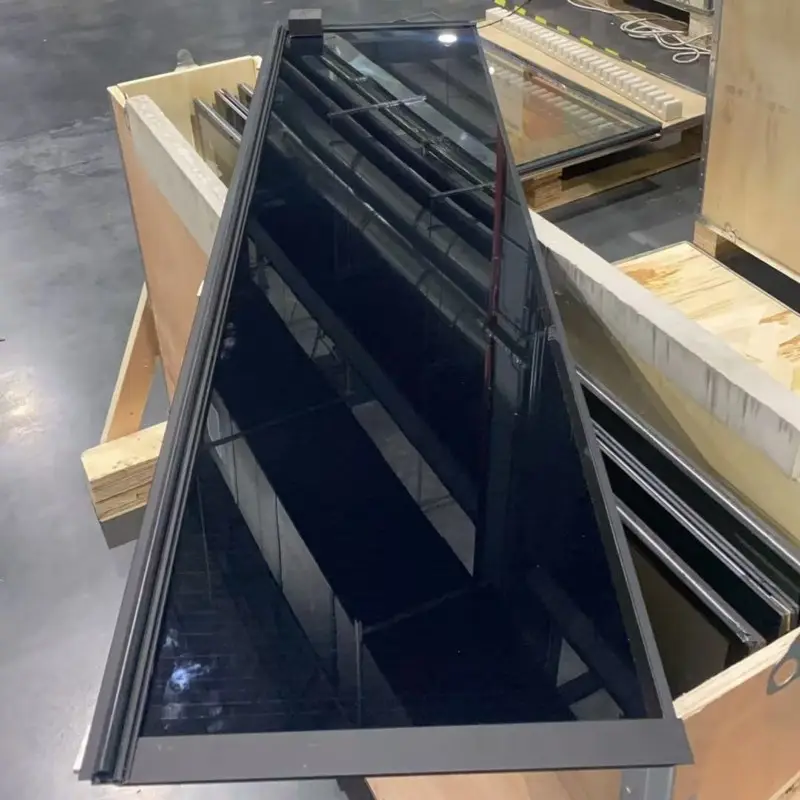
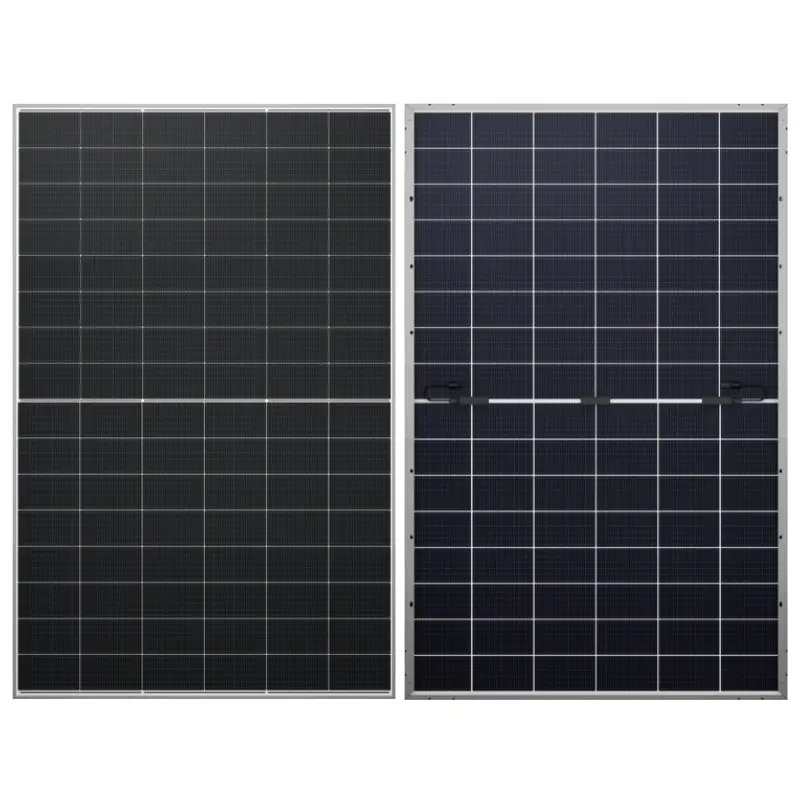
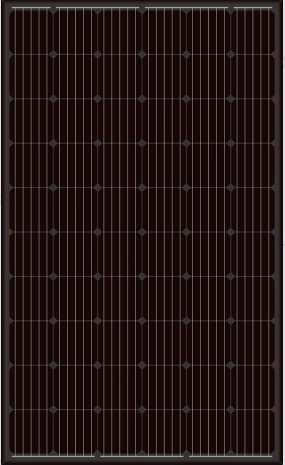
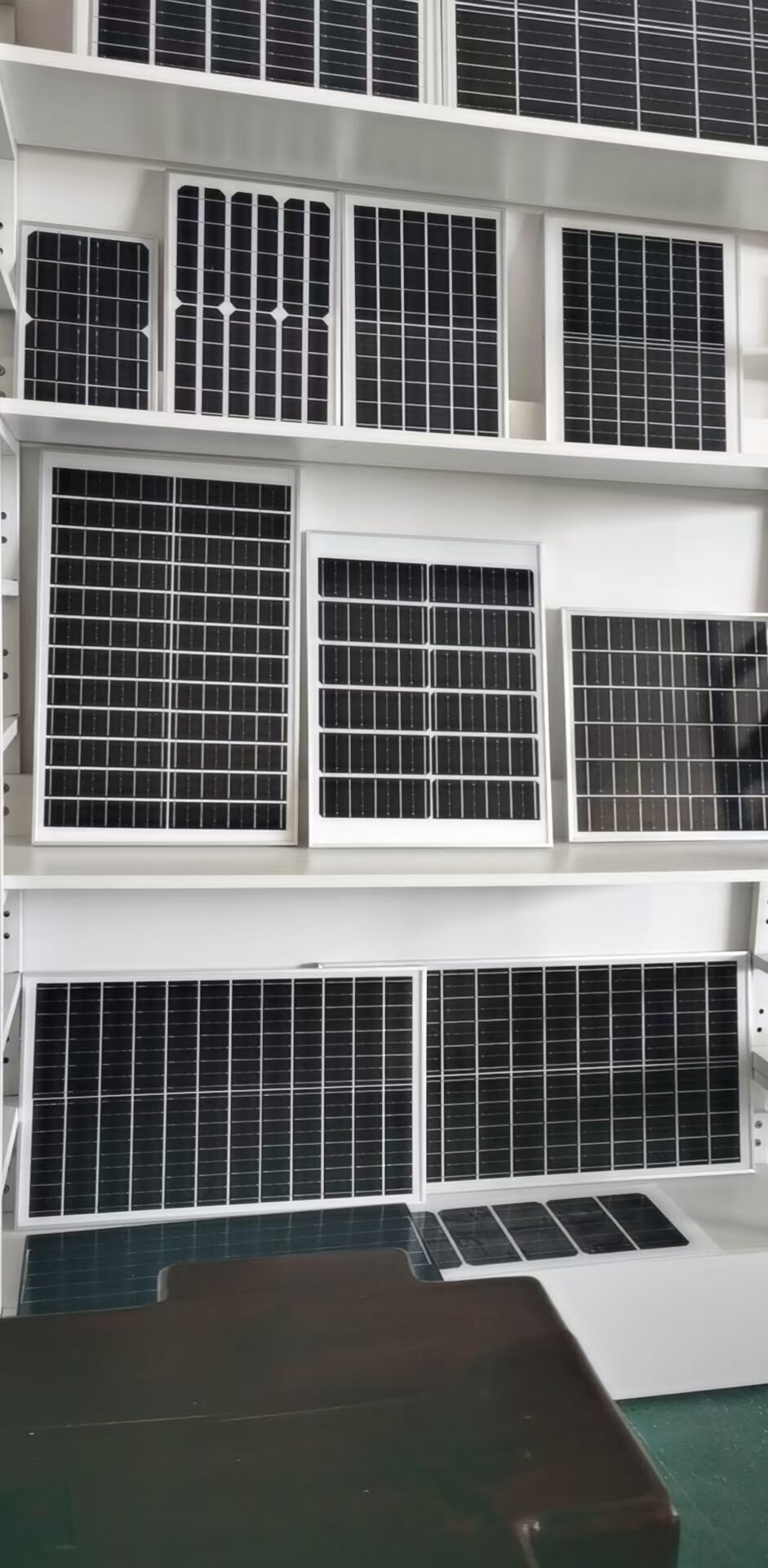
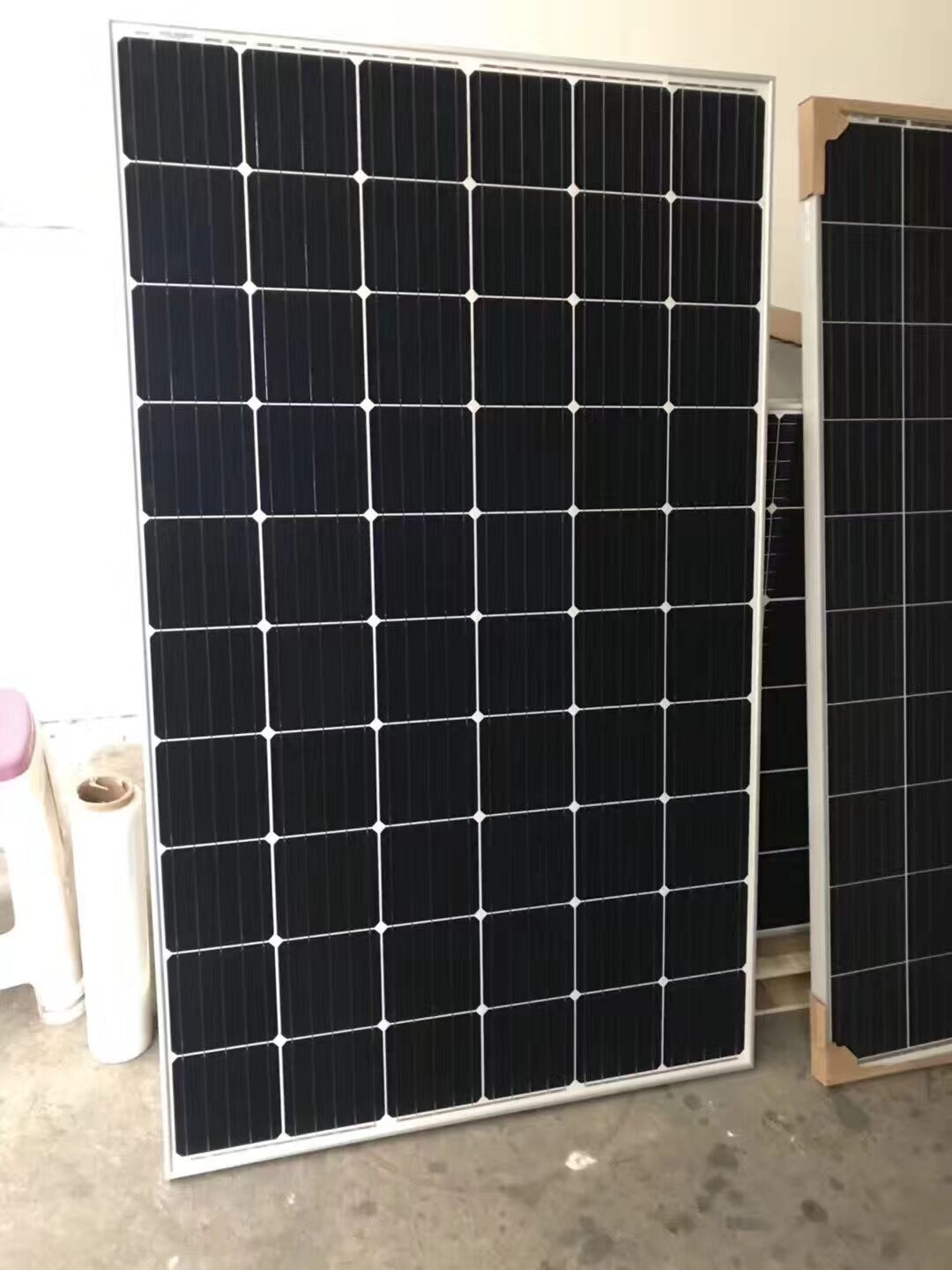
Double glass solar panels represent a revolutionary advancement in photovoltaic technology, offering enhanced durability and performance compared to traditional single-glass modules. These innovative solar panels feature tempered glass on both the front and rear surfaces, creating a robust protective barrier that shields the solar cells from environmental hazards while maximizing energy generation efficiency. The dual-glass construction eliminates the need for conventional backsheet materials, resulting in superior weather resistance and extended operational lifespan. Double glass solar panels utilize advanced encapsulation techniques that secure photovoltaic cells between two layers of high-transmission glass, typically measuring 2.0mm to 3.2mm in thickness. This configuration provides exceptional protection against moisture ingress, thermal cycling, and mechanical stress while maintaining optimal light transmission rates. The manufacturing process incorporates specialized edge sealing technologies that create hermetic barriers, preventing water vapor and contaminants from compromising the solar cell integrity. These panels demonstrate remarkable resilience in harsh environmental conditions, including extreme temperatures, high humidity, coastal salt exposure, and severe weather events. The transparent rear glass enables bifacial energy collection, allowing the panels to capture reflected light from surrounding surfaces and generate additional electricity. Installation applications span residential rooftops, commercial buildings, ground-mounted solar farms, agrivoltaic systems, and specialized architectural integration projects. The modular design facilitates seamless integration with existing mounting systems while providing enhanced structural stability. Double glass solar panels achieve power output ratings ranging from 300W to 600W per module, with efficiency ratings typically exceeding 20 percent. The technology supports various cell configurations including monocrystalline and polycrystalline silicon options, accommodating diverse project requirements and budget considerations. Quality certifications include IEC 61215, IEC 61730, and UL 1703 standards, ensuring compliance with international safety and performance requirements for commercial deployment.



 EN
EN