Commercial Photovoltaic Systems: Complete Guide to Solar Energy Solutions for Business

Get a Free Quote

Our representative will contact you soon.
Email
Name
Company Name
Message
0/1000

commercial photovoltaic systems

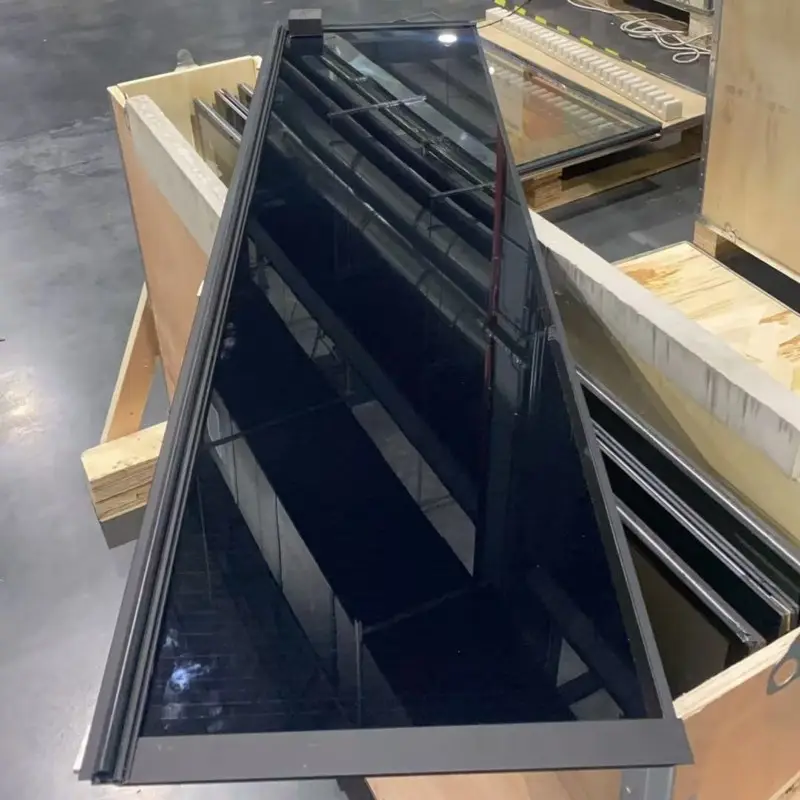
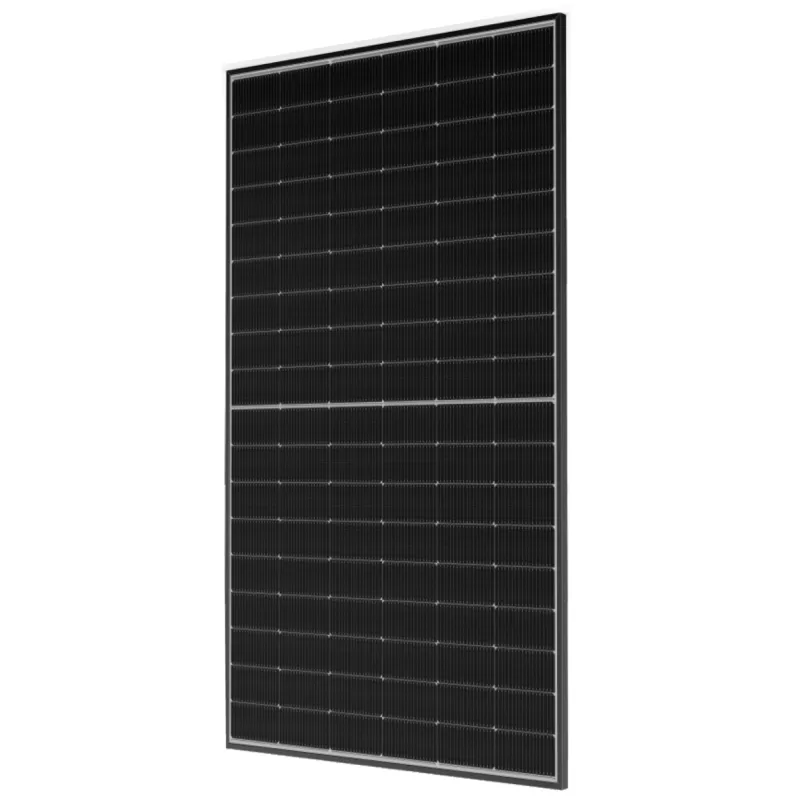
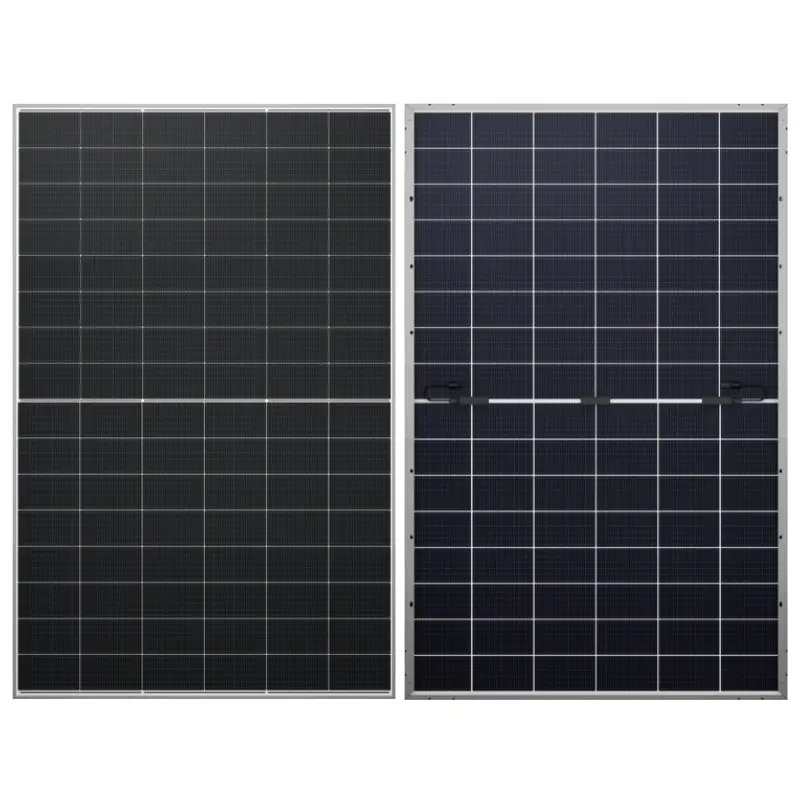
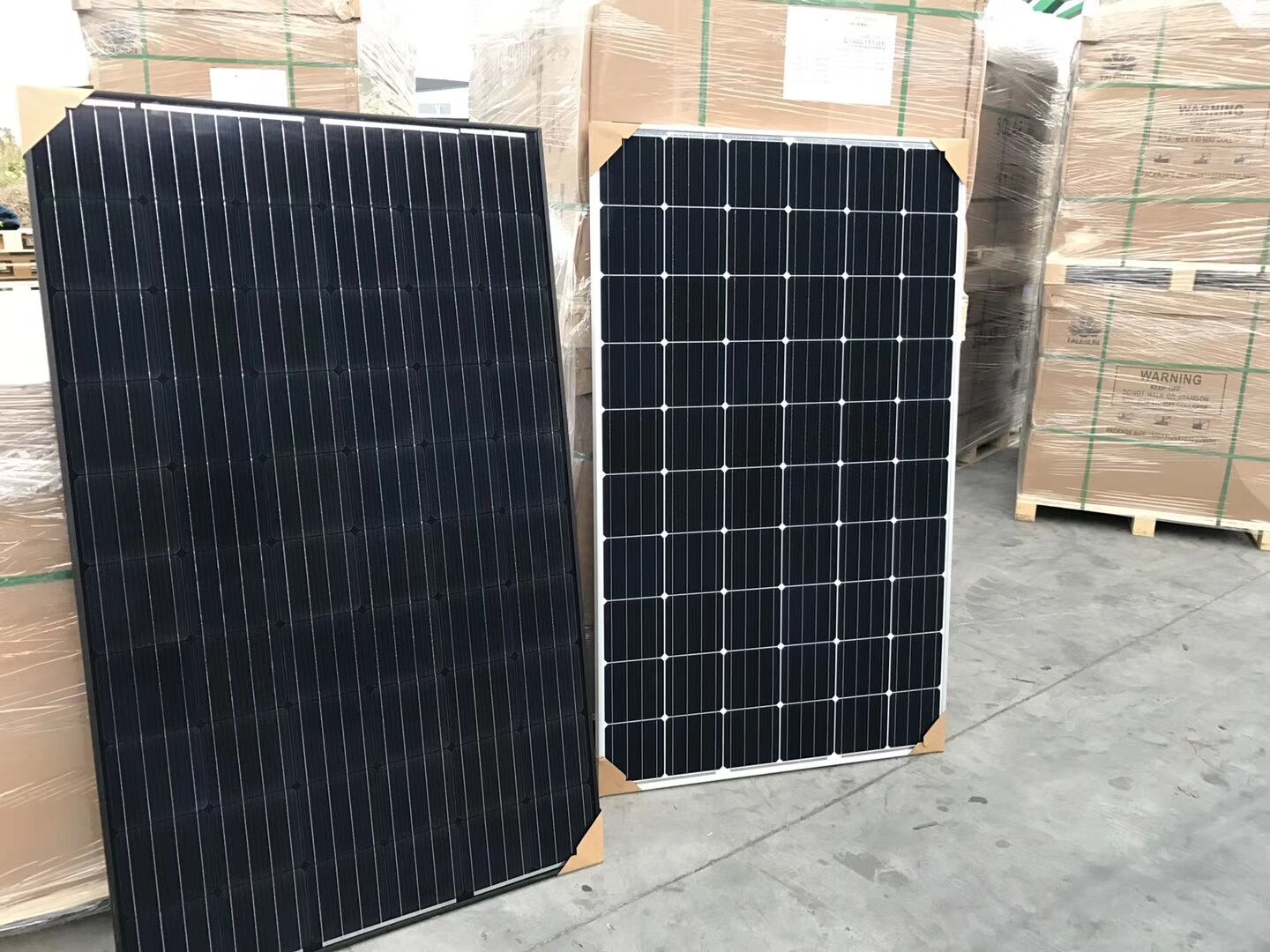
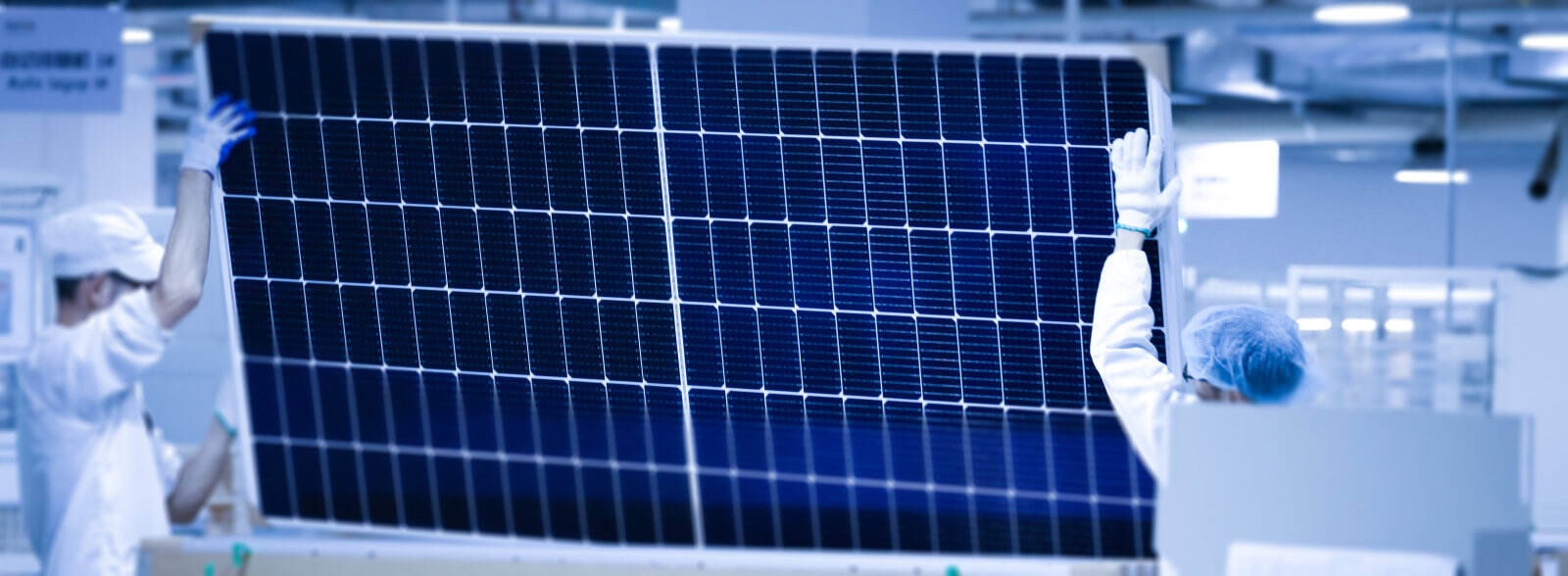
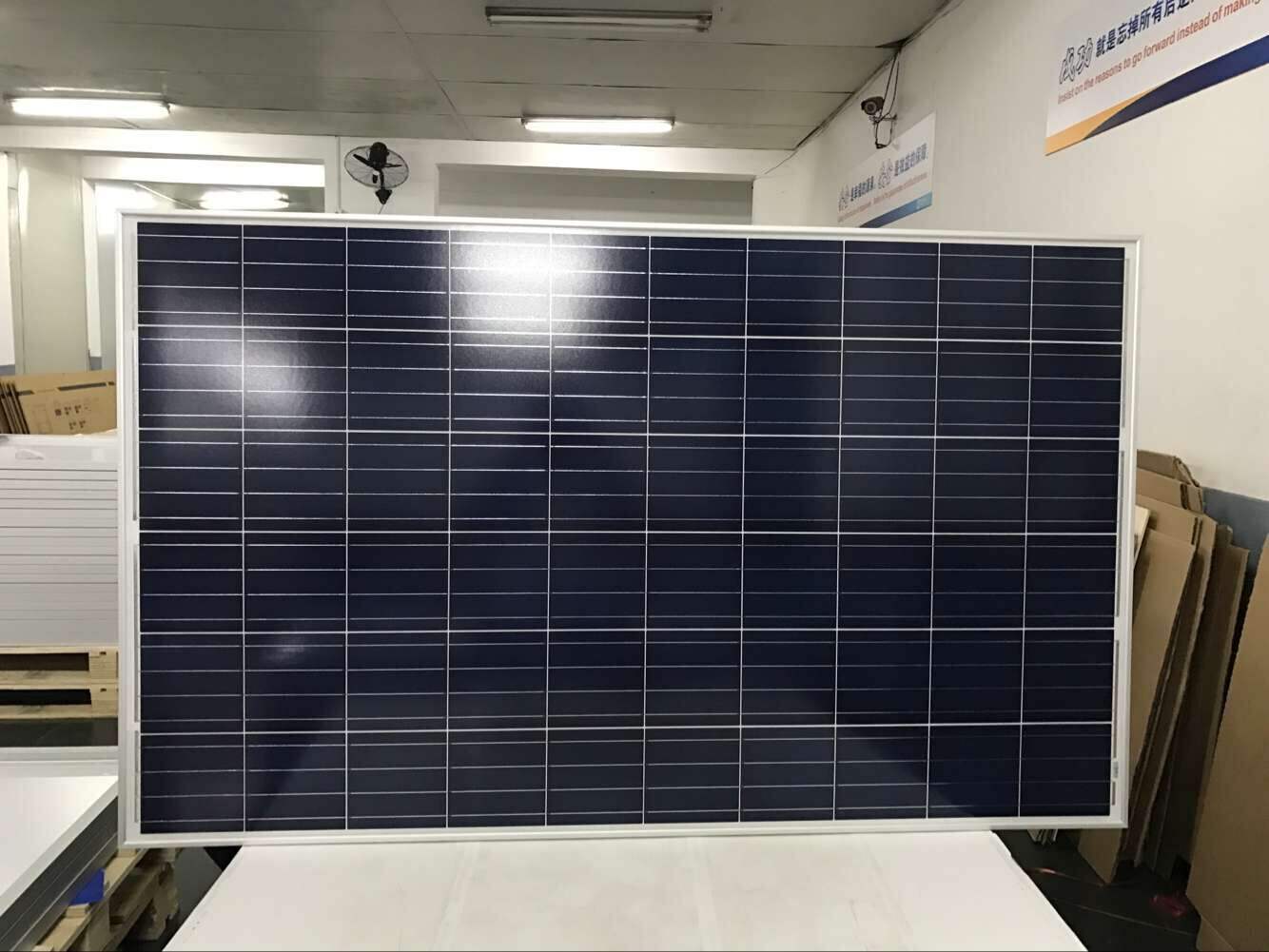
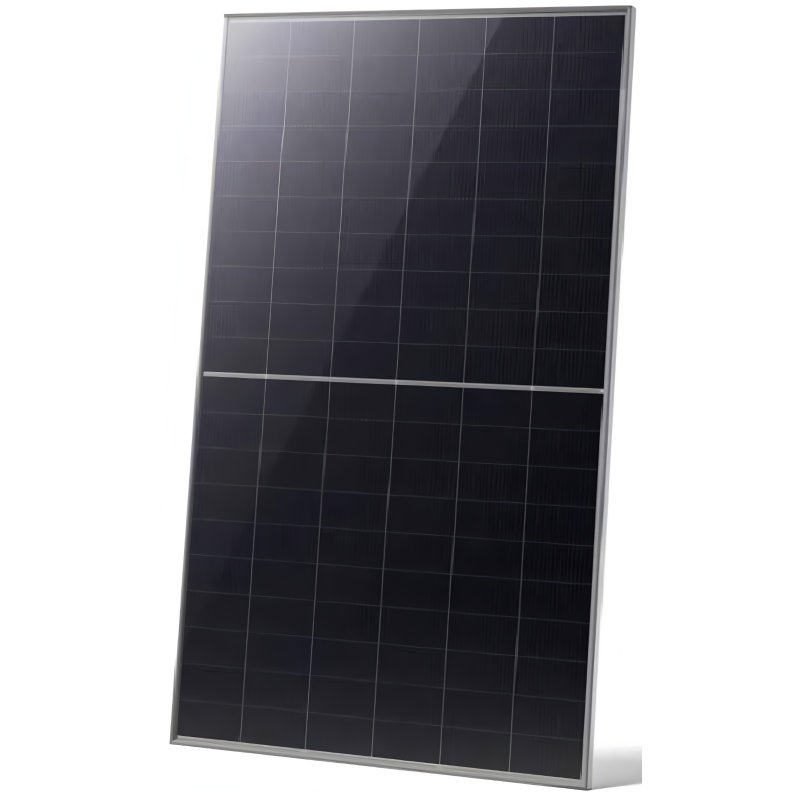
Commercial photovoltaic systems represent a transformative energy solution designed specifically for business enterprises, industrial facilities, and large-scale commercial operations. These sophisticated solar energy installations harness sunlight through advanced photovoltaic panels, converting solar radiation directly into clean electricity for immediate use or storage. Unlike residential solar installations, commercial photovoltaic systems operate at significantly larger scales, typically ranging from 100 kilowatts to several megawatts in capacity, making them ideal for warehouses, manufacturing plants, shopping centers, office buildings, and agricultural facilities. The main functions of commercial photovoltaic systems encompass electricity generation, grid integration, energy storage capabilities, and comprehensive monitoring systems that provide real-time performance analytics. These systems utilize cutting-edge silicon-based solar cells, often incorporating monocrystalline or polycrystalline technologies that achieve impressive efficiency rates exceeding 20 percent. Advanced inverter technologies convert direct current from solar panels into alternating current compatible with existing electrical infrastructure. Smart grid integration allows seamless connection to utility networks, enabling bidirectional energy flow and net metering arrangements. Modern commercial photovoltaic systems feature sophisticated mounting structures engineered to withstand extreme weather conditions while optimizing solar panel orientation for maximum energy capture. Technological features include maximum power point tracking, anti-islanding protection, remote monitoring capabilities, and automated system diagnostics. Applications span diverse industries including manufacturing, retail, agriculture, healthcare, education, and hospitality sectors. These systems provide energy independence, reduce operational costs, and contribute to corporate sustainability initiatives while delivering reliable power generation for decades.

Popular Products

Commercial photovoltaic systems deliver exceptional financial benefits that directly impact your bottom line through substantial electricity cost reductions. Business owners typically experience 70 to 90 percent decreases in monthly utility bills, with many achieving complete energy independence during peak sunlight hours. These systems generate predictable energy costs over 25-year lifespans, protecting businesses from volatile electricity price fluctuations and providing budget stability for long-term financial planning. Federal tax incentives, state rebates, and accelerated depreciation schedules create immediate tax advantages, often reducing initial investment costs by 30 to 50 percent. Many businesses achieve complete return on investment within 5 to 8 years, followed by decades of virtually free electricity generation. Commercial photovoltaic systems require minimal maintenance compared to traditional power generation methods, reducing ongoing operational expenses while providing consistent energy output. Environmental benefits position businesses as sustainability leaders, attracting environmentally conscious customers and employees while meeting corporate social responsibility goals. These systems produce zero emissions during operation, significantly reducing carbon footprints and contributing to cleaner air quality in surrounding communities. Enhanced property values result from solar installations, with commercial real estate studies showing 4 to 6 percent increases in building valuations. Energy independence reduces vulnerability to power outages and grid instabilities, ensuring business continuity during utility disruptions. Many commercial photovoltaic systems include battery storage options, providing backup power capabilities that protect critical operations and sensitive equipment. Scalability allows businesses to expand installations as energy needs grow, accommodating future expansion plans without major infrastructure modifications. Advanced monitoring systems provide detailed energy production data, enabling businesses to optimize consumption patterns and maximize efficiency. Government incentives continue supporting commercial solar adoption, creating favorable conditions for businesses to transition to renewable energy sources while maintaining competitive operational costs.

Practical Tips

Why is the half cell solar panel the current standard for B2Bsolar?

23

Dec

Why is the half cell solar panel the current standard for B2Bsolar?

The solar industry has witnessed remarkable technological evolution over the past decade, with the half cell solar panel emerging as the dominant choice for B2B applications. This advanced photovoltaic technology has fundamentally transformed how bus...
View More
How to maintain half cell solar panels to prevent local hot spots?

23

Dec

How to maintain half cell solar panels to prevent local hot spots?

Maintaining half cell solar panels properly is crucial for preventing local hot spots that can significantly reduce energy output and potentially damage your solar installation. These advanced photovoltaic modules feature innovative cell splitting te...
View More
Why are our half cell solar panels preferred by global distributors2

23

Dec

Why are our half cell solar panels preferred by global distributors2

The global solar energy market has witnessed unprecedented growth, with distributors increasingly seeking advanced photovoltaic solutions that deliver superior performance and reliability. Among the various technologies available, half cell solar pan...
View More
How to select a half cell solar panel manufacturer for bulk oirders?

23

Dec

How to select a half cell solar panel manufacturer for bulk oirders?

When planning large-scale solar installations, selecting the right half cell solar panel manufacturer becomes a critical decision that can determine the success of your project. With the growing adoption of photovoltaic technology in commercial and i...
View More

Get a Free Quote

Our representative will contact you soon.
Email
Name
Company Name
Message
0/1000

commercial photovoltaic systems

Advanced Energy Independence and Grid Integration

Advanced Energy Independence and Grid Integration

Commercial photovoltaic systems provide unparalleled energy independence through sophisticated grid-tied configurations that revolutionize how businesses manage electricity consumption and costs. This advanced integration allows companies to generate their own clean electricity during daylight hours while maintaining seamless connections to utility grids for continuous power supply. The system automatically prioritizes solar-generated electricity, reducing grid dependency and dramatically lowering utility bills without compromising operational reliability. During periods of excess solar production, typically occurring during midday peak generation hours, commercial photovoltaic systems feed surplus electricity back into the grid through net metering arrangements, creating additional revenue streams for businesses. Smart inverter technologies continuously monitor grid conditions and solar panel performance, automatically adjusting power output to maximize efficiency while ensuring electrical safety standards. Advanced power management systems enable businesses to optimize energy consumption patterns, scheduling energy-intensive operations during peak solar production periods to maximize cost savings. Battery storage integration options provide complete energy autonomy during utility outages, protecting critical business operations and sensitive equipment from power disruptions. This energy independence translates into predictable electricity costs over decades, insulating businesses from volatile utility rate increases and providing stable budget forecasting capabilities. The sophisticated monitoring systems track energy production, consumption patterns, and grid interactions in real-time, enabling data-driven decisions about energy usage optimization. Businesses gain complete transparency into their energy profile, identifying opportunities to further reduce costs through operational adjustments and energy efficiency improvements that complement solar generation capabilities.
Exceptional Return on Investment and Financial Performance

Exceptional Return on Investment and Financial Performance

Commercial photovoltaic systems deliver outstanding financial returns that consistently outperform traditional investment options while providing tangible operational benefits for decades. The initial investment typically achieves complete payback within 5 to 8 years through electricity cost savings, after which businesses enjoy virtually free electricity generation for the remaining 20-plus year system lifespan. Federal investment tax credits currently allow businesses to deduct 30 percent of installation costs from federal taxes, while accelerated depreciation schedules enable complete system depreciation within five years, creating substantial tax advantages. State and local incentives often provide additional rebates and tax benefits, further reducing initial investment requirements and accelerating return timelines. The financial performance improves significantly when considering avoided utility rate increases, which typically average 3 to 5 percent annually, making solar investments increasingly valuable over time. Commercial photovoltaic systems require minimal ongoing maintenance costs, primarily limited to periodic cleaning and occasional inverter replacements, ensuring operational expenses remain negligible throughout system lifespans. Energy cost predictability enables accurate long-term budget planning, eliminating uncertainty associated with volatile electricity prices and providing financial stability for business operations. Many businesses experience immediate positive cash flow when solar loan payments are lower than previous utility bills, creating instant financial benefits while building valuable assets. The systems add significant value to commercial properties, with real estate studies documenting 4 to 6 percent increases in property valuations following solar installations. Power purchase agreements and solar leasing options provide additional financing flexibility, allowing businesses to access solar benefits without large upfront investments while still achieving substantial cost savings and environmental benefits.
Comprehensive Sustainability and Corporate Responsibility Leadership

Comprehensive Sustainability and Corporate Responsibility Leadership

Commercial photovoltaic systems position businesses as environmental stewardship leaders while delivering measurable sustainability benefits that resonate with customers, employees, and stakeholders throughout the community. These systems produce zero emissions during electricity generation, significantly reducing corporate carbon footprints and contributing to cleaner air quality for surrounding neighborhoods. A typical commercial installation prevents thousands of tons of carbon dioxide emissions annually, equivalent to removing hundreds of vehicles from roadways or planting thousands of trees. This environmental impact creates powerful marketing opportunities, allowing businesses to authentically promote their commitment to sustainability and attract environmentally conscious customers who increasingly prioritize supporting eco-friendly companies. Employee satisfaction and retention improve when workers feel proud to be associated with environmentally responsible employers, creating positive workplace cultures that value sustainability and innovation. Commercial photovoltaic systems demonstrate corporate social responsibility leadership, helping businesses meet sustainability goals, environmental compliance requirements, and stakeholder expectations for responsible operations. Many industries now require sustainability reporting and carbon footprint reduction strategies, making solar installations valuable assets for meeting regulatory requirements and industry standards. Green building certifications such as LEED often reward solar installations with valuable points, enhancing property values and marketability while demonstrating commitment to sustainable construction practices. The visible nature of rooftop solar installations serves as constant community reminders of business environmental commitments, generating positive brand recognition and community goodwill. Supply chain partners and customers increasingly evaluate business sustainability practices when making purchasing decisions, making solar installations valuable competitive advantages that can influence contract awards and customer loyalty. These systems provide decades of clean energy generation, creating lasting environmental legacies that benefit future generations while delivering consistent financial returns for businesses committed to sustainable operations.
Inquiry Inquiry Commercial Photovoltaic Systems: Complete Guide to Solar Energy Solutions for Business Commercial Photovoltaic Systems: Complete Guide to Solar Energy Solutions for Business Commercial Photovoltaic Systems: Complete Guide to Solar Energy Solutions for Business

Get a Free Quote

Our representative will contact you soon.
Email
Name
Company Name
Message
0/1000