Superior Power Density and Space Optimization
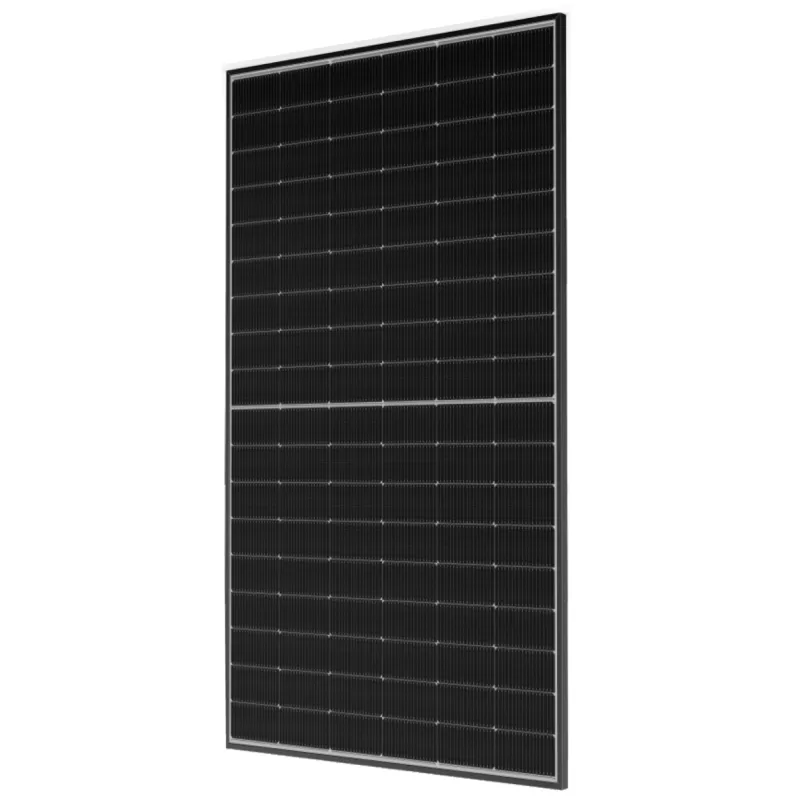
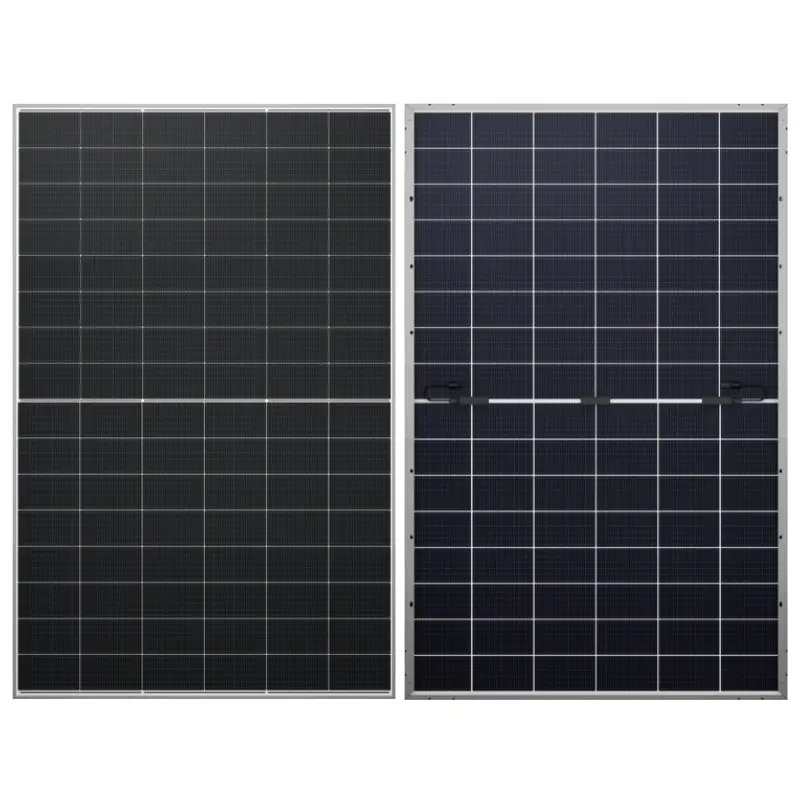
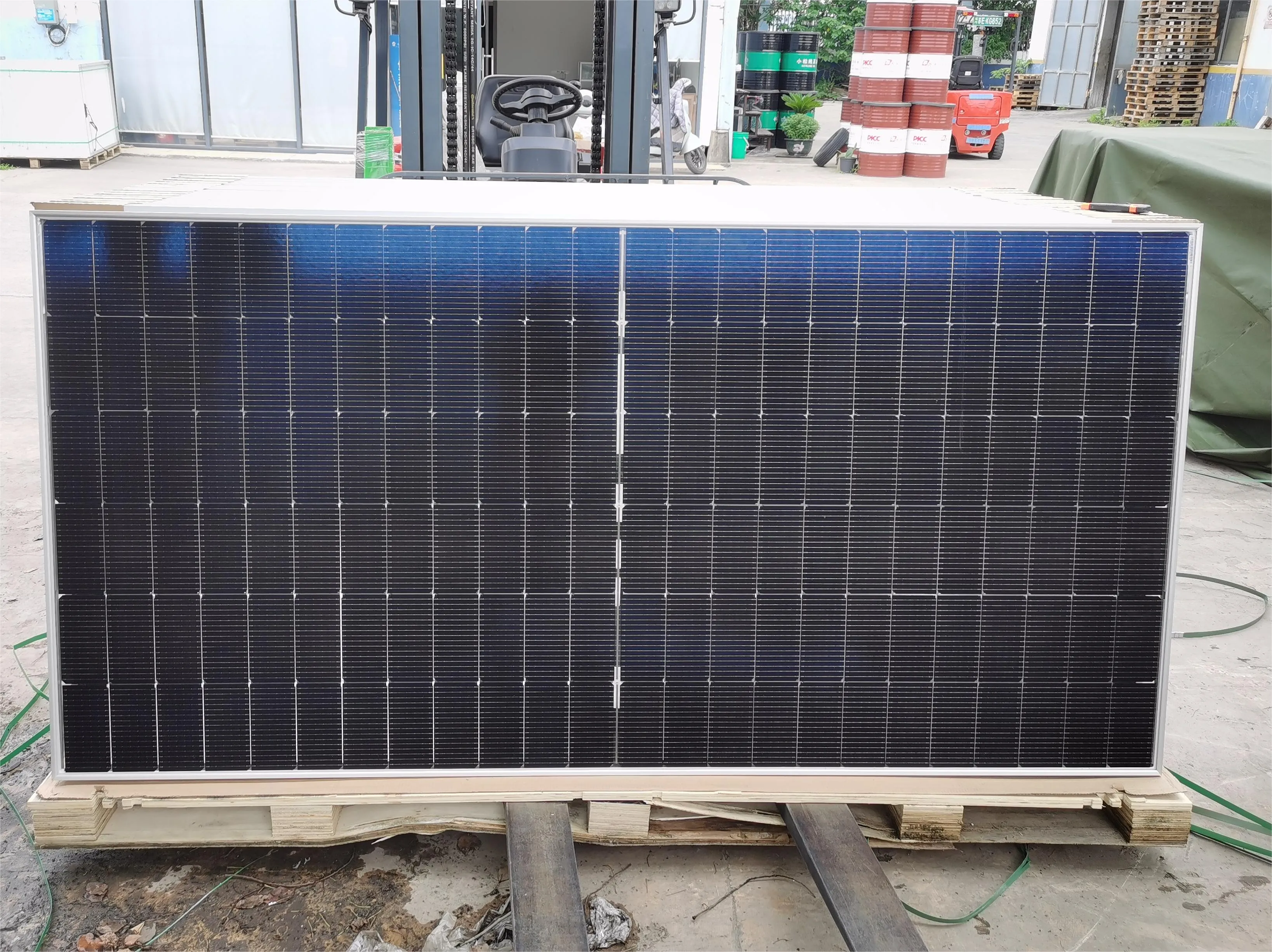
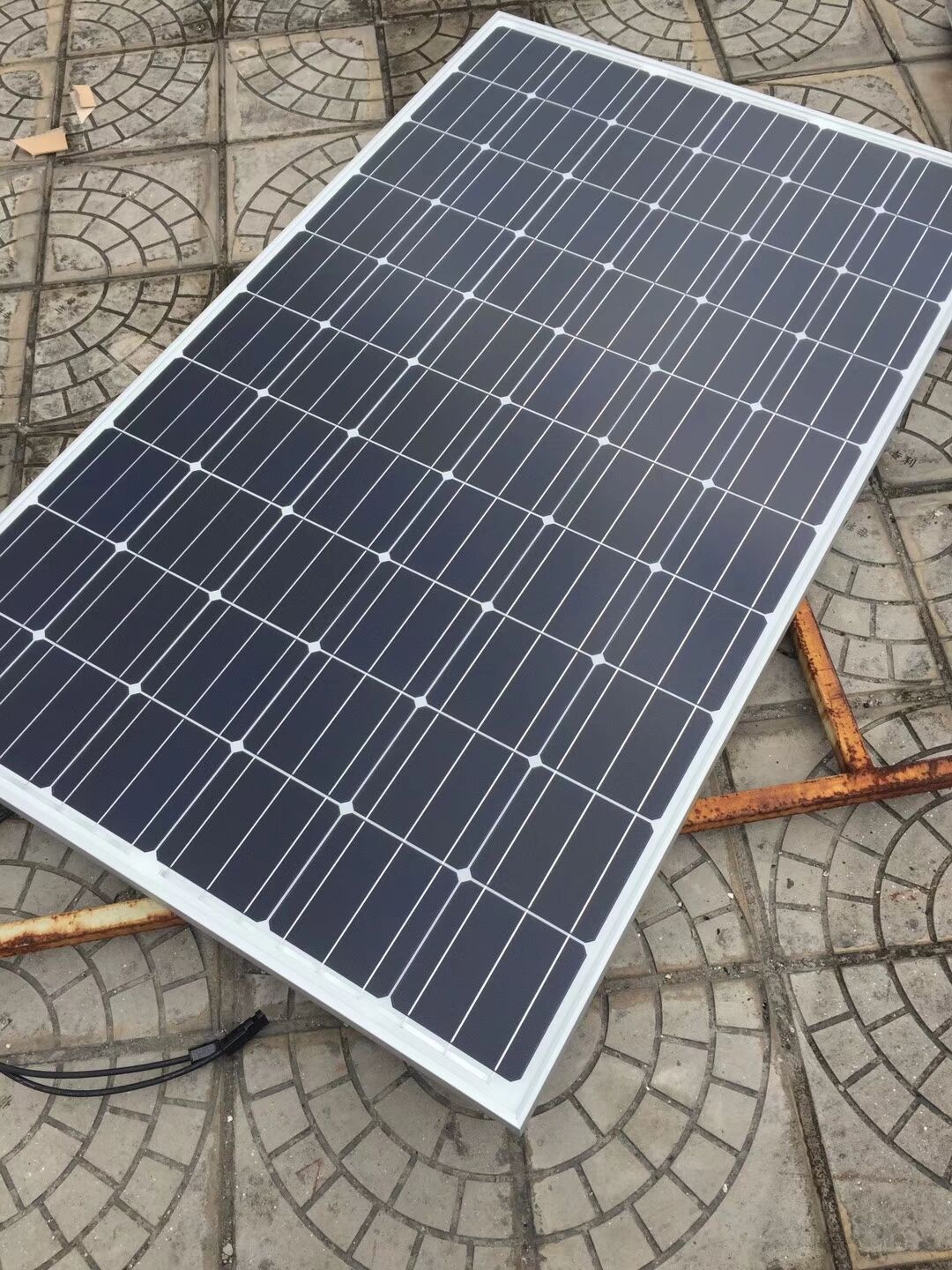
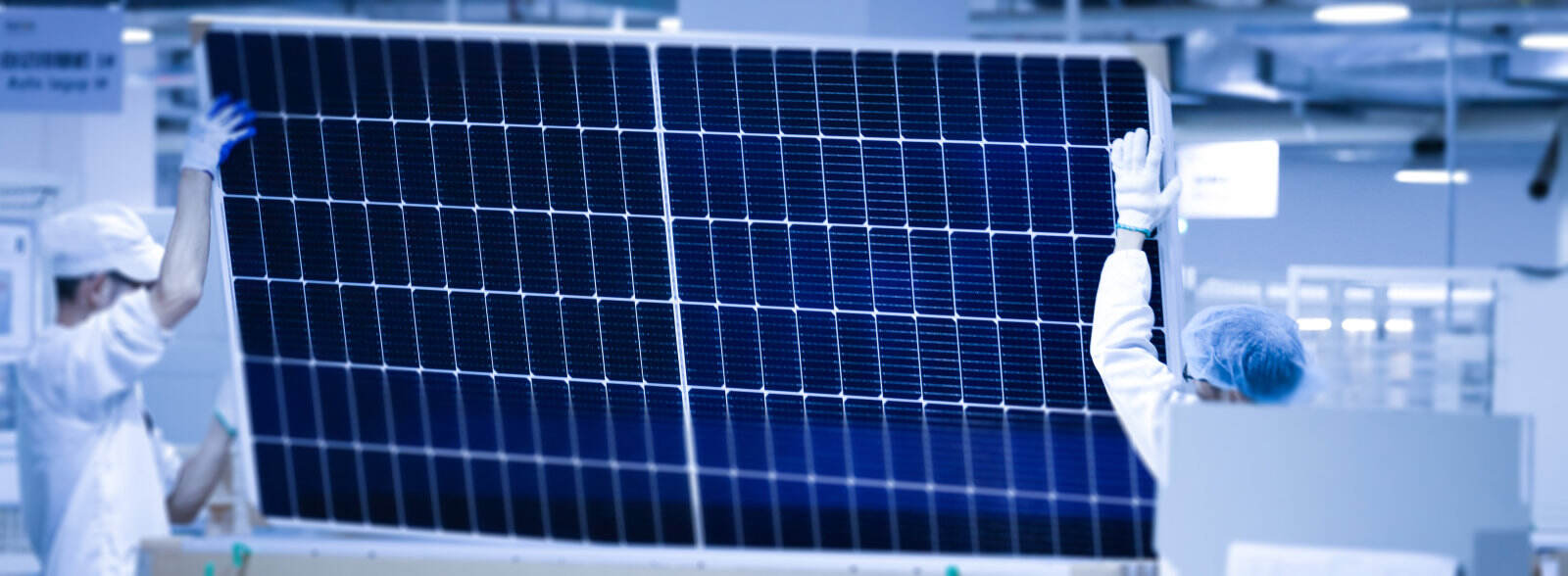
The 600w solar panel mono crystalline delivers exceptional power density that maximizes energy production within limited installation spaces, making it ideal for residential rooftops, commercial buildings, and ground-mount systems where space optimization remains critical. Traditional solar panels typically generate 300-400 watts per module, requiring significantly more panels to achieve equivalent power output, which increases installation complexity, structural requirements, and overall system costs. The 600w configuration allows property owners to generate substantially more electricity using fewer panels, reducing the total number of mounting points, electrical connections, and associated hardware components needed for complete solar installations. This consolidation simplifies system design while reducing potential failure points that could affect long-term reliability and maintenance requirements. Rooftop applications particularly benefit from this high power density, as limited available space often constrains the total number of panels that can be installed safely within structural load limits. The 600w solar panel mono crystalline enables homeowners to achieve their energy production goals while preserving roof space for other uses such as ventilation systems, satellite equipment, or future expansion opportunities. Commercial applications gain significant advantages through reduced installation time and labor costs, as fewer panels require less mounting hardware, electrical connections, and commissioning procedures. The streamlined installation process translates into lower overall project costs while maintaining superior energy production capabilities. Aesthetic considerations also favor higher-density panels, as fewer modules create cleaner, more uniform appearances that enhance property visual appeal. Structural load distribution improves with fewer mounting points, reducing stress concentrations on building frameworks while simplifying engineering calculations and permitting procedures. Transportation and logistics costs decrease proportionally with panel count reduction, contributing to overall project economics while maintaining equivalent or superior energy production targets. The concentrated power generation also simplifies electrical system design, requiring fewer combiners, disconnect switches, and monitoring components while maintaining comprehensive system functionality and safety standards.



 EN
EN