48 volt solar charge controller
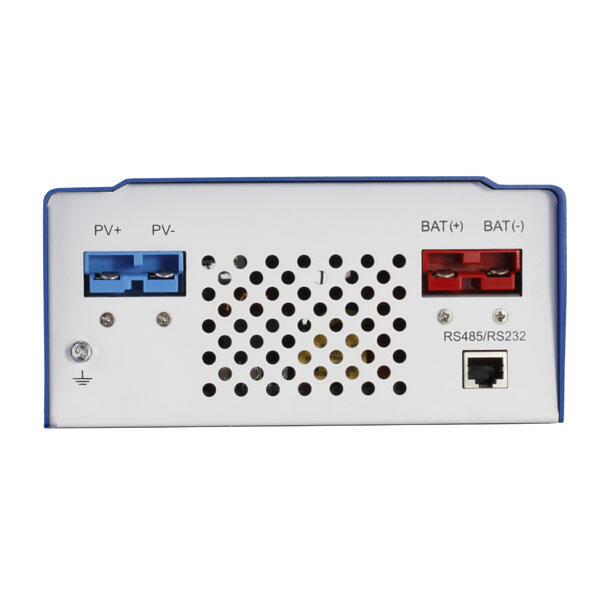
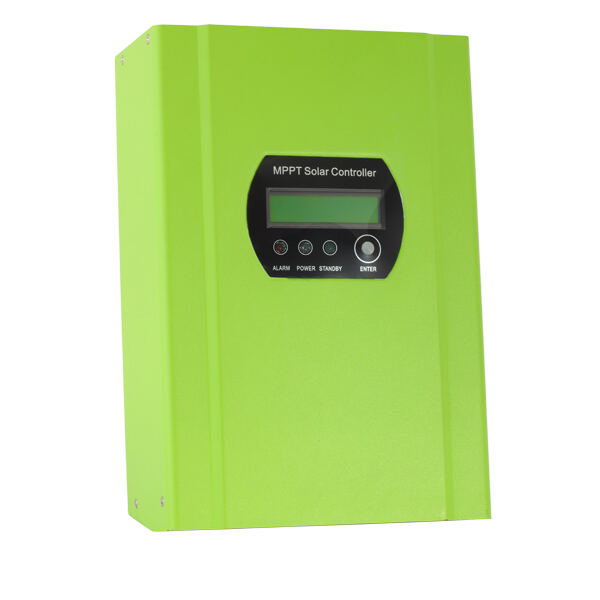
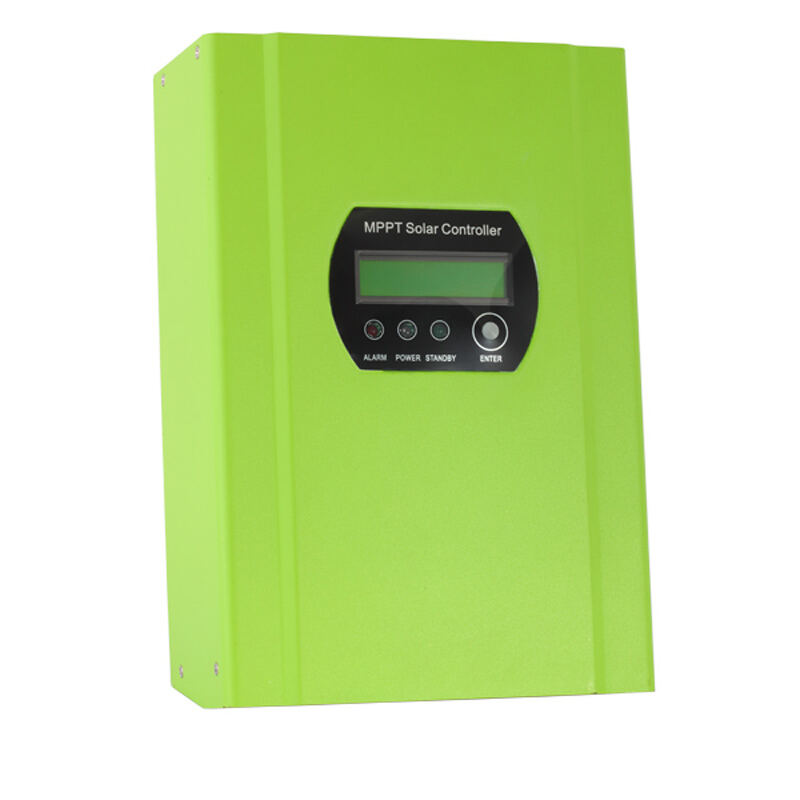
A 48 volt solar charge controller serves as the essential brain of medium to large-scale solar power systems, managing the flow of electricity from solar panels to battery banks with precision and efficiency. This sophisticated device regulates voltage and current to ensure optimal battery charging while protecting against overcharging, deep discharge, and electrical surges. The 48 volt solar charge controller operates by monitoring battery voltage levels continuously and adjusting the charging process according to different stages including bulk, absorption, and float charging phases. Modern units incorporate advanced Maximum Power Point Tracking technology that maximizes energy harvest from solar panels by constantly adjusting the electrical load to extract peak power output regardless of weather conditions or temperature fluctuations. These controllers feature comprehensive protection mechanisms including reverse polarity protection, short circuit safeguards, and temperature compensation algorithms that adapt charging parameters based on ambient conditions. The technological architecture includes microprocessor-based control systems that provide real-time monitoring capabilities through digital displays and communication interfaces. Many 48 volt solar charge controller models support remote monitoring via smartphone applications or computer software, enabling users to track system performance, battery health, and energy production statistics from anywhere. Installation flexibility represents another key characteristic, as these controllers accommodate various battery types including lithium, gel, AGM, and flooded lead-acid batteries through programmable settings. Applications span residential solar installations, commercial energy storage systems, off-grid cabins, RV solar setups, marine applications, and backup power solutions for critical infrastructure. The robust construction typically features aluminum housings with efficient heat dissipation designs to ensure reliable operation in harsh environmental conditions. Advanced models incorporate load output terminals for direct DC appliance connection, eliminating the need for separate load disconnect switches while maintaining system protection integrity.



 EN
EN